Editing
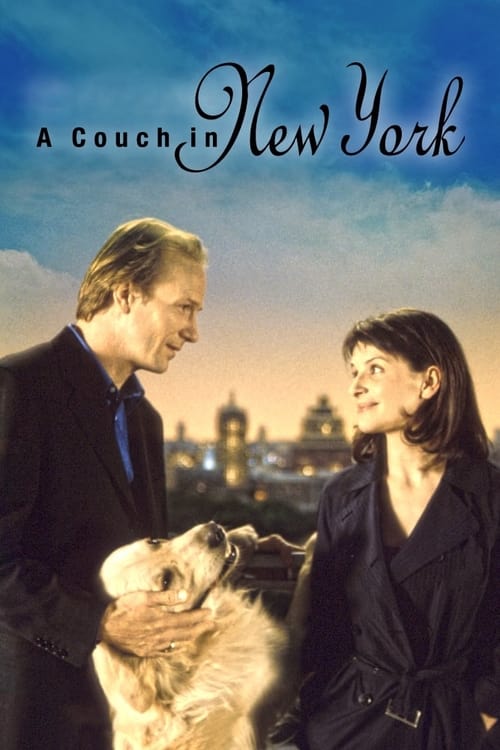
A burnt-out New York psychoanalyst exchanges apartments with a Parisian woman. When his patients arrive, they talk to her and then pay. He returns early and becomes a patient as well.
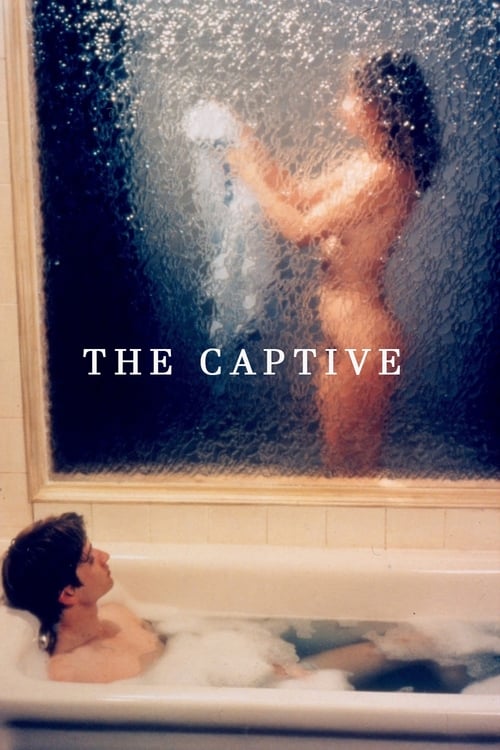
Ariane lives with Simon in his large Paris flat. Simon is obsessed with her: he wants to know everything about her, secretly follows her when she goes out, asks questions all the time, even in the most intimate moments. Ariane seems to take it all in stride, but Simon realises that she's hiding something.
Images of a small boatyard, somewhere in Greece. Between the repairs and the boats’ departures, a team of men haul them ashore and set them afloat again. A 16 mm film built around gestures and movements that oscillate between a toing and froing, attachment and detachment, tension and tenderness.
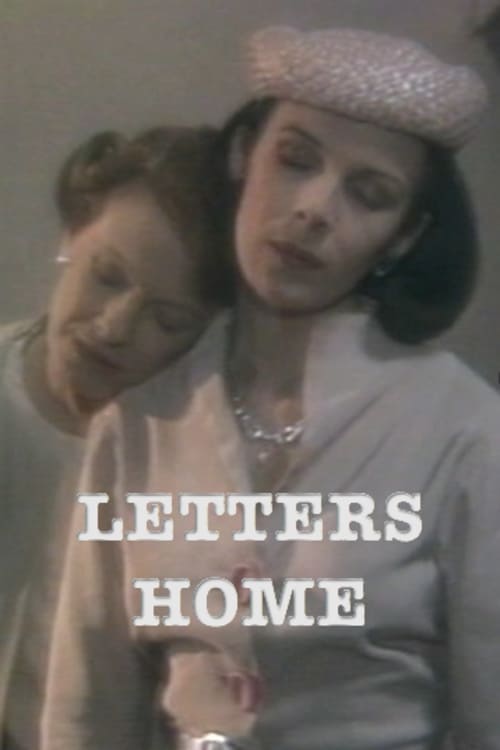
A filmed adaptation of Rose Leiman Goldemberg’s play, based on Sylvia Plath’s intense correspondence with her mother Aurelia, from the time the poet was in university until her suicide. Delphine Seyrig and her niece Coralie Seyrig recite Sylvia and Aurelia’s letters to the audience directly.
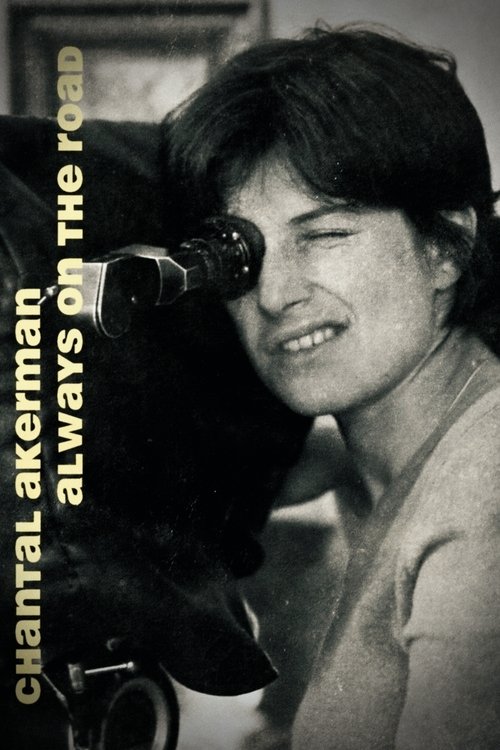
I Don’t Belong Anywhere - Le Cinéma de Chantal Akerman, explores some of the Belgian filmmaker’s 40 plus films. From Brussels to Tel-Aviv, from Paris to New-York, this documentary charts the sites of her peregrinations. An experimental filmmaker, a nomad, Chantal Akerman shares her cinematic trajectory, one that has never ceased to interrogate the the meaning of her existence. Thanks in great part to the interventions of her editor, Claire Atherton, she delineates the origins of her film language and her aesthetic stance.
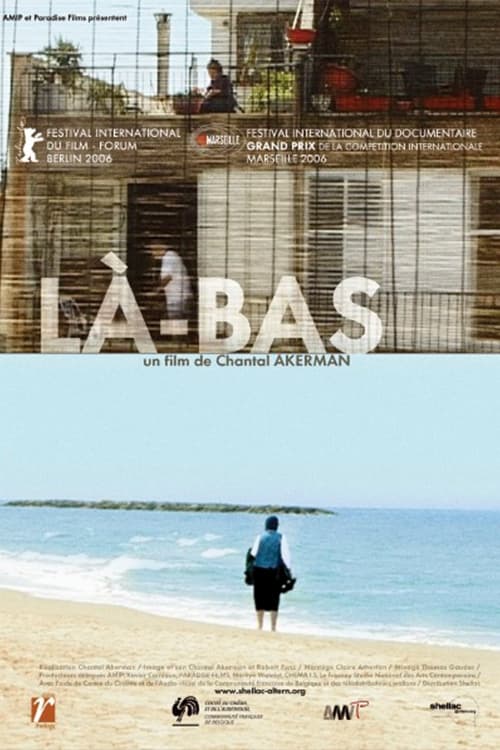
Akerman spends a month in Tel Aviv, in an apartment by the sea, contemplating childhood, family, and her Jewish identity.
The American military forces has a long tradition of cooperation with the movie industry. Movie studios can save millions of dollars by securing use of military stock footage, equipment and manpower. But there will only be cooperation if the scripts are depicting the armed forces in a favorable way. The most realistic and successful war movies has generally been made without the military's support.
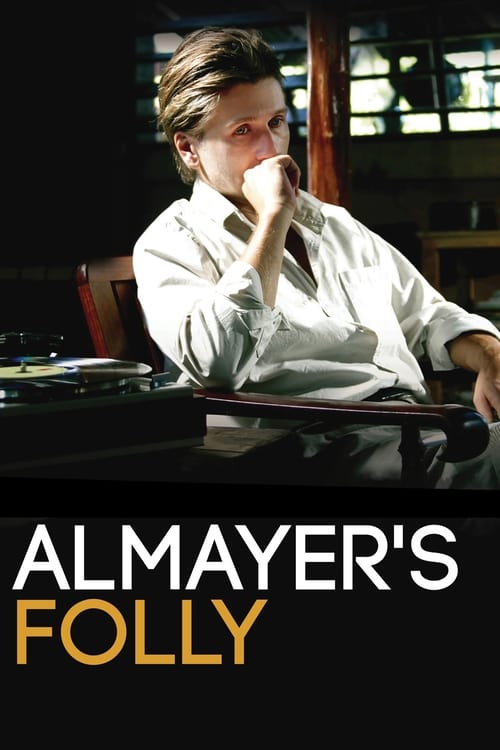
In 1940s Malaysia, European merchant Kaspar Almayer is obsessed with finding a treasure to secure his daughter's future. His dreams fall victim to the pressure of his own greed, which becomes a torment. Compounding this is the oppressive English domination dominating the country – and that which brings ruin to the remote village where he lives.
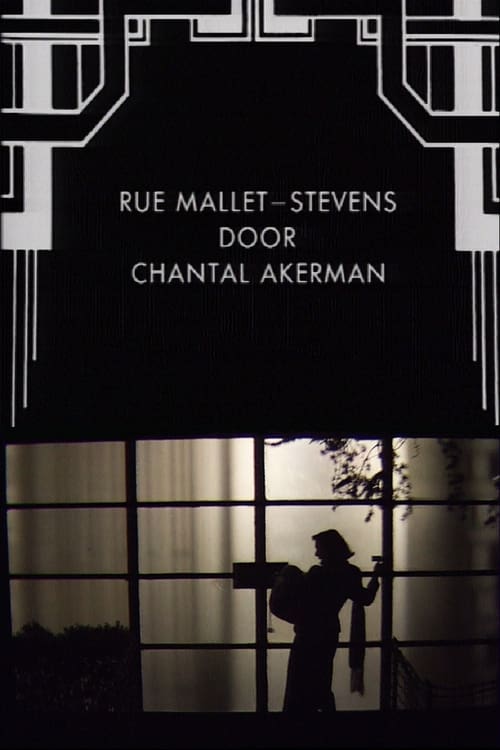
Commissioned for the centenary of the famous French architect and designer Robert Mallet-Stevens and shot on the street that bears his name in Paris' 16th arrondissement, Rue Mallet-Stevens depicts a mysterious, nocturnal scene of romance (featuring Akerman and her partner, the cellist Sonia Wieder-Atherton) unfolding before and inside one of the street's modernist constructions.
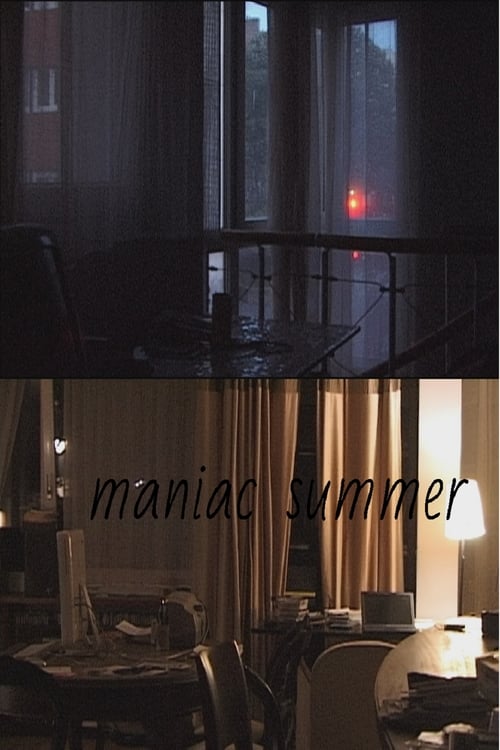
Maniac Summer consists of images and sounds recorded in Paris in the summer of 2009. It is a sprawling triptych without a beginning or end and with no specific subject or topic. The camera is positioned in front of a window and left running. It observes movements, registers noises coming from the street or nearby park, captures Chantal Akerman going about her business in her apartment: smoking, working, talking on the telephone. Fragments from the artist’s everyday life are featured in the installation’s central video, while the adjoining panels are more symbolically charged; in them, various images from the former have been isolated, modified and repeated. These abstract afterimages act as a kind of memory, looking back to the images in the installation’s centrepiece as so many shadows of its reality.
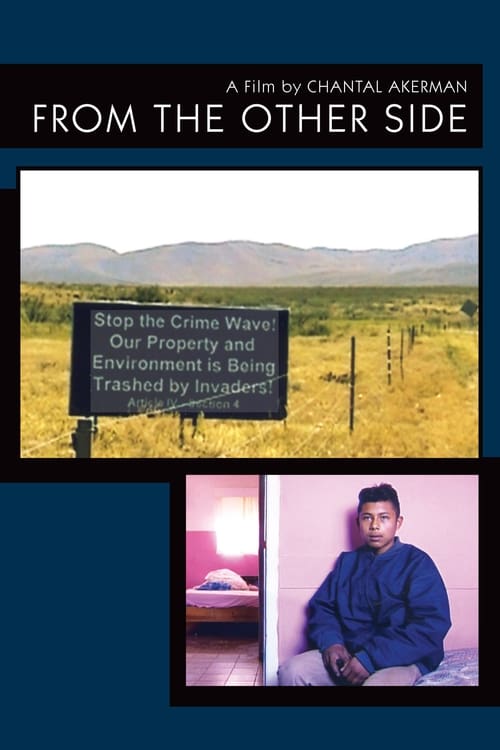
A documentary look at the fate of Mexicans who cross the border into the United States.
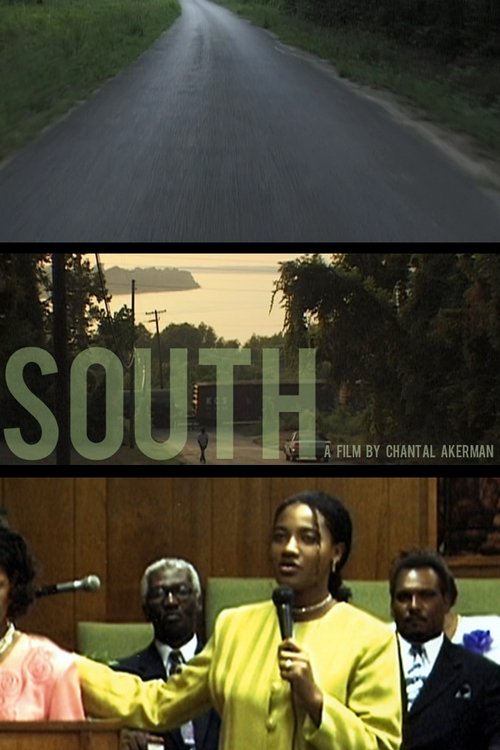
Chantal Akerman investigates the American Deep South through the story of a lynching and grisly murder of an African-American man that took place in Texas in 1998.
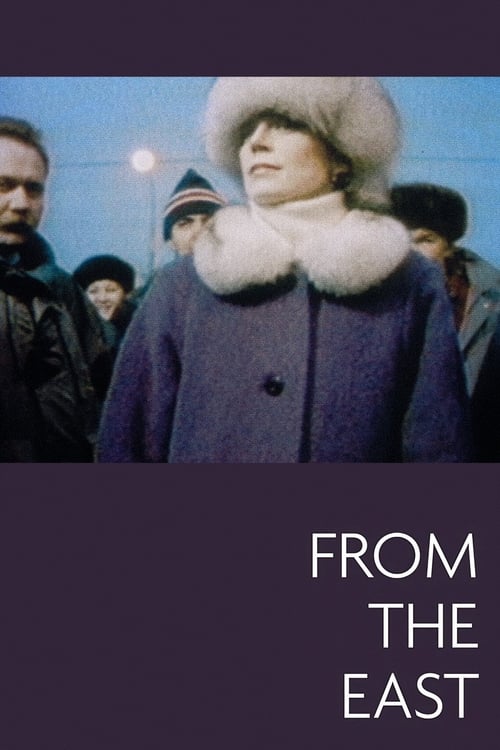
In this incisive dispatch from the newly collapsed Soviet empire, bullet holes from WWII still pockmark the old stone buildings. Akerman journeys from East Germany to Moscow between the late summer and winter of 1993 ('while there’s still time'), chronicling in deliberate tracking shots, circular pans, and domestic tableaux yet another moment of radical upheaval in the 20th-century, the faces and bodies of Poles, Ukrainians, Germans, and Russians weighed down with obedient resignation and uncertainty.
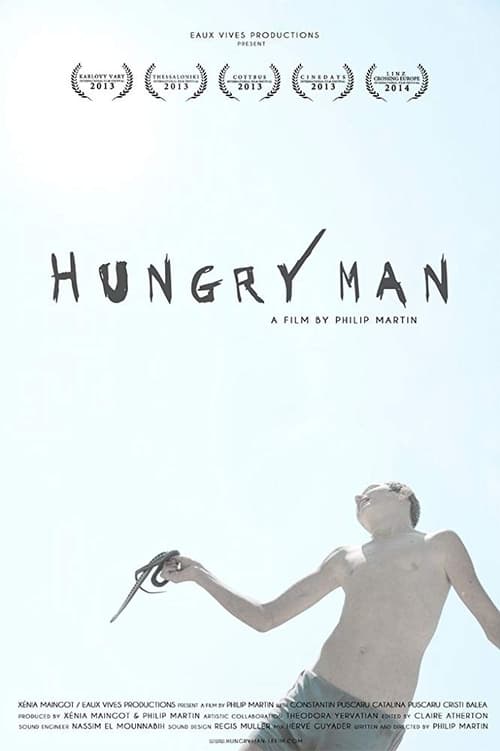
This story of an unexpected encounter between a young boy and a wounded foreigner somewhere in the Romanian wilderness is a parable about the freedom of man in modern society.
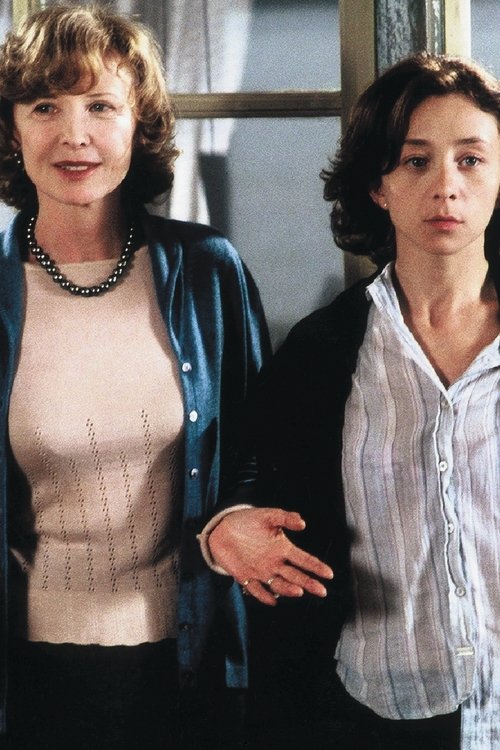
What a revelation and a privilege it is to see Chantal Akerman at work. Its French title a pun, this film offers behind-the-scenes footage from the production of Tomorrow We Move: makeup and costume tests, script readings, scene blocking and rehearsals, and on-set interviews with Aurore Clément and Sylvie Testud, her lead actresses, as well as Akerman herself.
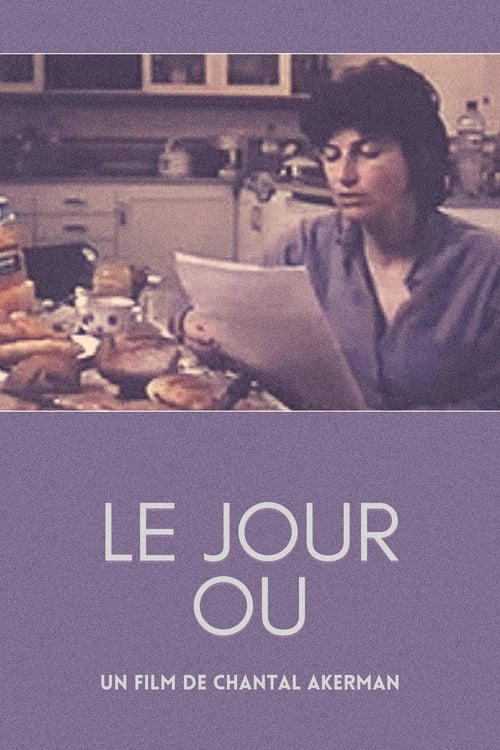
Chantal Akerman reads a script detailing the woes that befell her on the day she thought about "The Future of Cinema". The camera continuously rotates 360 degrees around her apartment as she rereads the script at an exponentially increasing speed. At its heart, an homage to Godard.
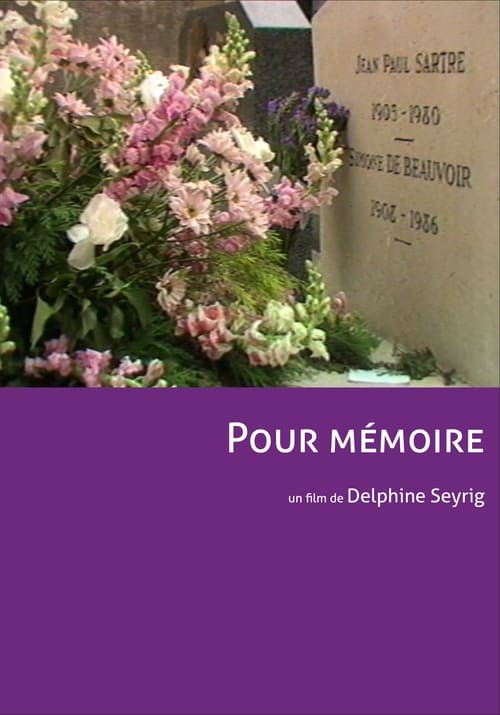
One year after the death of Simone de Beauvoir (14 april 1986) Delphine Seyrig pays homage by visiting her grave. which she finds still covered with flowers and letters from all over the world.
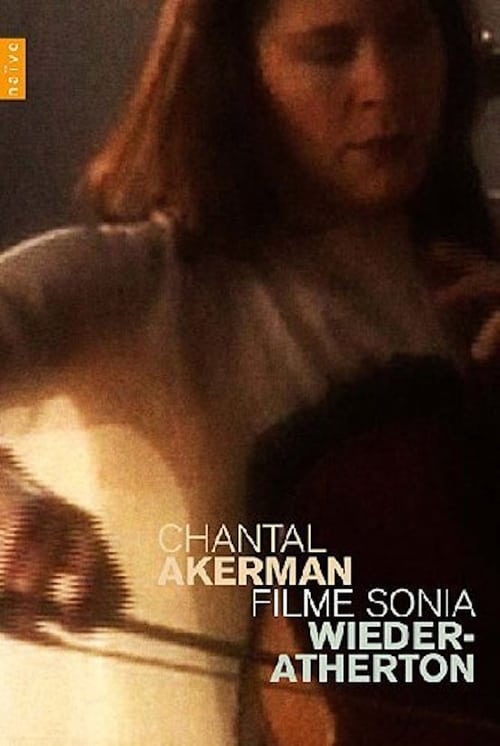
Presented in 2 parts, this 83 minute piece documents Wieder-Atherton's idea to do a set of pieces from across central and eastern Europe, including Russia. Some weren't originally written for cello, but she had them transcribed. Some were songs for voices, which goes with Wieder-Atherton saying in an earlier film she made with Chantal Akerman that she aspires to play the cello in a way that it carries the specificity of emotion of the human voice. She explains at the beginning of both parts how she feels each country in the region has it's own personality expressed in its music, coming from its individual history and culture, but that each land in the area is also 'impregnated' as she puts it, by the others, so there are certain elements that run throughout.
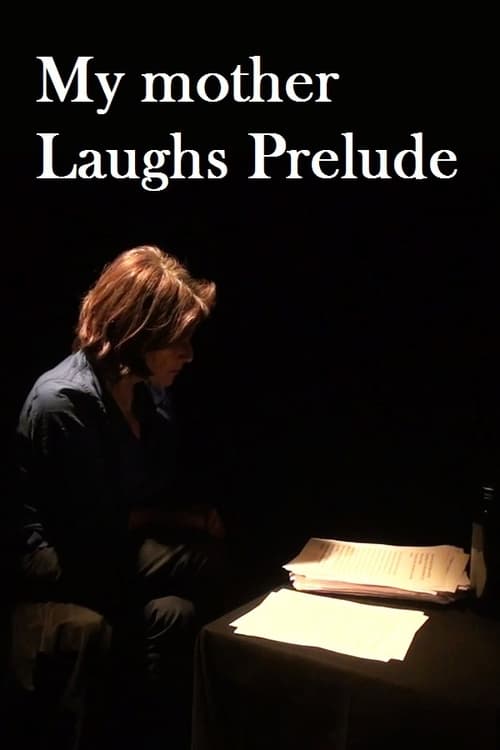
“My mother laughs prelude” is a performance from the book that Chantal made about her mother. In 2013, Akerman’s mother was dying. She flew back from New York to Brussels to care for her, and between dressing her, feeding her and putting her to bed, she wrote. She wrote about her childhood, the escape her mother made from Auschwitz but didn’t talk about, the difficulty of loving her girlfriend, C., her fear of what she would do when her mother did die. Among these imperfectly perfect fragments of writing about her life, she placed stills from her films. "My Mother Laughs" is both the distillation of the themes Akerman pursued throughout her creative life, and a version of the simplest and most complicated love story of all: that between a mother and a daughter.
An analysis of the work of Belgian filmmaker Chantal Akerman (1950-2015), an experimental and innovative artist, both in content and form, who has left her mark on cultural memory and on the creations of other artists.