Directing
All four characters in the film were born on the same day as the Latvian state – November 18, 1918. Ella Steināte from Riga, Ignats Spridzāns, a farmer from the Viļāni region, Arnolds Dzirne, a veterinarian and retired lieutenant in the Latvian army, and Jeļena Vucane-Bicane, a resident of a retirement home in Latgale, each with their own destiny. Just as dewdrops reflect the surrounding world, their life stories reflect the history of Latvia.
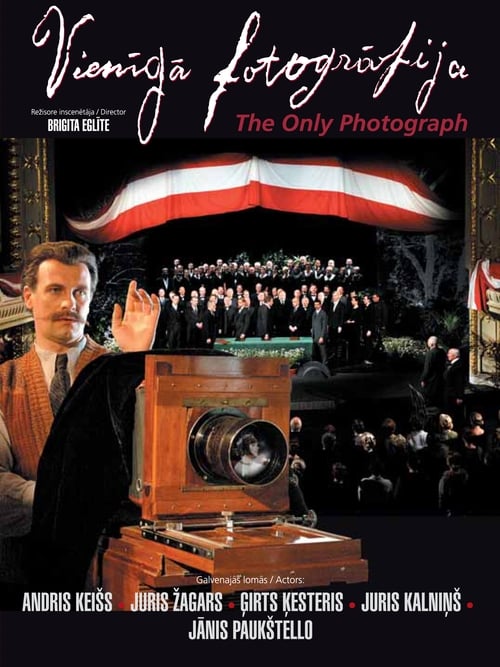
Historical reenactment of preparation in Nov. 17 and proclamation of independence of Latvia in Nov. 18, 1918 and in epicenter is only taken photograph of this historical moment.
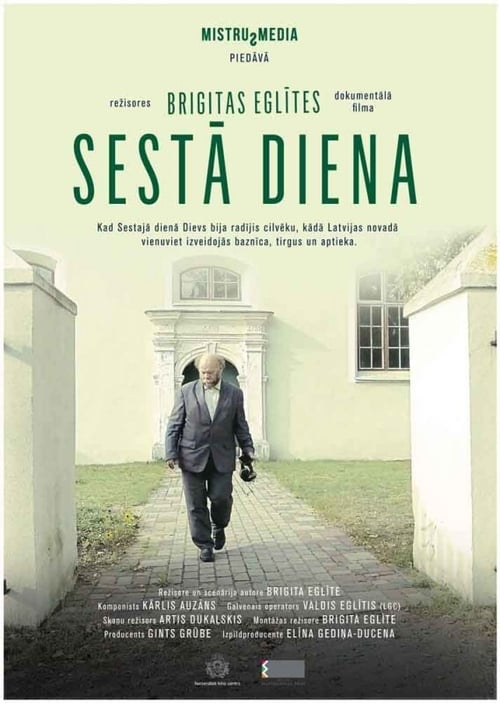
For many years, Saturday market in Skulte has been one of the main events of the week. The roles in the market have been carefully divided among the locals – there’s the pastor of the local parish, the bell-ringer, the pharmacist and the nearby residing sheepman, and it’s been long since it’s not just a customer-vendor relationship among them. Suddenly the owner of the market comes on the scene – he has decided to move it all to a new location, which so far has been known as an accident blackspot.
The documentary tells the story of the renowned Latvian and internationally acclaimed surgeon Viktors Kalnbērzs. Throughout his life, the legendary 87-year-old surgeon performed significant operations not only in his homeland but also in many parts of the world. He was the first surgeon in the Soviet Union to perform gender reassignment surgery, earning a deeply divided response from the ruling authorities toward his professional work — to the point where there was even the possibility that the talented surgeon could be stripped of his scalpel…
About the son of a Knight of the Order of Lāčplēsis, who rose through the ranks of the militia to become head of the Political Department of the Ministry of Internal Affairs of the Latvian SSR – Colonel Harijs Grundulis. About the invisible part of the iceberg of power that was under his control. About the behind-the-scenes goings-on that can now be viewed with a smile.
This film, dedicated to the 80th anniversary of the Latvian state, tells the story of Latvian history and Latvians, based on the collections of three collectors. Kārlis Edelnieks, Ilgvars Brucis, and Viktors Ķirps each collect their own collections – household items from different periods, old tools, World War II artifacts, and military equipment. In the film, these historical "things" are supplemented with archival materials, music, noise, and sound scores that, without words, evoke memories and tell the story of the country and its people.
The second film in the series about Latvian regional folk costumes – they are made and demonstrated by "five Vidzeme regional zeltenes", students of the Riga School of Applied Arts Kristīne Andersone, Baiba Biteniece, Maija Blasāne, Austra Celmiņa, Mārīte Stepiņa. In the spirit of Easter, the film shows the wreaths of Cesvaine, Lielvārde, Piebalga, Krustpils and Ziemeļvidzeme, embroidered shirts, the "holy tree" honorary sash, the magnificent Lielvārde blouse with six types of embroidery patterns, and other amazing handicrafts. Folk craft master Maruta Grasmane served as a consultant.
The first film in a series about Latvian regional folk costumes – Zemgale skirt patterns and yarn dyeing, embroidery and weaving, metal brooch and jewelry making, shawls and other elements of folk costumes. The filmmakers were consulted by folk craft master Ilga Madre, and three generations of the Ozolu family from Jelgava participate in episodes filmed at the Bauska Region Open-Air Museum.
For thousands of years, there has been a struggle between good and evil in the world; it also takes place within each person from birth to death. By getting to know and trying to understand prisoners – repeat offenders – the filmmakers encourage us to think about human nature, morality, and destiny, as well as the place of prisoners in society. The film was shot in Valmiera Prison, where inmates knit socks and mittens for children in orphanages, sing hymns and read the Bible, develop their artistic talents and train their muscles, but will all this help them to reintegrate into society after their imprisonment?
The fourth film in the series about Latvian regional folk costumes – Shrovetide traditions in Latgale – shows clothing, household items and celebrations, as well as games and masquerades. The film features the Upīte village children's folklore group, the Rēzekne folk dance ensemble Dziga, and the Šķilbēni village folklore group. The narration, sometimes in Latvian and sometimes in Latgalian, is by Jānis Streičs.
The third film in a series about Latvian folk costumes, their preparation and wearing. The film focuses on an ancient tradition - dressing the bride. A bride from Nīca (Dace Gasjūne) and a groom from Talsi (Kaspars Dortāns) are preparing for their wedding. Folk costumes from Nīca, Bārta and Rucava. The Otaņķi ethnographic ensemble sings under the direction of Zenta Bērtiņa. Excerpts from Aleksandrs Rusteiķis' film "Wedding in Nīca" (1931) are used.
Father and daughter – film actor Pauls Butkēvičs and Doctor of Dental Science Alēna Butkēviča, who has passed on her family name to her son and grandson – meet in their country home and in stories from the past. Pauls has appeared in more than 150 films, Alēna has studied in Latvia and the US, lectured all over the world, but her father says: "We are together all the time. Maybe not physically, but mentally – definitely!"