Directing
Dervisi: This 1955 documentary reveals the strange practices of one of the most ancient Muslim denominations and rites that aim to achieve mystical ecstasy.
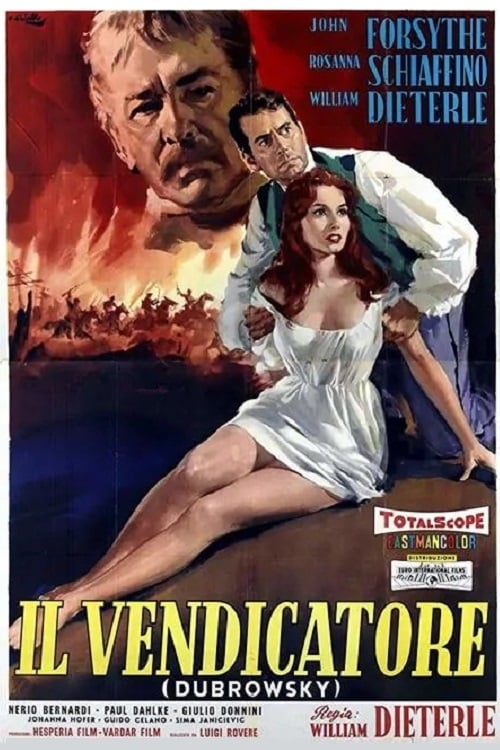
Vladimir Dubrovsky returns from St. Petersburg to his family estate, where he finds his father dying and learns that all his lands and serfs have been fraudulently taken by the owner of a neighboring estate. Having organized a detachment of peasants who refused to obey the new owner, our hero intends to restore justice and take revenge on his offender.
Traditions during Easter holidays in the remote village of Grešnica. The film was a research project of the newly opened Ethnological Museum to preserve the disappearing customs at least on film for future generations.
The film describes the life of the last Macedonian nomadic ethnic group, so called Karakachani. In 18th century, their ancestors, ants of the Traco-Illyrian, leaded by Papucoroshi, as a result of the Turkish oppression withdrew from Gramos, passing through the Macedonian mountains. They settled the surroundings of the mountain Osogovo, particularly the village Vrbica, in Kochani’s district. Nowadays, they can be seen dressed in black, on market days through the towns of Eastern Macedonia. In spring, before they leave on their nomadic trip with the flocks of sheep, at first they fleece the sheep and make various handmade products for domestic use. During their stay in the mountains, they are occupied with milk production and manufacturing. They live a quiet nomadic life, moving themselves from one pasture to another with their whole equipment. They spend the winter period in the warmer districts, along the valley of the Vardar River.
The film depicts cotton production in the People's Republic of Macedonia, more precisely in the workers' cooperative of the village of Gradošarci; preparing the cotton seed, washing, drying, cleaning and packaging it, then plowing and sowing, all the way to the cotton harvest.
This is a survey of the economic and cultural achievements of the territory of Macedonia from the elections in 1952 till 1957 and pre-election activities in the Republic.
Skopje's old bazaar depicting the old, already ancient crafts carried out by tailors, coppersmiths, goldsmiths, silversmiths, leather craftsmen, etc.
Celebration of the 45th anniversary of the Ilinden Uprising. The atmosphere surrounding this historical event is conveyed through documents and memories of the surviving participants.
The film depicts the beauties and winter sports of Shar Planina. As part of this reportage, the courage of the young people who climb to Titov Vrv is also described, while for others it has only been seen in a movie. Most of the film talks about the skiing competition, or the "Shar Planina Cup", where in addition to the domestic team, there are also competitors from abroad, Austrian, Swiss and many other teams. Using panoramic shots, the beauty of the mountain, the competition, the entertainment of the guests, the Jelak mountain lodge, etc. are captured.
The film describes the Macedonian wedding customs during the religious holiday St. Peter's Day (Petrovden) in the Macedonian village of Galichnik and its surroundings. One can see the preparations for the wedding, as well as all the customs till the young couple's first wedding night.
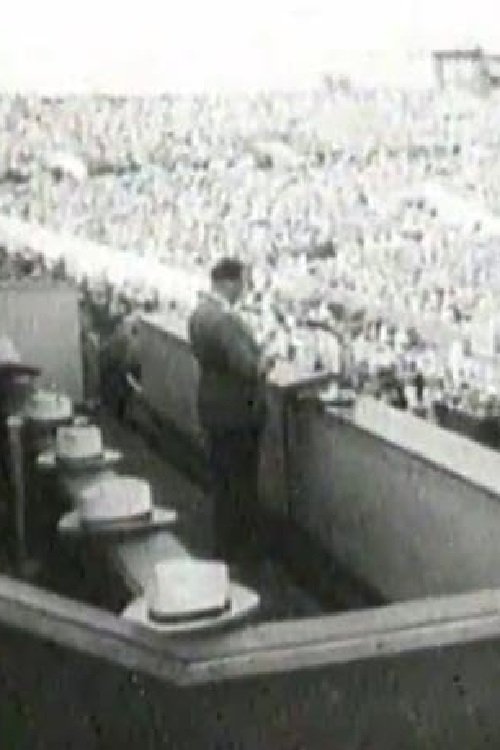
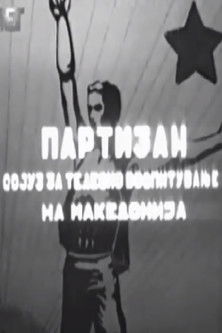
A documentary film showing the members of "Partizan" - a physical education organization - performing exercises as well as welcoming and sending off the Tito Relay.
Film reportage about the visit of emigrants from Yugoslavia to the old village and the celebration of Emigrants' Week in Macedonia.