Armas Fredman
Camera
Known For
Medical student Antti Ahonen, who is fighting tuberculosis, finds himself in the middle of a love triangle with his friend Heikki Huhtamäki and his crush Helmi Hirvinen.
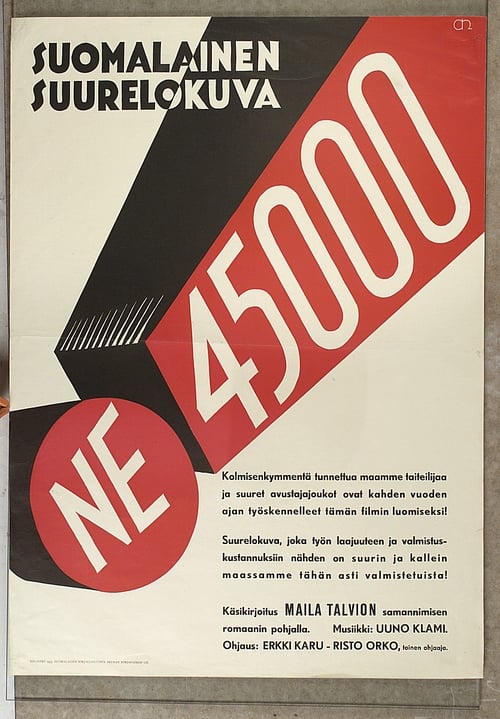
Ne 45000

The Drakenhjelm family has lived in the Rautakylä manor for over 150 years. The current master of the house, elderly baron Magnus, has been living for a long time in an unregistered relationship with his housekeeper Lisette, with whom he also has a son, Sebastian. After the baron falls gravely ill Lisette starts getting worried about losing everything, so with Sebastian on her side she demands the baron to write a letter to the pastor and ask him to come over to perform a wedding ceremony. Right after Sebastian has left to fetch the pastor, a threesome seeking shelter from the storm comes to the manor and wreaks havoc on the marriage plans.
Rautakylän vanha parooni
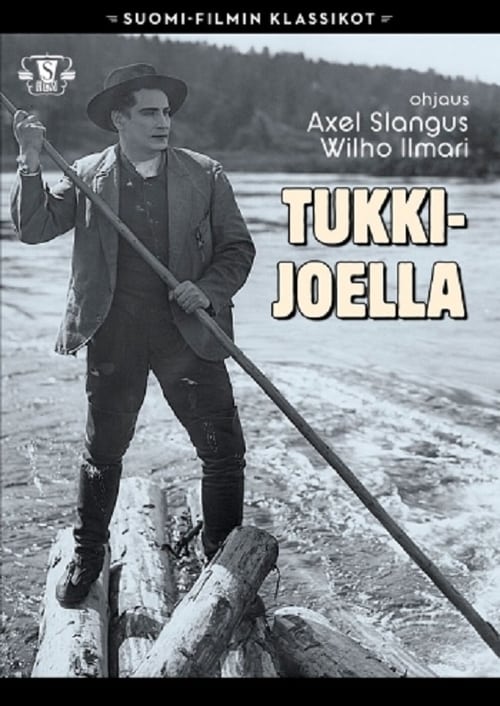
“Tukkijoella” (Log River – 1928). Films of this genre gave the Finnish cinema and the viewing public one of its most popular characters – the lumberjack (tukkijatka, tukkipoika, tukkilainen) who at his most heroic hour becomes the log-roller or the shooter of rapids (koskenlaskija). The significance of this character in Finnish film is comparable to that of the Cowboy on American cinema. He is the pioneer, the wanderer, the adventurer. He negotiates the frontier, he is an embodiment of the conflict between wilderness and civilization.
Tukkijoella
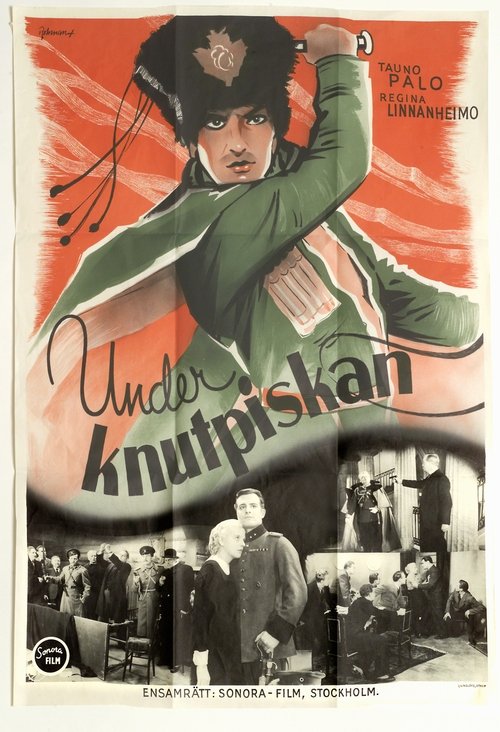
February Manifesto was Yrjö Norta's and Toivo Särkkä's Finnish movie from 1939. It is a Finnish historical drama about developing independency based on book of the writer Mika Waltari. Movie Starring Tauno Palo and Regina Linnanheimo. For it's anti-soviet thematics it was banned in Finland from 1944 to 1987.
Helmikuun manifesti
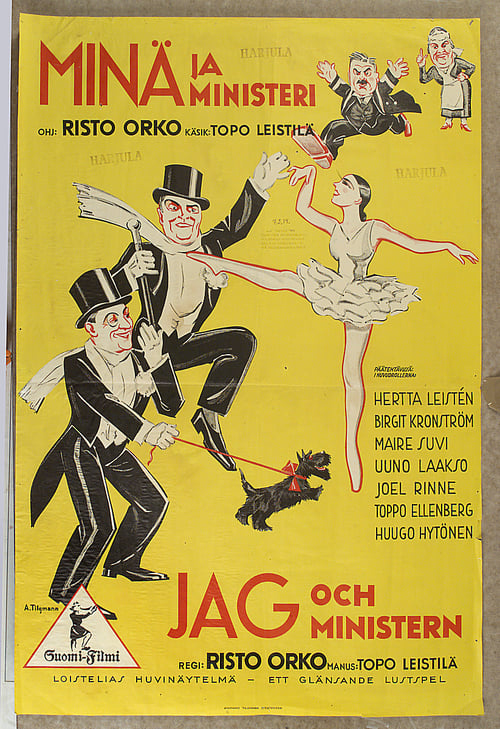
The rambunctious Priscilla Paukkaja breaks into the home of Foreign Ministry official Raimo Vehar and his girlfriend Marja and appoints herself the couple's new housekeeper. Tomera Priscilla controls both the finances of the Veharites and the foreign minister Hirvimaan himself.
Minä ja ministeri
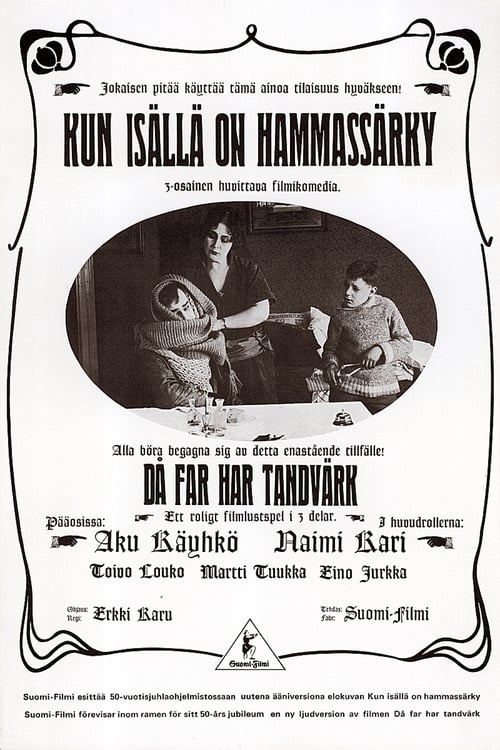
A man who has little compassion for his friend's and wife's toothache, soon learns how bad it can be when he gets one of his own.
When Father Has Toothache
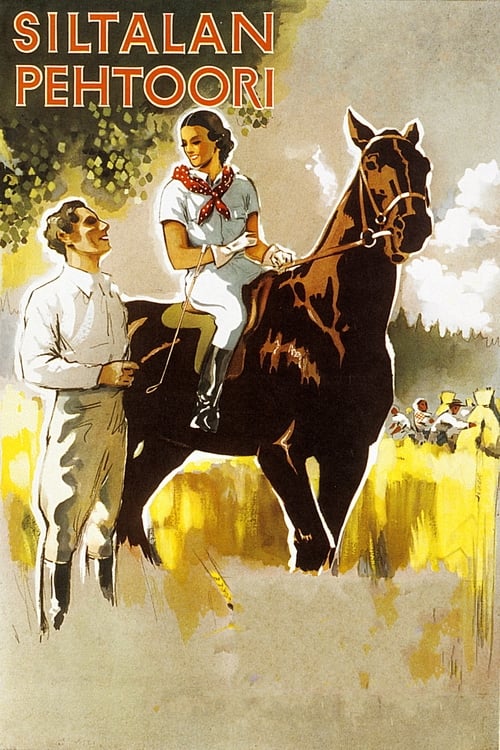
A new steward, agronomist Paul, arrives at the Siltala estate. The self-assured steward causes tension among the gentry, especially among the estate's owner, Captain Lilli's widow. The flamboyant Lieutenant Hugo courts the owner of Siltala, but Lilli and Paul find common ground.
Siltalan pehtoori
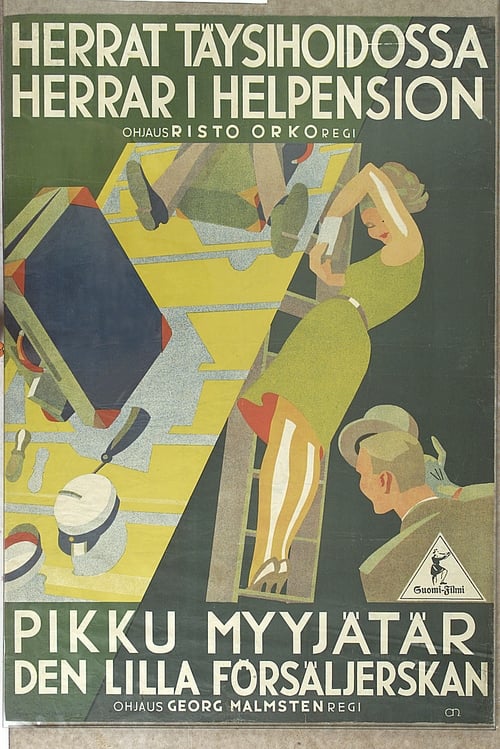
Poor high school students Toivo Päiviö and Unto Uramo solve their housing problems by enrolling in Sofia Andersson's boarding school. Toivo falls in love with Mrs. Andersson's deceased husband's niece, Aune, and begins to compete for her attention with opera singer Reino "Toreadoor" Kiljunen.
Herrat täysihoidossa
The heavily indebted baron Henrik von Hagen, who loves women and partying, learns that his former lover, Russian ballerina Madame Vera Vasiljevna, will be visiting Finland. They are reunited and sparks fly. But Vasiljevna's new hobby casts a shadow over their romance.
Korkein voitto
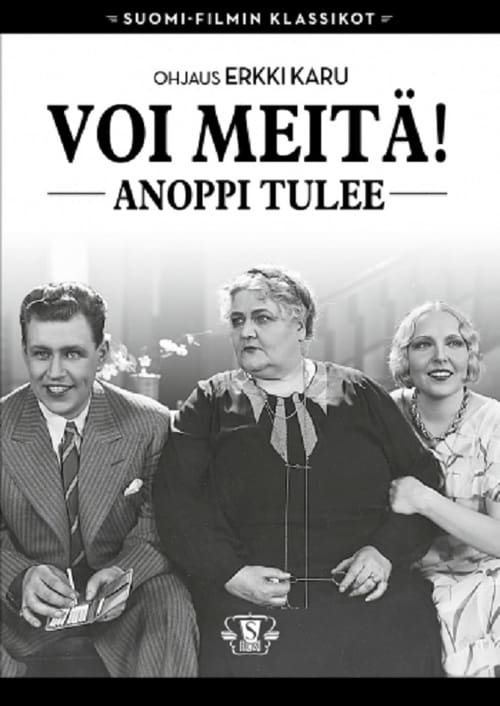
Young married couple, Martti and Ulla, are spending a carefree weekend at their Rauhanlehto villa. Their peace is disrupted when the in-laws and Ulla's sister Alli, come to visit.
Voi meitä! Anoppi tulee
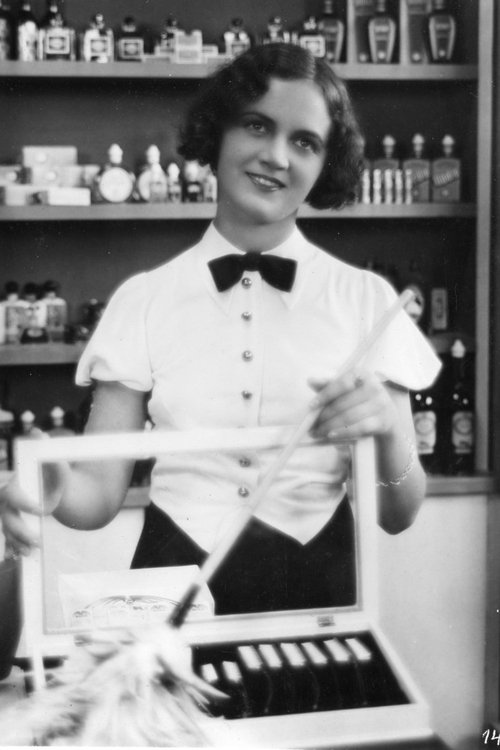
The Little Saleswoman (1933) is a musical short comedy directed by Georg Malmstén, commissioned by Havin Osakeyhtiö and advertising the company's products. Laundry day is coming up for the Keinänen family. Kalle (Kaarlo Angerkoski), a music student living as a subtenant in the family, stops by the herbalist's shop and falls head over heels in love with the beautiful saleswoman (Martta Kontula). Only a 17-minute excerpt of the film has survived.
Pikku myyjätär
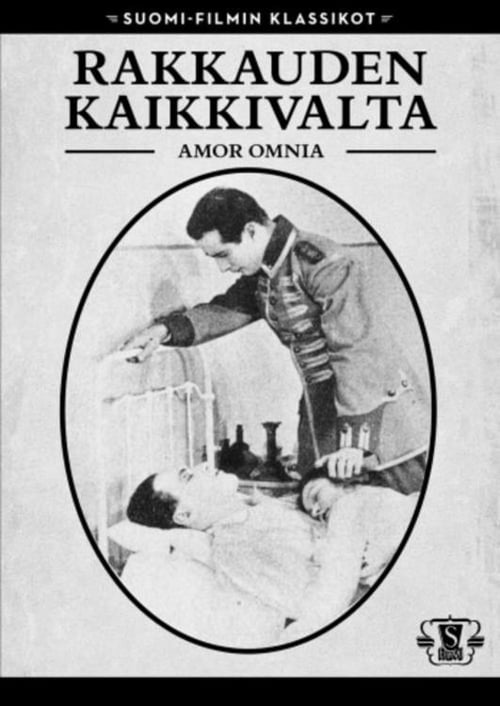
Örn, an aging countess, finds herself reminiscing about the tragic fate of the young lovers Carl-Johan Örn and Margareta by the family tombs.
Rakkauden kaikkivalta – Amor omnia
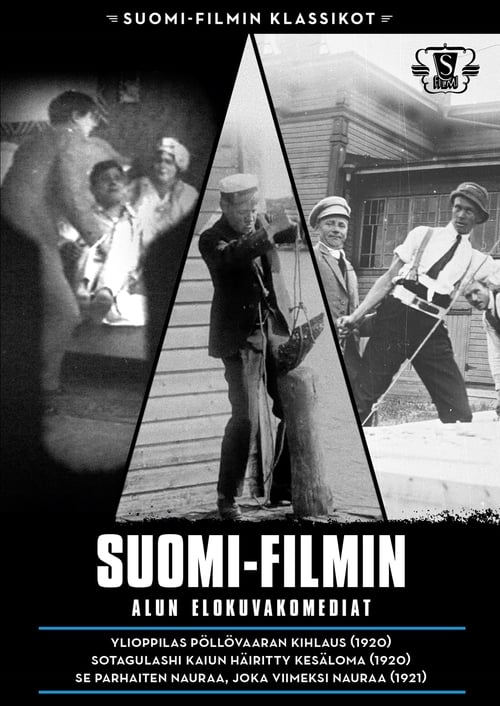
Martti Vaara, secondary school graduate gets monetary help from his rich uncle under the pretense to get married and have kids. When the uncle unexpectedly arrives to look at the little one, Martti persuades his friends to get involved on the hoax.
Se parhaiten nauraa, joka viimeksi nauraa

Eetu, a wealthy homeowner, attempts to seduce Leena Kosken. But when austere log boy Erkki meets her at midsummer dances, Leena falls in love with him instead. Jealous, Eetu turns the men of the village against Erkki and the Tukki people.
Tukkipojan morsian
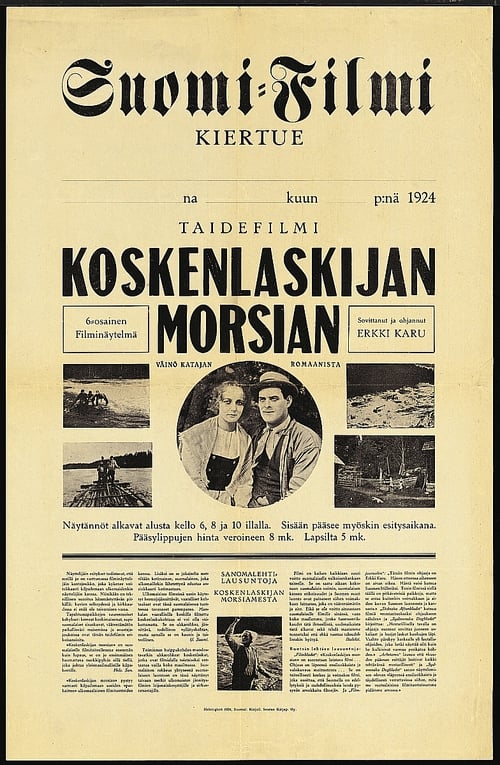
In the small village of Nuottaniemi live Iisakki and his daughter Hanna. Iisakki bears a grudge against Heikki, blaming him for the death of his son in a timber rafting accident. To make things worse, Heikki's son Juhani wants to marry Hanna but she only has eyes for the lumberjack Antti.
Koskenlaskijan morsian
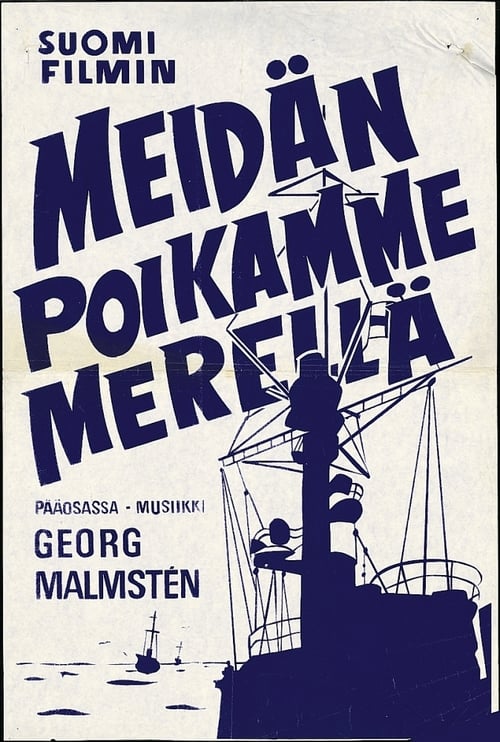
After naval sergeant Pekka Kuusisto runs into his old crush, nurse Leila, she stays on his mind as he embarks on a submarine combat exercise.
Meidän poikamme merellä
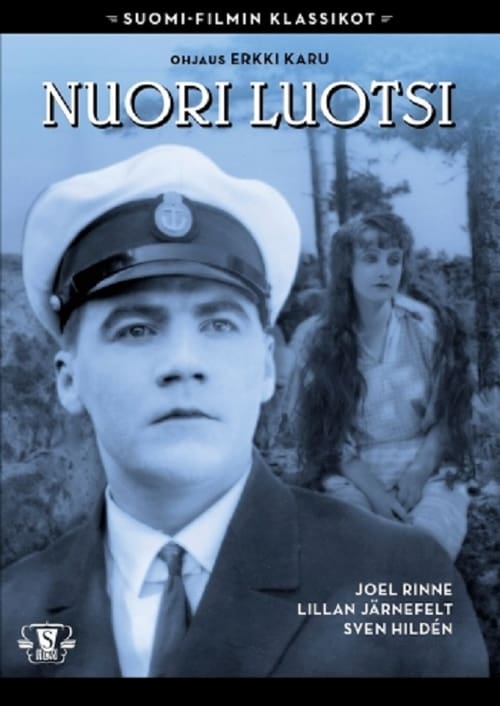
Eero Luotola is a pilot operating in Kalliosaari, whose crush is Annikki, who lives in the same village. They have known each other since childhood and have promised to get married at some point.
Nuori luotsi
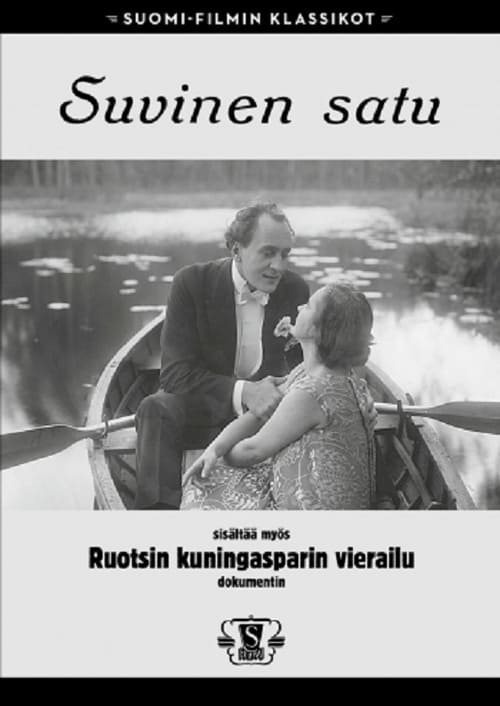
The main characters are the artist Bertel von Bjelke and Hilkka Kanno the adopted daughter of the town councilor. Bertel is in love with Hilka, who, however, behaves badly with the artist. This does not prevent the artist from asking for the girl's hand from the town councilor Kanno, who accepts his friend's request. Kanto stresses, however, that the final decision is up to his daughter.
Suvinen satu
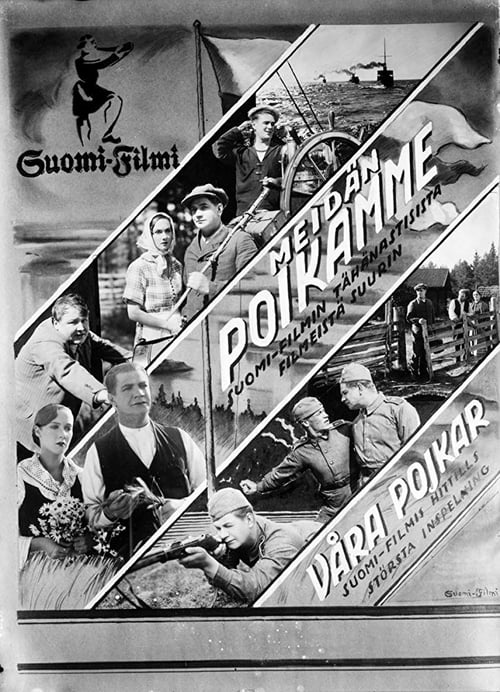
Silent military propaganda film by Erkki Karu, later followed by the musical revue film Meidän poikamme merellä ("Our Boys at Sea", 1933) and Meidän poikamme ilmassa – me maassa ("Our Boys in the Air – and We on Land", 1934), both of them also directed by Karu. The film comes with a orchestral accompaniment arranged by Raine Ampuja in 2005, based on the original score by Lauri Näre and Emil Kauppi, which in turn was based on traditional Finnish military tunes.
Meidän poikamme
Engineering student Petteri and retired captain Jere Renkonen arrive in Terijoki as guests of architect Matti Marras at the villa he has rented. In the midst of everything, the owner of the villa, Russian émigré prince Asatiánts, arrives with his niece Darja. Petteri eavesdrops and learns that the prince is expecting a "man from Marseille" at the villa. This man is supposed to take a secret document hidden in a large cabinet in the hall across the border to Moscow, containing information about the hiding place of the prince's family jewels.