Camera
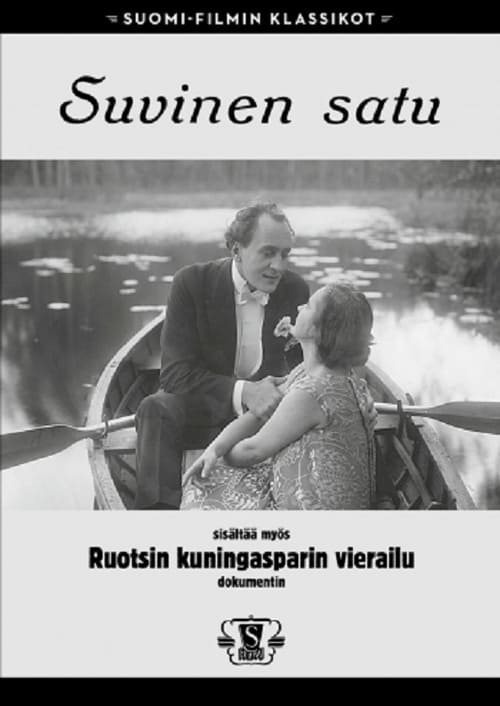
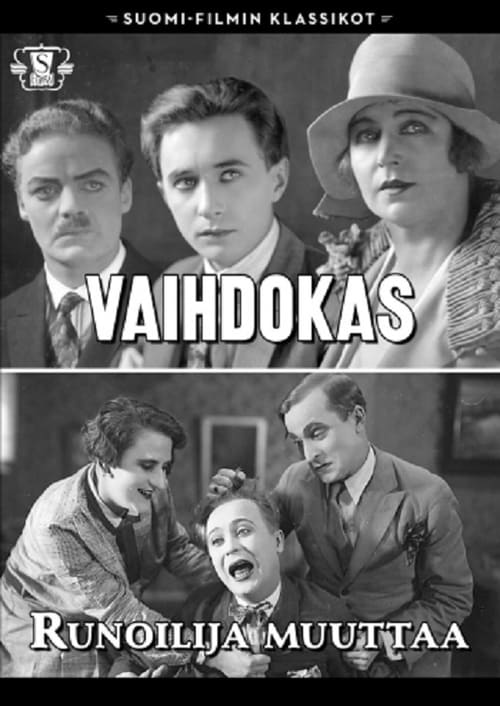
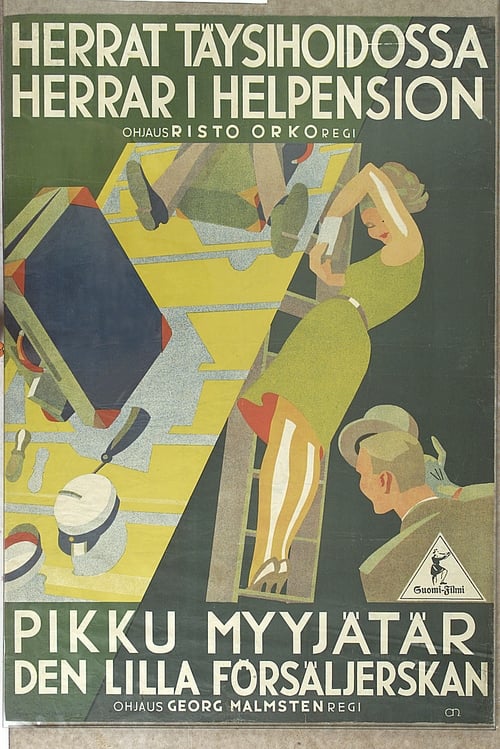
Poor high school students Toivo Päiviö and Unto Uramo solve their housing problems by enrolling in Sofia Andersson's boarding school. Toivo falls in love with Mrs. Andersson's deceased husband's niece, Aune, and begins to compete for her attention with opera singer Reino "Toreadoor" Kiljunen.
The heavily indebted baron Henrik von Hagen, who loves women and partying, learns that his former lover, Russian ballerina Madame Vera Vasiljevna, will be visiting Finland. They are reunited and sparks fly. But Vasiljevna's new hobby casts a shadow over their romance.
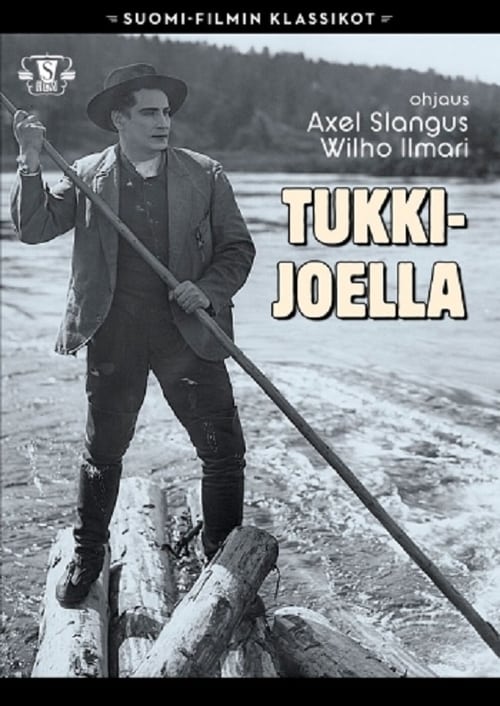
“Tukkijoella” (Log River – 1928). Films of this genre gave the Finnish cinema and the viewing public one of its most popular characters – the lumberjack (tukkijatka, tukkipoika, tukkilainen) who at his most heroic hour becomes the log-roller or the shooter of rapids (koskenlaskija). The significance of this character in Finnish film is comparable to that of the Cowboy on American cinema. He is the pioneer, the wanderer, the adventurer. He negotiates the frontier, he is an embodiment of the conflict between wilderness and civilization.
Esko makes a bet that he will marry the first young woman he encounters. This turns out to be Kirsti, who promptly turns down the proposals. But when she finds about the bet, she agrees to marry him in order to get her revenge.
Rural comedy of the intrigues and stratagems involving a country wedding. From a comedy by Alexis Kivi.
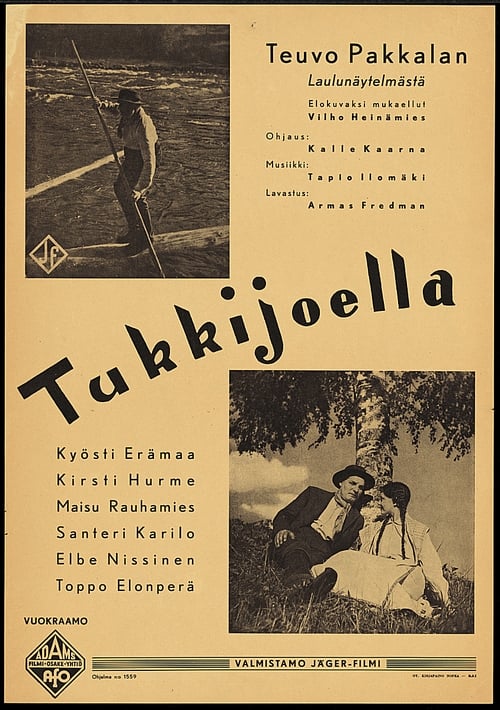
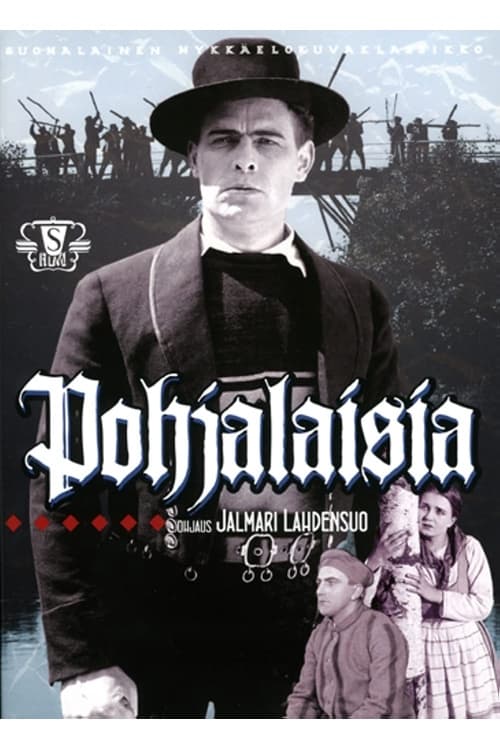
Second adaptation of Teuvo Pakkala's popular play about Finnish lumberjacks.
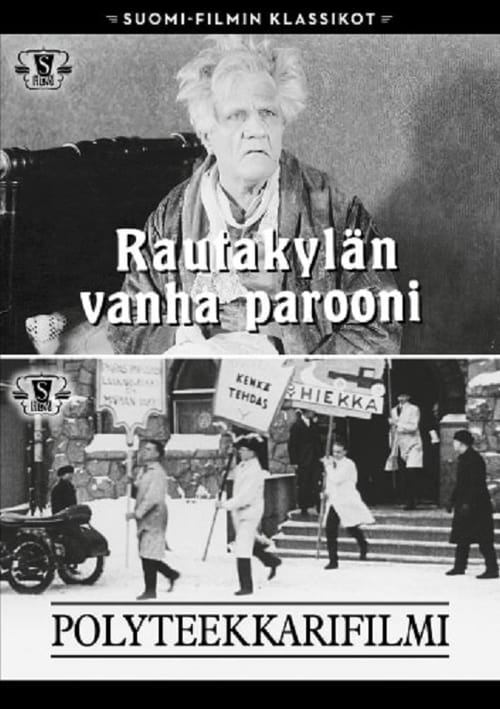
Polyteekkarifilmi (Polytekarfilmen) is a Finnish silent documentary film dating from 1924. The subtitle of the documentary is "The story of sport, polytheists and the gods of Olympia". The film aimed to raise travel funds for Finnish athletes traveling to the Paris Olympics.
When the general manager of the factory, Lumiala returns from his travels, he learns that his wife Anna has hired a young man named Oras as an office assistant. Anna, who feels Oras is the fruit of his youthful sin, is ready to defend the boy despite his family's petitions and Ora's crimes. Ora's girlfriend Pansy also tries to keep him on the right track.
Martti Vaara, secondary school graduate gets monetary help from his rich uncle under the pretense to get married and have kids. When the uncle unexpectedly arrives to look at the little one, Martti persuades his friends to get involved on the hoax.
Without knowing about each other, bachelors Salomon, Arvi, and Martti each hire a domestic helper for their shared apartment. The job goes to the energetic professional Manta and the modern young women Helvi and Aili, who are looking for a position to prove their point about the issue of domestic service.
Anna-Liisa carries a secret. Three years ago she killed the baby she had with Mikko, the old hired hand of Kortesuo. Now she's marrying Johannes, when suddenly Mikko comes back.
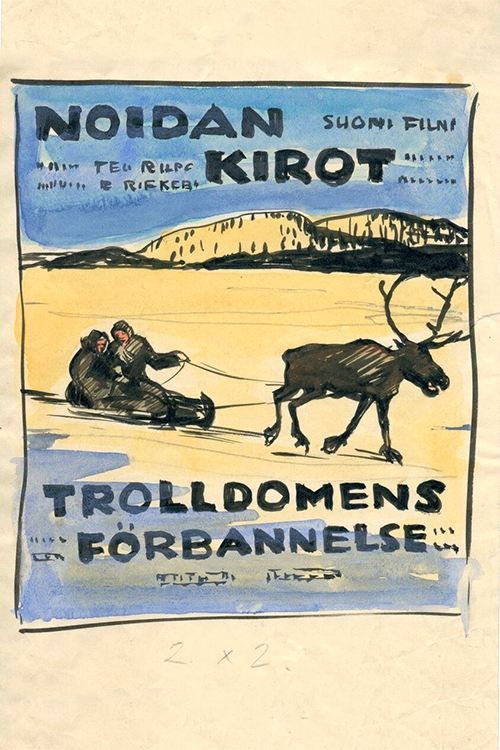
A couple move to an isolated house where – according to local legend – an ancient curse is rumoured to assail its inhabitants. Based on the novel by Väino Kataja (1914).
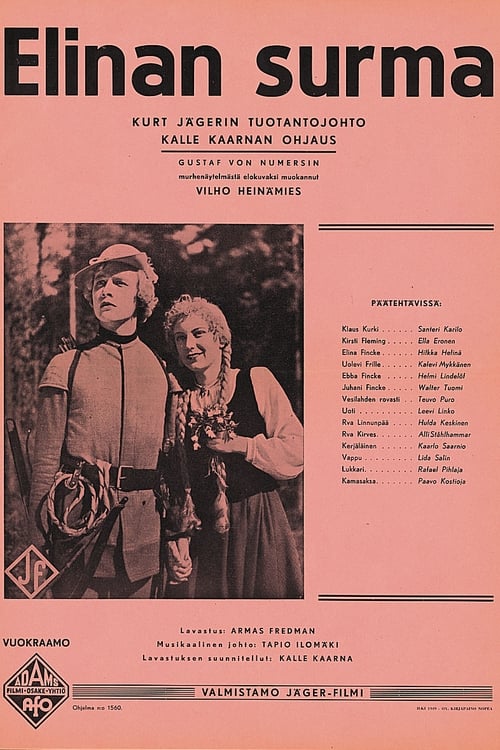
Young and innocent maid Elina is persuaded into forgetting her childhood sweetheart Uolevi, and to marry Klaus Kurki, a local nobleman with money and influence. An ideal match according to her family and the greedy parish priest, but all is not as it seems: Kurki is a vicious man, tormented by the spirit of his last wife.
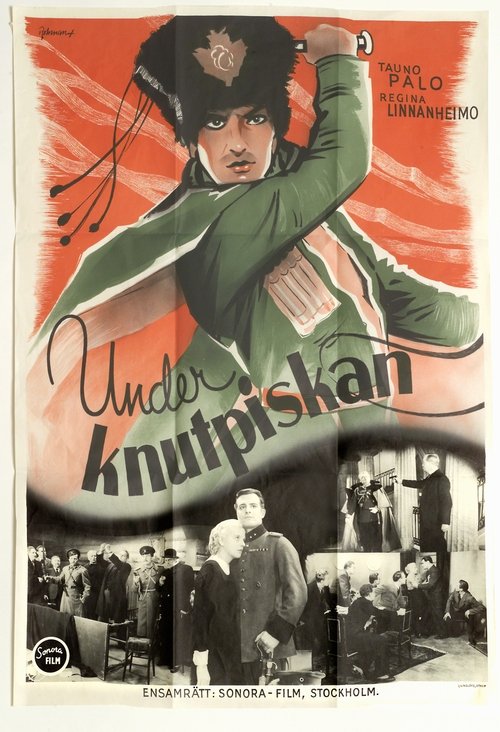
February Manifesto was Yrjö Norta's and Toivo Särkkä's Finnish movie from 1939. It is a Finnish historical drama about developing independency based on book of the writer Mika Waltari. Movie Starring Tauno Palo and Regina Linnanheimo. For it's anti-soviet thematics it was banned in Finland from 1944 to 1987.
Young married couple, Martti and Ulla, are spending a carefree weekend at their Rauhanlehto villa. Their peace is disrupted when the in-laws and Ulla's sister Alli, come to visit.
The main characters are the artist Bertel von Bjelke and Hilkka Kanno the adopted daughter of the town councilor. Bertel is in love with Hilka, who, however, behaves badly with the artist. This does not prevent the artist from asking for the girl's hand from the town councilor Kanno, who accepts his friend's request. Kanto stresses, however, that the final decision is up to his daughter.
Ă–rn, an aging countess, finds herself reminiscing about the tragic fate of the young lovers Carl-Johan Ă–rn and Margareta by the family tombs.
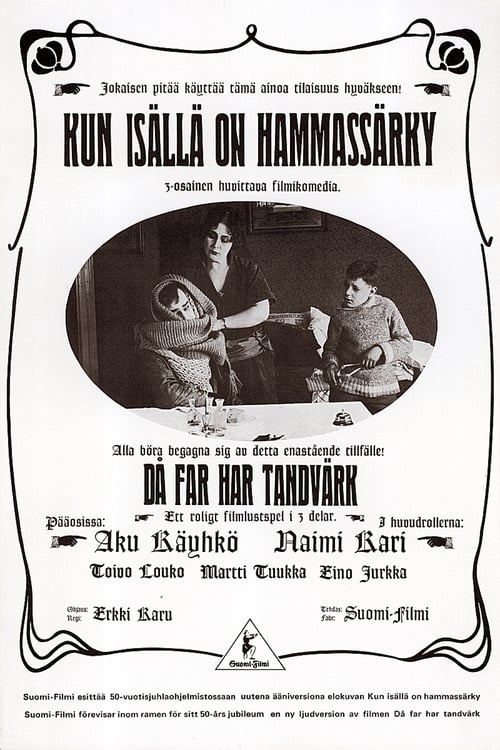
A man who has little compassion for his friend's and wife's toothache, soon learns how bad it can be when he gets one of his own.
Eero Luotola is a pilot operating in Kalliosaari, whose crush is Annikki, who lives in the same village. They have known each other since childhood and have promised to get married at some point.
Silent military propaganda film by Erkki Karu, later followed by the musical revue film Meidän poikamme merellä ("Our Boys at Sea", 1933) and Meidän poikamme ilmassa – me maassa ("Our Boys in the Air – and We on Land", 1934), both of them also directed by Karu. The film comes with a orchestral accompaniment arranged by Raine Ampuja in 2005, based on the original score by Lauri Näre and Emil Kauppi, which in turn was based on traditional Finnish military tunes.