Shinichi Uchida
Acting
Biography
Shinichi Uchida is a Japanese actor known for his roles in films like Lady Snowblood (1973) and Emergency Call Ten-Four Ten-Four (1972). He also had a credited role as Shirô Kashima in Lady Snowblood and as Iwata Tatsuo in the 1986 TV series Inochi.
Known For
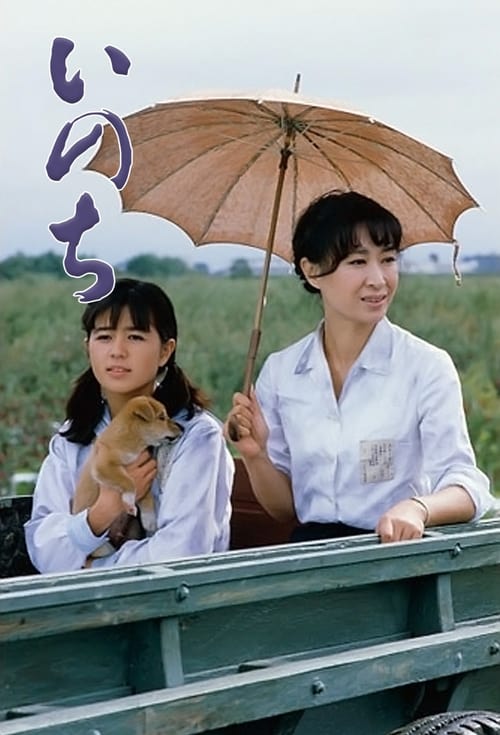
The drama begins in August 1945, three days after the end of the Pacific war. A freight train completely jam-packed with passengers heads for Aomori from devastated Tokyo. On the train is Takahara Miki and her sister Sachi. Miki and Sachi are the daughters of a wealthy landlord living in a village in the Tsugaru area in Aomori prefecture, but they have been living in Tokyo since before the war to attend school. After seeing her village does not have a doctor, Miki is determined to become a rural doctor.
Inochi
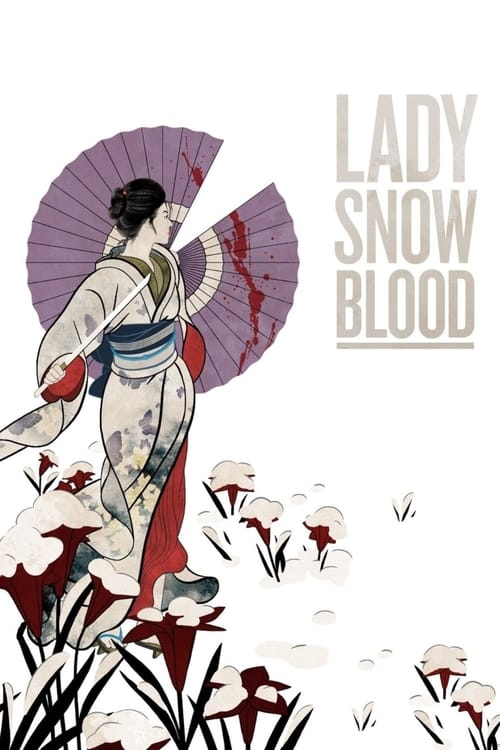
Yuki's family is nearly wiped out before she is born due to the machinations of a band of criminals. These criminals kidnap and brutalize her mother but leave her alive. Later her mother ends up in prison with only revenge to keep her alive. She creates an instrument for this revenge by purposefully getting pregnant. Yuki never knows the love of a family but only killing and revenge.
Lady Snowblood
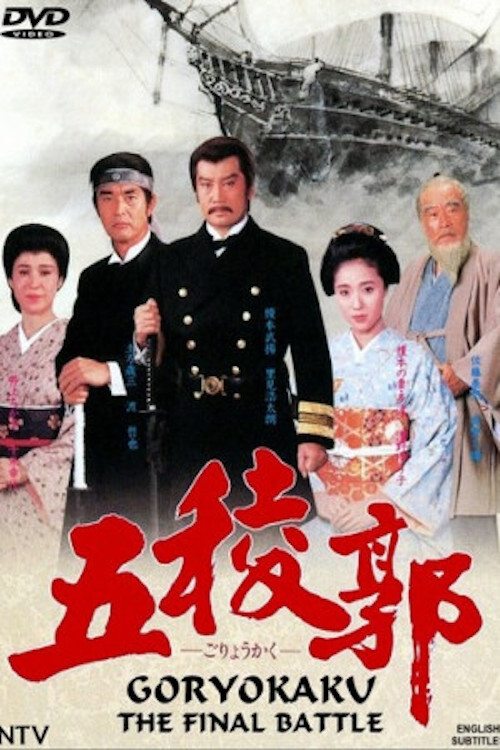
After the fall of the Tokugawa Shogunate, there was a series of battles fought while the former supporters of the Tokugawa shogunate retreated to the north where they actually started a sovereign nation that was recognized by more than one European country. Survivors of the Shinsengumi were among the followers of Enomoto Takeaki who took them to the northernmost island of Ezo where they fought their final battle at the star shaped fort, Goryokaku. The Japanese Civil Wars fought in the name of the emperor signaled the complete end of the feudal system and Japan’s entry into the modern world as those brave samurai tried to halt progress and learned that the age of modern warfare and weaponry had passed them by. Swords were no match for rifles and cannons, nor was any man a match for the power of the imperial flag. Japanese loyalty to the emperor has long defined the nation and culture despite the changing times.