Acting
Young sailor Edmond Dantès is wrongfully imprisoned, escapes, finds treasure, and reinvents himself as the wealthy Count of Monte Cristo to exact revenge on those who betrayed him.
No description available.
The secret smuggling of Wanted persons from the westcoast of Norway over to England during the WWII, based upon the novel by Nowegian novelist Sigurd Evensmo, telling the true story about his own experiences during the war.
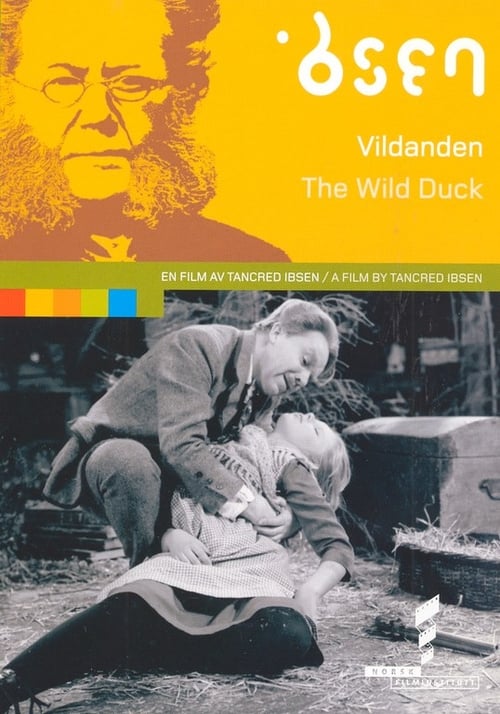
The play opens in the study at Hakon Werle's house during a dinner party for the return of Werle's son, Gregers, from the Hoidal mines. Gregers has not come home for fifteen years. Old Ekdal appears before two servants, begging to be let into the office. Ekdal was an army officer and partner to Werle until a forestry scandal sent him to prison over some scandal. He now works as one of Werle's copyists.
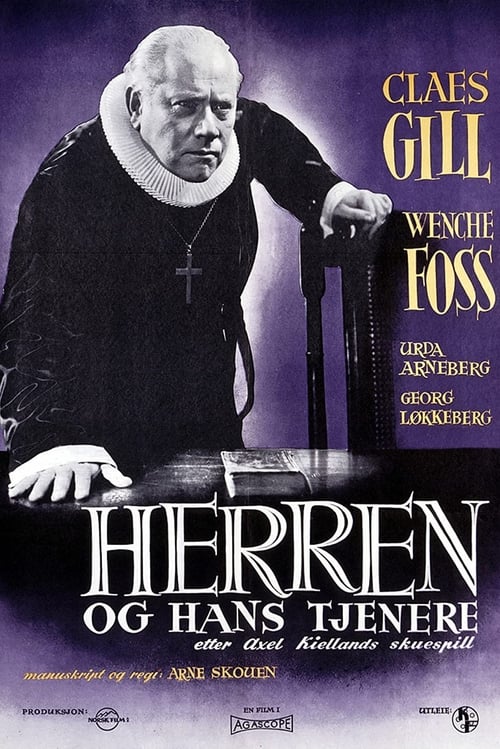
While Sigurd Helmer is being dressed in his bishop's robes, the fanatical Tornkvist arrives at the ordination and watches from the background. Even before the ordination is over, he goes to the police. He has evidence that Helmer has stolen the office with the help of anonymous letters that slandered Tornkvist in the battle for the bishop's crozier. At the banquet in the bishop's residence, Tornkvist drops the accusation like a bomb. At the same time, he announces his engagement to Helmer's daughter, and the banquet table dissolves into complete confusion. Only Helmer's wife stands firm in her belief in his innocence. Helmer is then brought to trial, accused by Tornkvist. Based on Axel Kielland's play from 1955.
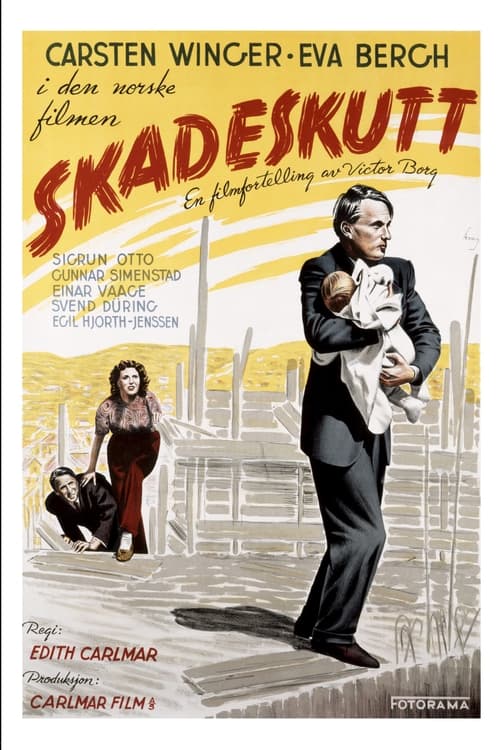
In "Skadeskutt" we follow the couple Einar and Else Wang in a painful drama about love, happiness, sorrow and eternal damnation. About a couple's struggle trying to get pregnant and the despair of not succeeding. About psychological disorders and the society's insane judging of people with such problems. A nationwide press was impressed with "Skadeskutt". The director Edith Carlmar, one of the first female directors in Norway, was compared with Hitchcock for her work. For actor Carsten Winger, his portrayal of the character in the movie was considered a victory and a big achievement. "A sure success", "Impressive" and "A victory for Norwegian Films" are some lines from the critics. "Skadeskutt" is one of the breakthroughs within Norwegian film making.
The young wife of an upper-class academic disappears while her husband is on holiday. In his search for her, the husband learns that there was much he did not know both about her past and about their relationship.
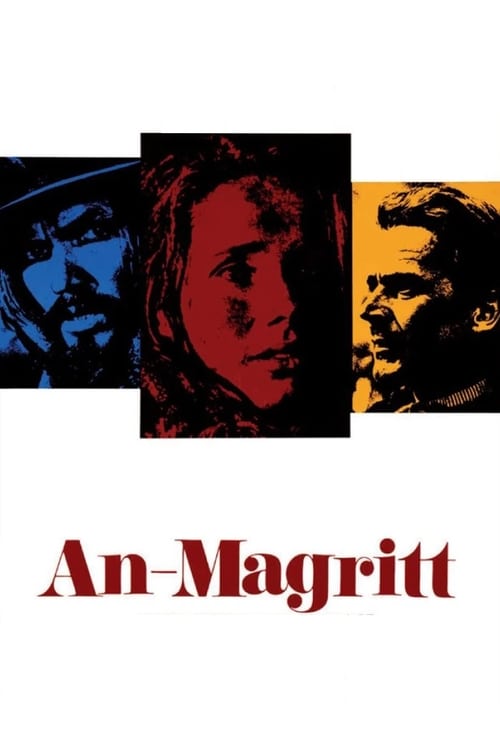
In Norway in the 1600s, An-Magritt is born as the result of a rape.
Ludvina is considered a woman of loose morals in her small home town. When she becomes pregnant, she decides to raise the child without the help of a man.
Trysil-Knut is a Norwegian film from 1942. Directed by veteran Rasmus Breistein and is a ski themed melodrama about the legendary skier Trysil-Knut from Trysil. He is a powerful patriot, who in the early 1800s prevent that a war breaks out between Norway and Sweden using his skiing skills. While that goes on Knut is also preparing a court case of fraud to determine the ownership of his fathers old farm.
An orphan, Josefa, runs away from her threatening uncle with whom she is living, and stows away on traveller Fændrik's boat. She is no better off with him, however, as he forces himself on her and makes her steal and beg for a living. Meanwhile Fændrik's sister, who has been left penniless on shore by her deceitful brother, joins forces with Josefa's fiancé, Oscar, in a search for the missing pair.
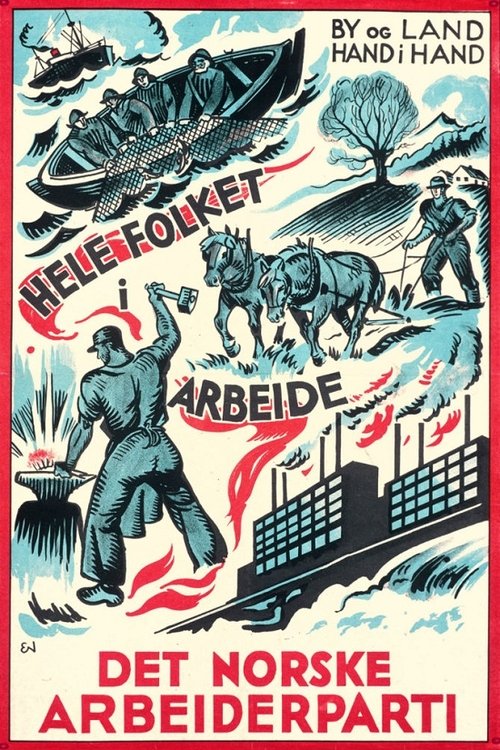
The film is often referred to as a «labor film», because it is one of several film dramas from the 1930s that the Norwegian labor movement supported and which should give the audience an understanding of the labor movement's politics.
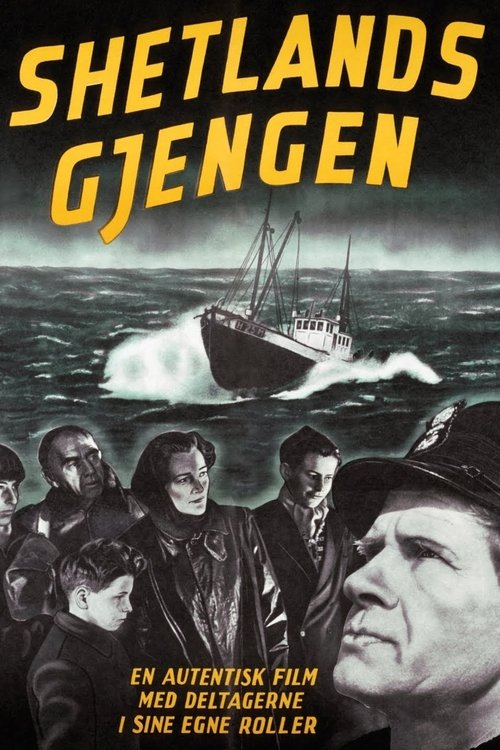
A group of Norwegians cross the North Sea in winter to deliver Allied soldiers and ammunition to their Nazi-occupied country.
A six year old boy runs away from home with the family's big dog, a St. Berhard, who the grown ups wants to put down.
A young violinist dies during a concert being sick with tuberculosis, and his concert conducting father takes the blame and starts to drink. He is cured, but they find he has an illness ruining his conducting. This leads to a tragedy.
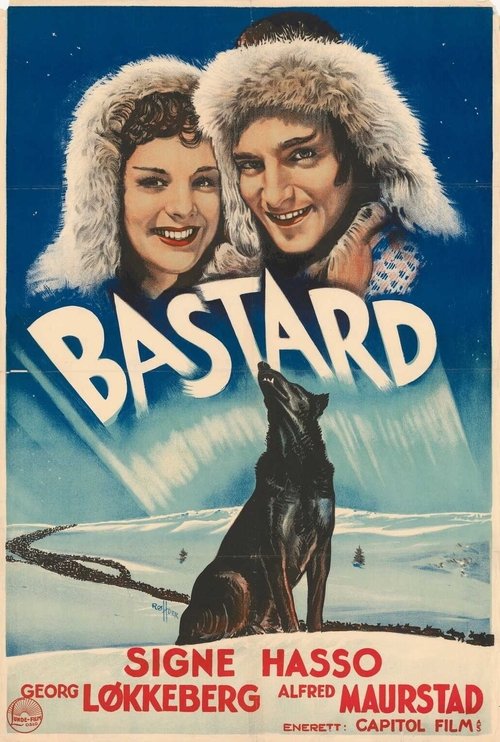
Siberian hunter Burtaj learns from his dying father that he originates from German farmers on his mother side. He is thus a "bastard", since the hunters and peasants have been enemies since ancient times.
Per has won the 50 kilometer in Holmenkollen, but which village is he from, Alvdal or Tynset?
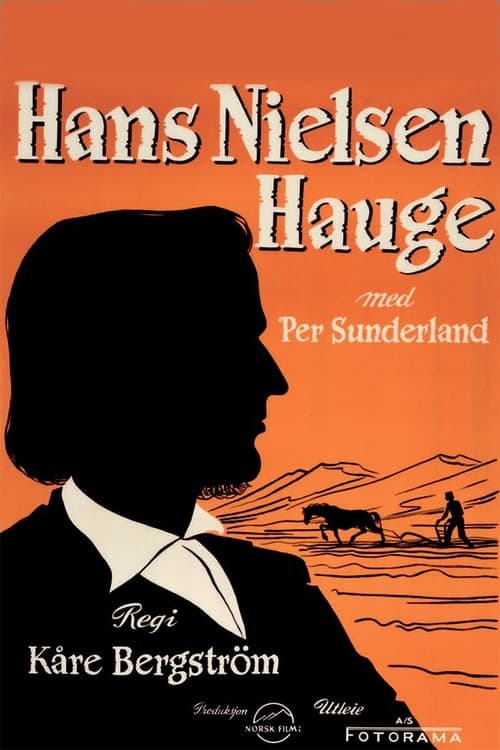
Hans Nielsen Hauge was a Norwegian reformer in the early 1800's both financially and spiritually.
The Whalers (original title: Valfangare) is a filmed record of the final whaling expedition in the Arctic before the outbreak of WW2. Only partly a documentary, the film is able to accommodate a dramatic throughline, concerning the redemption of wastrelly millionaire's son Allan Blom (Allan Bohlin). Pressed into service on the expedition, Allan shows he's a true son of Scandanavia through his courageous actions on the high seas, and even wins the hand of heroine Sonja (Tutta Rolf) in the bargain. While the whaling scenes are both exciting and exhillarating, the sequence in which a whale carcass is stripped and gutted may not appeal to everyone in the audience. Originally filmed in 1939 in Swedish and Norwegian, The Whalers was helpfully fitted out with English subtitles for its 1942 American run.
The Conservative party's election film for 1936. It showcased, among other things, how unnecessary the workers' strikes were and how unnecessarily high taxes were.