
Věra Ferbasová
Acting
Known For
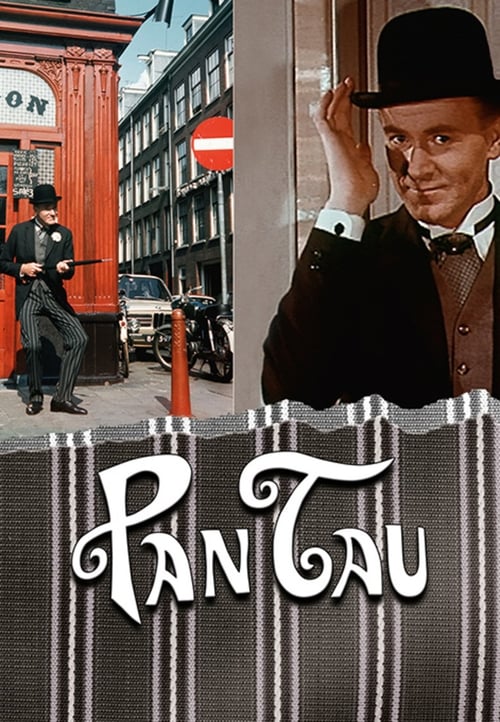
Pan Tau always had a gentle expression and a friendly smile, he was elegantly dressed in a stroller, with an umbrella and a white carnation in the lapel. Foremost, he was famous for his magic bowler hat. By tapping on his hat, Pan Tau was able to change his appearance into a puppet, to conjure up miscellaneous objects or to do other magic. His most characteristically behavior is that he would help children who were experiencing some sort of difficulties in-between their dreams and reality, like finding a place for skiing, settling family problems on Christmas, and even give a boy a good time at a fair when he is supposed to have piano lessons. To adults, he usually remained invisible.
Pan Tau
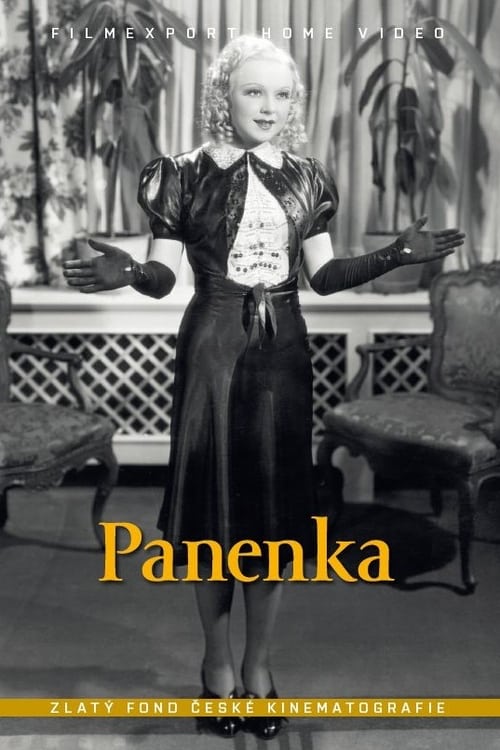
Věra accepts the offer of her friend Kajetán, who arranges a position for her in Dominik's puppet factory. The spirited girl impresses her employer, Antonín Dominik, so much that he falls in love with her. Dominik's mother notices her son's interest in Věra and immediately fires her. Kajetán, who works in the studio of sculptor Výr, who is engaged in the production of mechanical puppets that can be used to advertise goods, asks Věra for help...
Panenka
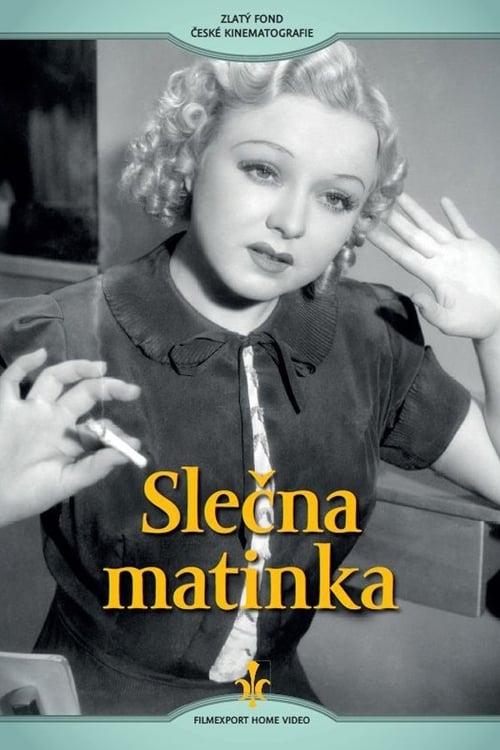
The owner of a fashion factory, Rafael Klučina, is desperately looking for an imaginative advertising campaign that would attract the public and raise the profile of his business. However, the head of his advertising department, Filip Muška, seems unable to come up with one. In the end, they are helped by the model Boženka Smolíková and her talent for perfect disguises and masks. The unusual advertising campaign involves Boženka traveling around the country for fourteen days in model clothes, and whoever recognizes her will win a prize of fifty thousand crowns...
Slečna matinka
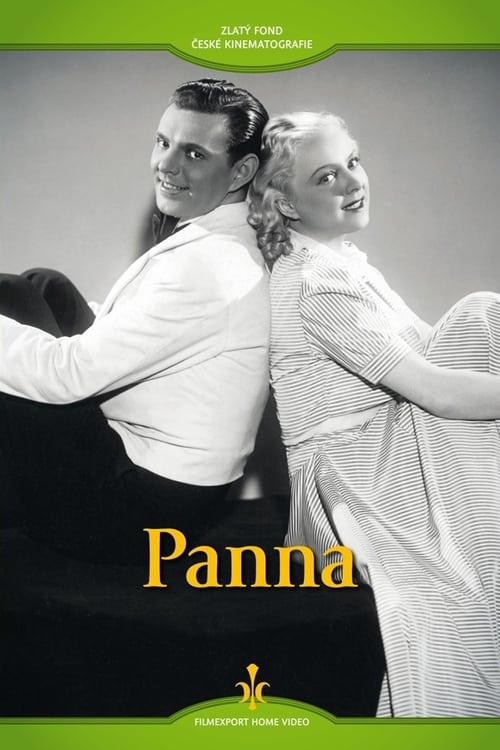
Mrs. Piskořová, co-owner of a debt-ridden boarding house, forces her daughter Klára to marry a wealthy elderly architect, Kacík, who has recently separated from his wife. However, Klára is in love with the waiter Prokop, who she does not know is actually a mining engineer. No one suspects that Klára's land, considered worthless, contains a coal deposit...
Panna
No description available.
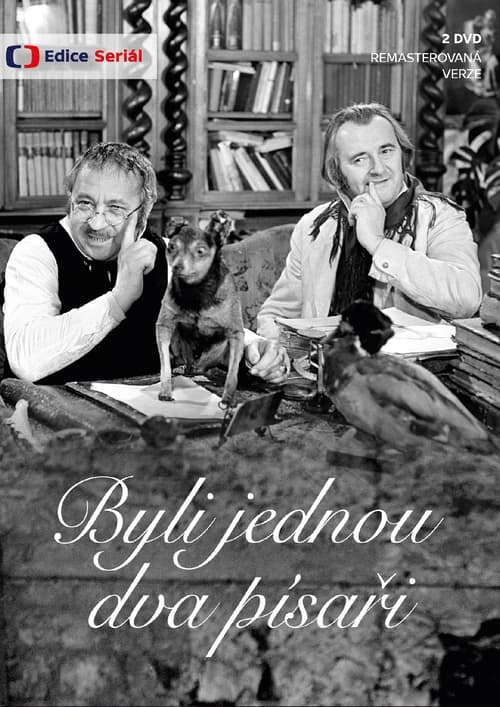
Byli jednou dva písaři...
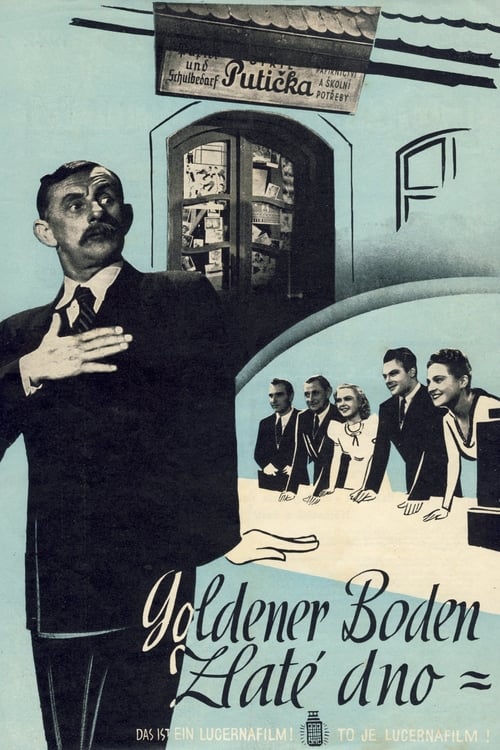
A village shop owner is convinced by his children to move to Prague, where they say he'll be able to enjoy a fine retirement in a modern furnished apartment. Bored by life in Prague with nothing to do, the old man takes to helping a young widow in her stationery shop.
Skill of Gold
No description available.
První políbení
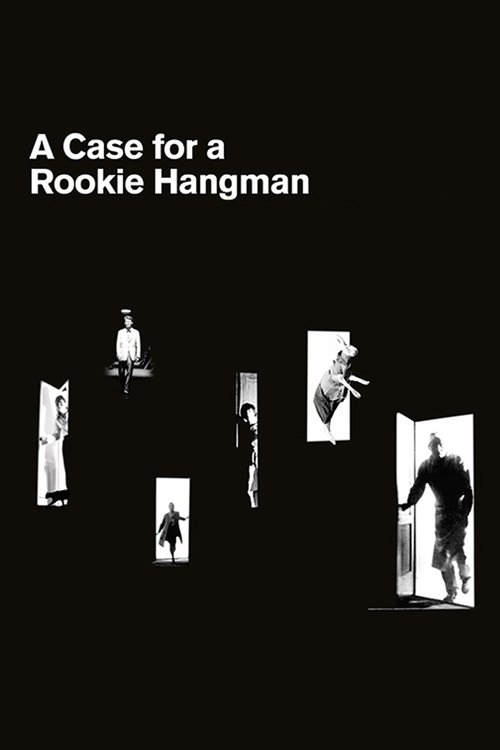
Lemuel Gulliver has had a car accident and continues his journey across the unknown countryside on foot. On the road he finds a dead rabbit dressed like a man and takes a watch from its waistcoat breast pocket. The half-ruined house that he enters reminds Lemuel of his childhood and brings up a painful memory of a dearly loved girl Markéta who was drowned years ago. Gulliver finds himself in Balnibarbi, a country where he doesn't understand the laws and habits and so continually offends against public decency. It is a day when people are ordered to keep their mouths shut and they force their visitor to follow suit. He faces harsh interrogation and finds it difficult to explain that he is not the rabbit Oscar whose watch has been found in his possession.
A Case for a Rookie Hangman
No description available.
Žena pod křížem
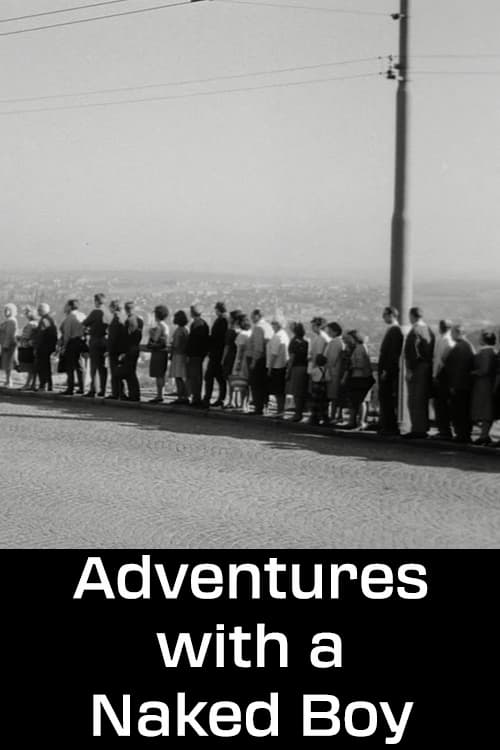
A man boards on a tram together with a naked boy. Somebody has stolen the boy's clothes when he was out bathing, leaving him with not even change for the tram. The man has taken care of him and is taking him home. At first nobody notices them but as soon as the people realize they are seeing something out of the ordinary they begin to react to the situation. Some are content with the simple explanation as to why the boy is naked. Others are agitated, for they see the whole situation as something unseemly. An ordinary incident, which might have been passed over in silence, results in a heated argument that turns into a fight. More and more people join in the fight until the police are forced to intervene.
Adventures with a Naked Boy

The likeable and charming Vanda Karhanová has problems in every job because of her appearance. So when she is about to start a new job, she decides to decisively prevent similar problems. She adjusts and dresses in a way that men do not notice her and do not pay attention to her. She has no idea that she will cause even more problems for herself, and not only because she now bears an uncanny resemblance to the millionaire Czech-American Ruth Baretová, who ran away from home to avoid getting married. First, Vanda is mistakenly arrested and ends up in the police station, so she cannot return to work. At the factory, they suspect her of having disappeared with a large sum of money that they had entrusted to her to deposit in the bank. Then the whole situation is complicated by the arrival of the real Miss Baretová.
Vandiny trampoty
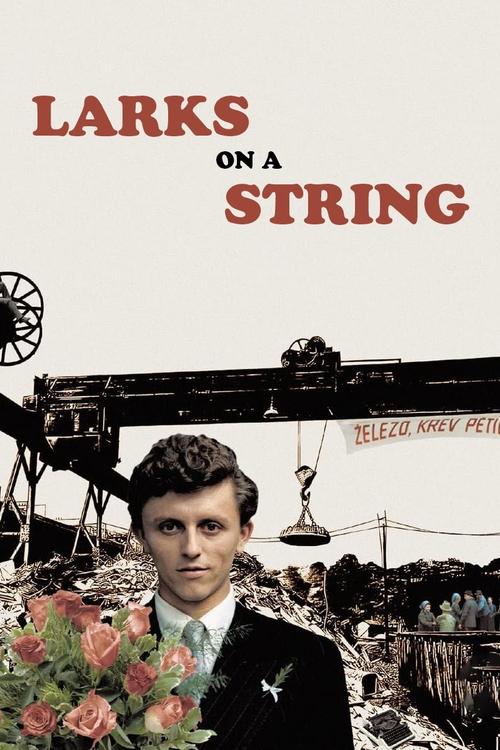
In post-WWII Communist Czechoslovakia, several characters considered bourgeois are sentenced to work in a junkyard for rehabilitation. Among them is a young man who pines for a female convict.
Larks on a String
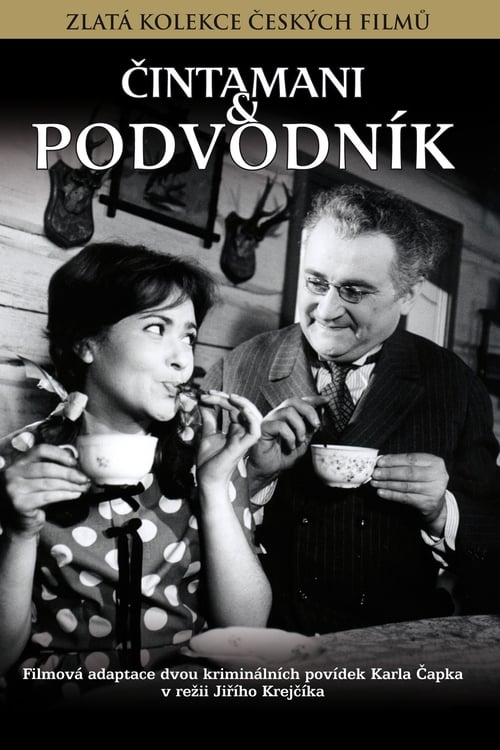
Two short stories by Karel Čintamani a ptáci An avid collector of carpets, MUDr. Vitásek discovers a unique piece in Mrs. Severýnová's junk shop - a Persian carpet with a pattern of birds. As a connoisseur, he knows that there are only three of these carpets in existence and they are all owned by different monarchs. Severyn has no idea how rare it is, but the carpet is not for sale. It was saved by the wealthy widow Zanelli, who travels all over the world and rarely visits Prague. Vitásek confides in his lawyer friend Bimbal and with his help tries to retrieve the rare piece. Tales of a marriage fraudster The police headquarters is on high alert as marriage frauds proliferate. The hallmark of the culprit is violin playing and gold teeth. Inspector Pigeon of the train service eventually apprehends the fraudster, Vincent Plichta. The serious criminal doesn't resist arrest, he just bills the costs and goes to serve his sentence. After a while, marriage fraud is reported again.
Čintamani & podvodník
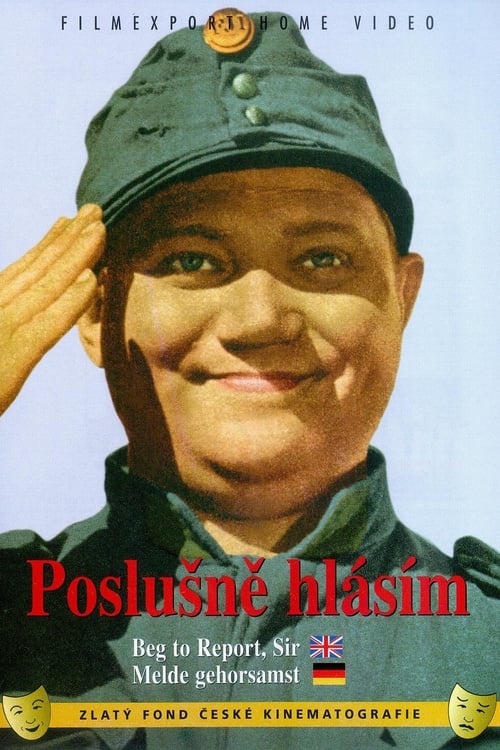
A comedy based on the novel of Jaroslav Hašek's The Good Soldier Svejk happens during the World War I. I Dutifully Report: In the introduction to the second part of the film adaptation of Hašek's novel The Good Soldier Švějk presents his main character Josef Švejk. With the distinctive traditional Czech cartoon character of a soldier Svejk, this time you meet on the way to the front and eventually right in the firing line. You can look at his famous train events, and also probably the most famous episode of the novel, Švejk's Budějovice anabasis. Don't miss the scene with the secretly bought cognac, the episode with Svejk as a fake Russian prisoner of war, including the court scene, and the scene in which lieutenant Dub is caught in a brothel. Despite the criticism, Steklý's adaptation is undoubtedly the most famous and memorable at present.
I Dutifully Report
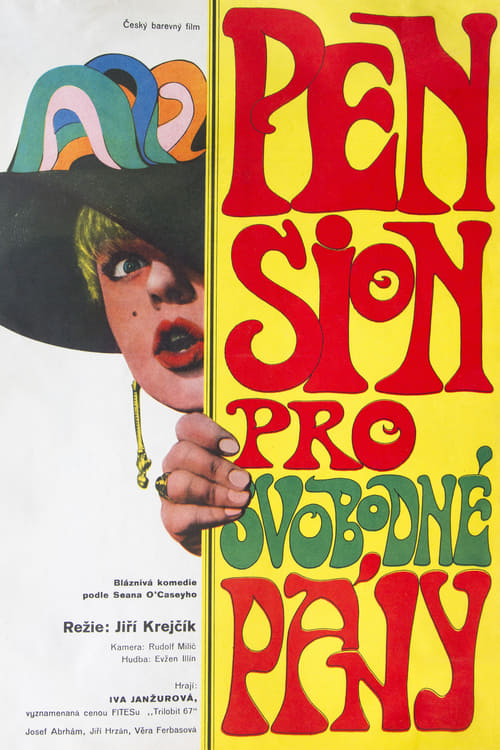
Comedy based on short Sean O'Casey play. John Jo Mulligan finds himself in a situation with which his pious conscience cannot cope. He has spent a night with the cunning seductress Angela. Full of remorse and dreading the ruin of his reputation, he tries to get rid of her, fearing that his pal Halibut or his landlady Miss Mossie might get to know. Angela sees her chance, turns gold-digger and does not leave before relieving John of a considerable amount of money.
Bedtime Story
A revue grotesque full of humour and surprises, awarded three main prizes at the Montreux Festival.
Šest uprchlíků
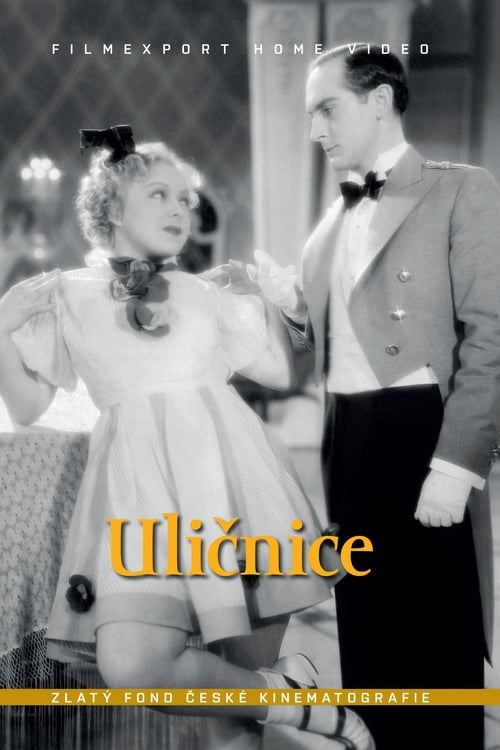
Eighteen-year-old factory worker's daughter Věra Janáková is head over heels in love with the famous pilot Jiří Málek. She only knows him from a photograph, but that's enough for her to run away from the boarding house and set out to find him. There, she discovers that the old Málek family are expecting the arrival of a girl from the orphanage, from whom they intend to raise Jiří's future wife. Enterprising Věra doesn't hesitate and quickly disguises herself as a thirteen-year-old frog...
Uličnice
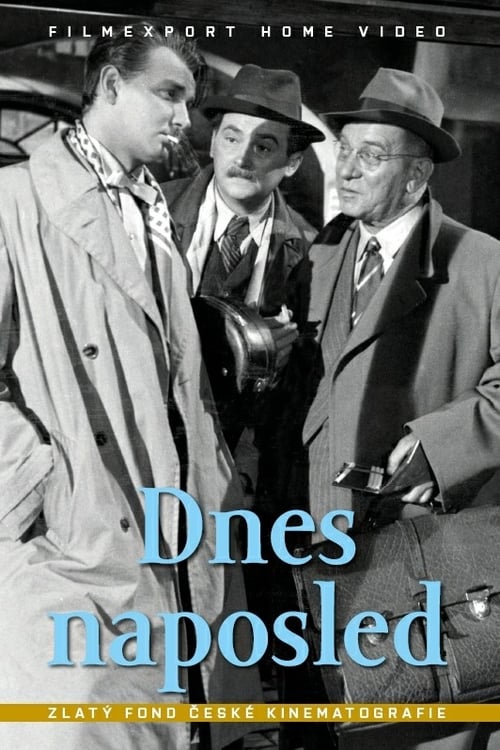
Concert master Karel Mašek is a drunk, as well as engineer Danda and other regular guests of the pub U Kroců. Mašek returns from the pub in the morning and promises the woman that he will stop drinking. But he failed again, and the orchestra players refuse to play with him. Danda returns home without a bag and goes to Krocs again in the morning, even though he has an important job at work. He has been degraded to subordinate job position, but he refused to admit it at home.
Today for the Last Time
No description available.
Cácorka
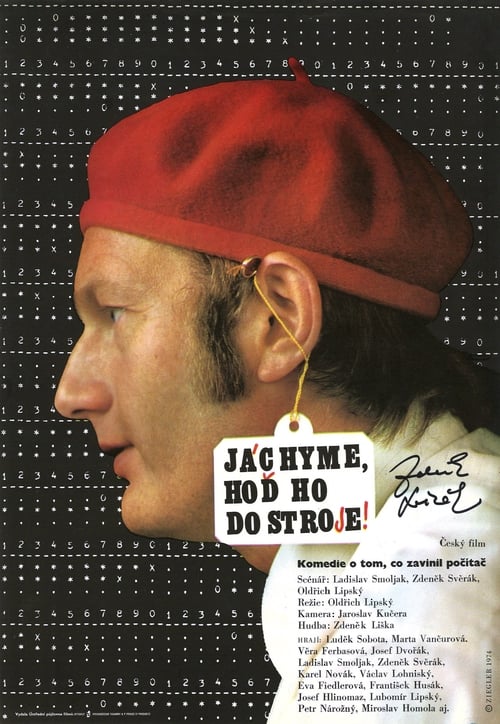
A sincere provincial young man, Frantisek Koudelka leaves to work in Prague. For the trip he buys a computer made horoscope with biorhythms charts, marked according to his date of birth, there are trappy, precarious, unsuccessful and even critical days and few successful days. The clumsy luckless person Frantisek has finally a guidance for his life.