Kryštof Hanzlík
Directing
Known For
No description available.
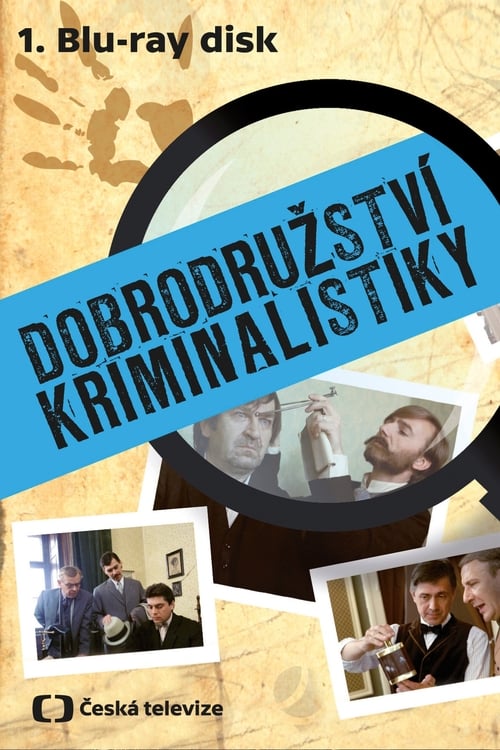
Dobrodružství kriminalistiky
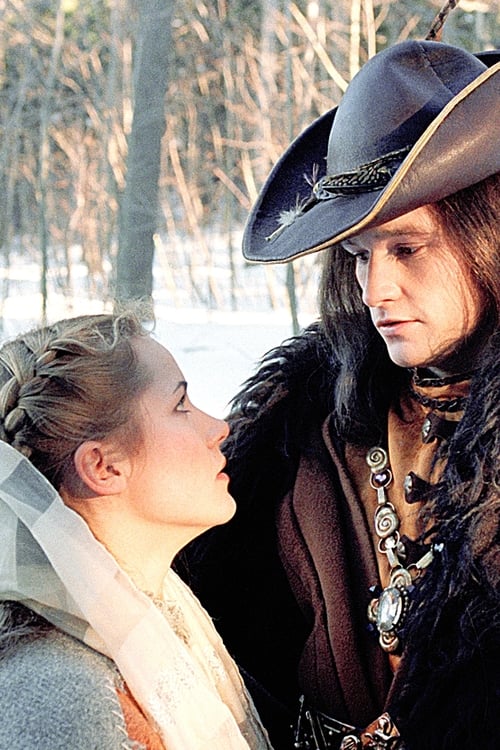
Kateřina works at an inn run by her evil stepmother. One day, she meets a young man she doesn't know in the forest. He is Prince Jan, and he is surprised when he sees his fairy from the forest at the inn. He sees how the innkeeper treats the girl and promises her that he will come back for her. The stepmother is frightened and has the girl thrown into a ravine. Kateřina is saved by Jan's soldiers, but the stepmother...
Zimní víla
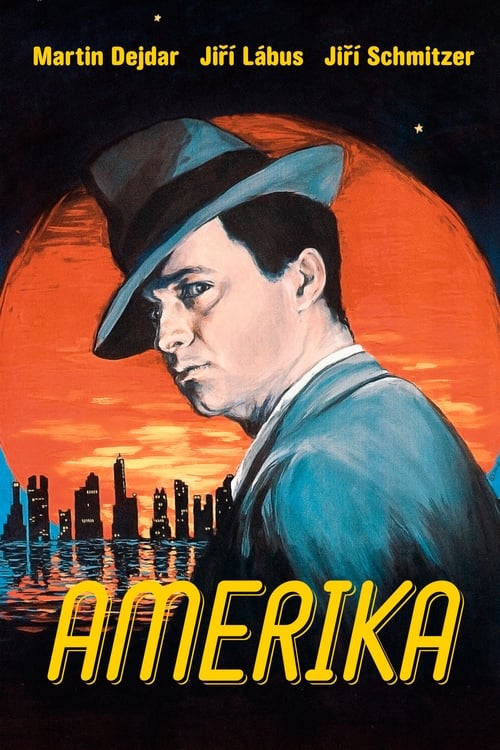
Vladimír Michálek chose an unconventional adaptation of Franz Kafka's novel for his feature debut. Artistically reminiscent of the classic films of Karel Zeman, the director reinterpreted this dark story of a man vainly seeking a place in a rigidly ordered society by changing the desperate conclusion into a happy end. The film provided Czech comedian Jirí Lábus with a new kind of role: that of the despotic uncle of a main hero Karel Rossman (Martin Dejdar).
Amerika

The honest and a bit naive director of a variety agency, Jožin Petránek, sits on the qualification committee that judges entertainers and performers of all kinds. The man firmly rejects any favouritism. But at work and at home, he's in for nothing but trouble. The rejected "artists" protest, and Jožin's wife Anna would like to promote her friend's daughter into show business. His new secretary Zuzana starts to seduce him. Petranek finally succumbs to the French chansonnier Madelaine. But Zuzana calls Mrs. Petrankova and she drives her husband away from the table and the bed. Eventually, Jozhin loses his position as director and becomes an ordinary stage recruiter. Now the real showbiz hype is just beginning for him...
Prodavač humoru

Based upon the true story that inpired the Christmas carol about a young king's care for his people.
Good King Wenceslas

Fairy tale about young cobbler Jíra, who had fashioned wings from leather in order to rescue princess Jasnenka from the tower of the royal castle, where her father had closed her to to save her from the evil witch and her daughter Cernava.
Princess Jasnenka and the Flying Shoemaker
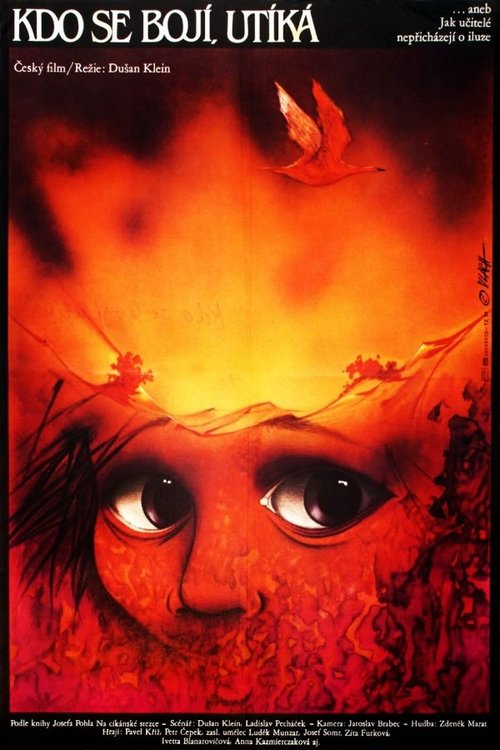
In a school somewhere in the border region, a young teacher is trying to integrate Romani children into the classroom. But their families remain suspicious of education. The filmmakers have chosen a largely romantic view that does not penetrate beneath the surface. They have included numerous folklore examples, acting as the most attractive element. The real problems can thus only be imagined.
Kdo se bojí, utíká
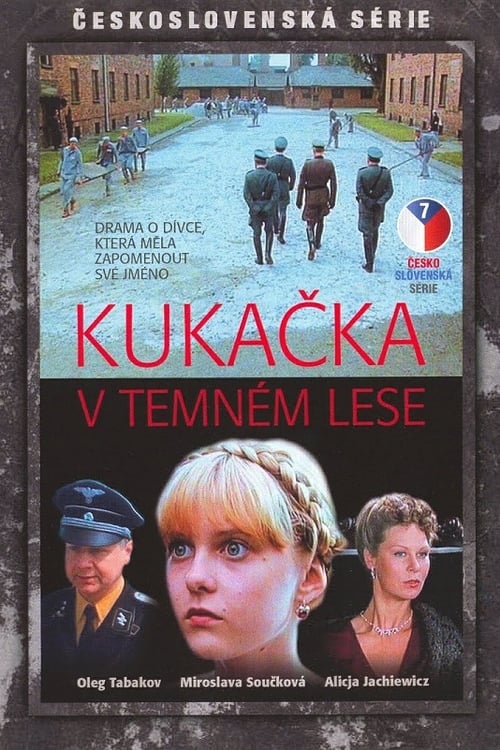
Set in World War 2 as the Germans occupy Czechoslovakia, teenage Emilka's father is murdered by the Nazis, but she is selected for special treatment by virtue of being blonde. She is billeted with the commandant of a concentration camp near the Baltic coast, where his kindness towards her provokes his wife's jealousy, but is compromised when Emilka witnesses his brutality towards the prisoners.
Cuckoo in a Dark Forest
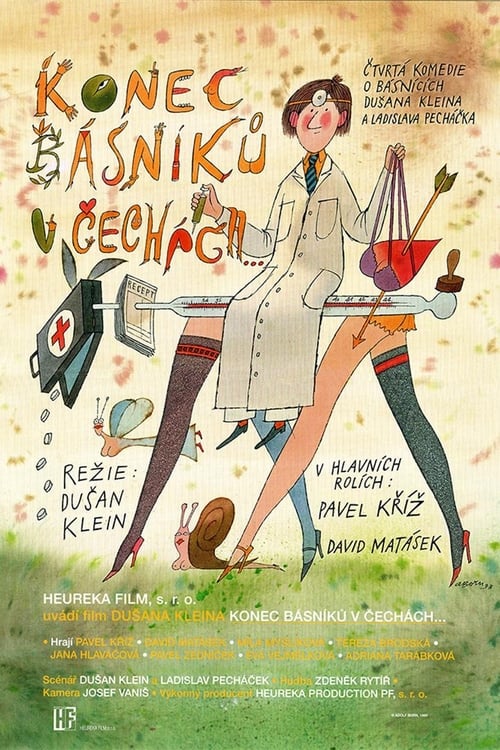
Dr. Štěpán, dismissed for his outspokenness, returns to his hometown determined not to bend his ethical principles to the ruthless new capitalism surrounding him. When he meets a young woman who may become the meaning of his life, he must confront the tension between his ideals and the demands of a changing world.
Konec básníků v Čechách...

Wild Swine is actually an ironic name for the great search operation of Prague's criminologists, who in a tangle of criminal activity of various kinds were digging around like wild swine before they managed to solve a complicated case. The story takes place in a variety of social spheres, from the Roma people to the world of Prague prostitutes and bakshellers to prominent people.
Divoká svině

A tribe of survivors take possession of a large but rundown building, killing all who put up resistance - but they don't know that the building is cursed by some demon god and haunted by a girl in white that seems to know a dark secret.
Masseba
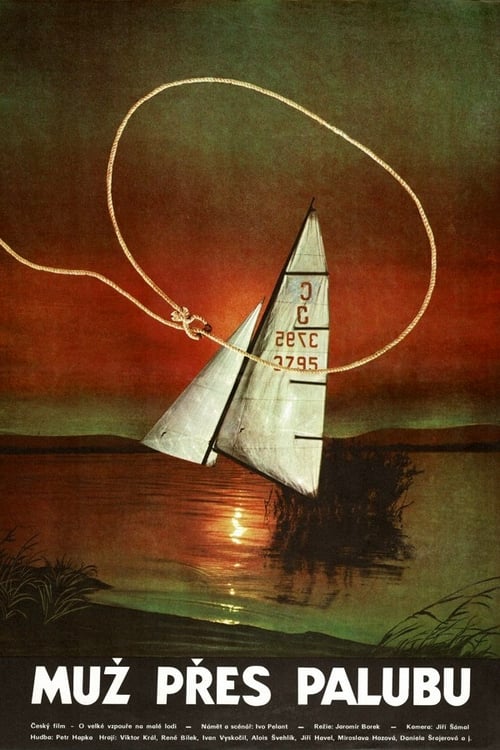
Ten-year-old David joins a sailing club. He trains hard and helps repair the sailing boats, but people have to take turns actually sailing. The club chairman Vala wants David to sail with his son Olda. Olda's previous team mate Béda has grown too fast, but with little David Olda could win a place on the regatta to Finland. Olda is arrogant and accustomed to winning with little effort; he bullies David and calls him "Greenhorn". He makes David his servant and blames him when things go wrong.
Man Overboard
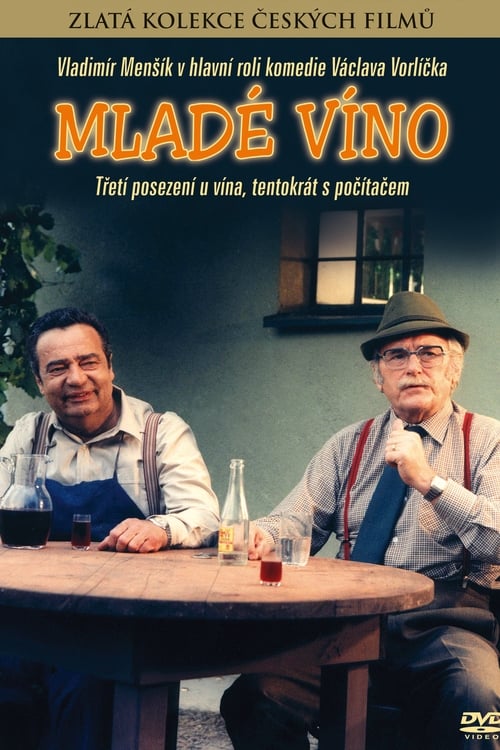
Third wine session, this time with a computer. The film was made in direct relation to the audience success of the previous two: "Stormy Wine" and "Ripe Wine". In the comedy-oriented story, the computer is an important actor, around which all the events actually revolve. It is reliable, powerful, but unused. Its future lies in the hands of those who do not yet know how to use it.
Young Wine

Father Holy, a village priest, battles against the state and religious bureaucracies of 1980s Czechoslovakia in his fight to raise money for a new church roof. Permeated by his love for the villagers, his encounters are marked by his good humor. In his losing battle against Church and State, Holy is ordered to be transferred away from his parish and his allies. The Czech-American, Milena Jelinek, adapted this moving story from the the novel The Forgotten Light, by the 1930s Czech writer/poet and Catholic priest Jakub Deml. (1934)
Forgotten Light

We meet Veronica shortly before her high-school graduation exams. She lives with her mother, an alcoholic, and her mother's partner. One day when he is drunk, he chases Veronica to the roof of a house and falls off, killing himself. He was in debt as he was addicted to gambling. His creditor wants the money back and starts to threaten Veronica. Her mother will not protect her since she is always drunk. Thus, the young girl must leave home and hide far away. On her journey she meets many characters. Some of them are comic, others are rather tragicomic. And Veronica tries to find good people with whom she would feel comfortable and happy, thus giving her life meaning. - Czech film center
Crash Road

The relationship between a teenage daughter and her mother is not an easy time in the life of either of them. But for Jana Burešová and her Simona, it means digging deep into their consciences and searching for sensitive places where the past can be revealed and a path to the future can be found. It is at her forty-fifth birthday party that a devastated Jana learns from the police that her daughter has secretly given birth. The next day, she visits her daughter in the maternity ward, but she refuses to talk to her because she cannot forgive her mother's lack of interest, the fault of which is that she did not even know her daughter was pregnant.
Citlivá místa
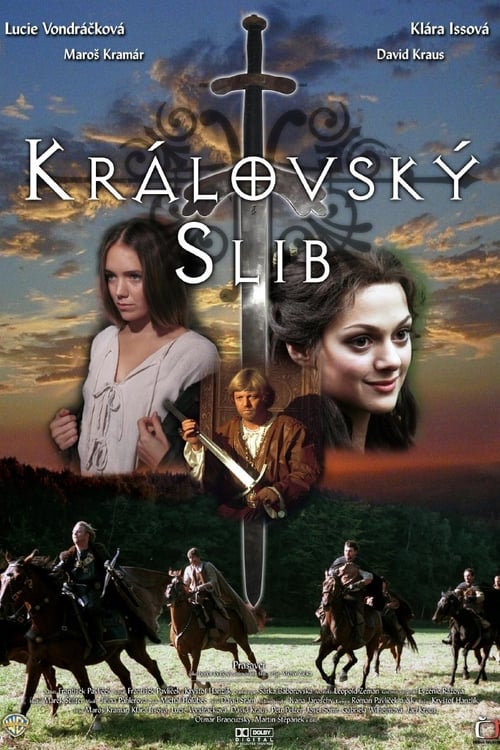
Our story begins years later. A grand engagement is being planned in the kingdom. The prince has come of age. The time has come for him to marry the daughter of a neighboring country. An ancient royal promise must be fulfilled! However, the prince has little desire to marry. He is more interested in the surrounding forests, the stream, the birds, and above all, freedom, than in court etiquette and his own wedding. The young man does not change his behavior even when the beautiful princess arrives at the king's invitation. However, she soon realizes that she and the prince are not suited to each other. They only agree on one thing—they both want to defy the king's promise. But how?
Královský slib
Most people have left Earth, for unknown reasons and to unknown destinations. The story follows three men who live together and support each other. They use an old military warehouse full of supplies and food to survive. They try to maintain their human values. There are other groups of people on Earth who are barely surviving and resorting to cannibalism. After a conflict with one such group, the trio must leave their warehouse. They end up in a former prison, which seems like paradise to them. The prison is inhabited by a young girl. After further difficulties, everything is coming to a final move.
Poslední přesun
A South Bohemian cantorial romance about the search for human happiness.
Velké přání
In the young man's imagination, the image of a mysterious house - a mystical building that symbolizes the spiritual world of an unknown faith - persistently returns.