Directing
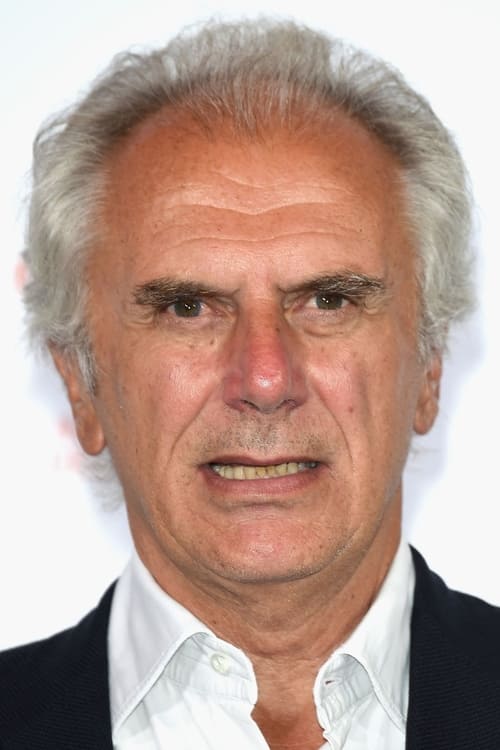
Marco Risi (born June 4, 1951) is an Italian filmmaker, son of famed director Dino Risi.
Funny, entertaining comedy with a few storylines. All of them have one thing in common - a resort town of Rimini in Italy.
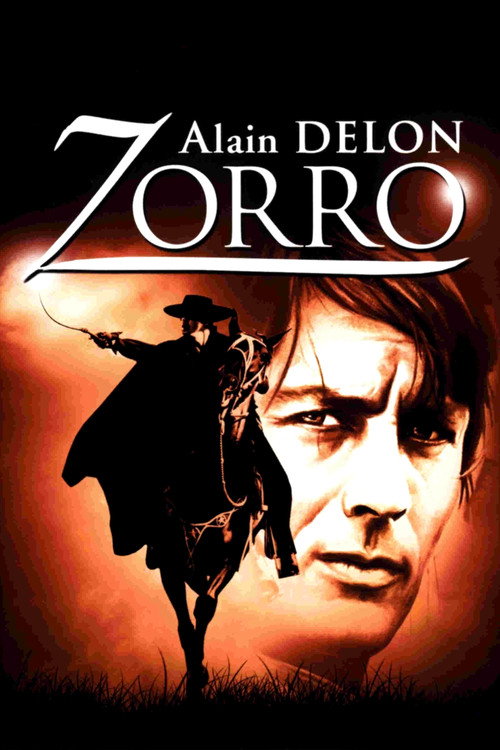
A newly arrived governor finds his province under the control of the corrupt Colonel Huerta. To avoid assassination by Huerta, he pretends to be weak and indecisive so Huerta will believe he poses no threat. But secretly he masquerades as Zorro, and joins the monk Francisco and the beautiful aristocrat Hortensia in their fight for justice against Huerta and his soldiers.
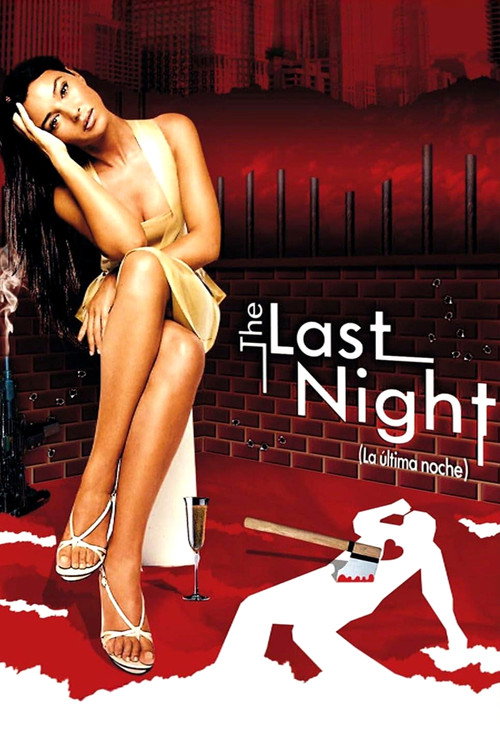
New year's eve at "The Islands" condos. An aging countess's party is crashed by the soccer team from her gigolo's town. While dressing for a dinner party, the wealthy Guilia discovers her husband's affair with her best friend and vows revenge. Next door, a family prepares their vintage Dodge for a drive through the streets. A call girl ties up a lawyer while, unbeknownst to him, three men await the right moment to break into his office. Across the hall, a woman downs pills in a lonely suicide attempt. Two young men hide out in a bedroom smoking dope; one of them has some dynamite. As midnight approaches, each group draws closer to grotesque tragedy.
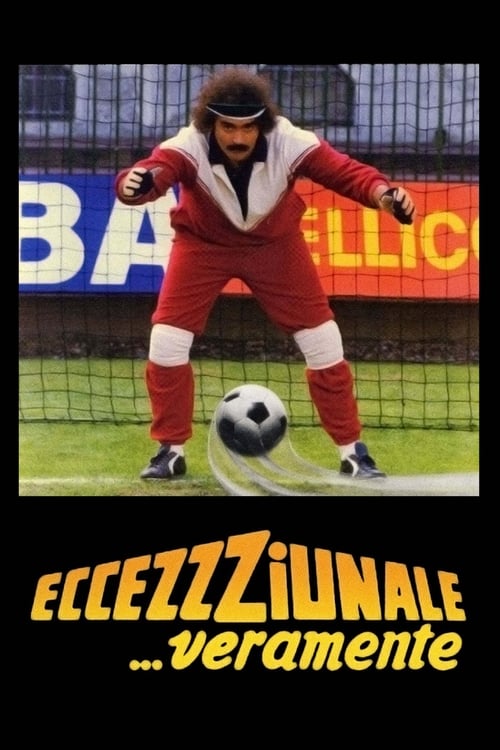
Diego Abatantuono in the shoes of three huge fans: the Juventus truck driver Tirzan, the head of the ultra Milanese Donato and the Franco inter.
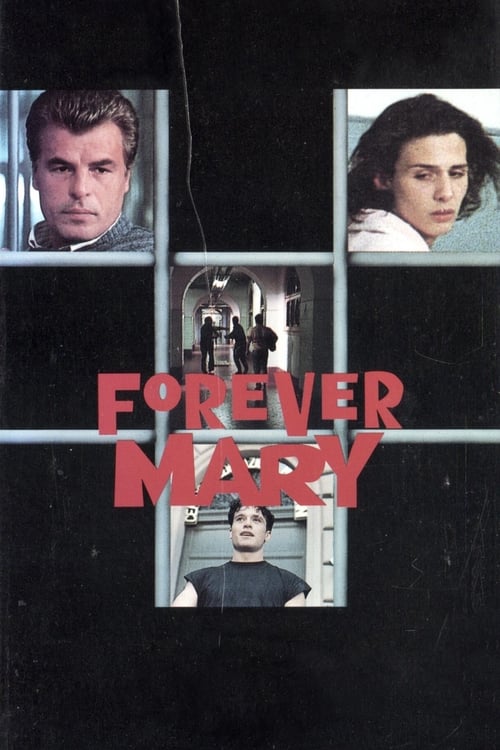
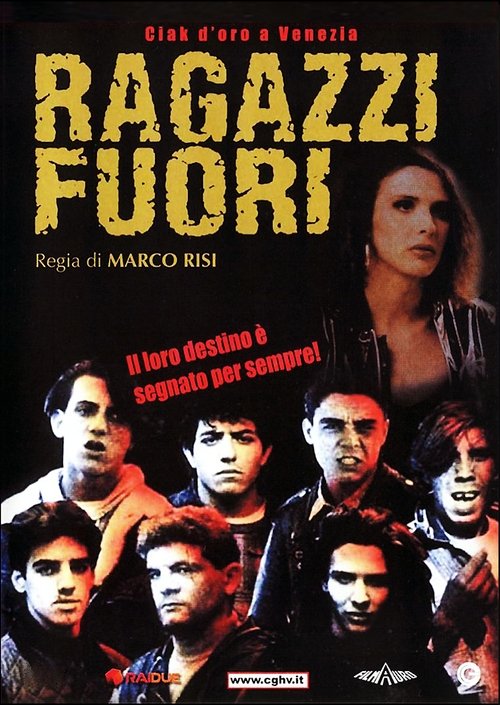
Marco, a teacher from Milan, relocates to Palermo and takes a temporary job teaching in a juvenile detention centre while he waits for a high school teaching position. He tries to understand and motivate his handful of students, encouraging them to stand up for their rights, finding out about their histories: Natale, in for murder and enamored with the Mafia; Pietro, who can't seem to stay out of jail; Claudio, barely 14 and learning to stand up for himself; and Mery, a trans sex worker, who was arrested after a fight with a trick who didn't want to pay her, and is now stuck in a male prison.
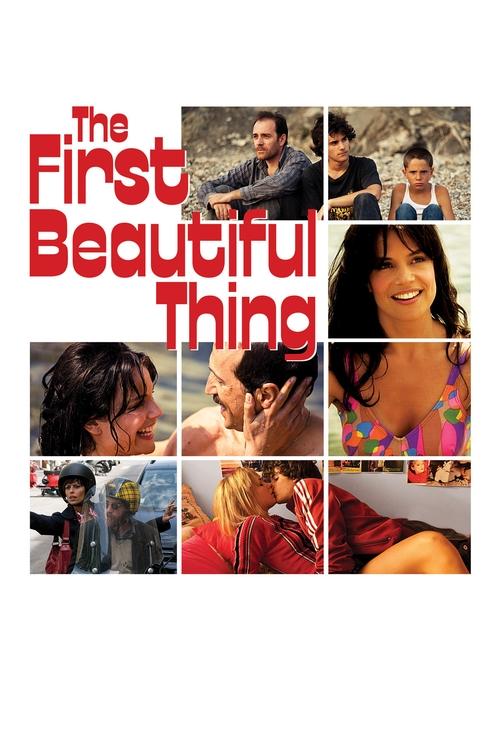
The film tells the story of the Michelucci family, from the nineteen-seventies to the present day: the central character is the stunningly beautiful Anna, the lively, frivolous and sometimes embarrassing mother of Bruno and Valeria. Everything begins in the Summer of 1971, at the annual Summer beauty pageant held at Livorno’s most popular bathing establishment. Anna is unexpectedly crowned “Most Beautiful Mother”, unwittingly stirring the violent jealousy of her husband. From then on, chaos strikes the family and for Anna, Bruno and his sister Valeria, it is the start of an adventure that will only end thirty years later.
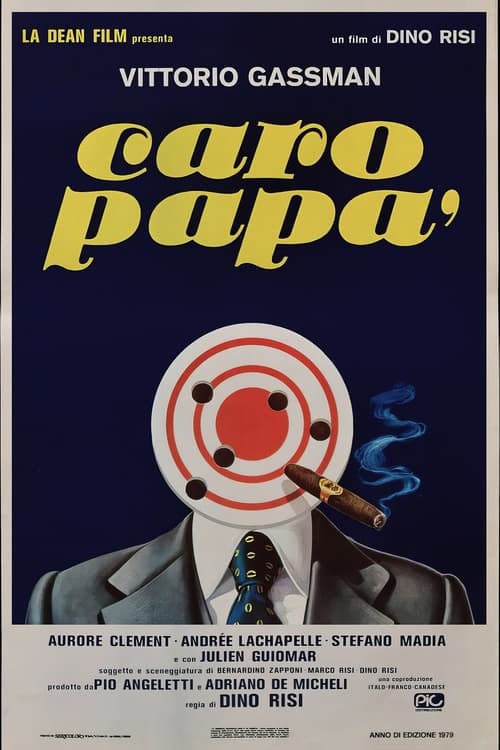
In Caro papá, Dino Risi is telling the story of the decadent lifestyle, and dysfunctional family, of a wealthy businessman (played to perfection by Risi's favorite leading man, Vittorio Gassman). Risi paints his portrait against a backdrop of an Italy where the new permissiveness has run rampant, traditional socio-cultural values have been usurped by consumerism, and the streets have become an open battleground for politically extremist groups (the '70s were dubbed "The Years of Lead" due to the great number of terrorist acts, and politically motivated assassinations).
Francesco Maselli pitched this documentary to the CGIL, CISL, and UIL trade unions as part of the 1.5 million-strong protest march on November 12, 1994 against Silvio Berlusconi's projects on social security and the reform of the pension system. A large number of directors, cinematographers, camera operators and technicians from all over the country worked for free in 22 different crews, chronicling one of largest political gatherings ever held in Italy.
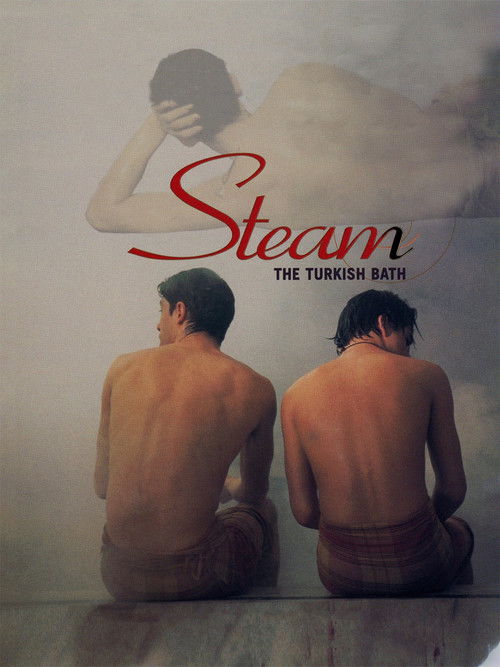
Francesco and Marta run a husband-and-wife design company in Rome. When Francesco's aunt dies in Istanbul he travels there to sort out the hamam Turkish steam bath that she left him. He finds a love and warmth in his relatives' Istanbul home that is missing from his life in Italy.
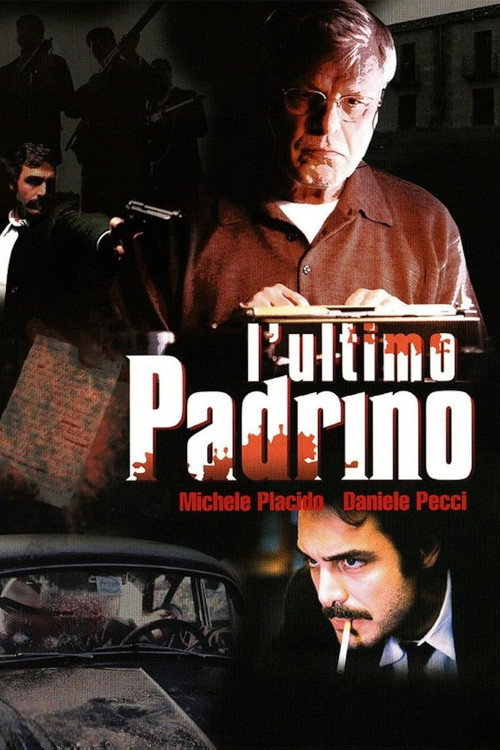
A TV movie focused on former Mafia boss Bernardo Provenzano and the policemen who tried to catch him.
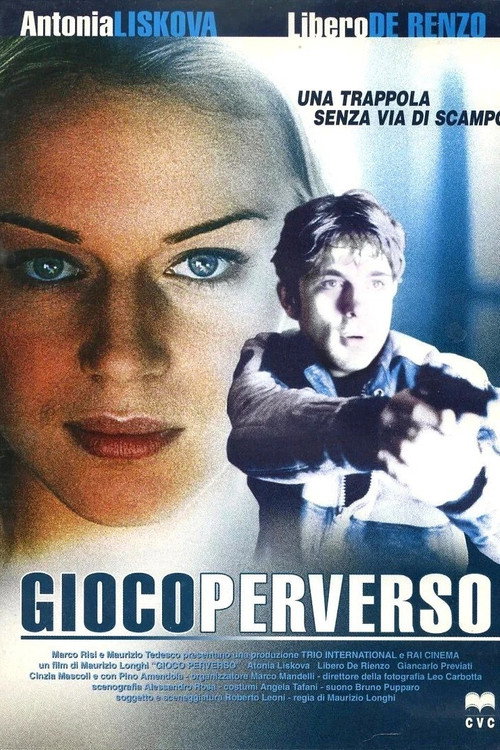
Alina, orphaned at a young age, discovers the murder of her sister Enrica, but the surprises aren't over because an Inspector reveals to her that her sister was a luxury call girl who got clients on the Internet. The hunt for the maniac begins.
No description available.
Antonio Barozzi moves from Lago Maggiore to Rome to become an actor. He does not realize his agent and acting coach are only manipulating him to further their own careers.
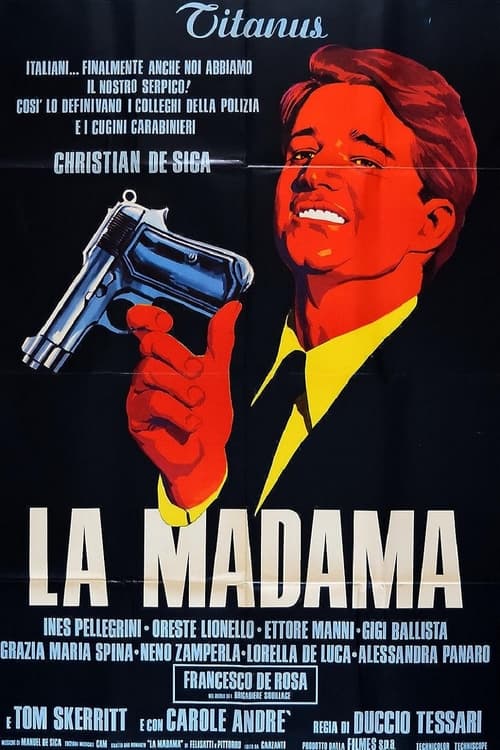
In the slang of the underworld or "mala" there is a special term for cop: "Madama". But if word were to get around that the "Madama" is Vito (Christian De Sica) they might even start to like the guy. Vito is a funny sort of a cop. For a start he doesn't like the uniform (he never wears it). Things might even go smoothly for him, if it weren't for an incredible number of beautiful girls who always manage to get in his way. Especially one girl Angelo (shouldn't that have been Angela? No, the girl's name really is Angelo). Problems arise too, with his direct supervisor, who also happens to be a relative. But Vito puts up with it all and manages to stay his usual calm and polite self, even when he risks getting killed.
Young men with no future have little in the present as well. Natale is released from prison: he takes up with his friends again but none can find work. Claudio, from Palermo, gets out of juvenile detention in Naples and he's met by Vita, a girl who's come from home to run away with him. Where can they go? A young dad, whose potato stall at the market is shut down because he has no permit, takes his two small children to the beach and yells at them. Mario, gay, a prostitute in drag, gets a visit from his mom; he offers tea, then finds the water to his apartment is shut off. Social workers drop by, parole officers file reports. What hope is there? What options besides crime?
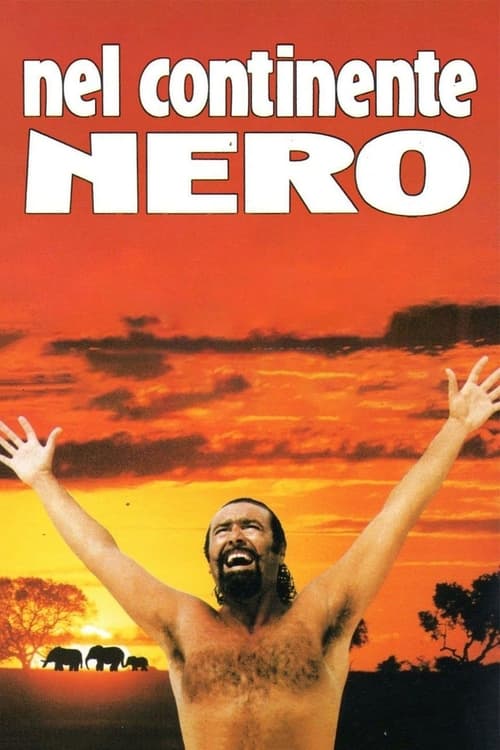
In the 1950s, a big stir was made by a book (and its corresponding movie) called The Ugly American. Its subject was the grievous damage done to local cultures by well-meaning but essentially clueless (and frequently arrogant) representatives of the U.S. Since then, the phenomenon of cultural damage cause by arrogant tourists and visitors has been demonstrated to be something everyone is capable of. In this thoughtful, comic drama, the subject is Italians overseas. In this film, Malindi Kenya is the playground of rich Italians.
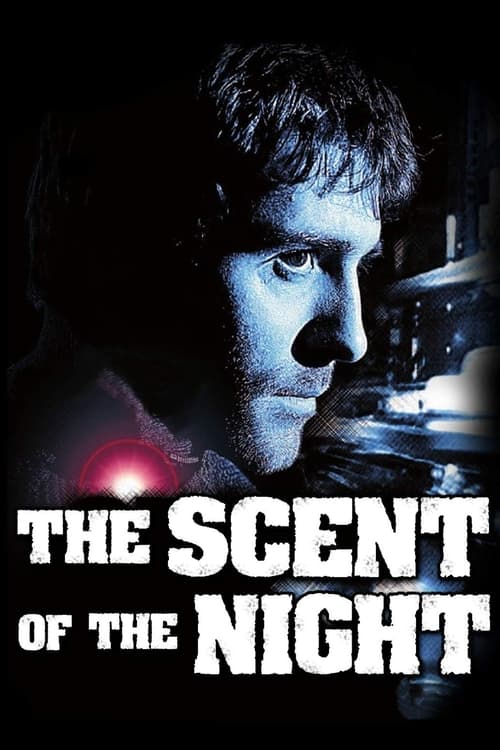
A former policeman turns full-time robber and goes on a downward spiral of crime in 1970s Rome.
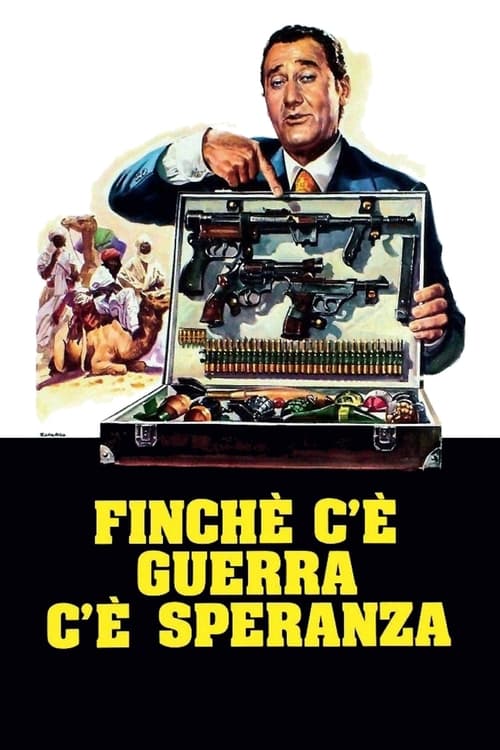
Alberto Sordi directs and interprets a corrosive comedy, another "story of an Italian" that makes you smile and reflect. An arms dealer is exposed and would like to return to an honest business. But his family does not intend to give up that bloody money.