Acting
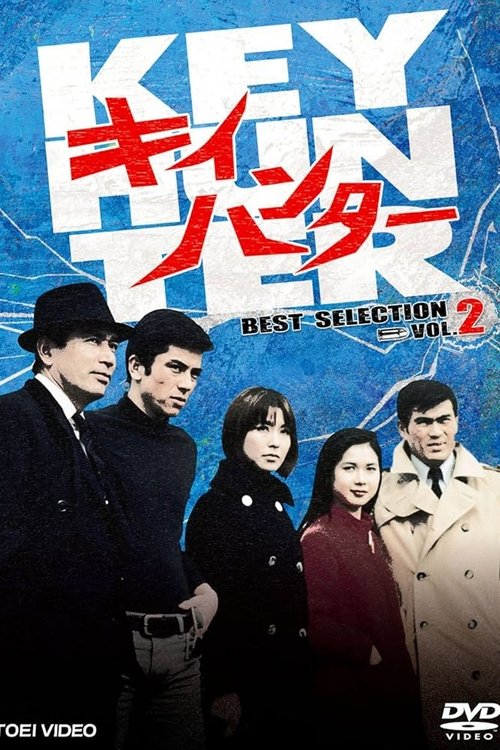
Key Hunter is a prime-time Japanese television detective series. It aired on Saturday nights in the 9:00–9:56 p.m. time slot on the Tokyo Broadcasting System network from April 6, 1968 to April 7, 1973. There were a total of 262 episodes, and it was one of the most popular action dramas in Japan at the time. The story involved "Key Hunter", a special clandestine unit of the International Police, which endeavored to solve various crimes. "Key Hunter" was a unique TV show, which started out as a grand scale spy thriller never before seen in Japan. The episodes were individually themed on global crimes and political strife. The initial hardboiled theme later evolved to include intellectual elements involving action, and occasionally with comical elements as well. Tetsuro Tamba starred in the 1967 film You Only Live Twice as Japanese Secret Service agent Tiger Tanaka, an ally of James Bond. This role greatly influenced his image in "Key Hunter".
After being used and betrayed by the detective she had fallen in love with, young Matsu is sent to a female prison full of sadistic guards and disobedient prisoners.
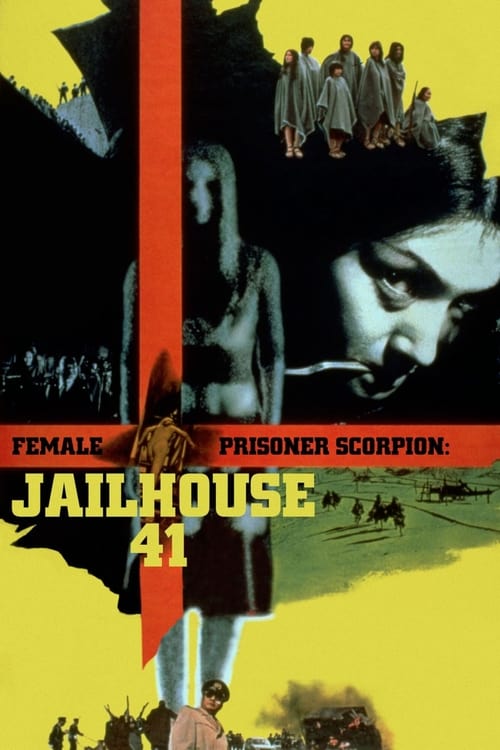
Following her successful prison break, Scorpion begins this third episode in the series hiding out in a brothel. Her prostitute friend tries to keep her identity secret, but the brothel's madam discovers that Scorpion is the ex-girlfriend of the vice officer who killed her lover.
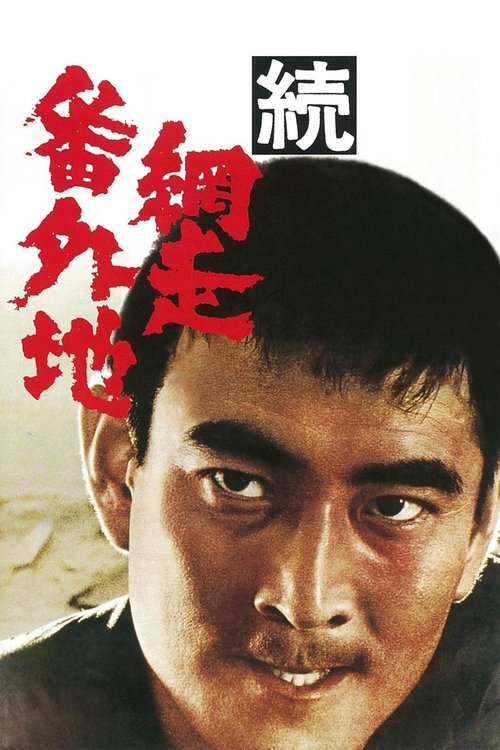
After serving time, a defiant street thug is incensed to find his town overrun by two yakuza factions. He gathers his crew and takes them on.
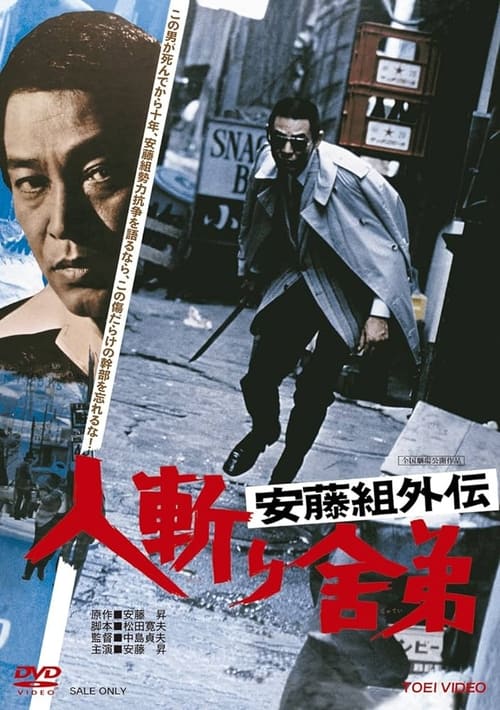
Set in Shibuya in 1949, this is another film based on real life former yakuza boss Noboru Ando's memoirs.
Sakata protects a little boy while coping with rival gangs.
Two convicts just released from prison find a green bauble filled with diamonds — and try to prove they didn't steal it.
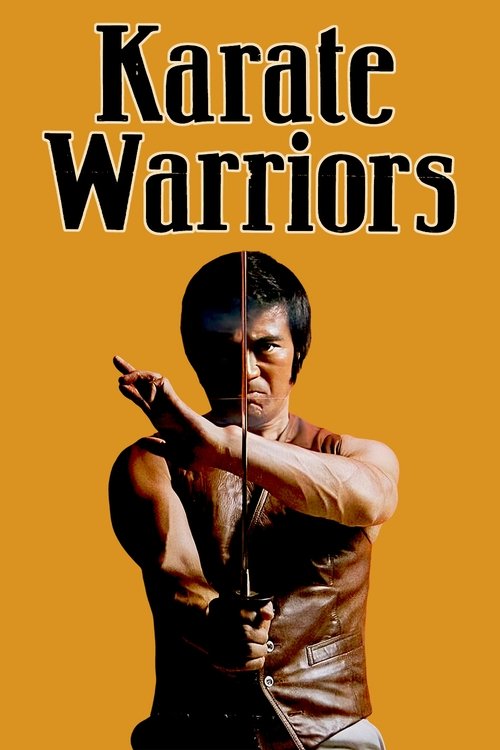
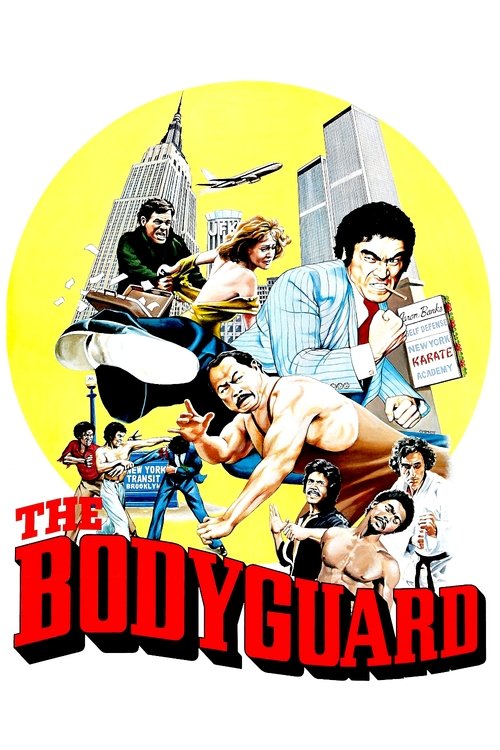
Karate master and anti-drug vigilante Chiba returns to his home in Japan, where he holds a press conference announcing his intention to wipe out the nation's drug industry. He also offers his services as a bodyguard to anyone who is willing to come forward and provide information about the drug lords' activities. He is soon approached by a mysterious woman claiming to have important information and asking for Chiba's protection. She seems to be legitimate, but is she really what she appears to be?
With his penultimate film, Uchida revisited one of his popular prewar titles, 1936’s Theatre of Life, an adaptation of Shiro Ozaki’s eponymous novel. Three-time Seijun Suzuki collaborator Goro Tanada wrote a gangsterized adaptation of Ozaki’s story for Uchida at a time when the yakuza had eclipsed the samurai genre as Toei's main cash crop. Protagonist Hishakaku murders a man in a quarrel over a barmaid and goes to jail. In his temporary absence, his girlfriend Otoyo, a former geisha, falls for Hishakaku’s brother, inciting a dangerous love triangle that, in typical yakuza fashion, ends tragically.
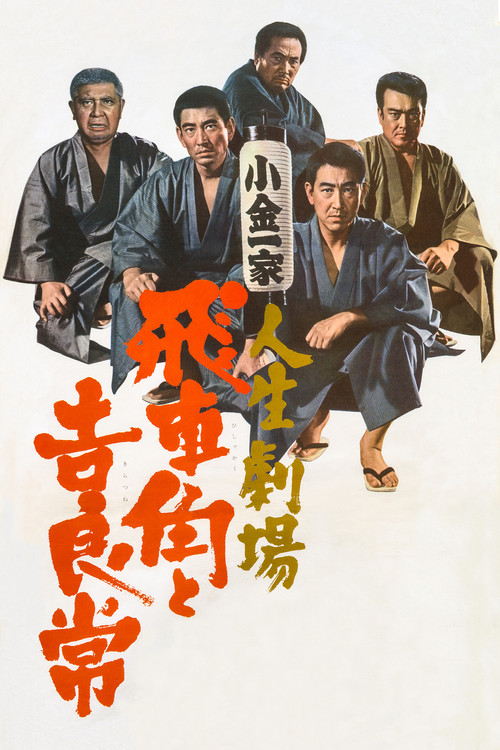
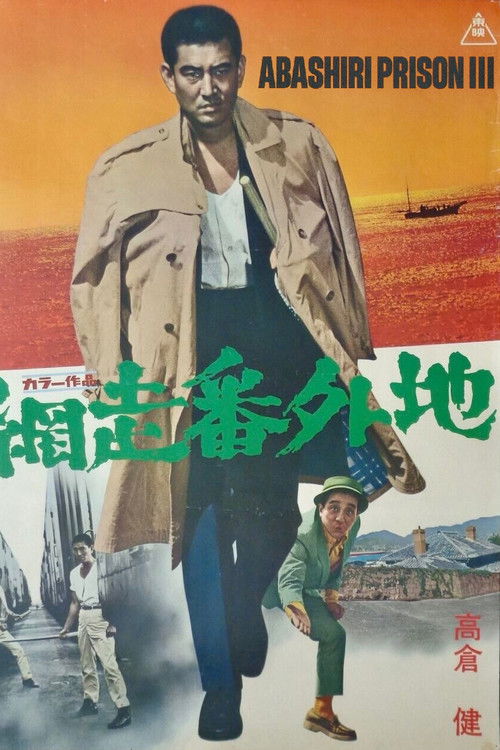
Hidejirō is sent to prison after killing the boss of a rival family. After being released, he discovers that his family has scattered and he is taken in by a company of quarry workers, whose boss has a strict code of non-violence. When the rival family tries to take over the company and kills their boss, Hidejirō must choose between his promise of non-violence and his yakuza code of revenge...
With a Kansai syndicate setting their sights on Tokyo, a former yakuza boss gets dragged back into a world of violence.
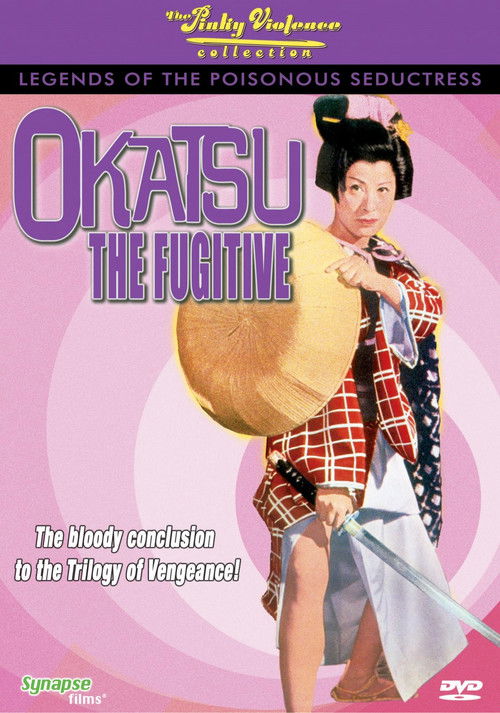
Okatsu the Fugitive is the third film in the "Ohyaku/Okatsu" series. Okatsu; a "tomboy" who is good with a sword. Her father has found her a man to marry and actually she doesn't seem too upset about the situation. At the same time, a bunch of farmers are being slaughtered by a corrupt group running a tobacco smuggling ring. They're being investigated by a man who is documenting their crimes and when they find out about it, they torture him for information but get none. It's not long before he and Okatsu's mother wind up dead and she sets out for revenge.
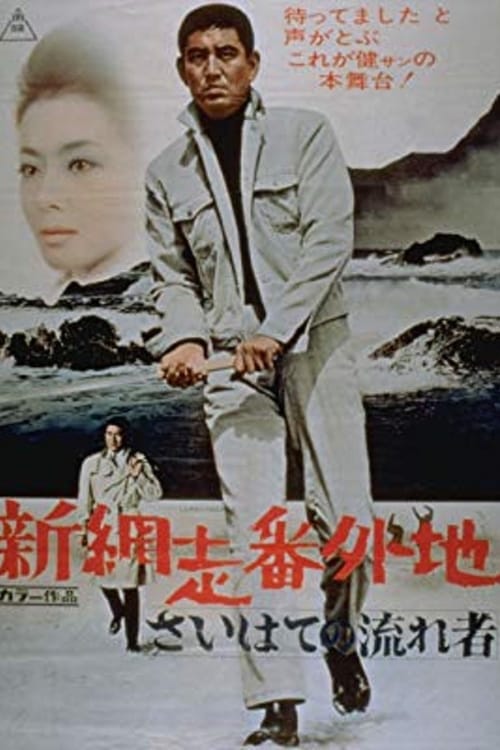
Katsuji takes revenge on evil Tamaru who forcefully took control of the fishery business run by Katsuji’s friend.
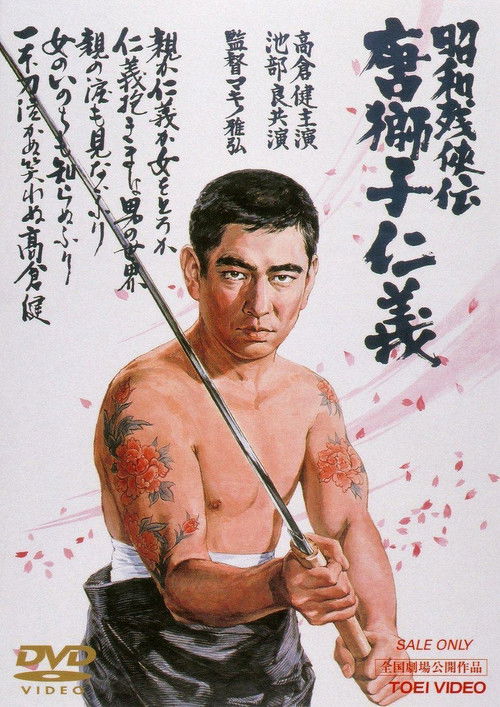
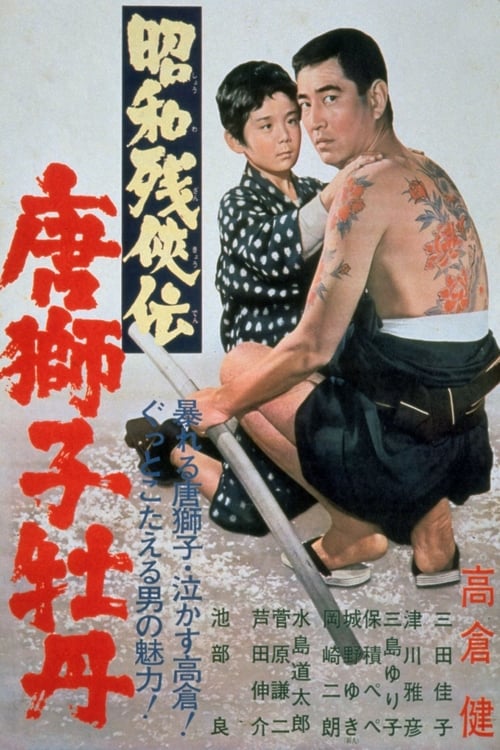
Hidejiro is a wandering yakuza with a ‘karashi botan’ (Chinese lion and peony) tattoo. Owing a favor to the Soda Family, he kills the boss of the rival Sakaki Family. When the Soda attacks the Sakaki and double-crosses him, with sword in hand, Hidejiro seeks brutal retribution.
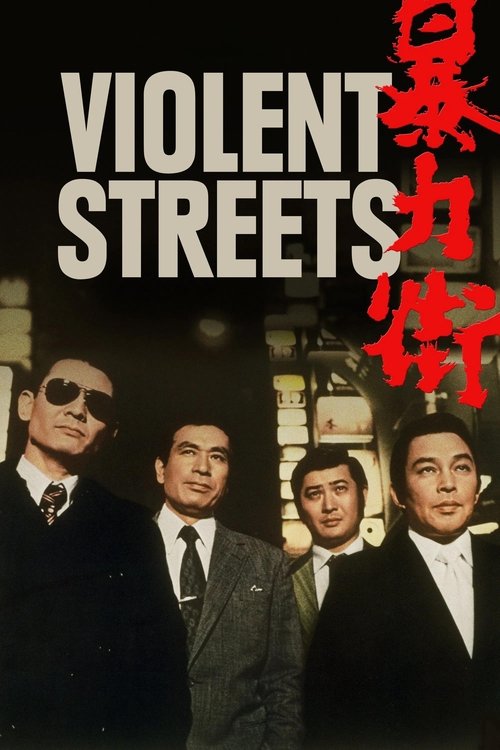
Upon returning to his hometown of Nagasaki, recently released prisoner Tachibana Shinichi must rejoin the Asahi gang family in order to pay back a past debt. Trouble brews when the rival gang that was responsible for sending him to prison learns of his return. Left with no alternative to their constant harassment and threats, Tachibana decides to take them on.
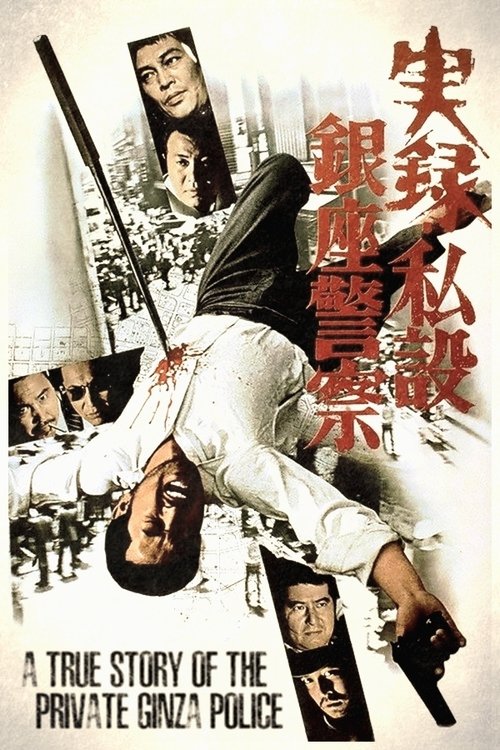
Japan, 1946, just after the end of World War II. As the US occupation army patrols the dilapidated streets of Tokyo, a desperate and ambitious group of war veterans and gamblers struggle to take control of the Ginza district's underworld with the help of a deranged soldier.
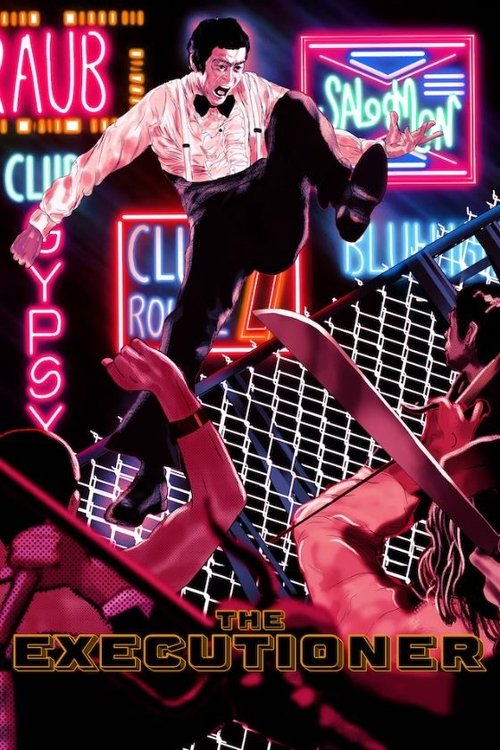
Three men, the skilled ninja Ryuichi Koga, the deadly assassin and former drug detective Takeshi Hayato, and the criminal mastermind Ichiro Sakura work together to take out an infamous drug dealer.
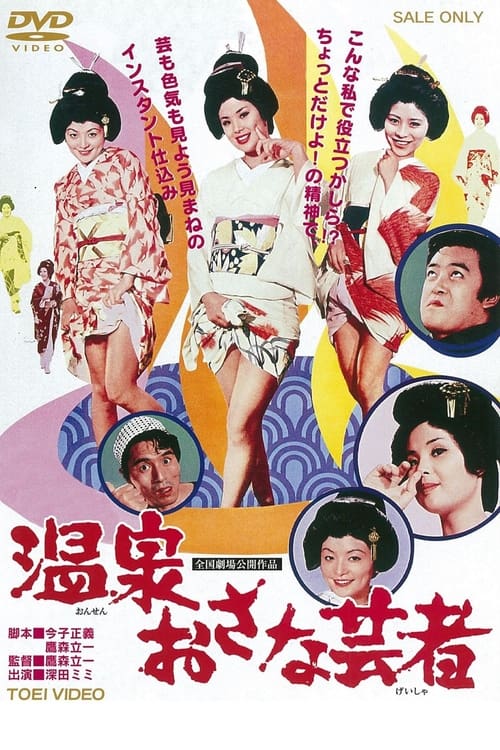
A young girl works as a geisha to earn money for travel.
Reiko Ike stars as the daughter of a man who has been pushed into drug dealing by the local Yakuza mob. Having outlived his usefulness to the gang he is murdered and Reiko is gang raped, leading her to attempt a knife attack on the Yakuza boss (Ryoji Hayama) at a swank nightclub. Failing to kill him she ends up in prison, where she befriends a crew of other malcontents (including Yumiko Katayama and Chiyoko Kazama) and meets the Yakuza boss's girlfriend (Miki Sugimoto). Upon release Reiko reassembles her mob and launches a Machiavellian scheme to engineer a gang war between Hayama's Oba Industries and the formerly dominant Hamayasu Clan. The rival gangs begin killing each other off and Reiko works her way closer to her ultimate vengeance.
No description available.