Acting
Malhação is a Brazilian television series for the teenage audience. The soap started in 1995, and was set in a fictional Gym Club called Malhação on Barra da Tijuca, Rio de Janeiro. Through the years the location varied slightly. Although the name of the soap remains the same, it is now set in the Múltipla Escolha High School.
No description available.
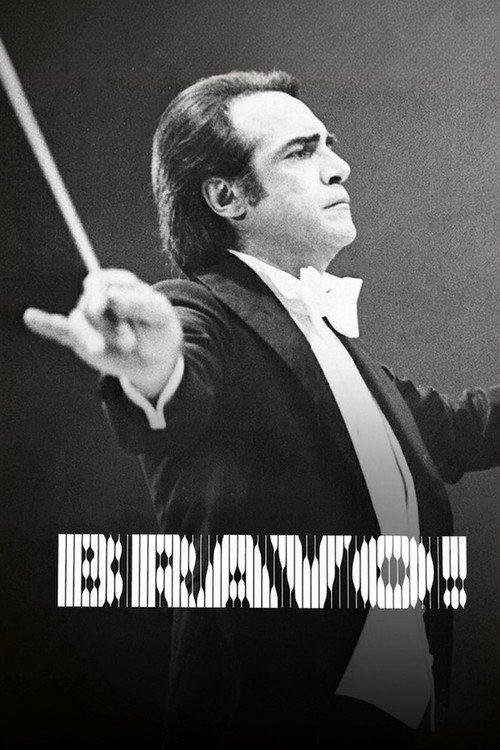
A widowed conductor rediscovers love when he meets a young woman from the countryside, but doubts about his music make him question his competence and distance himself from the woman he loves.
The routine of the quiet town of Rio Belo changes with the arrival of Carina, a traveling actress determined to discover who her father is. At the same time, a mysterious crime involving the powerful Donana shakes the town.
Brava Gente was a television series aired by TV Globo in Brazil between 2000 and 2003, initially as a special year-end. The program was adapted from stories and national stories, and plays by famous playwrights, screenwriters and signed by a number represented by several actors and actresses. The genres of the stories varied each week with the style of each director or author. Brava Gente in the stories ranged from comedies and dramas. In all 53 episodes were shown, broadcast on Tuesday nights.
Seven high school friends reunite after 20 years. Memories of the past and coincidences of the present reveal the secrets and affections that bind the women and their families.
Jocasta, an 18-year-old sociology student and daughter of communist activist Túlio Silveira, is actively involved in the country's political landscape. She is in love with Laio—her polar opposite—a disengaged, esoteric young man who lives off his wealthy father's allowance. A mystic, Laio makes no move without consulting his guru and friend Argemiro, whom he turns to upon learning of Jocasta's pregnancy. The cowrie shell reading reveals that his son is destined to kill him and enter into a romantic relationship with his mother. Terrified, Laio disappears with the child immediately after birth, aided by Argemiro—who loves Laio and loathes Jocasta. Twenty-five years later, Jocasta is a successful yet restless woman searching for her missing son. She is estranged from Laio, who has spent recent years expanding his father's fortune through involvement in underground gambling. On a highway, he encounters Oedipus, unaware that the young man is his son.
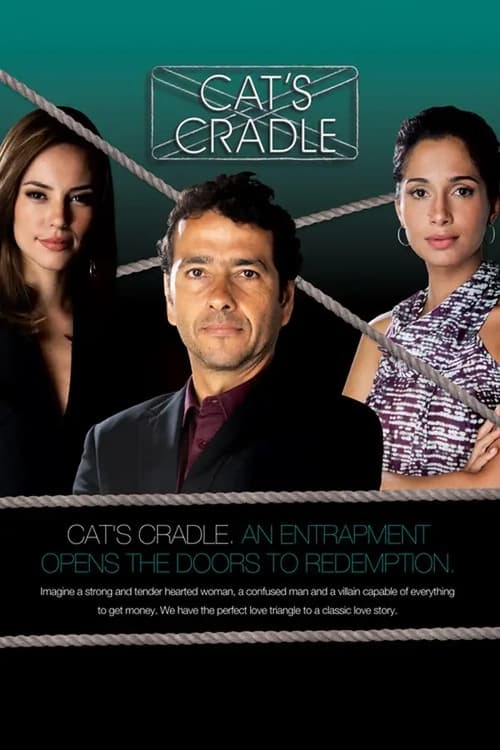
Imagine a strong and tender hearted woman, a confused man and a villain capable of everything to get money. We have the perfect love triangle to a classic love story.
Set in 1940s São Paulo, the story follows Laura, a modern woman devoted to the arts who is oppressed by her husband, Natércio Prado—a wealthy man with traditional views. Amidst marital turmoil, Laura suffers a severe trauma and is even committed to an asylum by her husband. The couple separates, and the family is torn apart: Laura keeps her youngest daughter, Virgínia, while Natércio retains custody of the other daughters, Otávia and Bruna. Frail and penniless, Laura moves into the Vila Mariana home of her neurologist, Daniel. He is in love with his patient and believes her condition is physical rather than mental. Laura hides the fact that Virgínia is actually Daniel's daughter. The youngest daughter eventually returns to live with her father, where she faces hostility and harshness from the housekeeper, Frau Herta.
In 1970, during a glittering New Year's Eve party attended by the aristocracy, a young pantry maid named Zaíra is mysteriously murdered. Thirteen years later, the prime suspect—Gastão, a humble waiter and former colleague of the victim—seeks to prove his innocence with the help of his son, Nil, becoming entangled in the lives of the other party guests. The story also follows a cunning pair of jewel thieves: the sophisticated Antônia Regina and João Maria—a criminal lawyer and member of the declining aristocracy who takes up the cause of Nil's father.
The story begins with the arrival of millionaire Antônio Carlos Volpone in Brazil. After living in Cairo for 18 years, he returns to his homeland for two reasons: first, to clarify the murder of his father-in-law, Dr. Telles, of which he was accused; second, to get closer to his ex-wife Estela, now married to Orlando Aranha. The millionaire also attracts media attention, and reporter Amélia Bicudo decides to investigate his life. To mislead his enemies and move freely, Volpone uses numerous disguises: the executive Anabela Freire, the doctor Nilo Peixe, the industrialist Augusto Melo Sampaio, and the driver André Silva. With the help of his loyal secretary and friend, Mosca, he confronts his main rival, Orlando Aranha, and Renata, Orlando's sister, who holds secrets about the murder of Estela's father.
The story is set in the quiet, fictional town of Ouro Velho. Sofia Schnaider is a striking woman of great class and intelligence, possessing strong ethical values inherited from her Jewish family, who emigrated to Brazil after the war. Following the death of her husband—the aristocrat Victor Sousa Carvalho—Sofia takes over the family business, Estrela Dourada, which operates water-based tourism activities on the large local reservoir. However, her mother-in-law, Úrsula, refuses to accept this arrangement and launches a fierce battle for control of the Sousa Carvalho business empire.
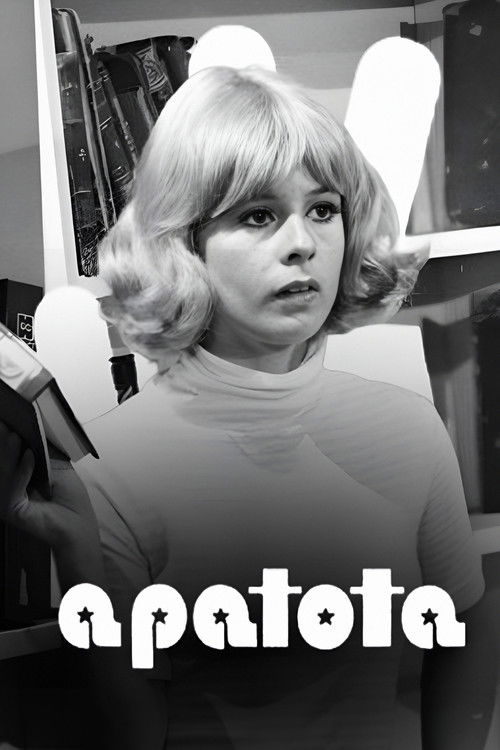
Class differences and a childhood dream are the highlights of "A Patota". Juliana, Vicente, Pedro, and Tião are children who live in a village where the poor and the rich coexist. They dream of traveling to Africa. Teacher Neli, her boyfriend Jorge, and Professor Simões join forces to help them realize this dream.
Matthew Hollis is man on holiday in Rio with his best friend. Both men have teenage daughters with them. When Matthew falls for his best friend's amorous daughter named Jennifer, they embark on a secret, if slightly one-sided relationship. Jennifer's father is furious when he finds out about the 'older man' in his daughter's life, and sets out to hunt him down with the aid of Matthew!
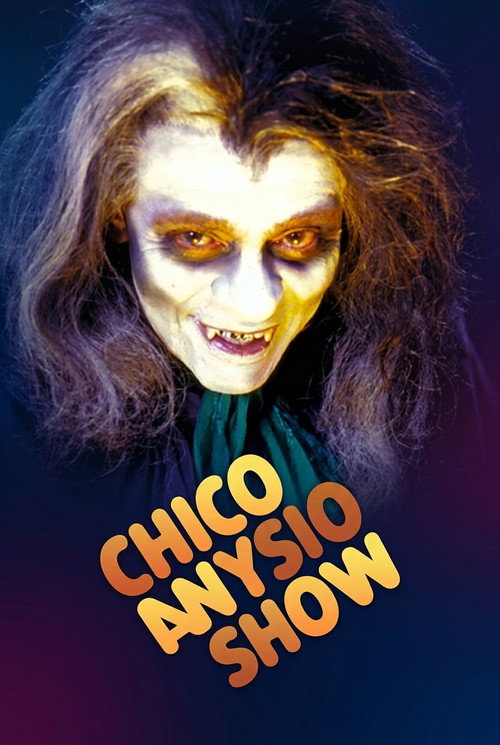
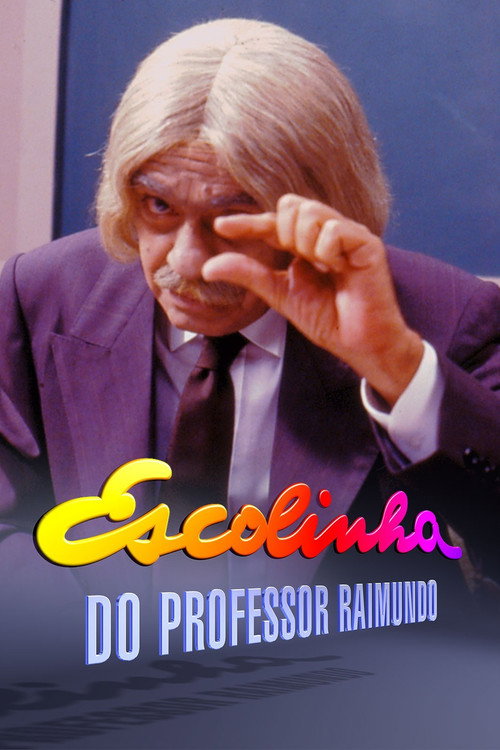
'Escolinha do Professor Raimundo' was a comedy program starring Chico Anysio, the unforgettable Professor Raimundo Nonato, and which brought together some of the biggest names in Brazilian comedy. Marked by informality and improvisation, the School was a landmark, immortalized catchphrases like "And the salary, huh?" and paved the way for new and established talents. Created in 1952 by radio host and comedian Haroldo Barbosa for Rádio Mayrink Veiga, the School arrived on TV five years later as a segment of the program Noites Cariocas, on TV Rio. For 38 years, the School was a segment hosted by Chico Anysio in various comedy programs. In 1990, it premiered as an independent program on Globo and became a classic of Brazilian television.