Directing
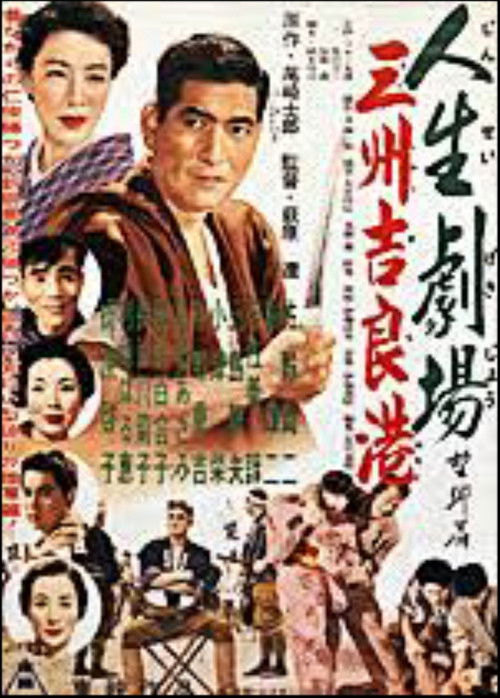
1954 Theater of Life adaptation.
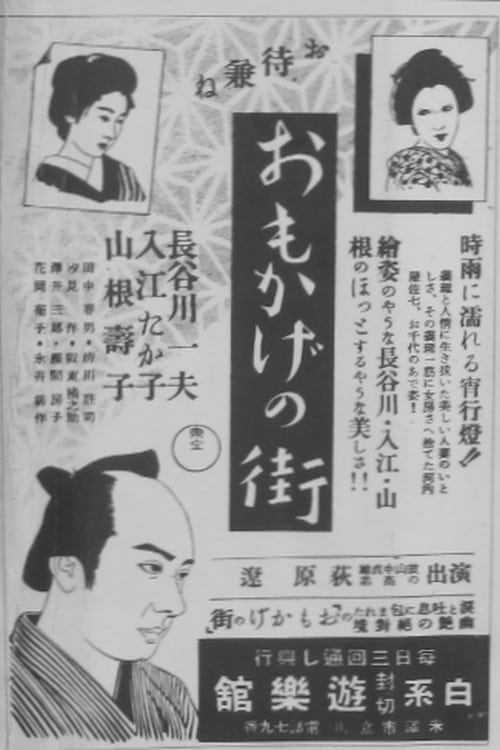
No description available.
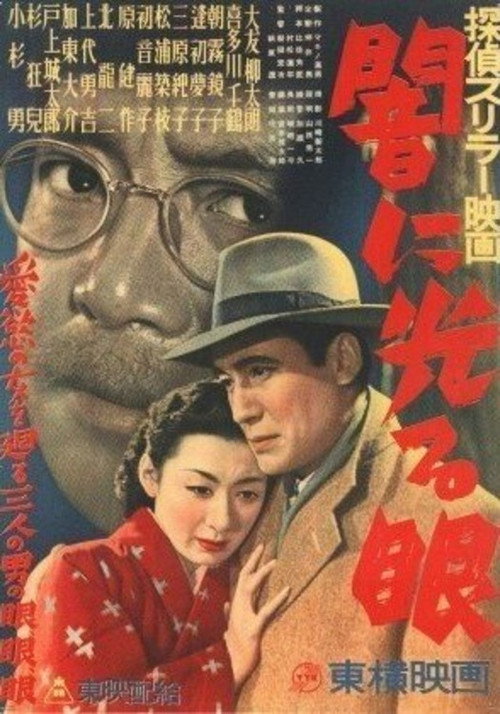
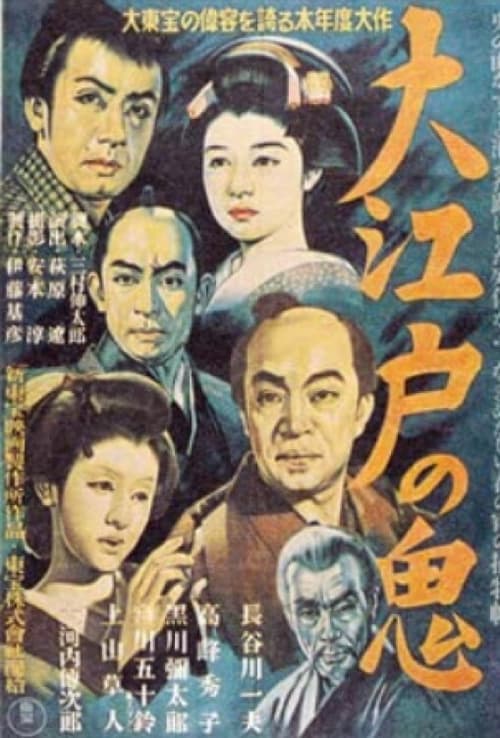
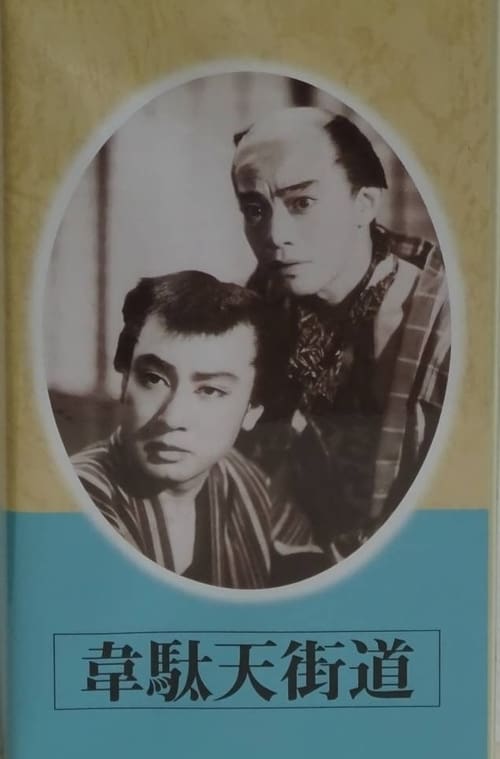
A 1942 film.
Pinku from 1969.
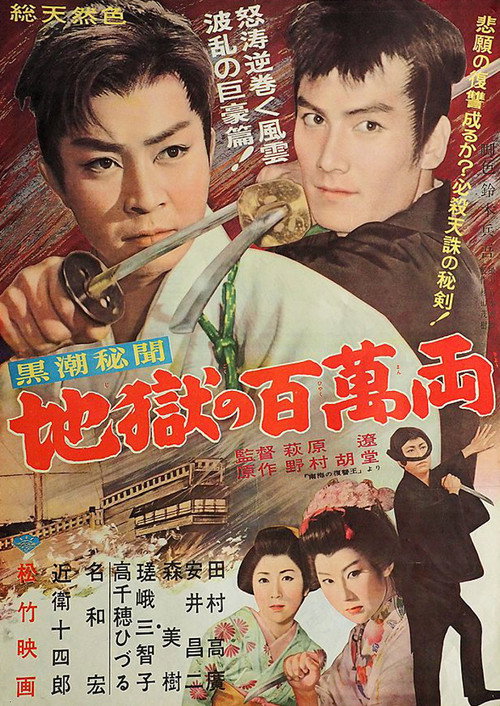
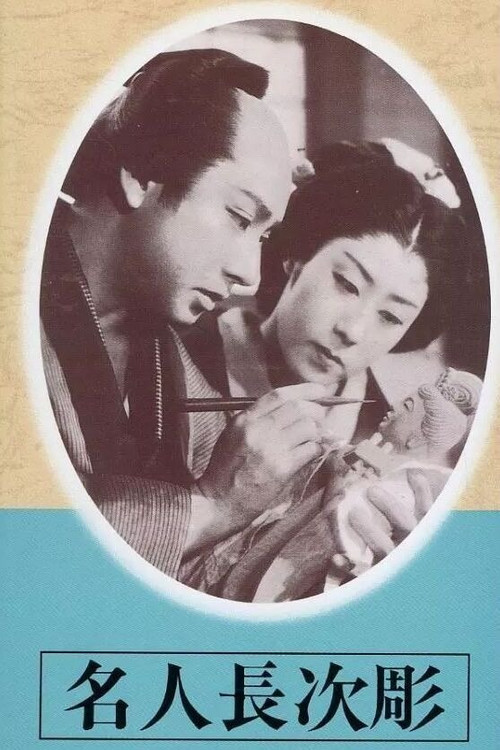
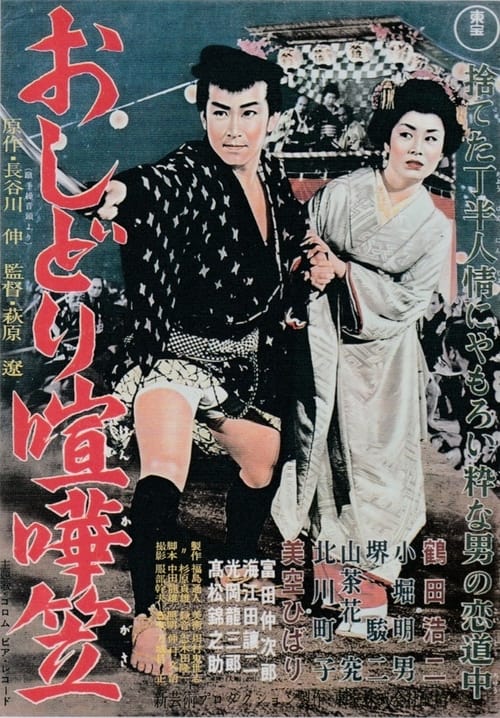
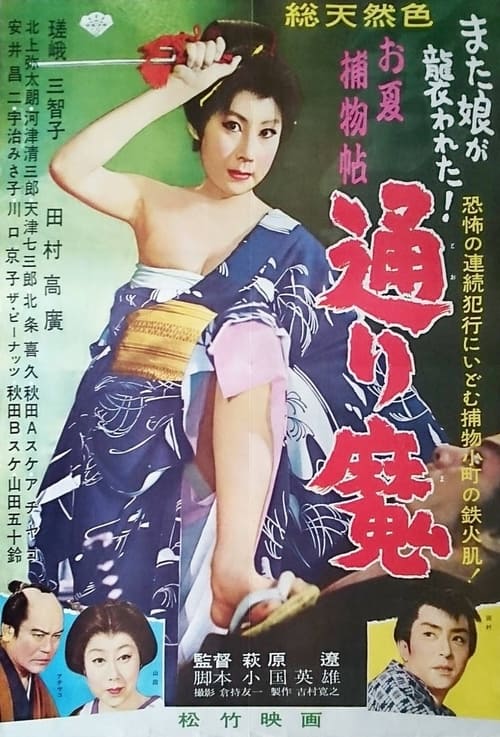
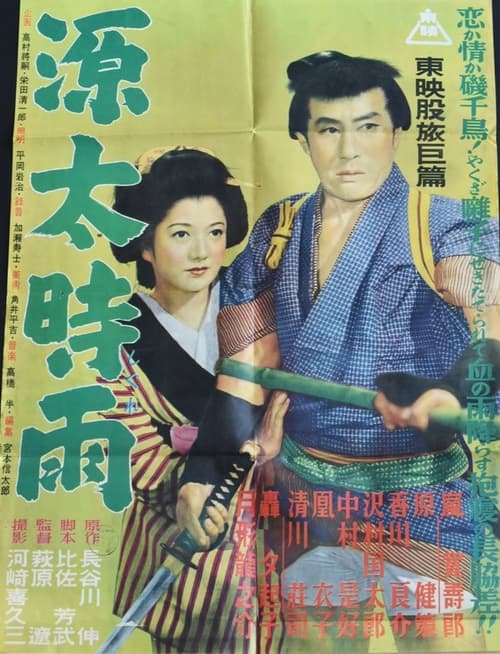
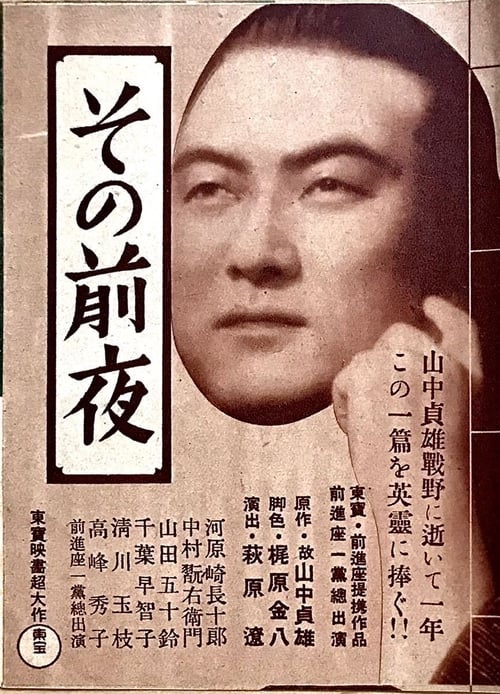
Jidai-geki by Ryo Hagiwara
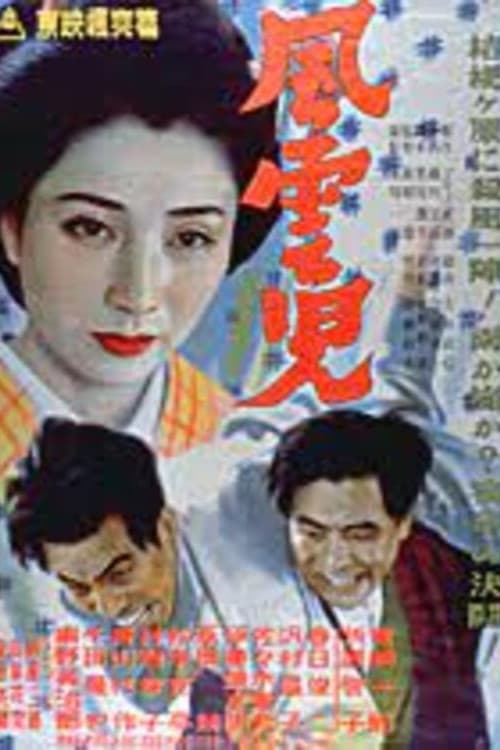
Yano, a progressive individual who seeks to overcome strength with gentleness and confronts physical power with moral principles, faces off against a man protecting jujitsu in the twilight of Kikyōgahara!
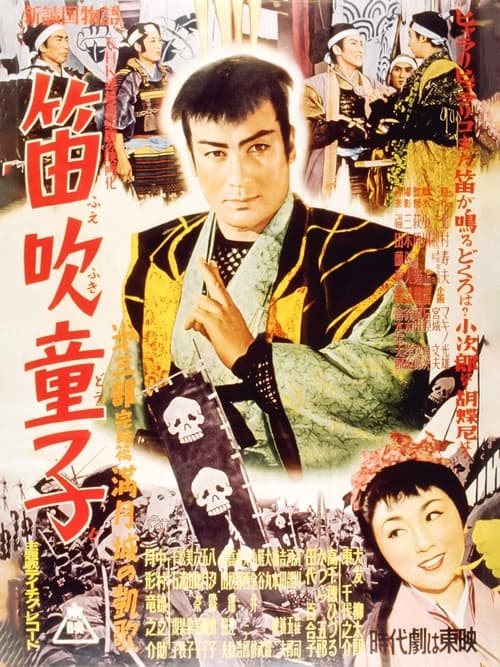
After the Onin War ended in 1477, Kyoto was left in ashes and the nation was in complete disorder. Bands of roving samurai called the "nobushi" terrorized the country under the leadership of Akagaki Genba and overthrew Mangetsu Castle in Tanba Province scattering the few survivors. Lord Niwa's two sons have been studying in China and return to Japan upon hearing of the tragedy in an attempt to restore the clan. On Mt. Oe they meet magician Kiri no Kojiro and try to enlist his aid. With touches of the supernatural and rousing sword-play can they succeed against the evil villains whose symbol is the skull mask?
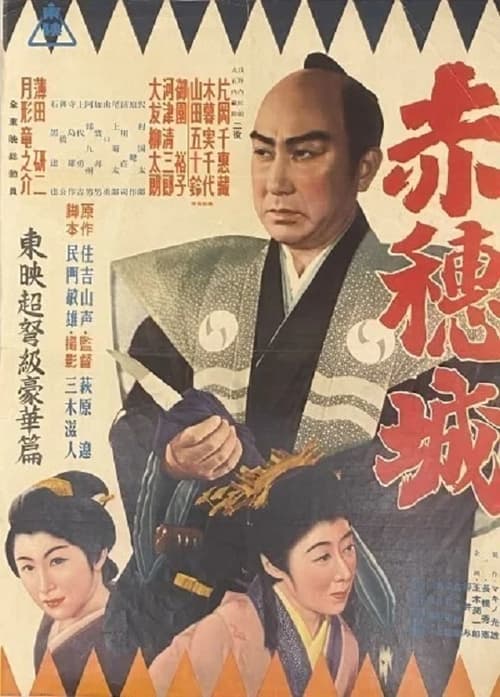
The film vividly shows the misadventures of Oishi Kuranosuke and the human dramas inside the castle, which lead to the surrender of Ako Castle after seppuku by its lord Asano Takumi-no-kami and the termination of his family's power. This is the first film of the Ako Castle trilogy.
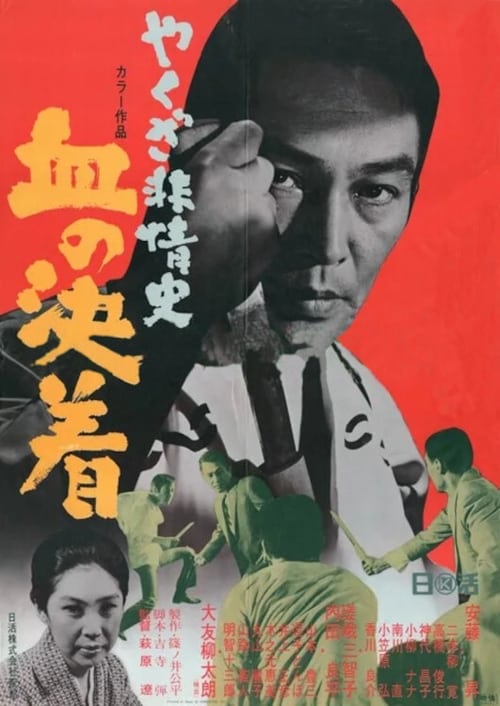
Japanese crime film
Third and last movie in the Yakuza Hijoshi trilogy.
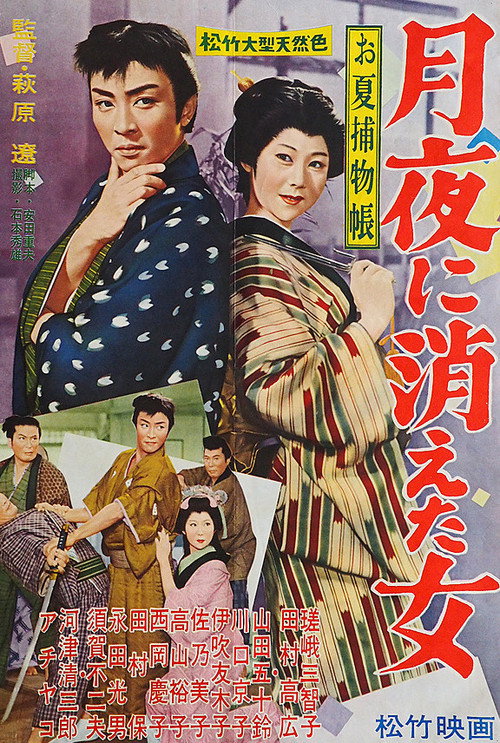
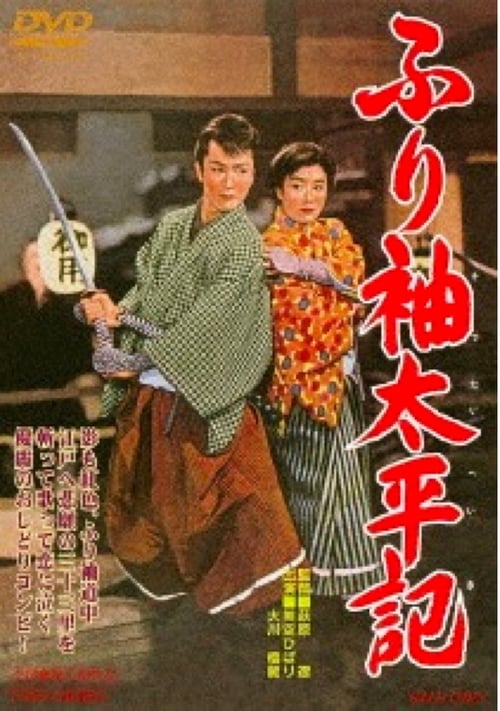
A young man and a woman are on a mission to protect a mysterious mirror that hides the secrets of a great fortune.
Ryō Hagiwara movie
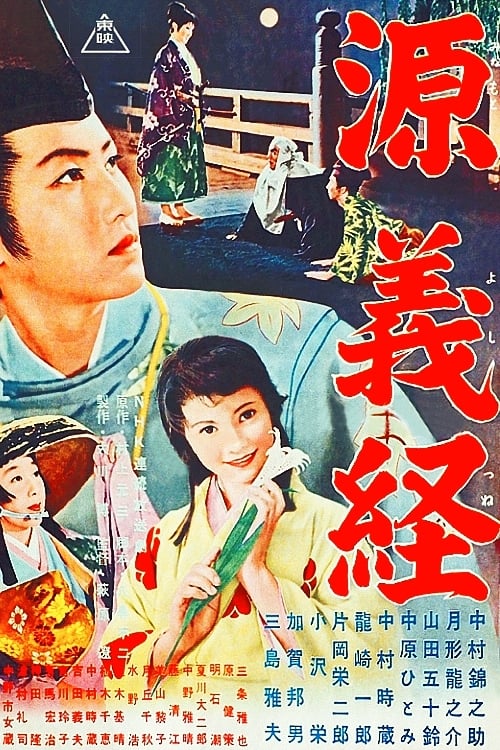
A historical scroll depicting the story of the tragic fate of the young samurai Minamoto Yoshitsune, based on the novel by Genzo Murakami. The action of the first part takes place in the late Heian period, when the Taira clan came to power, and Genji was oppressed. The great dream and ambitions of Genkuro Yoshitsune in his youth are depicted, he joins forces with his older brother Yoritomo to raise an army to defeat the Taira clan, and the second part depicts the fall of the clan, persecution and murder.
A forceful indictment of the devastating effects of war and nationalistic fanaticism on the average man, who, in the face of the absurdity of violence, is reduced to apathy or victimhood.