Evelyn Cherry
Directing
Biography
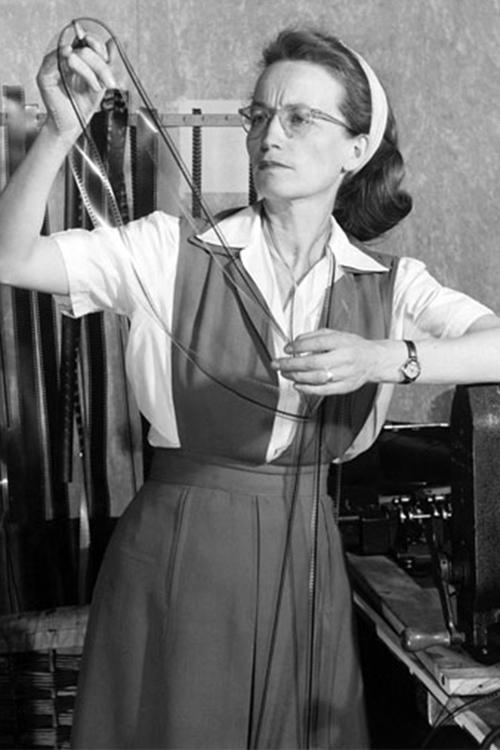
Evelyn Cherry was a Canadian documentary filmmaker, director, and producer. She is best known for her work as the head of the Agricultural Films Unit at the National Film Board of Canada and as a member of the British Documentary Film Movement.
Known For

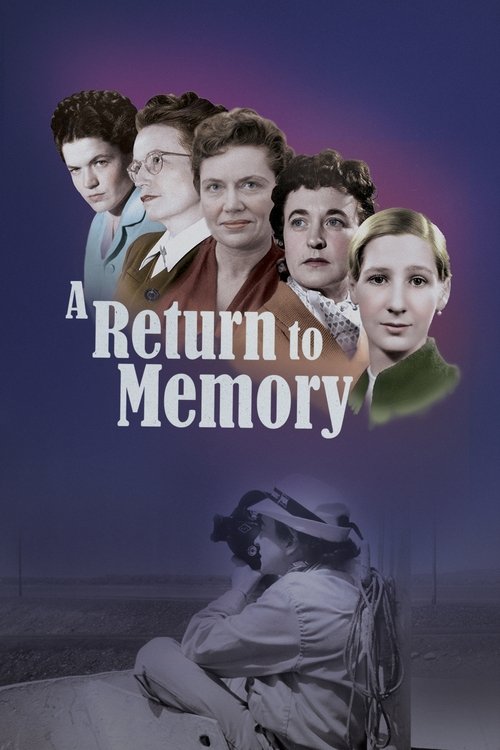
When Canada entered World War II, the National Film Board suddenly had an urgent new mission—and hundreds of women stepped forward, helping to create Canadian cinema as we now know it.
A Return to Memory

A playful and affectionate look at London Zoo and the people and animals who make up its daily life.
Behind the Scenes

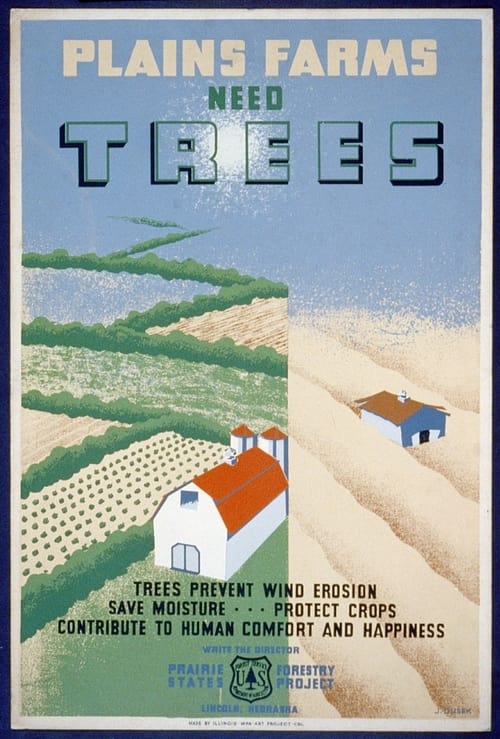
This short film serves as a cautionary tale to farmers who recklessly cut down trees on their land. When prairie farmers engaged in this practice to facilitate plowing, they discovered that the trees had served as windbreaks protecting top soil from erosion. The Dominion Department of Agriculture's experimental station at Indian Head, Saskatchewan, cultivated acres of young trees for distribution to farmers.
Windbreaks on the Prairies
Evelyn Spice Cherry talks about directing documentaries at the NFB during the Second World War. Cherry was one of the first women directors at NFB.
Making Movie History: Evelyn Spice Cherry
This short documentary profiles a 1949 meeting of the International Federation of Agricultural Producers in Guelph, Ontario. The IFAP plans to help solve the dire problem of world hunger—a problem sharpened by the birth of 55,000 more human beings, arriving "for breakfast," each day. Delegates emphasize the plight of the many nations who face starvation while others have a surplus of food. The conference challenges the world to succeed at implementing a proposed plan for the fair distribution of food.
55000 for Breakfast

This 1950s' film looks at the measures to preserve water flow from the Rocky Mountains. With the steady falling of the water table, the exploitation of timber stands and the recession of glaciers, water conservation was an urgent concern of the Alberta and federal governments.
Water for the Prairies

A farming community organizes to obtain hydro power under Manitoba's rural electrification plan. Energetic canvassing wins over those hesitant to share, for the good of all, the initial expense. The abundant return in comfort, convenience, efficiency and financial advantage is described in concluding sequences.
Farm Electrification
A Cockney lad trains to be a messenger boy.
A Job in a Million
Life on a farm at springtime, including blossom, piglets and ducklings.
Spring on the Farm

Contrasts traditional and modern village life, as changes occur with better transport and as country estates are sold off for housing.
Around the Village Green
Short documentary about weather forecasting, emphasising the importance of the GPO's telecommunications systems.
Weather Forecast
This short film takes a look at Saskatchewan’s air ambulance service, organized and operated by experienced flyers who provide speedy hospitalization and treatment to the ill and injured. Within 15 minutes of receiving a desperate phone call for help from a remote area, a plane is on its way, guided to the patient with the help of landmarks such as a coal bin or a thin column of smoke on a northern lakeshore.
Wings of Mercy
A film on soil conservation, showing problems facing farmers in different areas of Canada. Many scenes of soil eroded, gouged and leached out by water, and of soil blowing away, prove the ominous necessity of understanding and preserving the land if we are to continue to reap vital crops. The development of soil through the centuries, the particular conservation problems in eastern and western Canada, and how soil fertility may be restored and maintained are dealt with in detail.
Land in Trust
No description available.
Calendar of the Year

This short 1948 documentary focuses on the people of Annapolis Royal, Nova Scotia, and their efforts to create a recreation center. People from every section of the community contributed their services to planning and establishing this center, which then offered activities as varied as softball and library services.
When All the People Play
After a farm child becomes sick, a visit from the sanitary inspector points out various precautions for maintaining a clean water supply and preventing the spread of disease. The local school is also given pointers on better sanitation.