Flora Dias
Camera
Known For
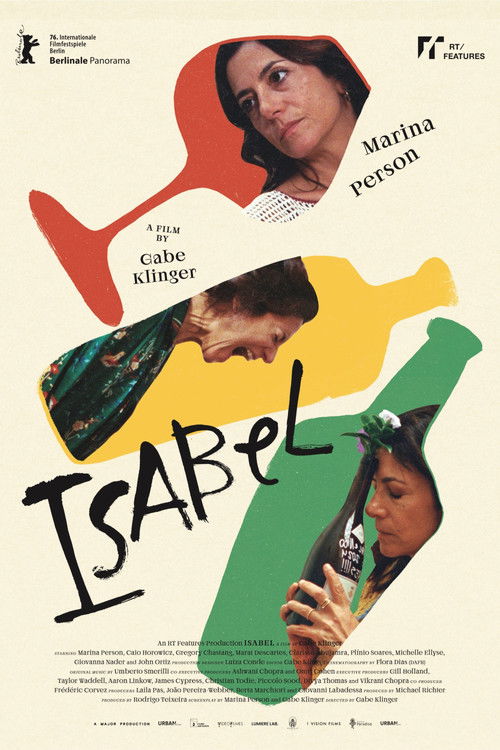
Isabel, a sommelière in São Paulo, dreams of escaping her boss and opening her own bar. When plans don’t go as expected, she must decide whether to halt everything or take bold steps to uncork her fate on her own terms.
Isabel

The year is 1984. Estela is going through the turbulent phase of adolescence. Sex, lovers, friendships; everything seems very complicated. Her uncle Carlos is her hero, and visiting him in California is her biggest dream. But everything collapses when he returns thin, weak and ill. Between crises and discoveries, Estela will face a reality that will forever change her way of seeing the world.
California
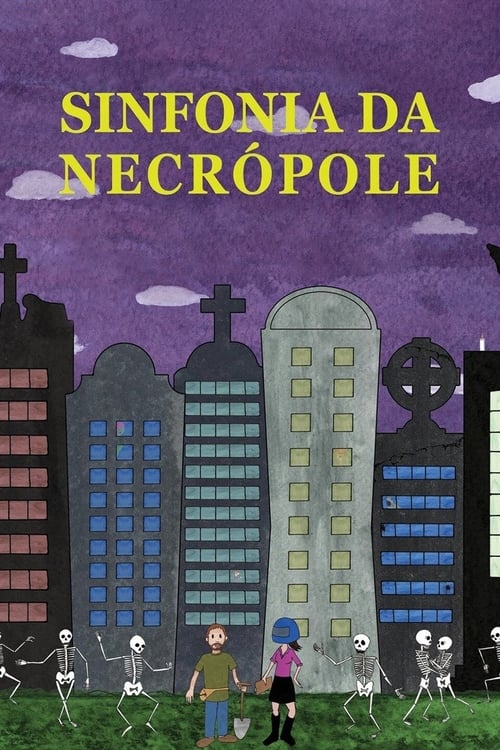
In the city of São Paulo, the routine of gravedigger apprentice Deodato changes when a new working girl arrives at the cemetery. Together, they must re-register the abandoned tombs, but strange events make the apprentice wonder about the consequences of messing with the dead.
Necropolis Symphony

Two girls have a chance encounter and instantly befriend. While trying to find themselves, they decide to pursue music together.
Ana e Vitória
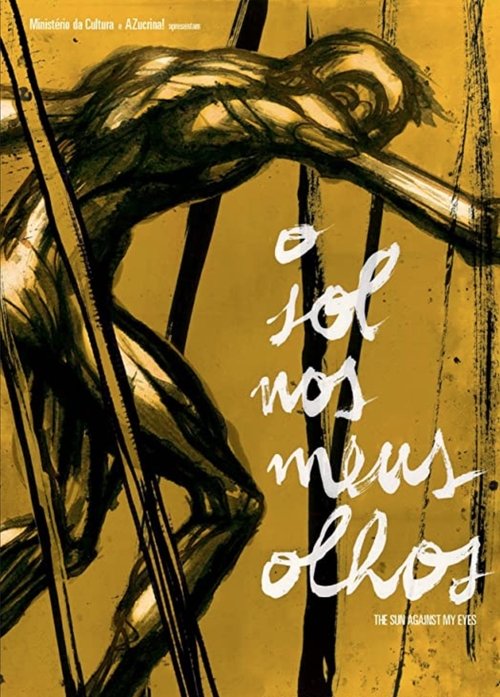
A man gets home and finds his wife dead. In a silent impulse he takes her body and plunges on the road. This man had never left his hometown, Brasília. When his wife dies, he leaves pushed by this emotional collapse, and submerges the road and it’s fortuity, searching to reconstruct his own reality. She survives in his memory. The road and its environment play an essential part in this man’s process: the landscape and the people, spontaneously. The Sun Against My Eyes follows this trip, from the countryside plateau to the fluminense hills.
The Sun Against My Eyes
No description available.
Oceânico
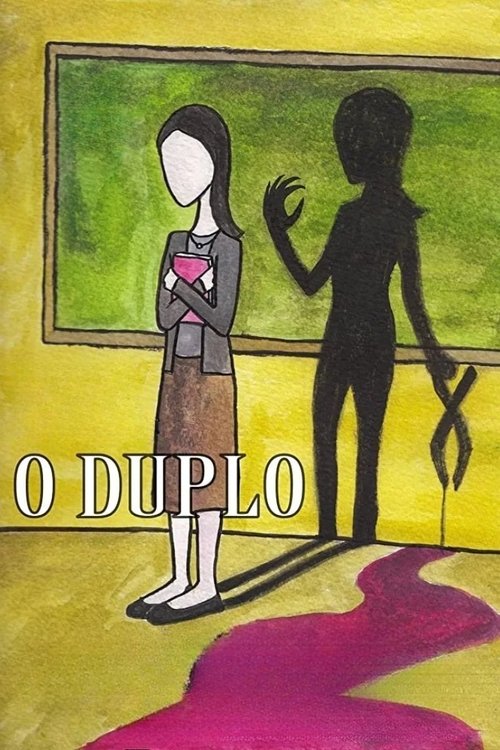
Silvia is a young teacher at an elementary school. One day, her class is interrupted when the students notice her double walking on the other side of the street. Silvia tries to ignore the apparition, but this strange event begins to permeate her daily life and transform her pesonality.
Doppelgänger
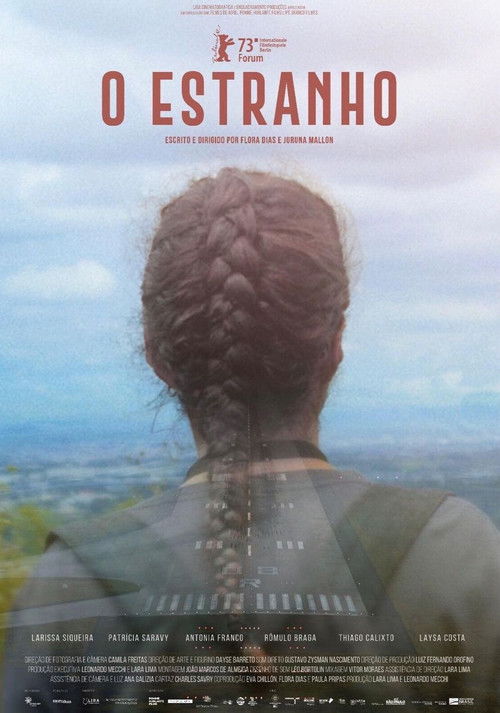
The name of Brazil’s biggest airport, Guarulhos, references the fact that it was built on indigenous territory. In a blend of realistic and stylised scenes, the film follows a member of the ground staff as she seeks her roots beneath the runway.
The Intrusion
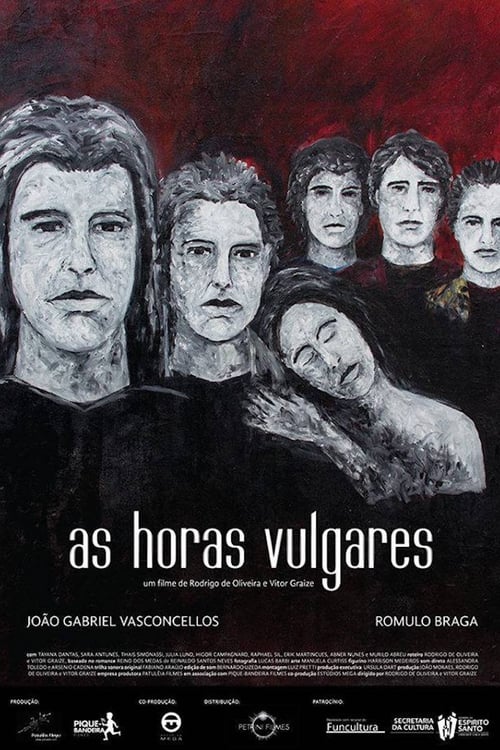
The painter Lauro seems to have a good life: he lives with his beloved wife Erika, and is successful working with art. However, he is not happy. One day, Lauro runs into Theo, a friend he hasn't seen in years. Both have already been in love with the same girl, Clara, who no longer lives in the city. It doesn't take long for the two to start remembering them as stories from the past, while taking a long walk through the streets of Vitória.
As Horas Vulgares

One day, Eduardo arrives at his house and discovers that Julia, his wife, tried to commit suicide. She left her husband and two children without saying goodbye. After some time, she comes back home. He tries everything to set her straight, but the impossibility of knowing her fully grieves him. The shadow of the suicide and the inevitable ghost of a new chance hover over their heads. Eduardo insists on understanding his wife, but an increasing jealousy and an unexpected discovery of her past torture him. He does not realize that, most of the time, the search for control easily becomes an obsession.
Ballad of Return
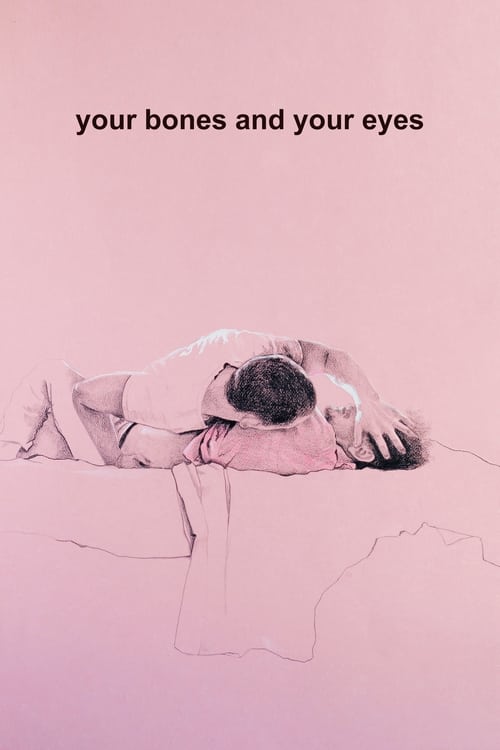
João, a middle-class filmmaker, goes through a series of encounters with people like his long-time friend Irene; his boyfriend Álvaro; Matias, a young man he meets in the subway and has a sexual experience with, among others, some acquainted, others unknown. These encounters affect him and slowly begin to reveal a play of time frames which blends together life and creative process, present and memory.
Your Bones and Your Eyes
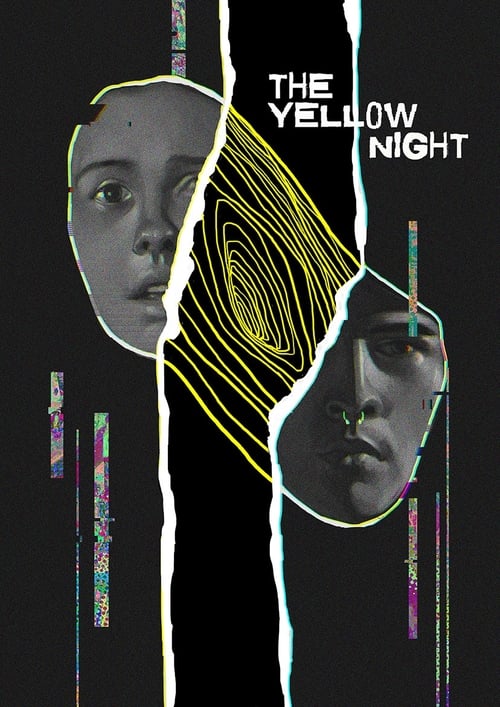
A group of friends travels to a beach house on an island on the brazilian seaside to celebrate the end of high school, a place virtually no one else inhabits and which is almost always dark. However, their drollery and parties are cut short by the feeling that the place shelters an unfathomable horror.
The Yellow Night

The series tells the story of the São Paulo International Film Festival, one of the most traditional cultural events in Latin America. For 48 years, the festival has showcased hundreds of films from all over the world, bringing vibrancy to the city. Filmmaker Marina Person provides an irreverent perspective, highlighting the exciting and unusual stories that have marked the festival’s journey of resistance. The series reveals the individuals who have embraced the challenge of organizing this significant cultural event in Brazil every year, despite often challenging conditions.
Viva o Cinema! Uma História da Mostra de São Paulo

Close to turning forty and away from his job as a librarian due to depression, Marcos needs to take care of Baby, his sister's pet dog. Isolated in an apartment in the city center, Marcos relies on the support of analyst Dr. Juliana R., who sees him in therapy sessions. Together, they look for ways to deal with the grief over the death of his ex-boyfriend, Pedro, and the arrival of a new love, Gabriel. Baby, a special hairless dog of Aztec origin, will redefine his relationship with the world of the dead and the living as well.
Not Even God Is As Fair As Your Jeans
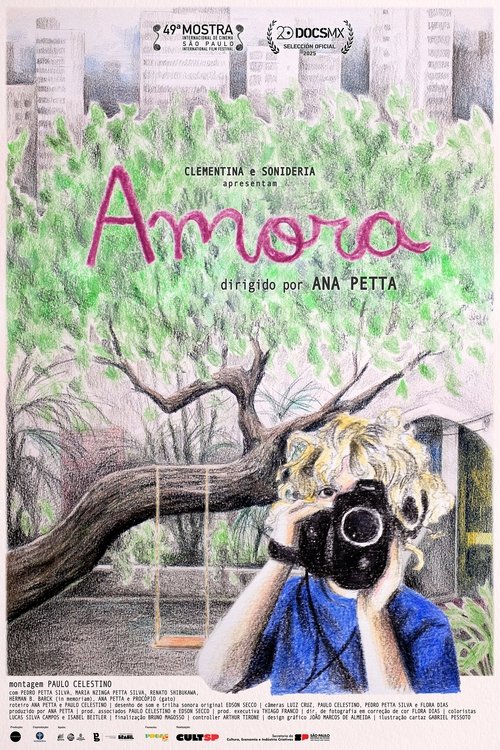
No description available.
Amora
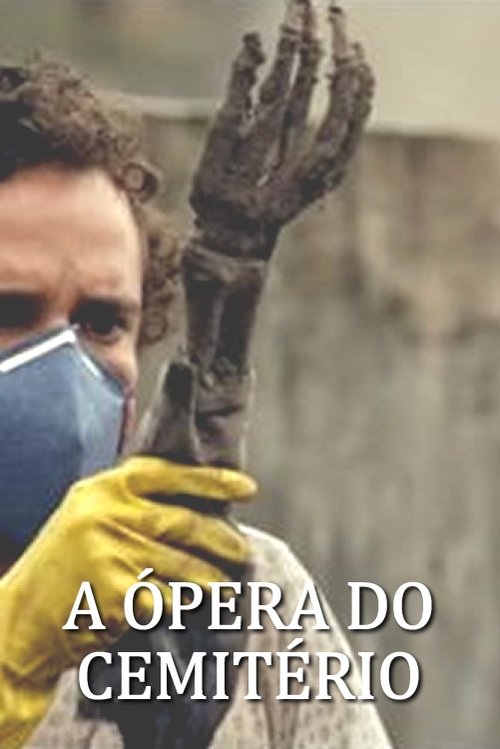
Young gravedigger apprentice Deodato's job is at risk. The other gravediggers doubt his ability to do the work. His uncle Jaca tries to make him appreciate the job, but it's useless: the work distresses Deodato, who has artistic aspirations. He prefers to play the church organ in secret and wander around the cemetery writing poems. After fainting during one of the burials, he is called to the office, where he is confronted by Aloizio, the cemetery administrator...
A Ópera do Cemitério

Simple, emotionally compelling documentary that delves into the songs that hold meaning in people's lives. It is composed of 18 sessions where the director engages his subjects in conversation about the song they picked. The end product is deeply personal stories about music and its intimate connection to memory, love, loss, self-discovery, regret, death, and life.
Songs

Two girls star in this musical drama amazing road! A van, a beach, a reed, very homesick, girls in flower perched at gas stations… and a little music.
The Scape of the Monkey Woman
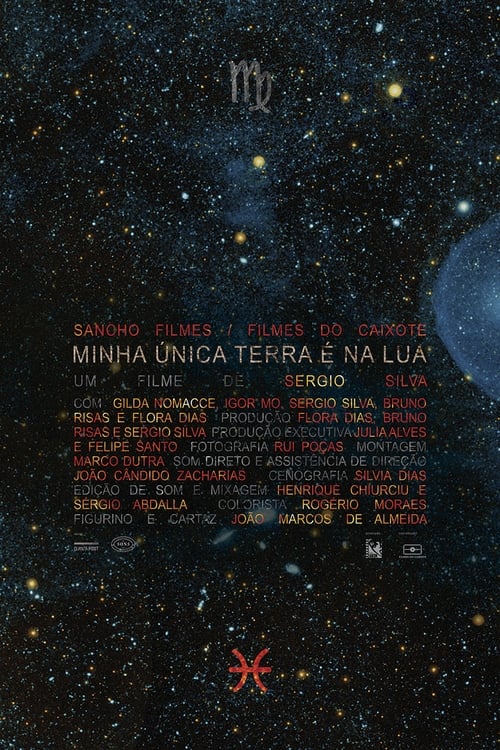
Sergio answers 36 questions to make Gabriel fall in love. Did you know Glauber was a Pisces?
My Only Earth Is in the Moon

A film about love, also a memoir, about the trip made in the 1970s to Morocco by Jarda Ícone, an artist, sexologist, and octogenarian rocker, as she defines herself, and Lírio Terron, a human rights activist. In fact, a journey that is not over in their lives. Jarda Icon teaches classes on how women can obtain their own orgasm. With her group of disciples and friends Ana Brasil, Sheyla Fernanda, Caroline Sylvie and Lakshmi she develops self-sustainable feminist and artistic projects. The film is political, but not at all politicized in the traditional sense. It is an ode to the underground and counterculture movements, it is a hymn to freedom, and its title is also a tribute to Oswald d Andrade, one of the main names in Brazilian modernism.