FEEL IT.STREAM
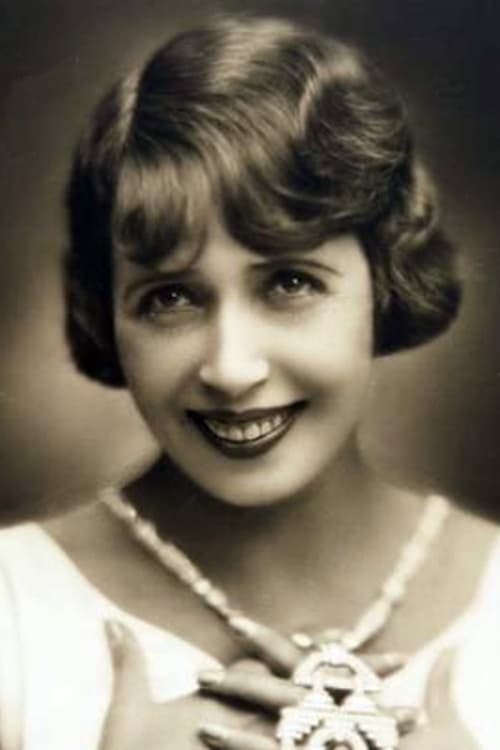
Mistinguett

Mistinguett

Acting

Biography

Mistinguett (born Jeanne Florentine Bourgeois; 5 April 1873 – 5 January 1956) was a French actress and singer. She was at one time the highest-paid female entertainer in the world. The daughter of Antoine Bourgeois, a 31-year-old day-labourer, and Jeannette Debrée, a 21-year-old seamstress, Jeanne Bourgeois was born at 5 Rue du Chemin-de-Fer (today Rue Gaston-Israël), in Enghien-les-Bains, Val-d'Oise, Île-de-France, France. The family moved to Soisy-sous-Montmorency where she spent her childhood; her parents later worked as mattress-makers. At an early age Bourgeois aspired to be an entertainer. She began as a flower seller in a restaurant in her hometown, singing popular ballads as she sold blossoms. After taking classes in theatre and singing, she began her career as an entertainer in 1885. One day on the train to Paris for a violin lesson, she met Saint-Marcel, who directed the revue at the Casino de Paris. He engaged her first as a stage-hand, and here she began to pursue her goal to become an entertainer, experimenting with various stage-names, being successively Miss Helyett, Miss Tinguette, Mistinguette and, finally, Mistinguett. In the 1880s Mistinguett visited her neighbour Anna Thibaud to ask for advice. Thibaud told her, "To succeed in the theatre ... you must be pretty. You must excite men." Mistinguett asked if she meant that she had to excite the crowds. Thibaud repeated, "No, the men!" Bourgeois made her debut as Mistinguett at the Casino de Paris in 1895 and went on to appear in venues such as the Folies Bergère, Moulin Rouge and Eldorado. Her risqué routines captivated Paris, and she went on to become the most popular French entertainer of her time and the highest-paid female entertainer in the world, known for her flamboyance and a zest for the theatrical. In 1919, her legs were insured for 500,000 Francs. Though Mistinguett never married, she had a son, Leopoldo João de Lima e Silva, born in 1901, from a liaison she had with a Brazilian diplomat, Leopoldo José de Lima e Silva (1872-1931). She also had a long relationship with Maurice Chevalier, 13 years her junior. It is claimed that she and Chevalier informed the police in 1940 that singer-songwriter Charles Trenet was gay and consorting with youths. She first recorded her signature song, "Mon Homme", in 1916. It was popularised under its English title "My Man" by Fanny Brice and has become a standard in the repertoire of numerous pop and jazz singers. During a tour of the United States, Mistinguett was asked by Time magazine to explain her popularity. Her answer was, "It is a kind of magnetism. I say 'Come closer' and draw them to me." Mistinguett died in Bougival, France, at the age of 82, attended by her son, a doctor. She is buried in the Cimetière Enghien-les-Bains, Île-de-France, France. Source: Article "Mistinguett" from Wikipedia in English, licensed under CC-BY-SA 3.0.
Known For

No image
N/A

No description available.

Système 2

1975
Paris 1900
5.7

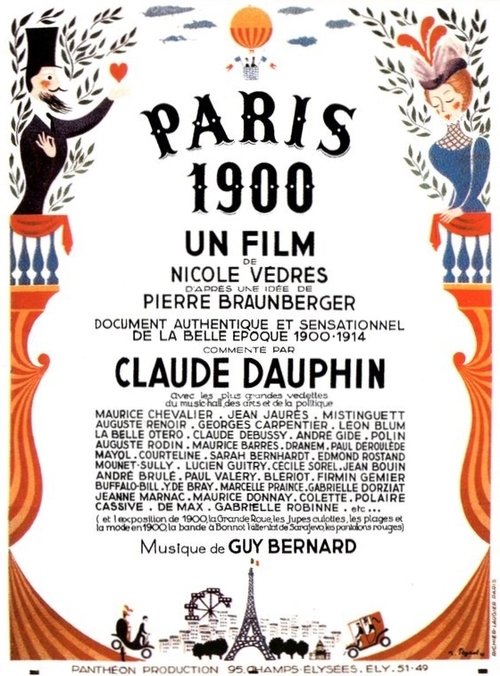
Nicole Védrès' chronicle of Paris from 1900 to 1914 is brought to life through the use of original material, all authentic, secured from more then 700 films belonging to public and private collections. A few of the celebrities of the time shown are Enrico Caruso, Sarah Bernhardt, and Maurice Chevalier.

Paris 1900

1948
No image
8.0

The Thenardiers and their small daughter, Eponine, and young son, Gavroche, are seen at their dingy country tavern. Here little Cosette, the daughter of Fantine, is seen performing drudgery and menial tasks. The Thenardiers are treating their own children kindly, but are cruel to Cosette.

Les Misérables - Part 3: Cosette

1913
No image
1.0

The story begins with Jean Valjean as a humble worker endeavoring to provide for his invalid mother. They live in a squalid home, made more wretched by his inability to provide sufficient food. He goes out in search of work, but is unsuccessful. Finally, in desperation, he steals a loaf of bread regardless of consequences. He hastens home with it, pursued by a crowd, and gives it to his mother. Valjean is arrested for the theft and sentenced to five years at hard labor.

Les Misérables - Part 1: Jean Valjean

1913
No image
5.3

Lina Bourget, a realist singer, is forced to leave Dakar because of a murder she believes she has committed. Taking refuge in Paris, she unexpectedly becomes a star in the capital.

Rigolboche

1936
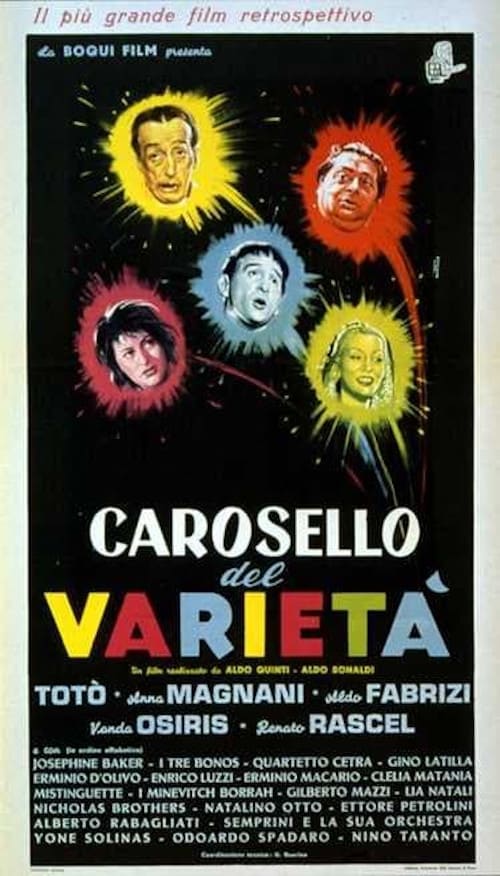
Variety carousel
6.8

A painter gives his daughter a television set for her 18th birthday. On the evening of the party, the family sits in the living room and watches a series of variety shows taken from the sets of theatrical performances and various films recited by the famous Totò,

Variety carousel

1955
Flower of Paris
9.0

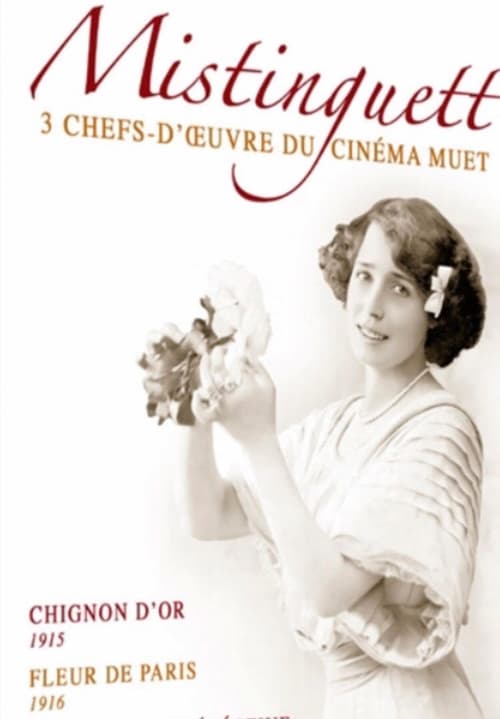
Fleur de Paris has Mistinguett playing herself in a double role as two very different characters. One role has her performing as a music hall star, whose popularity leads an American impresario to lure her with a lucrative offer to tour the United States. The other role turns her into Margot Panard, a young working-class dressmaker lured to the theater by posters of Mistinguett.

Flower of Paris

1916
No image
7.0

The rebellion of 1832 is on. There is rioting and barricading in the streets. Marius in despair, and in the hope that a bullet will soon end his life, joins the mob and becomes a fighter in the ranks of the insurgents.

Les Misérables - Part 4: Cosette and Marius

1913
No image
1.0

Jean Valjean, guilty of a minor theft of food, is pursued and hounded for years by a relentless lawman, Javert.

Les Misérables - Part 2: Fantine

1913
No image
5.5

La Glu tells the story of a woman, separated from her husband, and of evil reputation, who at a summer resort tries to capture the fortune of a wealthy aristocrat whose nephew had been in love with her, and is herself caught in the toils of her interest in a poor and primitive Breton lobster-fisherman. His simple soul discovering the past career and the heartlessness of the Parisian woman, in despair he tries to kill himself by throwing him-self on the rocks. When the Glu, the name given to the woman in question, tries to see the youth, his mother kills her with a mallet on the steps leading to the room of the invalid.

The Siren

1913
No image
6.7

Shy Rigadin decides to visit some friends of the family, but they are called away and when out the servants play high society, dressing up and partying. Which is when Rigadin enters…

Les timidités de Rigadin

1910
No image
7.0

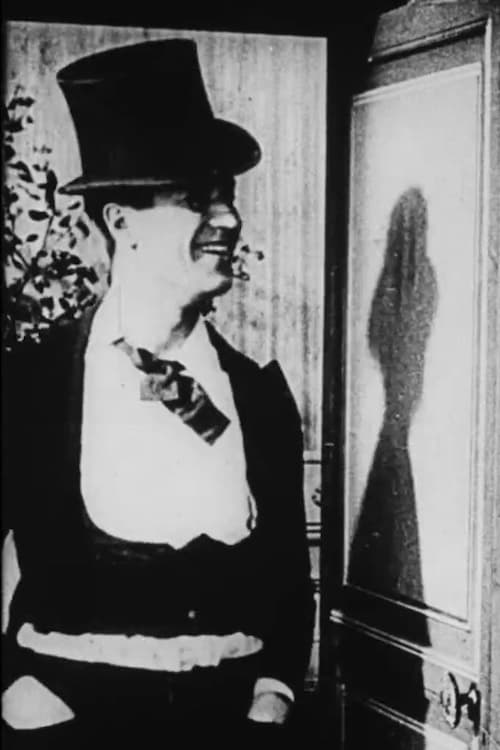
A bored pasha in an undisclosed country (possibly Morocco?) has his ennui broken by a Charles Prince character dressed as a ballerina.

The Clown and the Pasha

1910
The Gold Chignon
9.0

No description available.

The Gold Chignon

1916
The Terror
6.5

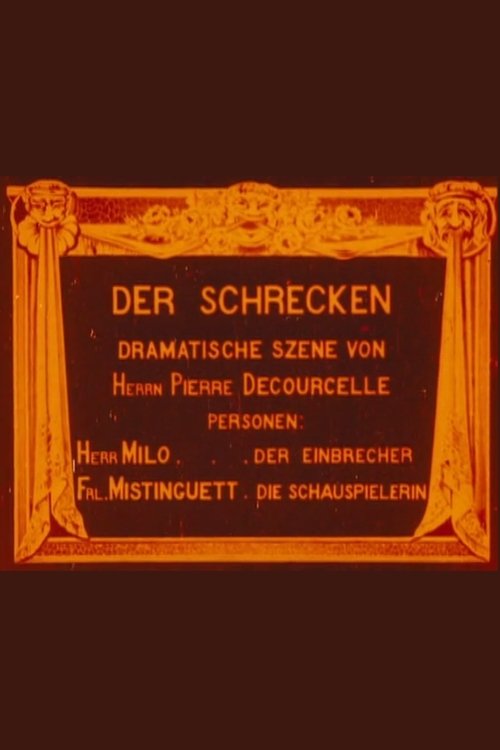
An actress returns from the theatre and discovers her apartment has been burglarized; she lights a cigarette and the room catches fire; the burglar saves her life, and she, in return, saves his, and he returns her jewels.

The Terror

1911
The Red Hand
8.0

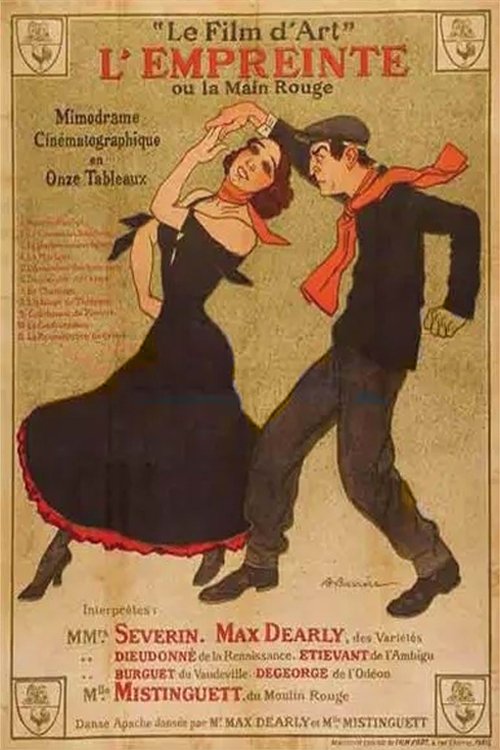
Who killed this man to rob him of his money in this notorious neighborhood of Paris? The usual local scoundrel such as the one that has almost been lynched by the mob and arrested by the police? Not at all. In fact the poor man is innocent, even though appearances are deceiving. The real culprit is a respectably-looking man who, to divert suspicion, has put some blood of his victim on his fingers and some of the stolen money in his pockets while he was asleep.

The Red Hand

1908
No image
5.3

Charles Prince is married to Mistinguett, but she's too busy being a doctor to tend to her wifely duties, so he seeks entertainment elsewhere in this short from Pathe Freres.

The Lady Doctor

1911
Une soirée mondaine
N/A

A man and a woman crash a party

Une soirée mondaine

1917
Joséphine Baker en couleur
7.7

No description available.

Joséphine Baker en couleur

2005
No image
8.0

No description available.

Le jupon de la voisine

1910
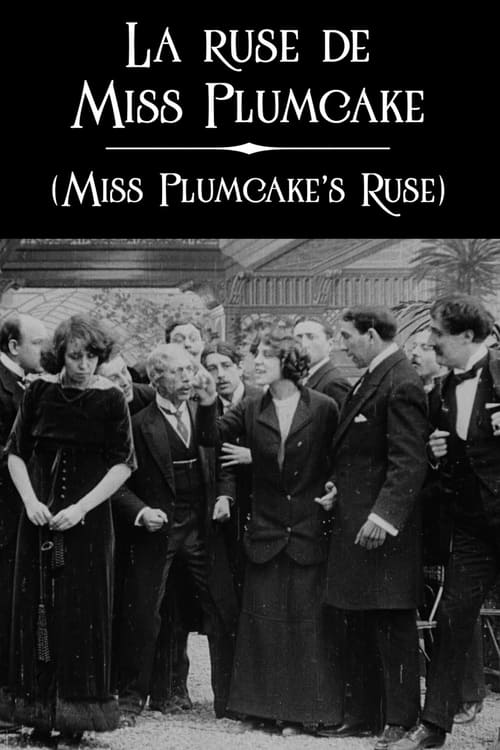
Miss Plumcake’s Ruse
9.0

French comedy short.

Miss Plumcake’s Ruse

1911