Acting
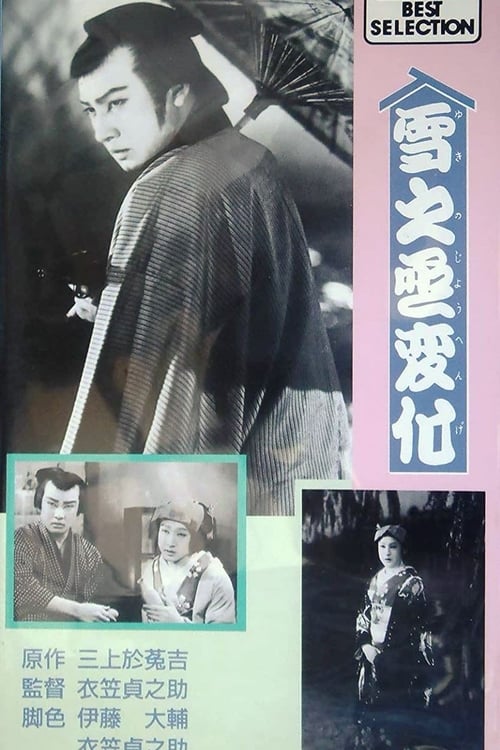
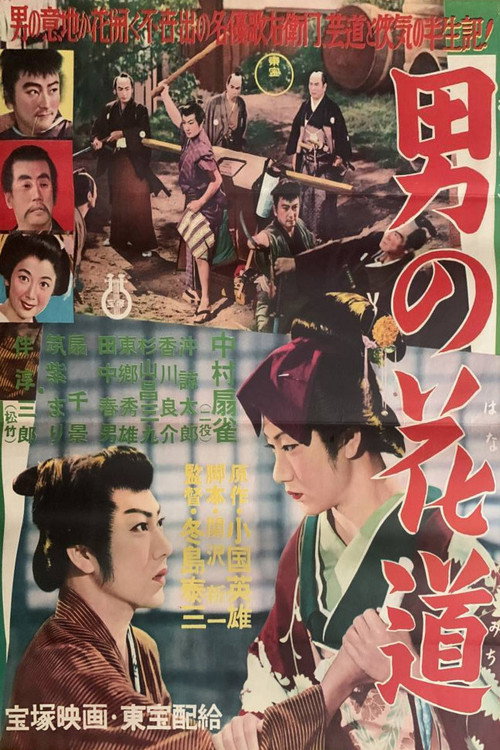
An onnagata (female impersonator) of a Kabuki troupe avenges his parents' deaths. Remade in 1963 as Yukinojô Henge.
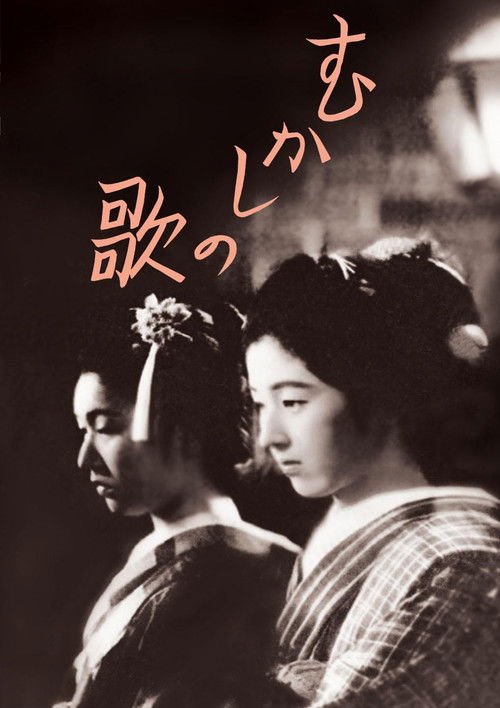
A mournful masterpiece by Kinugasa Teinosuke
Japanese film.
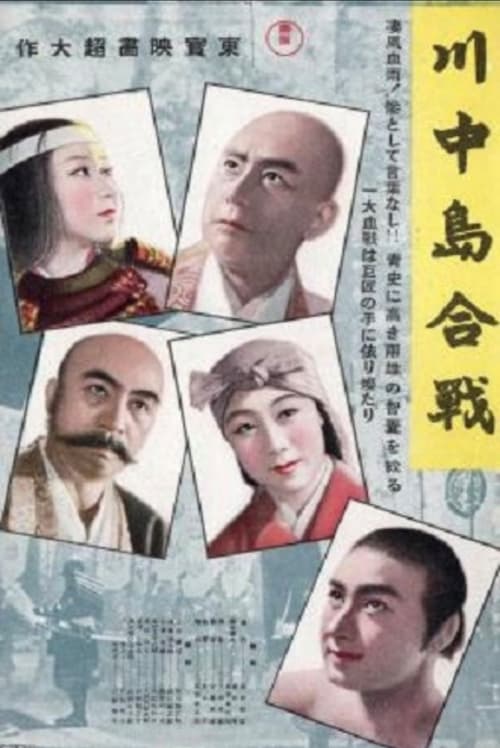
This epic depicts the battle between Uesugi Kenshin and Takeda Shingen. The focus of the story is the struggle by the unit leader in charge of the main supply wagons and the supply troops to transport materiel to the Uesugi army. To this are added episodes involving an itinerant woman.
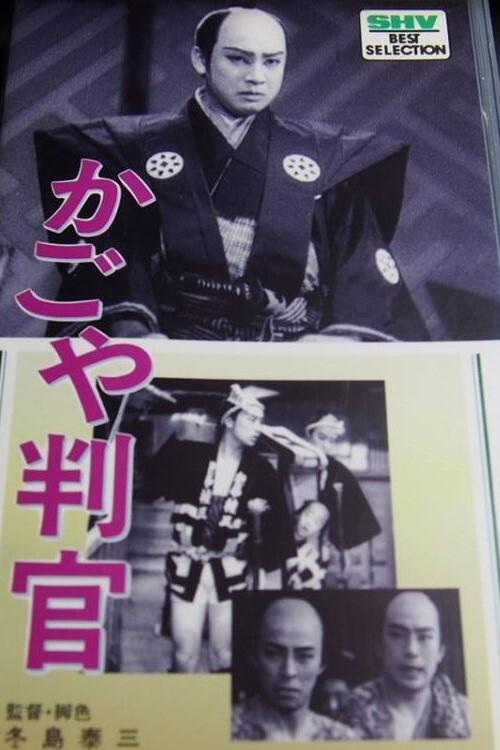
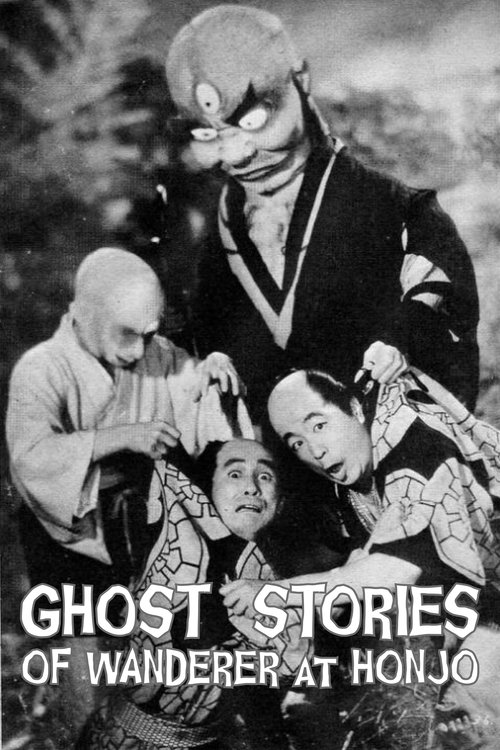
Two cowardly palanquin carriers know the culprit of a murder, but are too scared to report it to the police. In the meantime, an innocent man is arrested as the murderer and chaos ensues.
No description available.
Set against the 1877 Satsuma Rebellion, two Osaka families navigate the radical social shifts of the early Meiji Era. As the merchant class ascends to economic prominence, the former samurai class faces a steady decline in status and traditional structure.
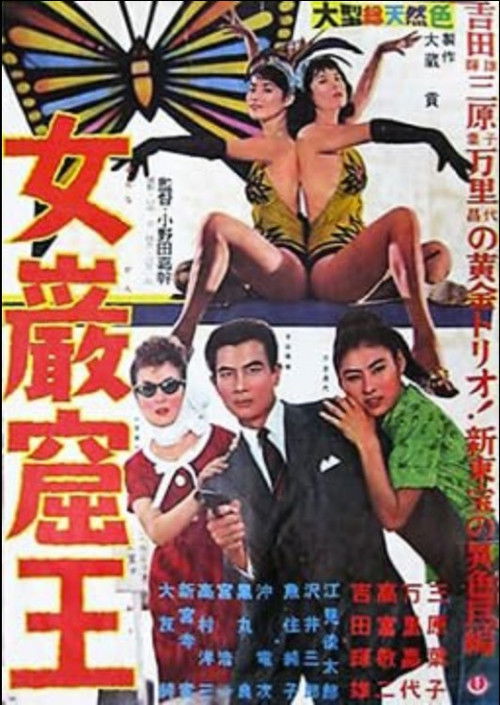
Rumi (Yoko Mihara) and Emi (Masayo Banri) are sisters who dance nightly at the Blue Moon cabaret, which happens be the headquarters of a drug ring. Offstage, Rumi captivates the gang boss, Iwahara (Shuntaro Emi); while Emi attracts the portly club manager, Yajima (Saburo Sawai). Meanwhile their older brother Shinichi (Ryo Kuromaru), a seaman, is unwittingly assisting Iwahara with his drug running. When Shinichi’s ship is sea-jacked by another drug gang, an outraged Iwahara suspects him of treachery and has him beaten and confined in a dungeon-like basement. Rumi and Emi try to free him, but a gang hitman discovers them - and their attempt ends in failure. Now under suspicion themselves, the girls try to escape, but luck goes against them and they are taken to an island where Iwahara and his crew plan to ambush the rival gang.
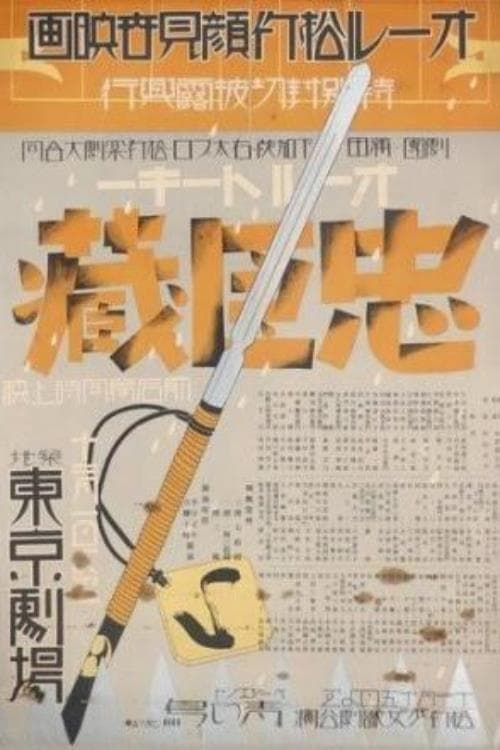
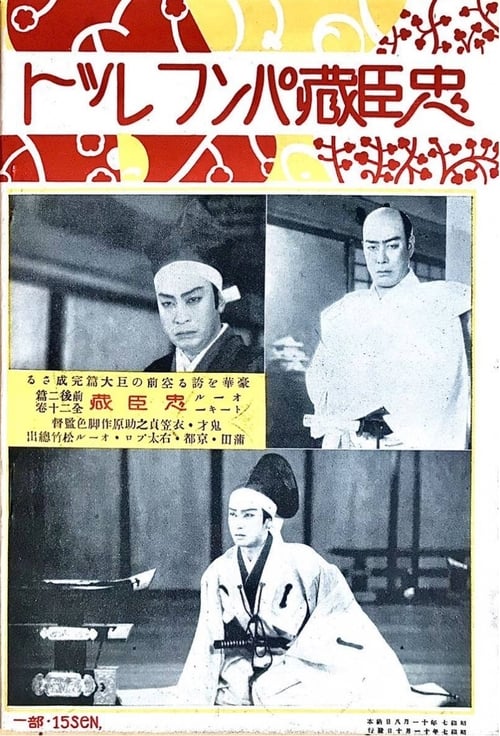
This 1932 adaptation is the earliest sound version of the ever-popular and much-filmed Chushingura story of the loyal 47 retainers who avenged their feudal lord after he was obliged to commit hara-kiri due to the machinations of a villainous courtier. As the first sound version of the classic narrative, the film was something of an event, and employed a stellar cast, who give a roster of memorable performances. Director Teinosuke Kinugasa was primarily a specialist in jidai-geki (period films), such as the internationally celebrated Gate of Hell (Jigokumon, 1953), and although he is now most famous as the maker of the avant-garde silent films A Page of Madness (Kurutta ichipeji, 1926) and Crossroads (Jujiro, 1928), Chushingura is in fact more typical of his output than those experimental works. The film ranked third in that year’s Kinema Junpo critics’ poll, and Joseph Anderson and Donald Richie noted that 'not only the sound but the quick cutting was admired by many critics.
Kizaki, an upstart at a trading company has one more assignment for the day before meeting his lovely girlfriend, Natsuki for a date. Little does he know that he's walking straight into a trap set up by his boss, Asanuma and his murderous right hand man. The next day Kizaki finds himself framed for the murder of the company president, and the robbing of the company safe. Natsuki innocently waves goodbye to her loved ones as the boat sails only find herself caught in Asanuma's evil scheming and the object of his lust. In a desperate attempt to escape, she falls to the watery depths. When we next see her she has washed ashore like a siren in the nude on a deserted island inhabited by five castaways who fight each other for her. She learns there's a rich wealth of clams underwater and eventually comes into a large fortune in pearls. Once rescued, she returns to Japan with revenge on her mind.
A samurai rescues a mischievous tanuki from hunters and sets it free. When the samurai's wastrel son hatches a plot to kill his father for his fortune, the magical tanuki is determined to protect its rescuer.
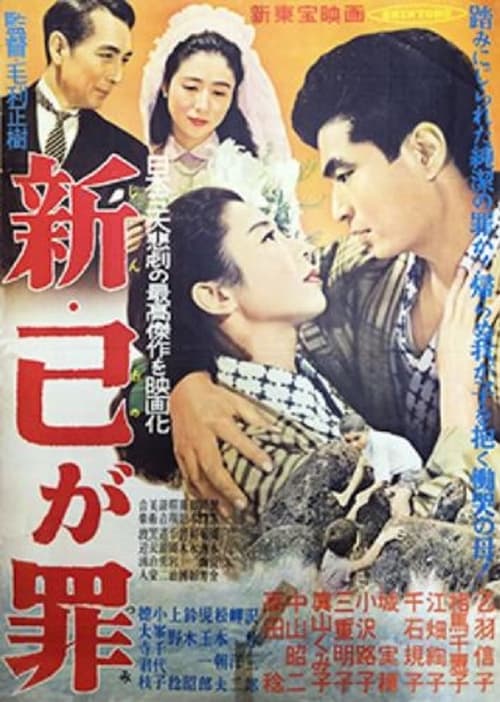
20th film adaptation of the novel Ono ga tsumi (published 1900-1901).
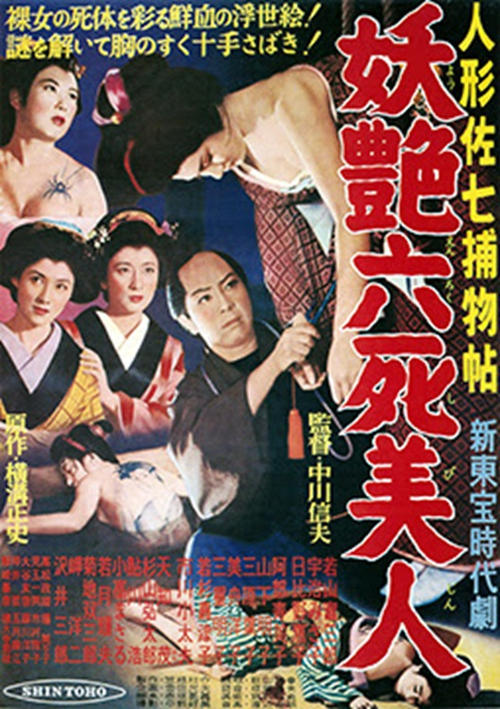
Famed detective Dandy Sashichi tries to solve who's behind the serial murders of six beautiful women under the aegis of local showman Ibaragiya. The film opens with the sextet humiliating a respected painter's portraits of them, driving the man to a suspicious suicide. Later, while celebrating his son's impending marriage into a wealthy family, Ibaragiya releases six pigeons from a pleasure boat, each with a rolled up drawing of one of the beauties tied to their legs. He offers a cash reward to whomever recovers the pictures, but they instead become death notices of which of the six are next to die.
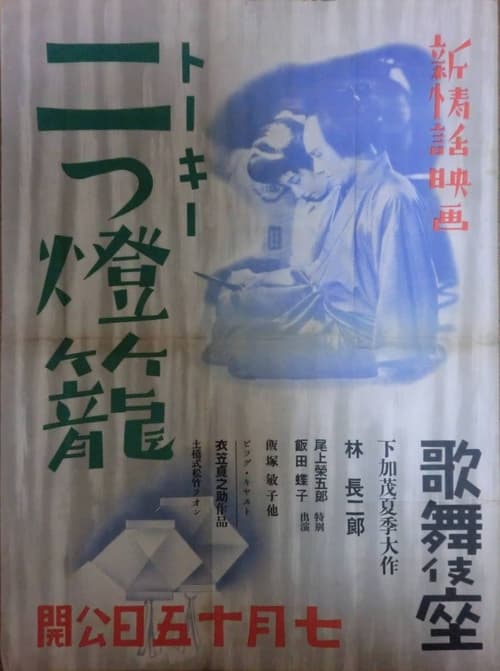
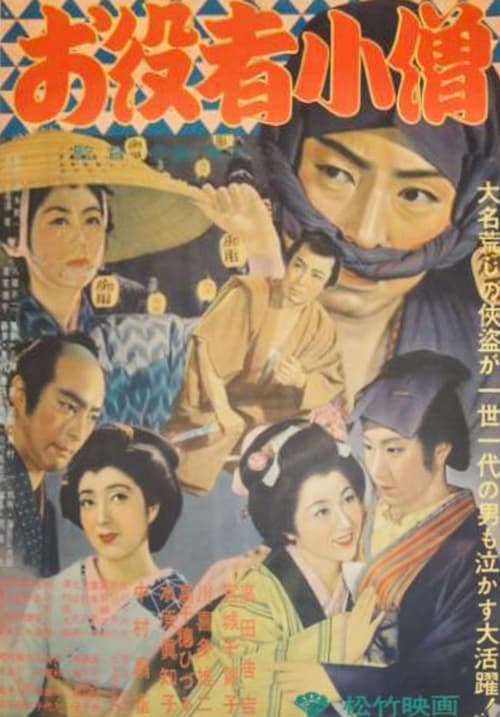
The phantom thief, known as the "Actor Kid", who was creating a stir in the Daimyo's mansion, especially in the inner chambers, was called Inaba Goutaro. He was the adopted son of a samurai, Inaba Buemon. An incident occurred where his foster father collided with the palanquin of the lord's concubine. In the subsequent altercation, Goutaro killed one of the attendants. Taking responsibility for the act, his foster father committed seppuku, and Goutaro was hunted down. Facing death, his foster father revealed to Goutaro that after the death of his biological father, Goutaro's real mother and his younger brother were forcibly made to serve a lord. This revelation ignited Goutaro's determination to infiltrate the Daimyo's mansion to meet his birth mother.
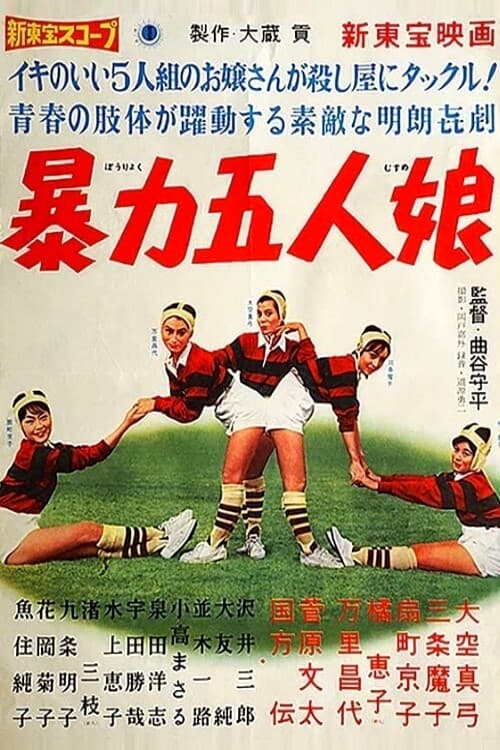
The All Girl's Rugby Team try to keep their private college from falling into the hands of Yakuza and unscrupulous businessmen.