Rubens Ewald Filho
Creator
Biography
Rubens Azevedo Ewald Filho (Santos, March 7, 1945 – São Paulo, June 19, 2019) was a Brazilian journalist, film critic, presenter, actor, filmmaker and theater director.

Known For

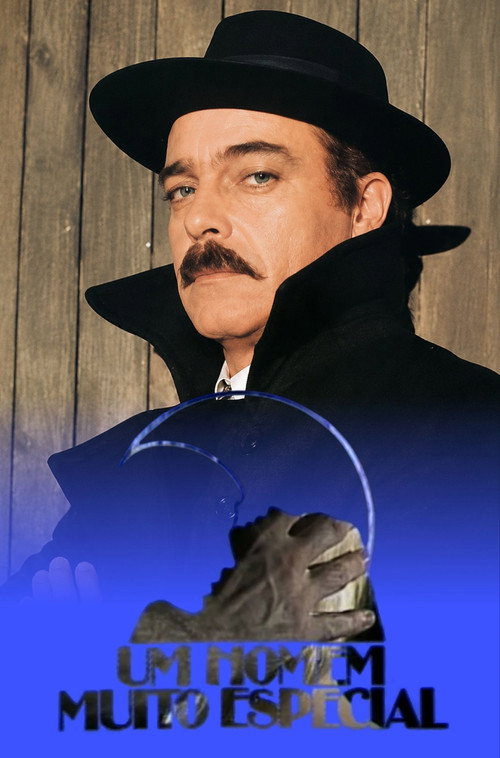
A man remembers forty-eight crucial hours in his life when, as a child, he visited his mother, the favorite woman of an important politician, in a bordello owned by him, right before some important political changes in 1937 Brazil. In those hours, he discovers his own sexuality.
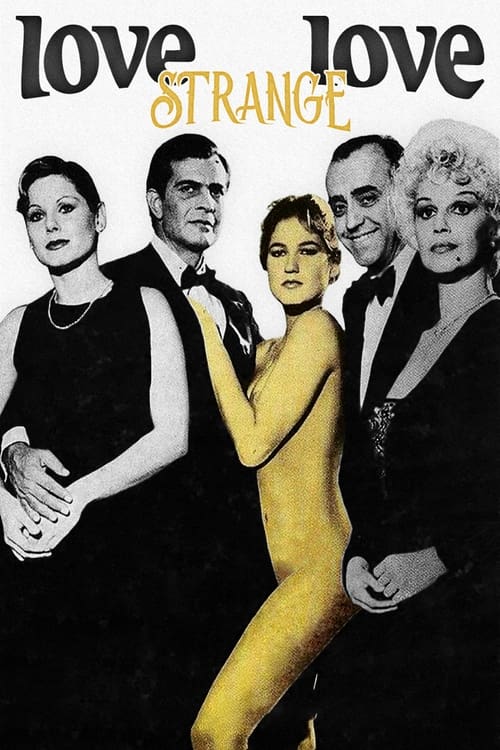
Love Strange Love

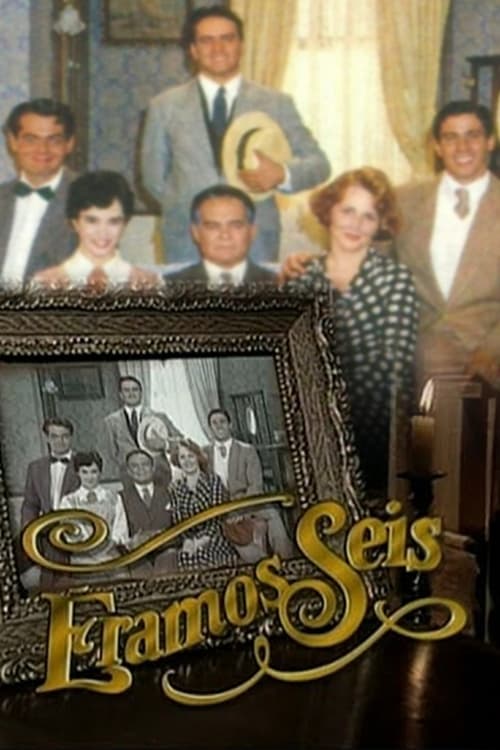
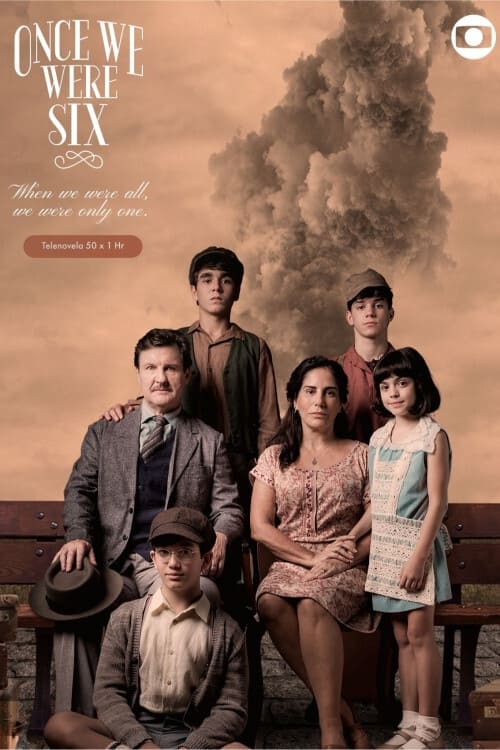
The plot tells the history and daily life of the Lemos Family between the 1920s and 1940s. Júlio works in a fabric store and has the ambition of getting rich to offer his family a good life. His wife, Lola, does everything she can to keep her family together, because she believes that this way they can move on.
Once We Were Six

No description available.
Telerromance

No description available.
Éramos Seis

No description available.
Um Homem Muito Especial

No description available.
Éramos Seis

Gina attracts attention and envy. Years later, her life is shaken by the return of an old love and she discovers some schemes orchestrated by her best friend.
Gina

A four-part biography on the life of the Brazilian singer Gal Costa, from her humble beginning singing in the streets of Salvador, where she became friends with many artists who would be other great names in Brazilian music in the following decades to her 50th career anniversary in 2015.
O Nome Dela é Gal

In 1982, almost five million people took theaters to see Erotic Things, the first Brazilian porn film. The production is today considered a major episode in the history of Brazilian cinema because it was launched during the country's military dictatorship. Thirty years later, The First Time of Brazilian Cinema found the producers and actors to tell the inside story of this fascinating journey.
The First Time of Brazilian Cinema

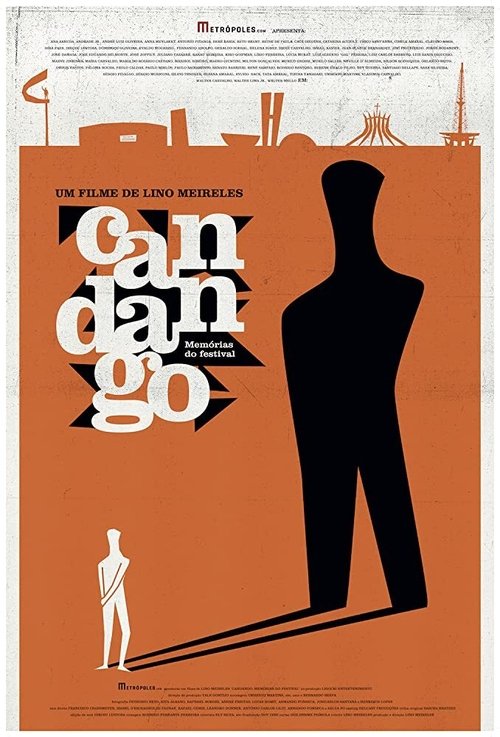
In 1965, a year after the military coup in Brazil, an oasis of freedom opened in the country's capital. The Brasília Film Festival: a landmark of cultural and political resistance. Its story is that of Brazilian cinema itself.
Candango: Memoirs from a Festival

Count Dracula, taking on the new identity of Vladimir, leaves Transylvania and goes to Brazil in search of his son Rafael. This vampire romance was conceived to be a potential telenovela, but only ended up running as a TV miniseries with four installments because the network that financed it went under.
Dracula, a Love Story

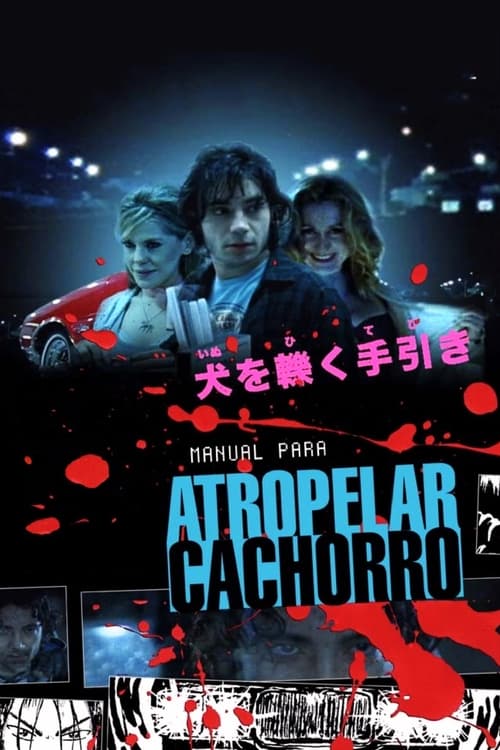
A simple and handy manual to take the boredom under the narration of a sick mind, crazy in any big city. Mojo, a lonely young fanatic about movies and American culture, has dreams that will never come true. After spending his days holed up in a building, he decides to vent his repressed impulses by running over mutton dogs.
Manual para Atropelar Cachorro

No description available.
Elas São do Baralho

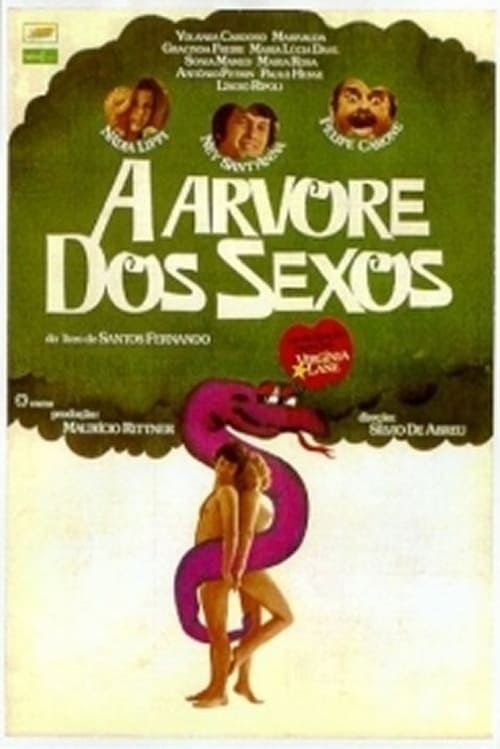
Bondomil, a quiet little town, becomes famous because in its main square there's a tree with strange fruits, with the format of the male sex organ, supposed to be an aphrodisiac for women. Soon the population grows wild, and tourists gather around it.
A Árvore dos Sexos

Before the streaming era, the video stores were the key for the beginning of home video experience in Brazil. The documentary narrates the history of São Paulo's mom-and-pop video stores from its appearance to the vanishing of this platform. Owners, employees, customers and critics talk about the experience of renting a movie.
CineMagia: The Story of São Paulo's Video Stores

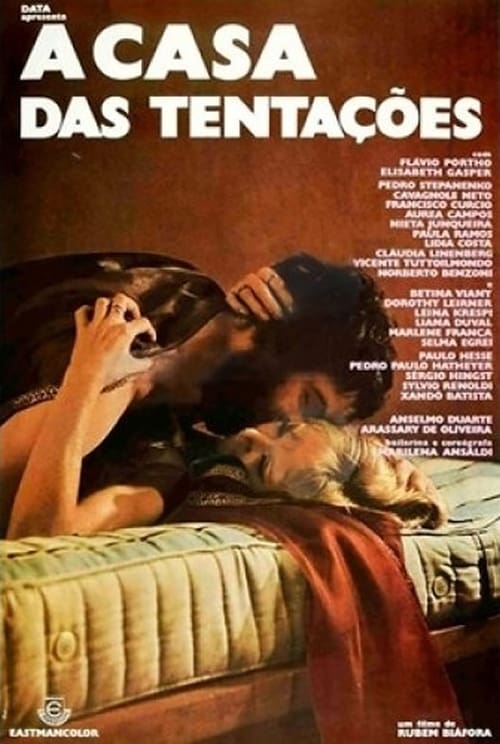
Saul and Mônica return to São Paulo after three years and find his family's colonial mansion abandoned, inhabited only by his old nanny, Bá, and his brother, Domício.
A Casa das Tentações

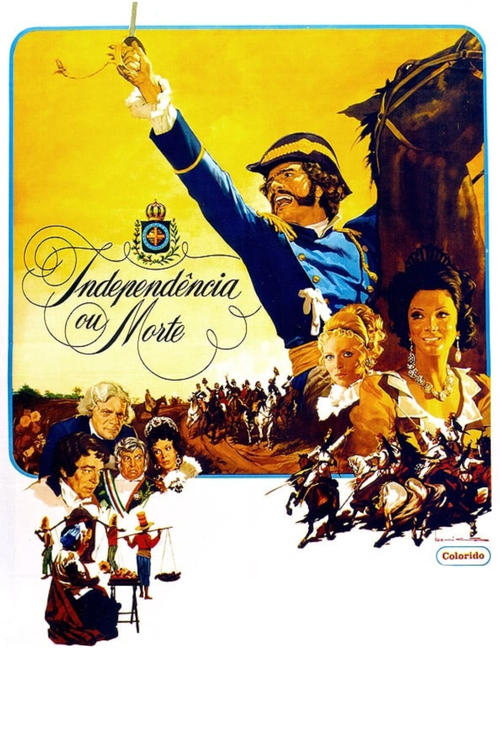
The story of how D. Pedro I proclaimed the Brazilian independence on September 7th, 1822, and rose from prince of Portugal to first emperor of Brazil.
Independência ou Morte

No description available.
As Gatinhas

No description available.
Boca Marginal

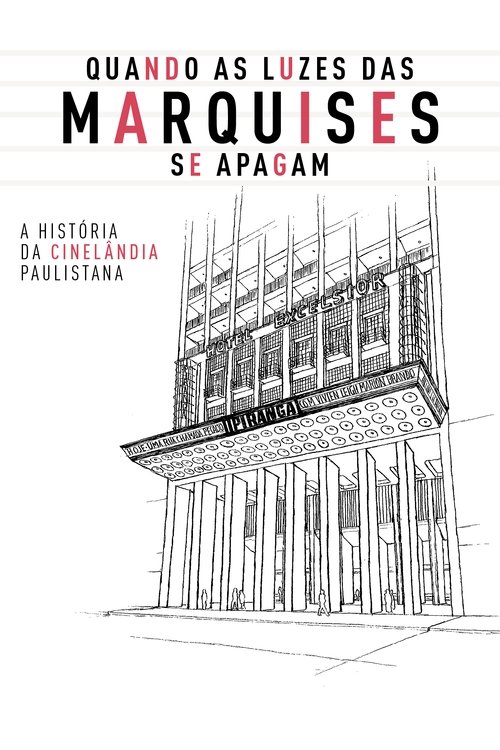
With archive footage and testimonials from former filmgoers, a story of movie theaters that were located on the avenues of São João and Ipiranga and its surroundings, in São Paulo's city centre. Known as Cinelândia Paulistana, this area lived its heyday in the 1950s, reaching more than 15 cinemas in full operation.