Zsóka Nestler
Directing
Known For
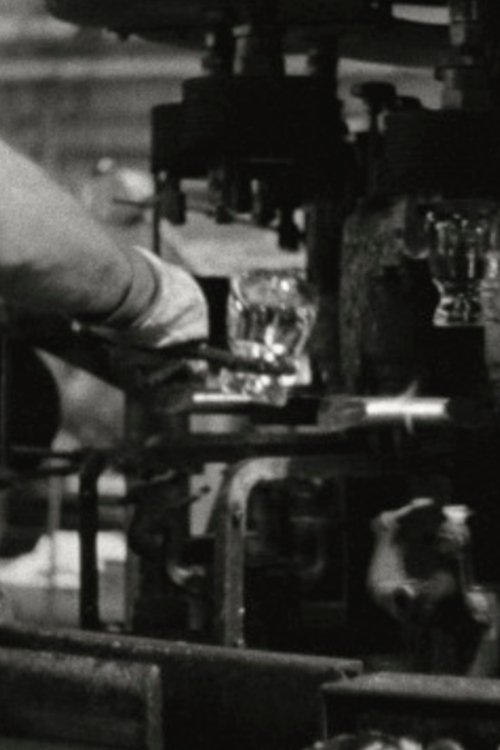
How to Make Glass (Mechanically) is part of a series of educational films for television intended for young audiences. Directed by Peter and Zsóka Nestler, the series was dedicated to the history and processes behind the making of objects (paper, printing books, fabrics and so on), highlighting the differences between artisanal and industrial production and the labour and economic relations involved in each of these methods of producing things.
How to Make Glass (Mechanically)
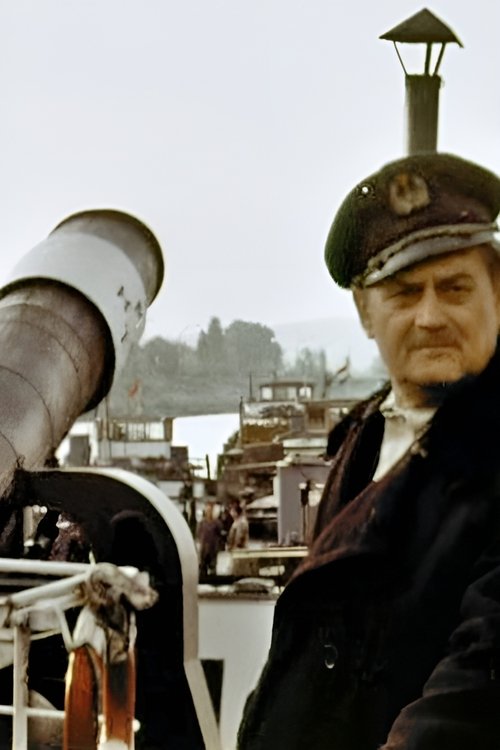
Filmed aboard a Hungarian ship, this is a journey upstream the Danube, recalling the vital role the majestic river played in the settlement and political evolution of central and south-eastern Europe. Bridges, locks, cities and mountain ranges float in front of the camera to the noises of the ship’s motor.
Up the Danube
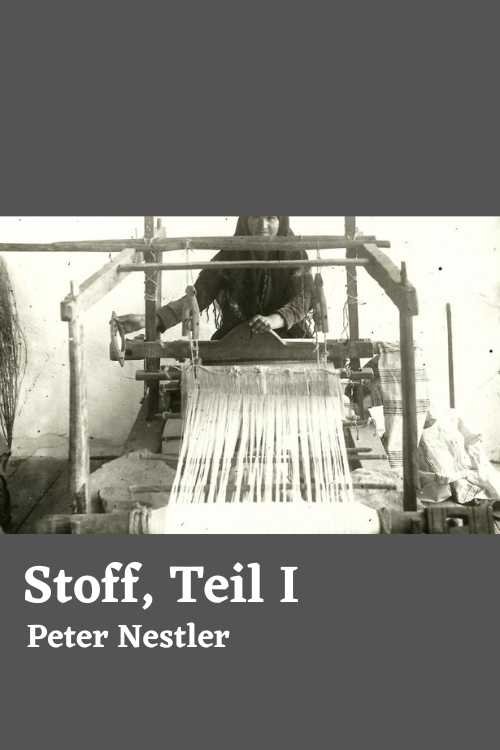
Stoff (1) is part of a series of films made for television and aimed at young audiences. The series was dedicated to the history and techniques behind the production of objects, materials (paper, letterpress, fabrics, etc.), highlighting the differences between artisanal and industrial production and the labour and economic relations involved in each of these methods of making things.
Tyg: Del 1
Nestler highlights visits by several German entrepreneurs to oil facilities. In the 1970s, Peter and his wife, Zsóka Nestler, collaborated on a series of educational films for television that focused on craft-making. These “biographies of objects” are rigorous investigations into the history of working techniques, production processes, and materials.
Mining/Ironworks, Pt. 2
An emotional condemnation of the U.S.’s role in the war in North Vietnam, composed of photographs by Thomas Billhardt, this film depicts the dire living conditions and the suffering of children in the populations of destroyed villages.
Images from Vietnam
A short film about a wicker weaver in Budapest.
In Budapest
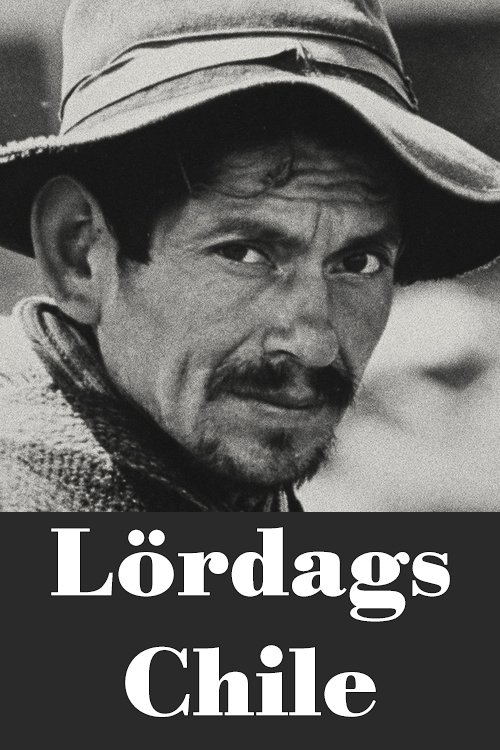
A reflection on the dictatorship of Augusto Pinochet captured in its economic and social causalities. Originally shot for a TV youth program but canceled before broadcast.
Saturday Chile
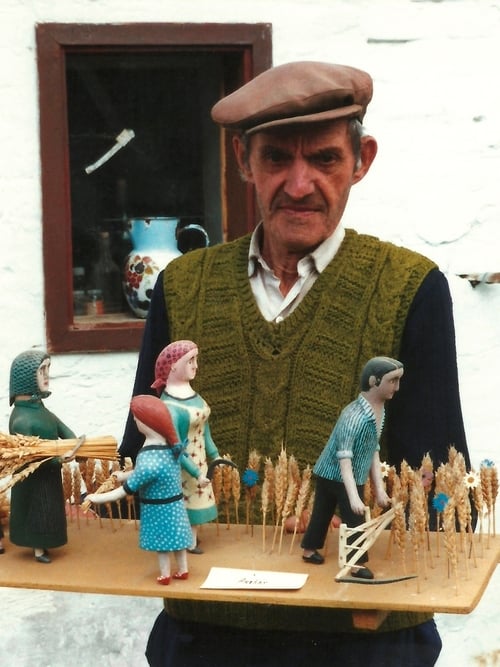
A film of Hungarian folk artists, sharing their handicrafts and paintings with the filmmakers.
Time
Second documentary short by Peter Nestler about Iranian migration in Sweden.
Foreigners. Part IV. Iranians
Documentary short about Iranian migration in Sweden.
Foreigners. Part III. Iranians

Roma and Sinti people talk about their experiences in the Third Reich and the Federal Republic of Germany, inspired by Otto Pankok’s paintings of Romani theme and subject in the 1930s, declared degenerate art by the Nazis. These are moving narratives of persecution, discrimination, marginalisation, of life as second-class human beings, all of which lasts, incredibly enough, right up to the allegedly democratic present day of the film, since they live in inhumane conditions in barracks at the margins of cities and society and are not officially recognised as Nazi victims. Long, nearly uncut sequences open space for the people and their stories. That’s all it takes for one of Peter and Zsóka Nestler’s most important works.
Being Gypsy
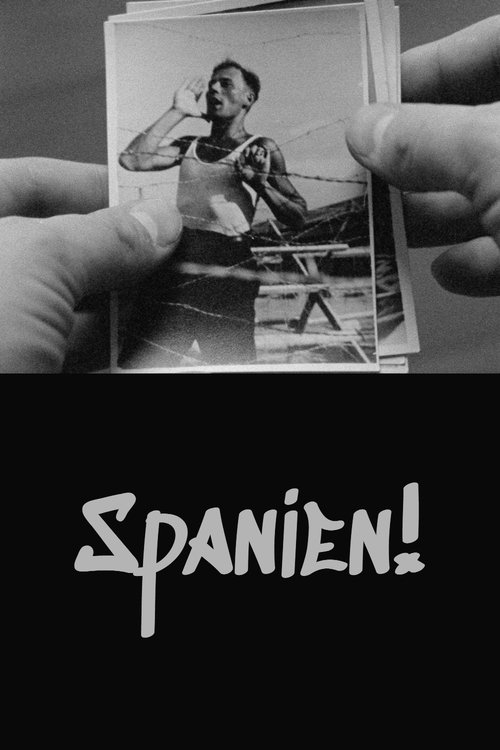
Filmed in Spain, Finland, Sweden, and West Germany, 'Spanien!' investigates ideas of internationalism and solidarity, using personal testimonies from former members of the International Brigades who joined the Republican side during the Spanish Civil War and from members of the Workers’ Commissions ('Comisiones Obreras').
Spain!
This film is less about the birth of printing in medieval Germany, than about the effect it has had on social life and human relations. On the one hand this film is an intricate examination of materials and production processes of the publishing industry but on the other, an understated history lesson leaving viewers ponder on class differences in today's society.
Om boktryckets uppkomst
A contribution from the documentary film cycle about the invention and development of certain work techniques, production processes and materials.
Tyg: Del 2
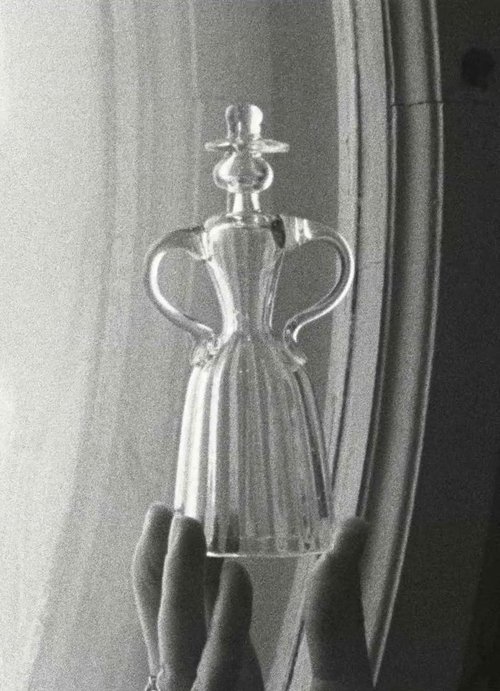
Peter and Zsóka Nestler collaborated on this film, an exploration of the working techniques involved in the process of glass-making.
How to Make Glass (Manually)
Nestler relates the histories of shipbuilding, armaments, and war in Europe to the exploitation of labor and the circulation of knowledge and capital between countries.
Foreigners Pt. 1: Ships and Cannons
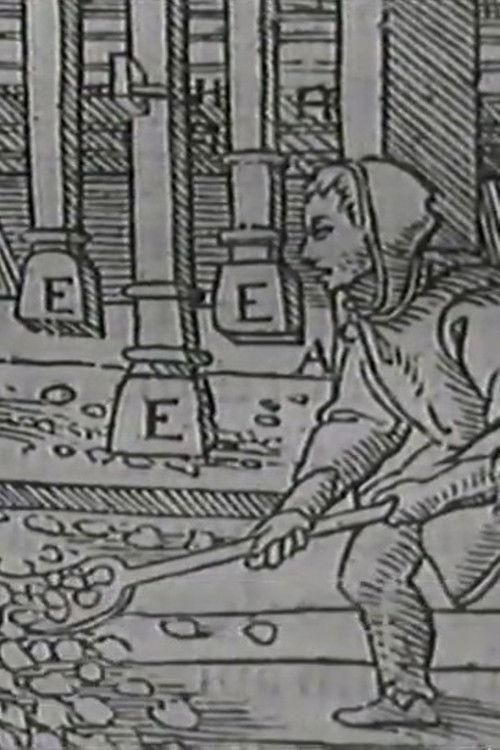
With the help of drawings, Nestler provides a historical overview of the types of work associated with industries that are crucial to Scandinavia, particularly those related to ore mining.
Mining/Ironworks, Pt. 1
In the 1970's Peter and Zsóka Nestler made several educational documentaries on industrial production for Swedish public television. The three-part Berghantering/Järnhantering [Mining/Ironworks] (1974-1975) explores the historical roots and contemporary material conditions of mining and iron production in Sweden and elsewhere.