
Yanaki Manaki
Directing
Biography
Giannakis (Ioannis) Manakis (Aromanian: Ianachia Manachia, Greek: Γιαννάκης Μανάκης, 1878–1954) was a pioneering photographer and cinematographer, who, together with his brother, Miltos, are considered the “Lumier brothers of the Balkans”. He born in Avdella, Grevena, a Vlach village in Pindos (Ottoman Empire - today Greece). Attended the high school of Monastir (present-day Bitola), where he received a diploma as a teacher and painter (tracery/calligraphy). In 1898 he opened his first photography studio in Ioannina, while also working as a teacher. In 1904, the brothers moved to Monastir, where their studio became famous throughout the Balkans. In 1905, during a trip to London, he bought a Bioscope camera (serial number 300). With it, they shot the first film in the Balkans, “The Weavers,” starring their 114-year-old grandmother. They were official photographers of the Ottoman Sultan and the King of Yugoslavia, and in 1906 they won a gold medal at a world exhibition in Romania. Their Work The Manaki brothers’ archive includes approximately 67 short films and over 17,000 photographs, which record historical events (e.g. the Young Turk revolution, the Balkan Wars) and the daily life of the people of Macedonia and Epirus. At the end of his life, Giannakis Manakis settled in Thessaloniki, where he lived humbly and died in 1954. In their honor, the Manaki Brothers International Film Festival is organized annually in Bitola, while Theodoros Angelopoulos' film, "The Gaze of Ulysses", is inspired by the search for their lost films.
Known For
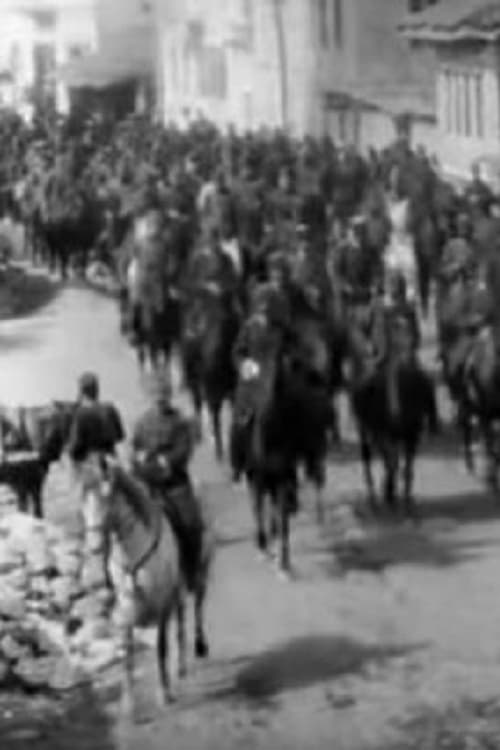
Early Balkan footage.
The Defilee of Army Orchestra, Carriages and Horsemen
Early Balkan footage.
The Celebration of Saint George
A mass gathering of people.
The Mass
Early Balkan footage.
A Veterinary Station
A group of Macedonian women are shown hard at work.
Weaving Women
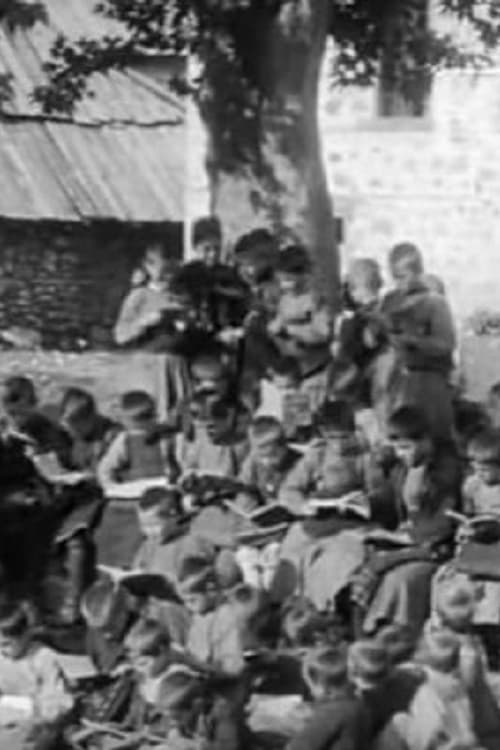
A schoolclass in seen outside in Macedonia.
The Outside Class
A brief scene at a sheep slaughterhouse.
Sheep Slaughter
A six minute film of the funeral of the murdered Metropolitan Emilianos of Grevena, of which all has been lost, save for 17 seconds. Emilianos was murdered on October 1st, 1911.
The Funeral of Metropolitan Emilianos of Silyvria
Early Balkan footage.
Wallachian Nomads
Early Balkan footage.
The Celebration of the Religious Festival Epiphany
The Manaki brothers have filmed a market.
Market Day in Bitola
Early Balkan footage.
Turks' Hearing Speech on Hürriyet
Newsreel of the visit of sultan Mehmed V Resad to Bitola.
The Turkish Sultan Mehmed V Resad Visiting Bitola
A short prior to World War I film which captures festivities at a fair near a church in Bitola.
Fair Near "Holy Sunday" Church in Bitola
Early Balkan footage.
Parade on the Occasion of the Hürriyet
Early Balkan footage.
The Visit of the Sultan Mehmed the Fifth Reshad to Salonika
Early Balkan footage.
Celebration of Epiphany in Bitola
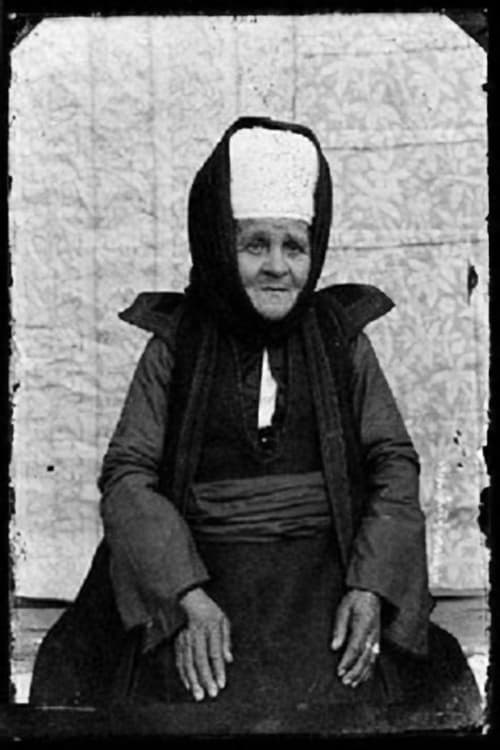
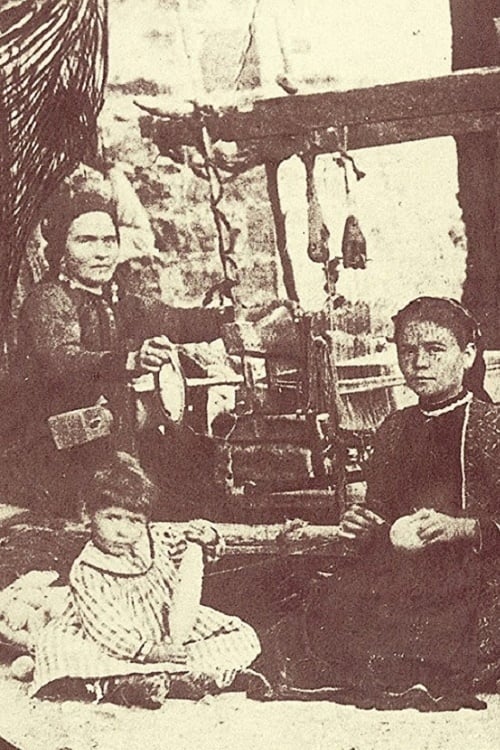
This scene is a part of the very first film shot produced by the Manaki Brothers. Despina, the Janaki and Milton Manaki's grandmother, was recorded weaving in one high-angle shot. For no apparent reason, the first shot made in Macedonia, in the Balkans in fact, made by these two cinematography pioneers, contains peculiar symbolics: at the moment when the grandmother Despina spins the weaving wheel, film starts rolling in our country.
Grandma Despina
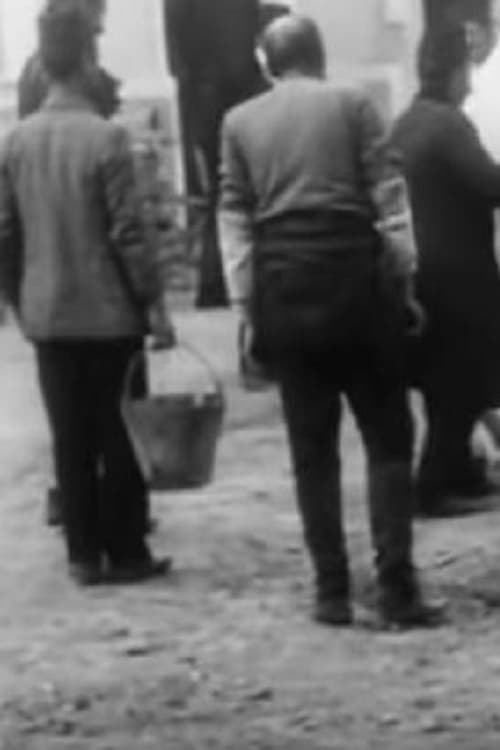
The Manaki brothers document the hanged bodies in a town square, post-Ilinden Uprising; The disheartened mill about. The men were likely killed by Muslims loyal to the ruling Ottoman Empire in attempts to quash Macedonian support for Adrianople and greater Macedonian autonomy.
Reprisals by the Turkish Army Against the Macedonian Population

Early Balkan footage.