Acting
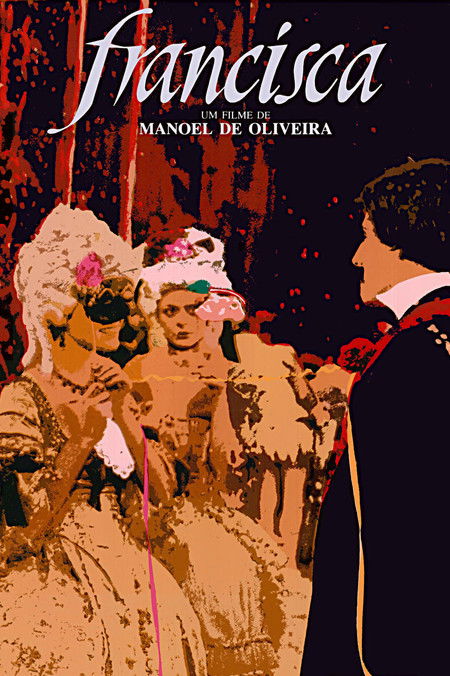
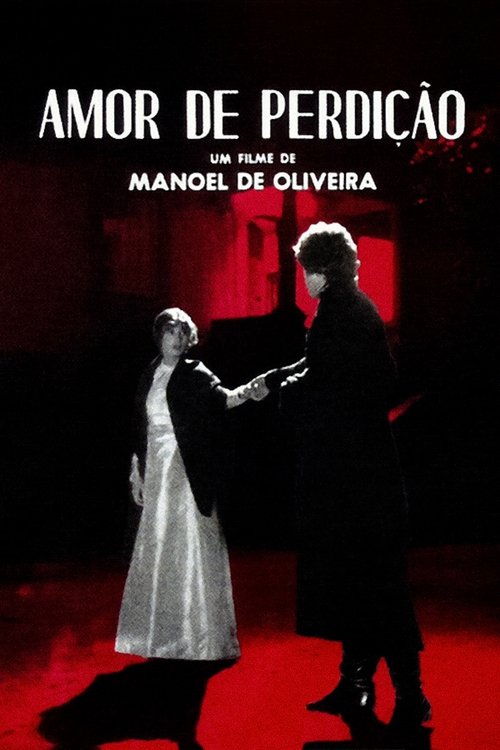
A story about doomed love between two people from different worlds and the impact in their lives. Based on the novel of the same name by Portuguese writer Camilo Castelo Branco.
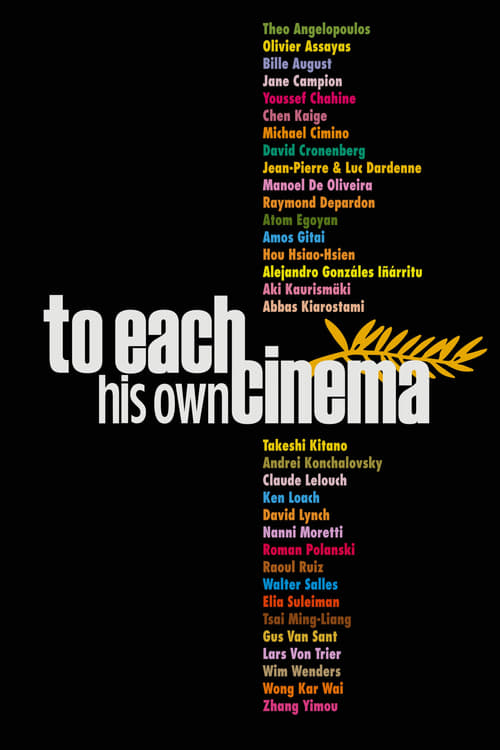
Commissioned to mark the 60th anniversary of the Cannes Film Festival, "To Each His Own Cinema" brought together 33 of the world's pre-eminent filmmakers to produce short pieces exploring the multifarious facets of cinema and their perspective on the state of their chosen artform in the early 21st century.
Having lost her place among the social elite, a widow remarries and starts a family.
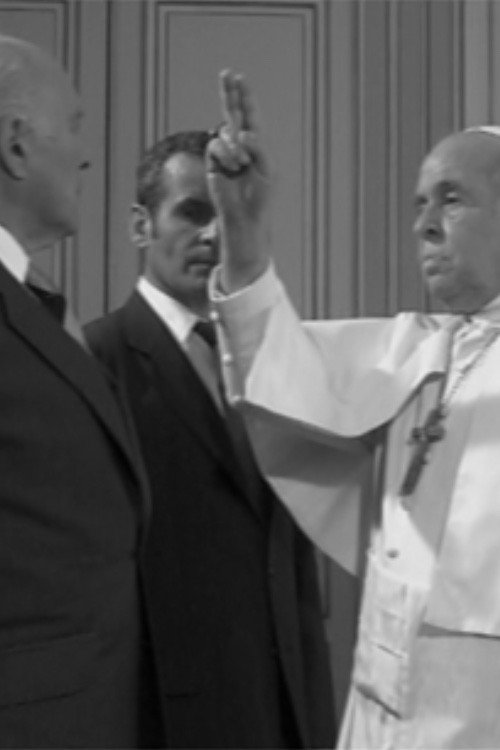
A special surreal encounter between Nikita Khrouchtchev and the Pope John XXIII.
No description available.
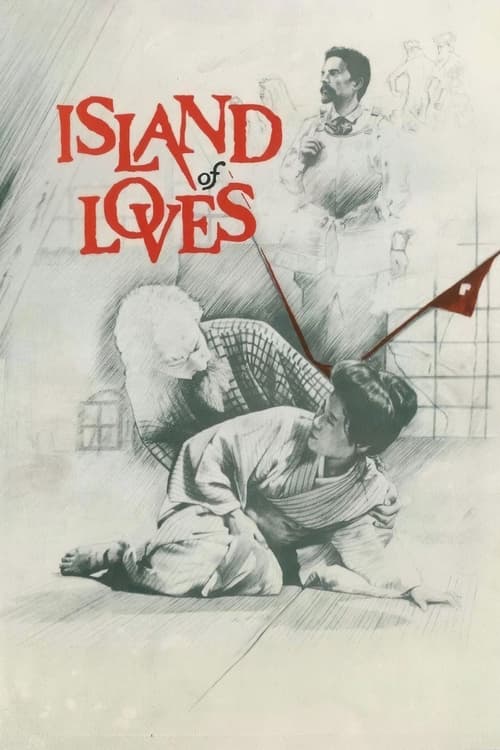
This film depicts the life of the 19th-century Portuguese writer Wenceslau De Moraes by means of nine ancient ballads from China. The writer married a Chinese woman after he left his wife and family to go live in Macao. Later, he moved to Japan where he fell in love with a Japanese woman, staying in Japan for the rest of his life. Mixed in with the career and loves of Moraes is the history of Portugal at home and in its colonies.
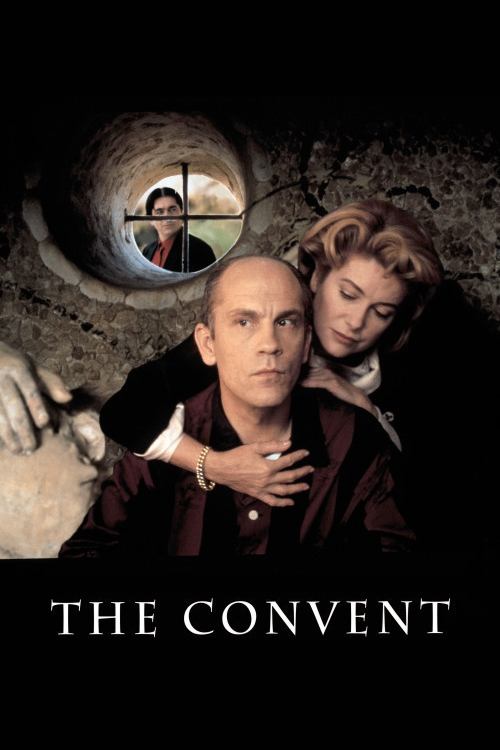
The journey of Michael Padovic, an American professor who arrives with his wife, Helene, at a Portuguese convent where he expects to find the documents needed to prove his theory: Shakespeare was born in Spain; not in England.
The life of a young man, son of an English officer who lets himself become a prisoner of love resulting in fatalism and disgrace.
Laura Rossellini, a widow from Rome, vacations on the Algarve coast one hot summer. One day while sunbathing, she finds a wounded man named Robert drifting in the surf on a rubber raft. She takes him home, and, after he is revived, learns his story. As they talk, their mutual attraction grows, until a group of armed men suddenly arrive looking for Robert.
A story about art and educated men, and how their art and culture reveal themselves useless in the face of the harsh realities of the 20th century life.
12-year-old Miguel is punished because he has not done his homework properly: he must stay at his aunt's inn for holidays. First bored, then a friendship begins between him and other inn's regular holiday-makers, like maid Luisa or fisherman João. But doctor Fernando's arrival is going to overwhelm the place's peaceful life and to change Miguel's mind.
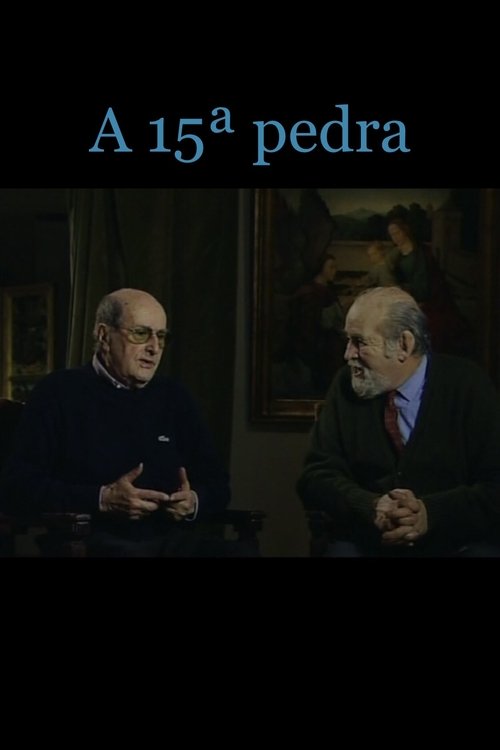
Joáo Bénard da Costa, director of the Portuguese National Film Archives [deceased in 2009], interviews the dean of contemporaneous film directors [96-years-old then]. Two humanists of different philosophical backgrounds, both with their long, entire lives dedicated to culture in general (music, painting, literature) and to film in particular, discuss freely, sometimes haltingly, the director's power as a creator or a magician, the philosophy beyond particular scenes in classic movies, film technique, the importance of color, sound and music to films, art versus entertainment, and much more. Their talk takes place in a museum room, seating in front of "The Annunciation" (a 1510 oil painting by João Vaz, a Portuguese artist), which eventually leads to a discussion of 'Leonardo da Vinci', and the relationship between a trend-setter master and his disciples.
Luciano, fresh out of jail, was taken by his brother, Flórido, to serve in the home of wealthy Alfreda. He was surprised when she told him that her greatest desire was to see the Virgin Mary. Now comes this rich land owner with her sublime pretensions. Isn't it enough for her to have an Aston Martin and a Jaguar in the garage and ten different dresses per season? It was all professor Heschel's fault. Or someone else's. Anyway, to go beyond the promise is heresy. Alfreda said that she wouldn't rest until she saw the Virgin and made her some questions. Filipe Quinta, the Forger, says he has a solution. Meanwhile, Bahia, her husband, listens do music.
A surreal odyssey in which a melancholic maidservant crosses paths with a homicidal little boy, travels to a tiny island of pirates and encounters a man with multiple personalities.
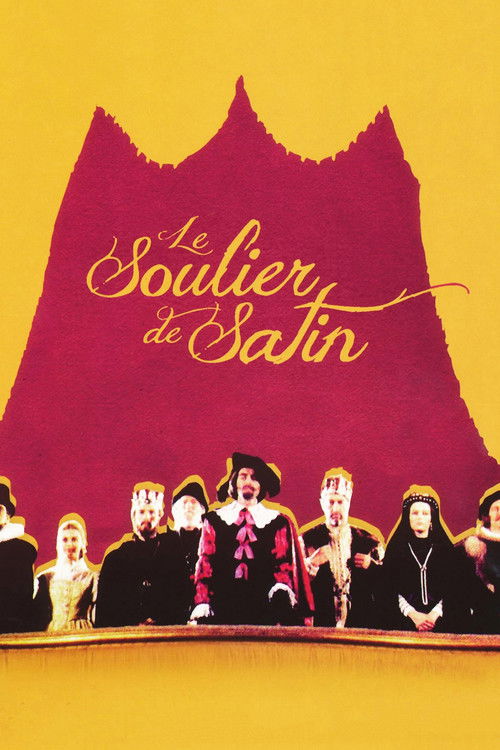
During the century of the Spanish Gold, Doña Prouhèze, wife of a nobleman, deeply loves Don Rodrigo, who is forced to leave Spain and go to America. Meanwhile Prouhèze is sent to Africa to rule the city of Mogador. Ten years later Rodrigo leaves America and travels to Africa in search of Prouhèze to find out that she died and eventually meeting her daughter.
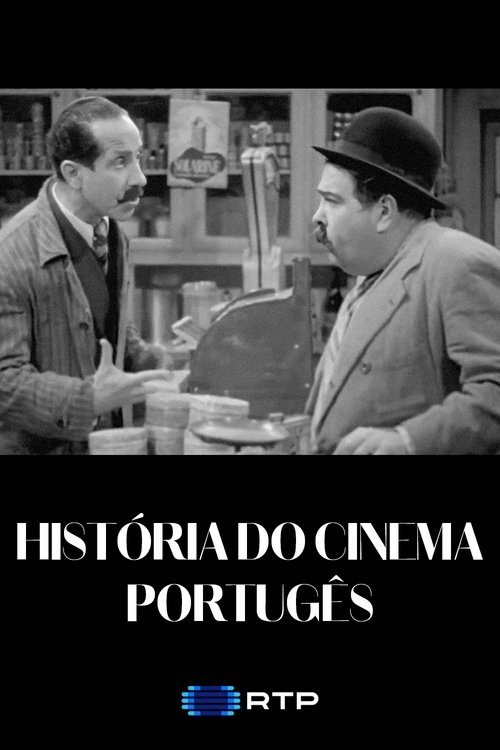
The city during the beginning of cinema. The typical city at the time of the dictatorship. The New Lisbon of the New Cinema. Lisbon after the Revolution. The white city of foreigners. A geographical and moviegoer screenplay of Lisbon through the images of films and testimonies of several filmmakers who filmed in Lisbon.
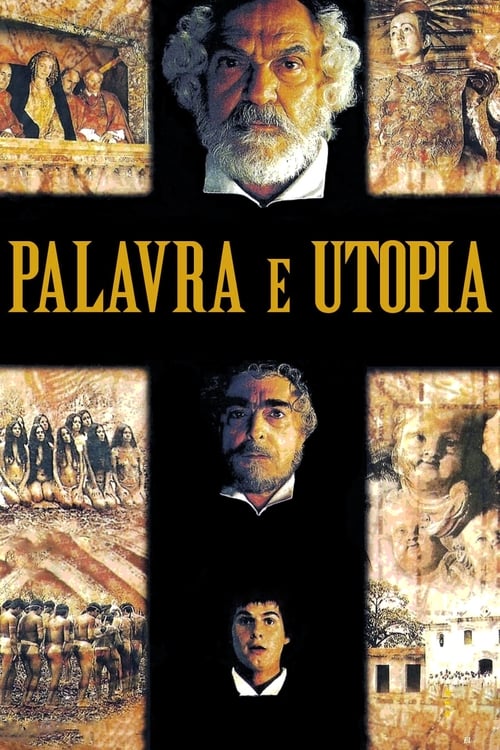
The story of Father Antonio Vieira, a 17th-century Portuguese priest who lived in Brazil and worked for better treatment of the Indians and to abolish slavery.
A story about doomed love between two people from different worlds and the impact in their lives.
An impossible love. Two young people who love each other. Vera and João can’t find in this life the space, time, or identity to resolve their love story.