Boris Lehman
Directing
Biography
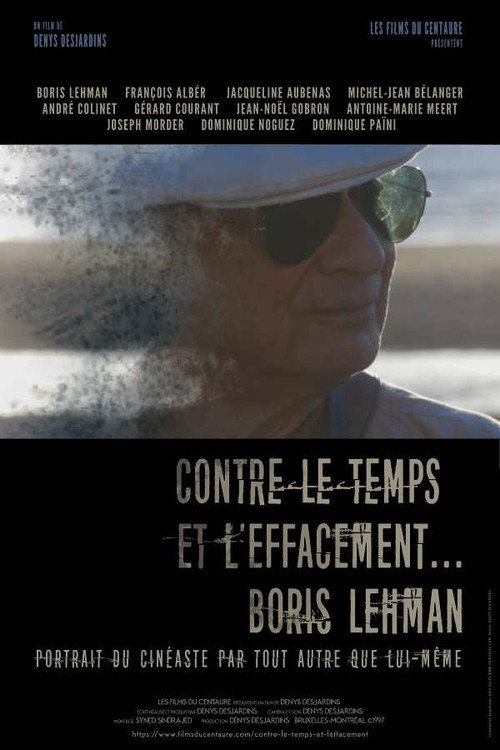
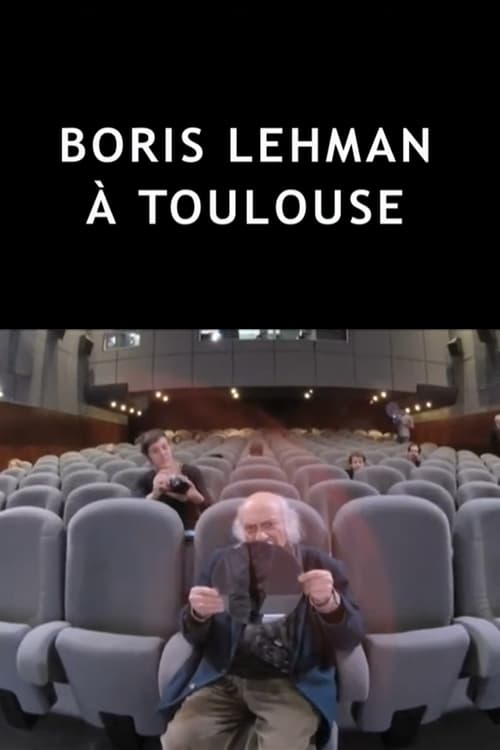
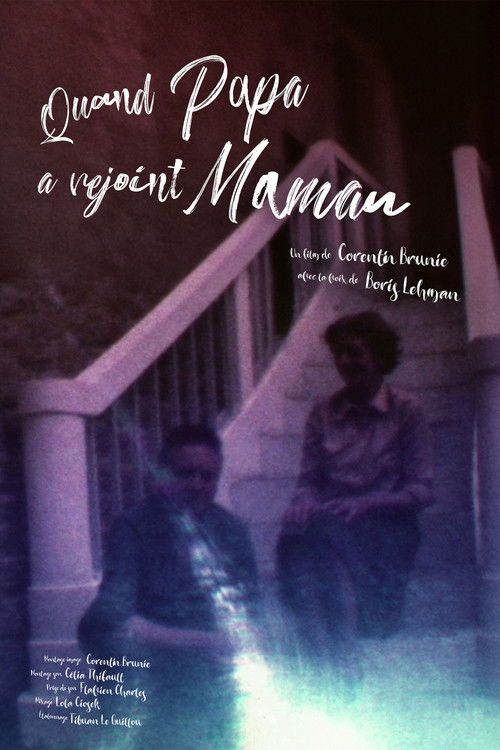
Boris Lehman, born March 3rd 1944 in Lausanne (Switzerland), is a Belgian filmmaker whose work is oriented towards experimental cinema, cinematographic essay, filmed news and documentary.
Known For

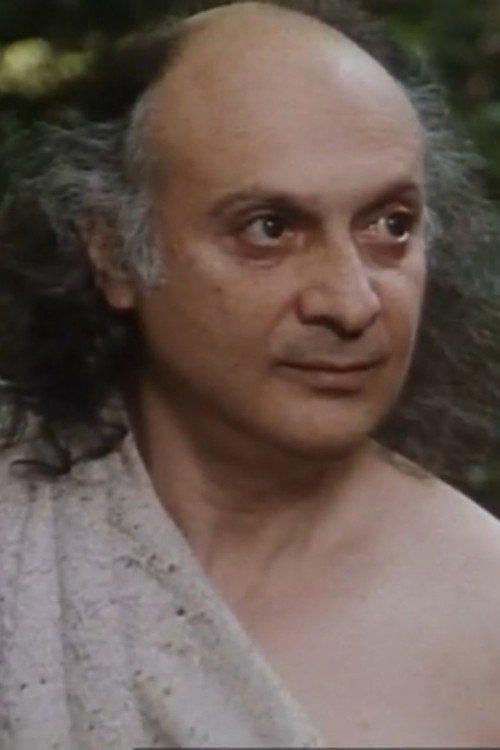
Cinématon is a 156-hour long experimental film by French director Gérard Courant. It was the longest film ever released until 2011. Composed over 36 years from 1978 until 2006, it consists of a series of over 2,821 silent vignettes (cinématons), each 3 minutes and 25 seconds long, of various celebrities, artists, journalists and friends of the director, each doing whatever they want for the allotted time. Subjects of the film include directors Barbet Schroeder, Nagisa Oshima, Volker Schlöndorff, Ken Loach, Benjamin Cuq, Youssef Chahine, Wim Wenders, Joseph Losey, Jean-Luc Godard, Samuel Fuller and Terry Gilliam, chess grandmaster Joël Lautier, and actors Roberto Benigni, Stéphane Audran, Julie Delpy and Lesley Chatterley. Gilliam is featured eating a 100-franc note, while Fuller smokes a cigar. Courant's favourite subject was a 7-month-old baby. The film was screened in its then-entirety in Avignon in November 2009 and was screened in Redondo Beach, CA on April 9, 2010.
Cinématon

This exhibition focuses on Jonas Mekas’ 365 Day Project, a succession of films and videos in calendar form. Every day as of January 1st, 2007 and for an entire year, as indicated in the title, a large public (the artist's friends, as well as unknowns) were invited to view a diary of short films of various lengths (from one to twenty minutes) on the Internet. A movie was posted each day, adding to the previously posted pieces, resulting altogether in nearly thirty-eight hours of moving images.
365 Day Project

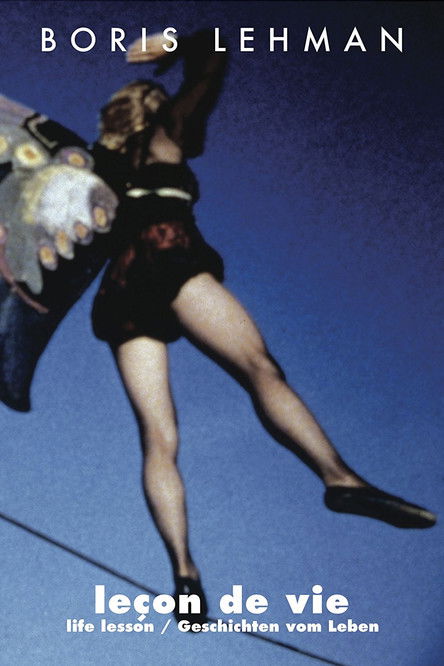
To attain knowledge, man and woman had to be willing to give up their innocence," says Boris Lehman. Life Lesson is a poetic and philosophic reflection on the theme of paradise lost. Some fifty persons illustrate the planet's convulsions and the world's vacillations. Trying to communicate, to commune with the invisible, they cry out, sing out, give out messages, each in their own way, in their own state of solitude. These are like multiple echoes that resemble waves in the water or stars in the sky. " Behind these images and sounds that have been stifled by today's society, Lehman hunts for noises, cries, songs, messages that go astray. He says that if we look at the invisible we may hear the words. He invites us to look beyond the appearances of social life and to vibrate in tune with life's polyphony that is all around us."
Life Lesson

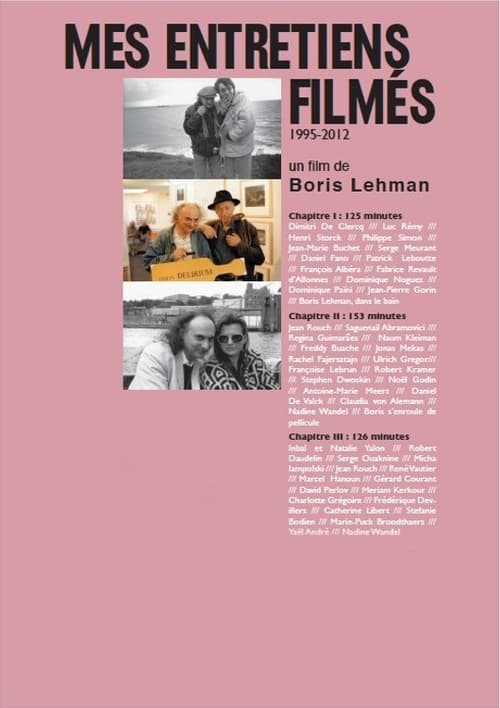
This distinctly personal journey into the artistic possibilities of independent film is not to be missed. Jonas Mekas, Jean-Pierre Gorin, Robert Kramer and many other visionaries and mavericks of the silver screen – as well as a book seller, a critic and a psychoanalyst – discuss what cinema has meant to them, what it is and what it could be and, implicitly, how it has changed over the 18 years in which this film was shot. Director Boris Lehman leads the charge, drawing in moments of absurdist humour and inventive camera work; he keeps things raw and spontaneous. His encounters with the now much-missed Jean Rouch and Stephen Dwoskin are particularly touching and stand testament to their personal playfulness and candour. An engaging, absorbing, epic odyssey of a movie.
My Conversations on Film

No description available.
Jardins clandestins
The short film is like a journal page of film making. On making a film (in 1966) in Barcelona. On assembling together surviving fragments of the film, but not as a vestige of something for ever lost, but rather an occasion for making a new film of all sorts of fragments: images in Barcelona (in 2008/9) that echo images of the older film; images of making films (Hanoun's own, Boris Lehman's; other friends'); images of a storm in Biarritz; fragments of conversations...
Déconstruction

Knokke, Belgium. A small mundane coastal town, home to the beau-monde. To compete with Venice and Cannes, the posh casino hosts the second ‘World Festival of Film and the Arts’ in 1949, organised in part by the Royal Cinematheque of Belgium. To celebrate cinema’s 50 year existence, they put together a side program showcasing the medium in all its shapes and forms: surrealist film, absolute film, dadaist films, abstract film,… The side program would soon become a festival in its own right: ‘EXPRMNTL’, dedicated to experimental cinema, and would become a mythical gathering of the avant-garde…
EXPRMNTL

The veneer of the story is a tale of chance love: two French expatriates strike up a chance romance when they meet on a ship headed back to South America.
The Dead Tree

With Maurice D, an enigmatic silent film that could be situated somewhere between Luis Buñuel's Un Chien andalou and Alfred Hitchcock's La Loi du silence, another extremely rare auteur, Maurice Diament, is brought to light. The anxiety-inducing effect of his film was to be increased tenfold by the sound of the metronome that was supposed to accompany the screening.
Maurice D...

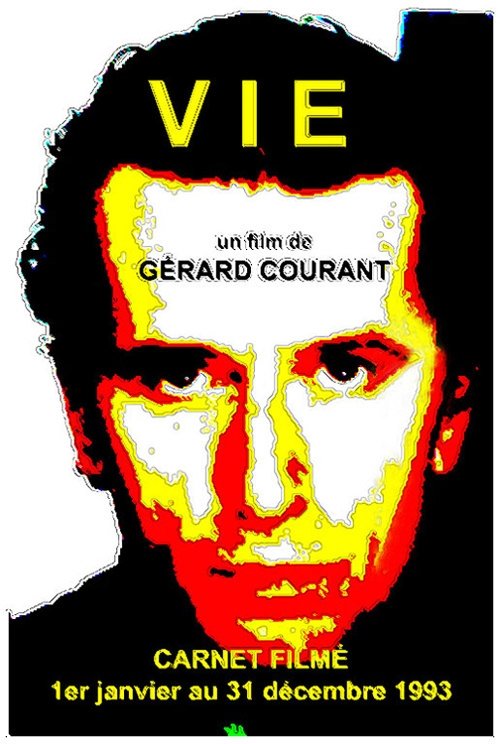
No description available.
Vie

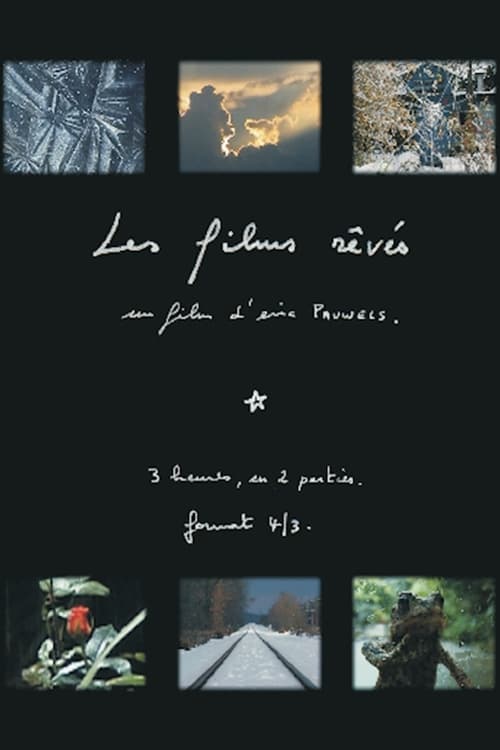
Belgian filmmaker Eric Pauwels' meditation on dream, travel and film.
The Dreamed Films

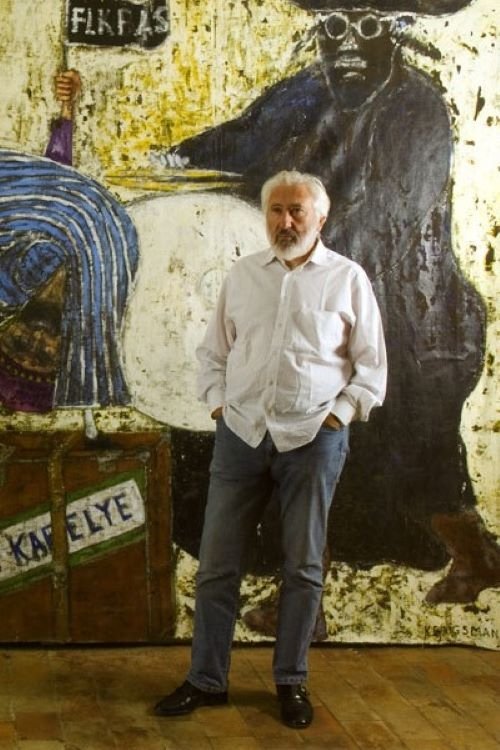
Portrait of Richard Kenigsman by Boris Lehman.
Alterations and Repairs

Trying to describe oneself is a movie about representation. How it is possible, through film, to describe oneself and describe others. With the camera as mirror and third eye. At first, a collage-like combination of letter-writing, investigation and journey, something between documentary and feature film. Finally, a portrait of Boris Lehman from 1989 to 1995, part II of BABEL.
Trying to Describe Oneself

"L'Artifice et le factice" is the episode that covers the period from January 1, 1988 to December 31, 1988 of my filmed Notebooks.
L'Artifice et le factice

A boat ride to celebrate a birthday with friends becomes the pretext for a film shoot. A family film that quickly turns into a fable and a biblical tale. It is the story of Noah's Ark, braving the flood and saving a few remnants of humanity, which is stranded on Mount Ararat.
Une belle croisière

From the construction of a sculpture "life size" in the earth, the director Boris Lehman imagines a story that staged a sculptor (Paulus Brun) struggling with an impossible order. The man of land is "golemise", takes life in the countryside, and ends up dying on an opera stage.
Earthen Man

Seven apartments, seven times of life: one film. A classic diary film, Boris Lehman intimately chronicles his own existence and that of objects and places that became an essential part of his life. A truly cinematic experience that gives us a highly European sense of space, time and history itself.
My Seven Places

A day in the life of director Boris Lehman: he wanders from cafe to bookshop, cinema to museum, writer to musician, and into the storeroom of the film archive... He celebrates his birthday in an alleyway, with a friend, and finishes his journey with an escapade to Bruges and a stroll by the North Sea. The camera plays dirty tricks and the sound recorder gets carried away, to the point that both are clearly telling Boris to stop filming. Yet he persists…
Lapses, Regrets and Qualms

No description available.
Cinématon n°468 : Boris Lehman

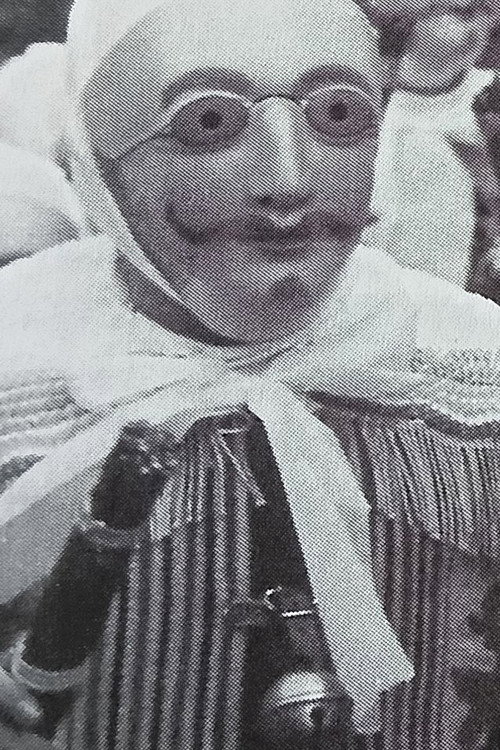
Henri Storck: “The General Commissariat for Tourism had organized a ‘Year of Folklore’ and, on that occasion, asked me to make a series of films devoted exclusively to this form of popular culture.” 1.Carnaval van Oostende - 2.Vastenavond te Aalst - 3.Carnaval van Malmédy - 4.Straattoneel in Malmédy - 5.De Gilles van Binche - 6.Meiboomplanting en Passiespel door de marionetten van Toone in Brussel - 7.Heilige Bloedprocessie in Brugge - 8.De 'witte Moussis' van Stavelot en de kermis van Bergen - 9.Passiespel in Lessen en Ligny. Halfoogst-feesten in Outre-Meuse (Luik) - 10.De Chinels van Fisse-la-Ville. De 'Grootjes' van La Louvière. Het ontploiffen van Kruipotten in Luik.