Directing
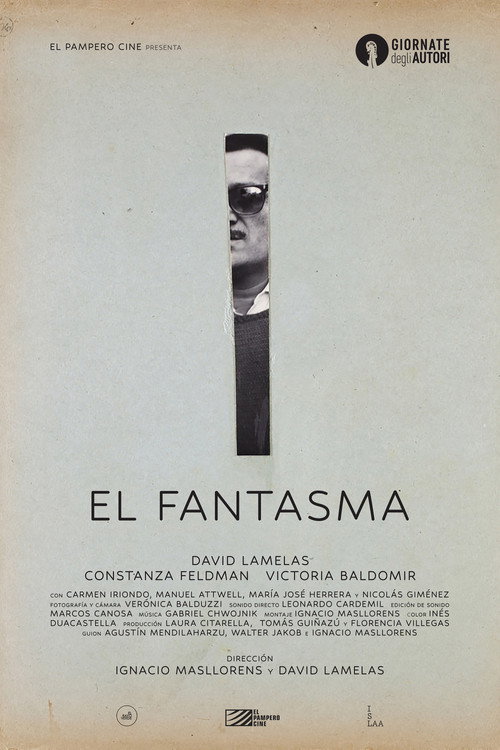
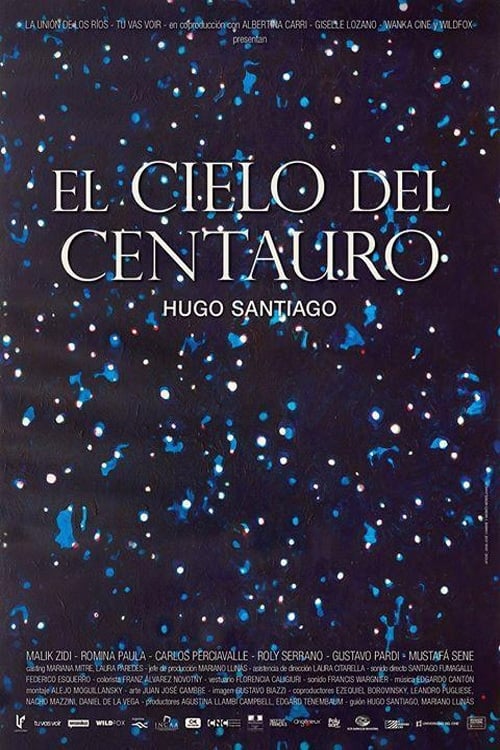
Two female producers are commissioned to create a short documentary for an exhibition dedicated to Rubén Santantonín, an elusive figure of the Argentine avant-garde who died very young, in the late 1960s. However, the client imposes one unexpected condition: the video must be made together with David Lamelas, Santantonín’s former collaborator and today an internationally recognized figure of conceptual art. At first, the plan seems clear and limited in scope: Lamelas, accompanied by a young film crew, gathers archival materials, documents the few surviving works, and interviews curators and major artists – such as Luis Felipe Noé and Marta Minujín – who, along with Santantonín and Lamelas, peopled the legendary scene at the Instituto Torcuato Di Tella. Lamelas gradually realizes that reconstructing the story of his friend also means confronting a series of gaps and contradictions.
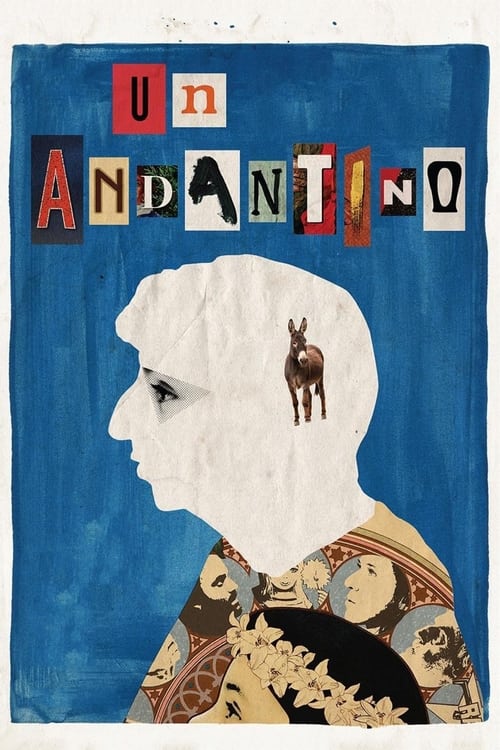
María Villar, Cleo Moguillansky and Alejo Moguillansky tried to read live -perhaps sing- a voiceover narrative in sync with the projection of a deleted scene of The Little Match Girl, between fiction, essay, exhumation, failure, and the time that goes by and is unforgiving.
With the strange disappearance of Laura, two colleagues, her older boyfriend, Rafael, and Ezequiel, learn of their recent discoveries, which may help them locate her. However, the story is bigger and stranger than they could imagine.
X arrives in a small town and witnesses a violent act; Z takes the job of a dead manager and discovers that he had a notebook written in code and a map; H is hired to go down a river and investigate a series of mysterious monoliths built on the shore.
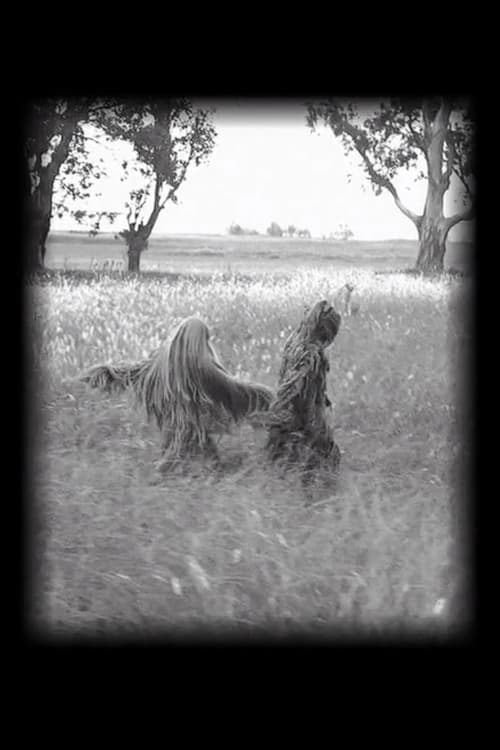
At the end of the world, we follow the only two remaining creatures: One covered in grass and one covered in hair.
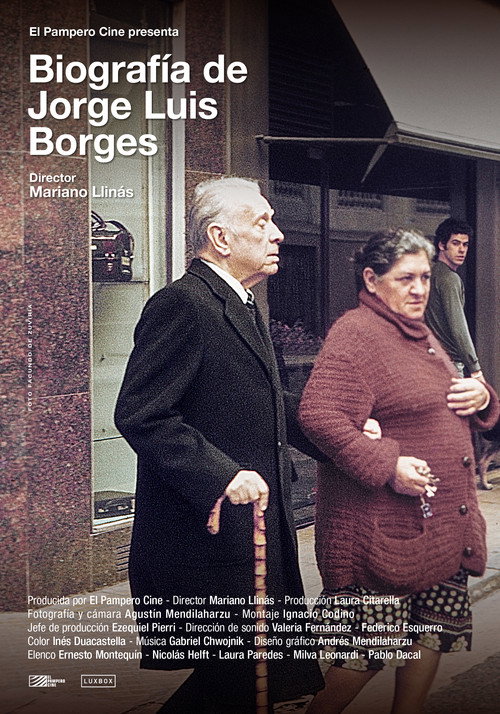
A biography of Jorge Luis Borges working from an exhaustive review of the papers he left, the books he read, the places he went to. And with this, an attempt to decipher a very peculiar life: someone who lived like a hidden, underground warrior, whose cause was literature, literature conceived as a kingdom and as a landscape. If Cold War spies fought from their desks or from an uninhabited house to defend their half of the world, Borges strove from a library to elevate and broaden the territories of his own tribe: the people for whom the most important part of the universe is books, plots and words. This film is devoted to that secret pilgrim (to borrow from Le Carré, the king of all spies).
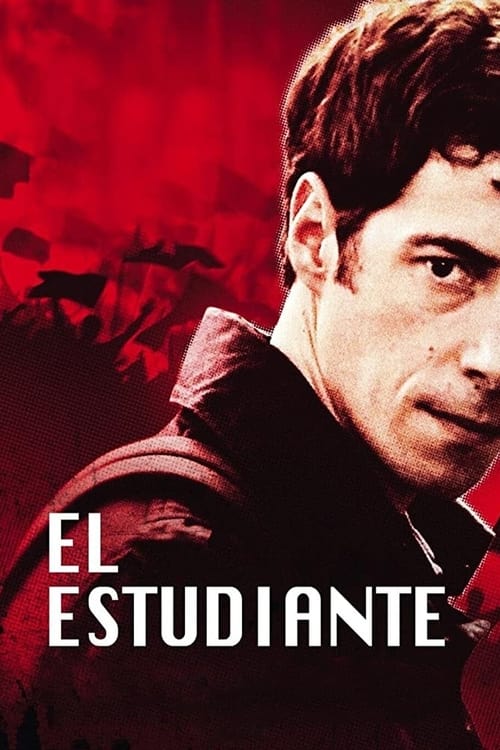
Roque starts University in Buenos Aires but he is not particularly interested in attending classes or working towards a degree. Instead, he dedicates his time to one of the many groups vying for control of the university, motivated less by grand political ideals than by a wish to get close to Paula, an attractive young teacher heavily involved in internal university politics.
The annual short film competition for directors organized and produced by the INCAA presents ten new works.
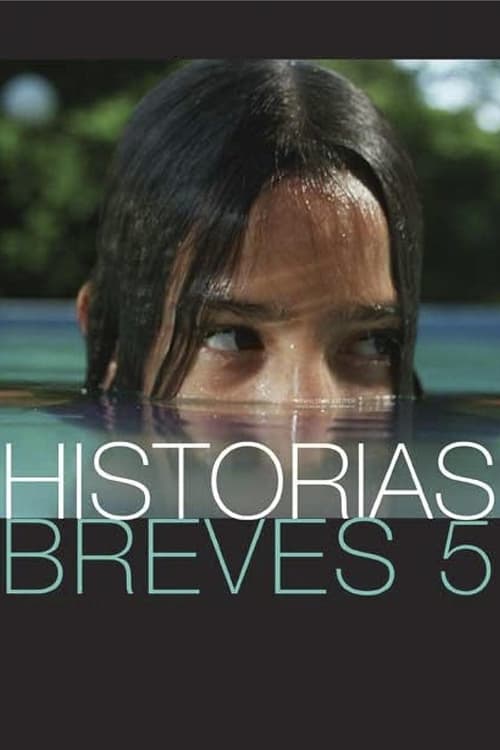
An enormous effort of narrative complexity made up of six independent, successive stories, connected by the same four actresses living very different experiences in very different universes…
A group of musicians protect an elephant that a gang is chasing to sell to a circus.
The documentary registers with detail this first visit to Argentina. It's a meditation on the artistic and conceptual processes that Ai Weiwei needs to think of his art. The images dialogue between the director and his instagram, revealing an intimate side, close to the people.
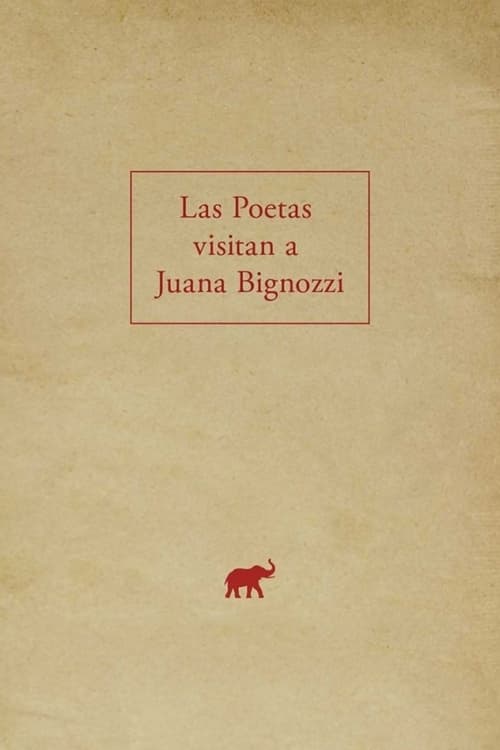
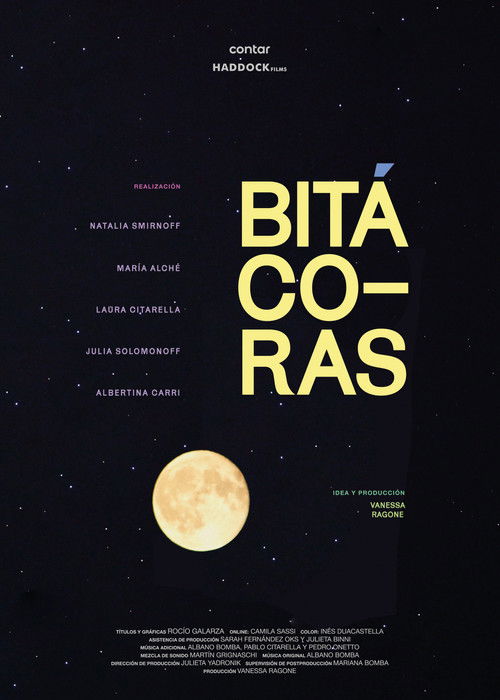
A poet dies and another one, younger, feels an obligation to promote her work. She is joined by a team of women filmmakers. The film begins with this unusual triangle but, interestingly, it grows into something more complex and subtle than a traditional research project.
A comedy during confinement? Probably so. A portrait of a little girl and her family during confinement? Apparently so. An absurd, Beckettian musical shot during confinement? Exactly, yes.
A filmmaker fails to portray an artist couple. Between music, painting and cinema, he achieves, however, an exceptional comedy of colours. Work inspired by the book "Kunst der Farbe" by Johannes Itten.
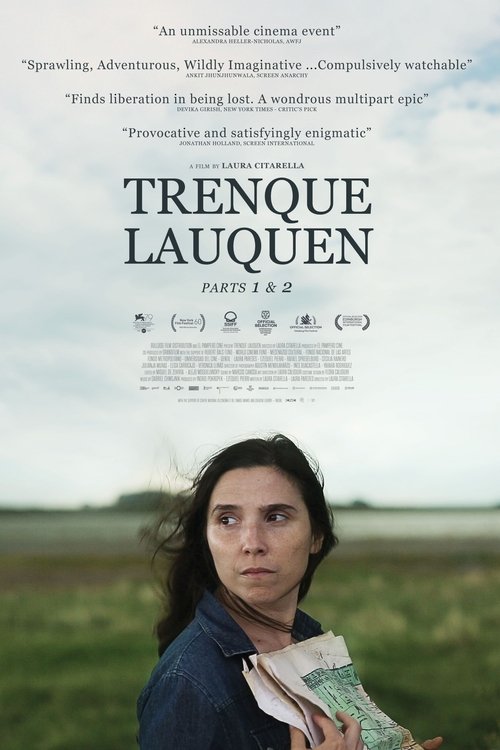
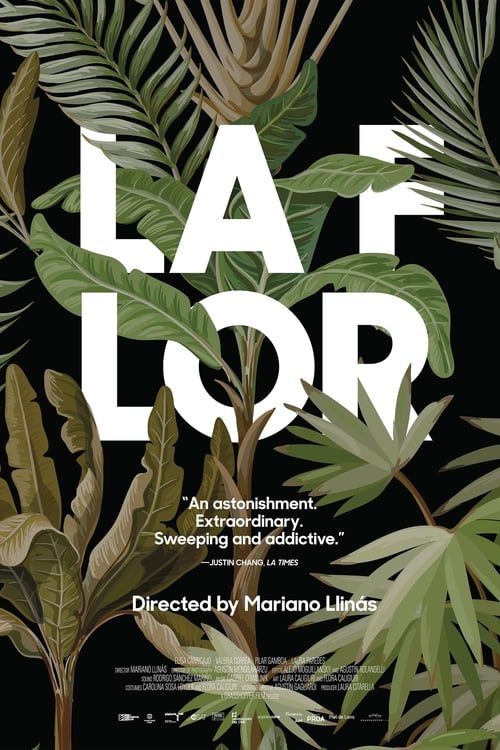
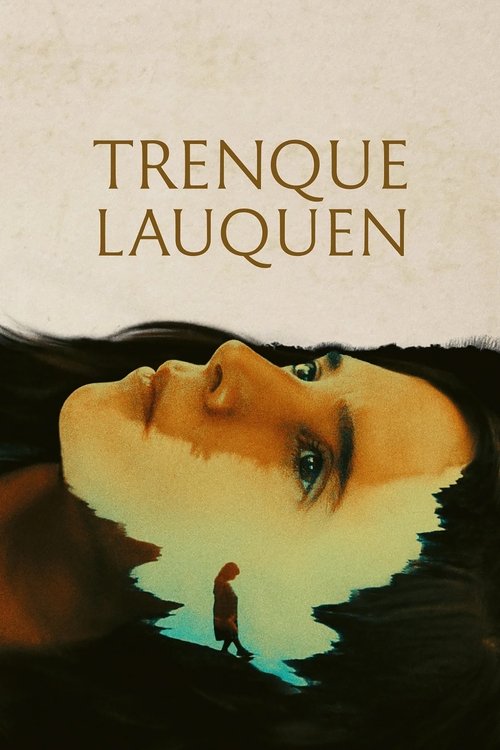
Trenque Lauquen's Ezequiel believes he is keeping on searching for Laura in the Argentine pampas, but the landscape confuses and disorients him, becoming increasingly jagged and disconnected: a radio that cannot definitively tune into a station. Editing cuts swallow up her world, bringing to the surface an archipelago of cinematic universes (from L’avventura to Stromboli and La terra trema), and they generate a fata morgana, capable of shortening distances between pampas and Mediterranean landscapes, between real and fictional vision, between the adult’s disorientation and the childhood’s innate and hilarious wisdom. Cinema as the art of disappearance that always leaves a trace, yet another indelible trace of one of the most important contemporary filmmakers.
A french engineer travels in a ship that stops in Buenos Aires, where he must deliver a packet to a mysterious man that is to hard to catch. He then must pursuit him in a labyrinthic city.
Nothing went as planned: what seemed to be an original idea (taking an international fashion event to a small town in the Argentine Pampas) ended up as a mysterious affair, with a mannequin who seems to have vanished, and who insists on leaving small clues scattered across the immense plains. But nothing seems to be too strange for Commissioner Sirota and her particular method which, this time, includes a clairvoyant, a legendary detective arriving from Santa Rosa and some picturesque “peritas” who choose to work at night, swinging to the rhythm of Ska. In the middle, a disturbing question: Is it a police case they are dealing with, or is someone taking them (the police, the whole town, the Italians – all of us, perhaps) for a fool?
A diary that records the life of an urban family in the countryside and its animals becomes the diary of the awaiting for a pig about to give birth.
A series of five short films made by five outstanding film directors that narrate in the first person their creative processes, their environment and their experience of 2020 and the pandemic. Ways of creating, territory, memory and autobiography in works where they propose us to look into the world of today. Her immediate and urgent look at the year the pandemic changed our lives.
For the unique 2x25 project, the festival asked 25 composers to compose a short piece of music, after which 25 filmmakers made a short film. A short film by Laura Citarella with music by Eiko Ishibashi.