FEEL IT.STREAM
?

Kazimierz Urbański

Directing

Biography

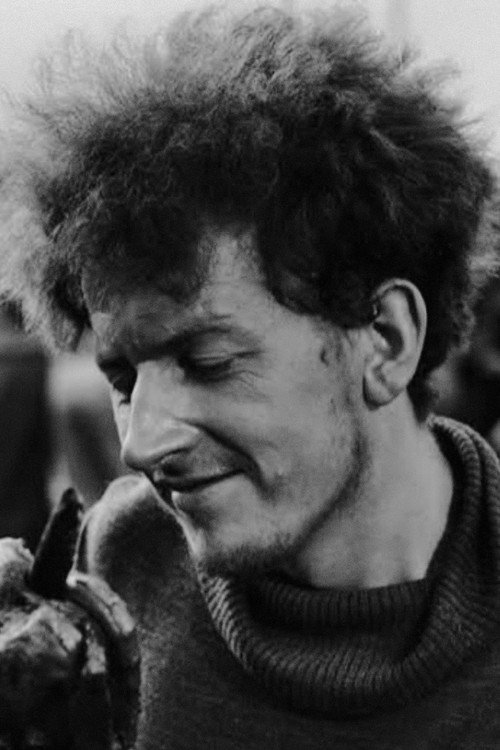
Kazimierz Urbański (born March 26, 1929 in Święciechowa , died January 18, 2015 ) – Polish creator of animated films , set designer, producer of audiovisual performances. In 1956 he graduated from the Academy of Fine Arts in Kraków . In the years 1957–1972 he organized and ran a film drawing studio at the Academy of Fine Arts in Kraków . He also lectured at the Academy of Fine Arts in Warsaw , the University of Arts in Poznań and the Leon Schiller National Film, Television and Theatre School in Łódź. On October 15, 2008, during a ceremony at the headquarters of the Ministry of Culture and National Heritage, he received the Silver Medal for Merit to Culture – Gloria Artis from Minister Bogdan Zdrojewski.
Known For

The Hours of Hope
6.4

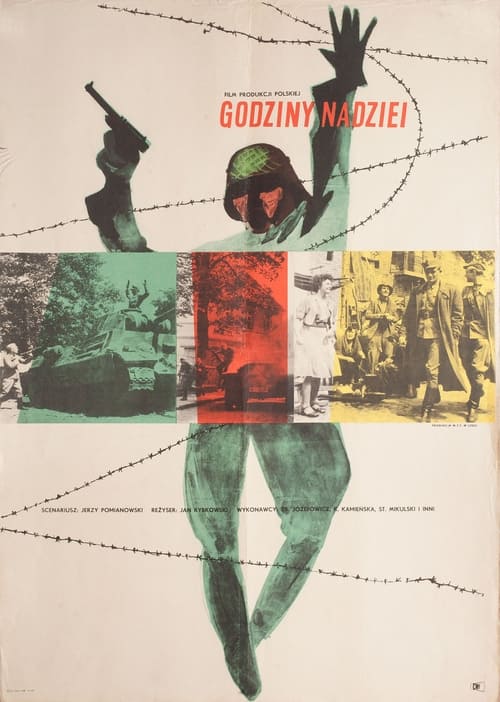
In the last days of World War 2, people of various ethnic background meet in a Polish military hospital in a small German town, whereas a Nazi SS division hides in the local forests and tries to move westwards.

The Hours of Hope

1955
The Spirit Of Witkacy
N/A

Stanislaw Ignacy Witkiewicz, better known as Witkacy, enivsages the future horrors of the Polish nation, as embodied by Stalin and Hitler, and the world collapsing into chaos.

The Spirit Of Witkacy

1989
No image
6.0

A beautifully fluid sand animation inspired by Camille Saint-Saëns' piece, 'Danse Macabre.'

La Danse Macabre

1990
The Charm of the Wheels
N/A

A swarm of locusts teases a herd of horses. A four-wheeled vehicle drives into the herd. It pulls behind its riders, the horses, and the insects. The gallop is more and more dynamic, gravediggers prepare coffins for crazy drivers.

The Charm of the Wheels

1966
Playthings
5.5

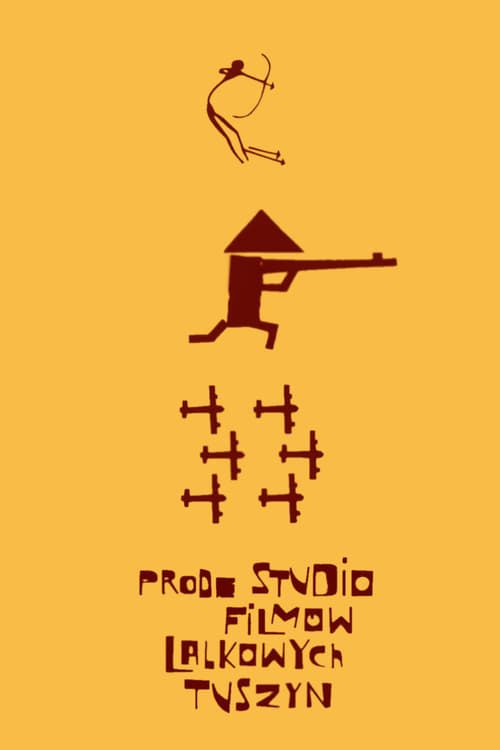
Paper cutouts over images of mixed colorful liquids, creating hypnotizing swirls and aesthetic explosions, as well as combining original and futurological sounds. Starting with the relentless hunting of antelopes, the geometric cutouts show the constant struggle between the warring groups. We have been observing it since the primeval times, when the tools of the battles were arches and spears, through the times of the domination of swords, later replaced by firearms. The increasing automation and power of war machines, the emergence of tanks and aircraft, eventually the use of weapons of mass destruction lead to total annihilation

Playthings

1962
No image
N/A

Motorcycle race on a speedway track.

Devils

1963
No image
N/A

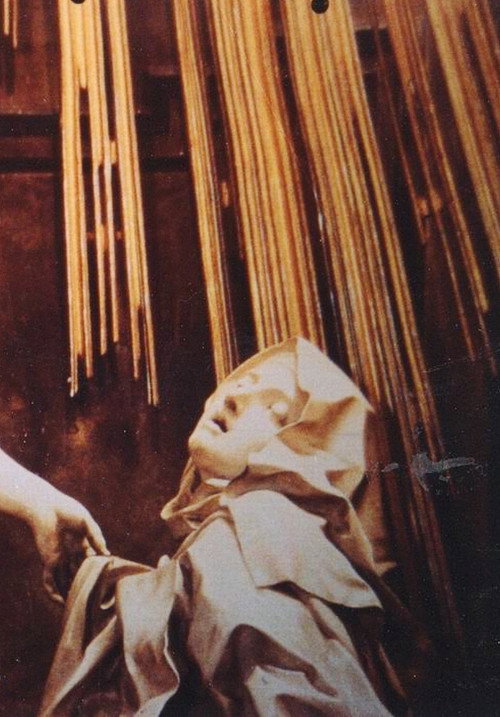
Combined animation. Mozart's music illustrates the memories of a man looking at a reproduction of Bernini's sculpture "The Ecstasy of Saint Teresa" hanging on the wall.

Koncert fortepianowy C-dur Andante KV 467

1991
Matter
8.5

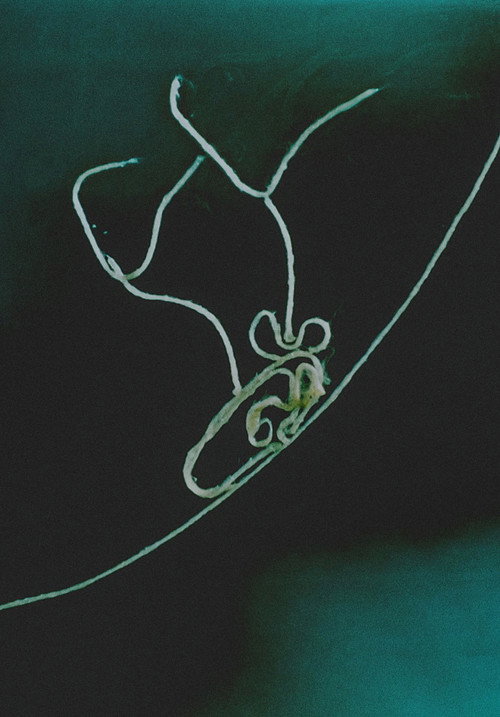
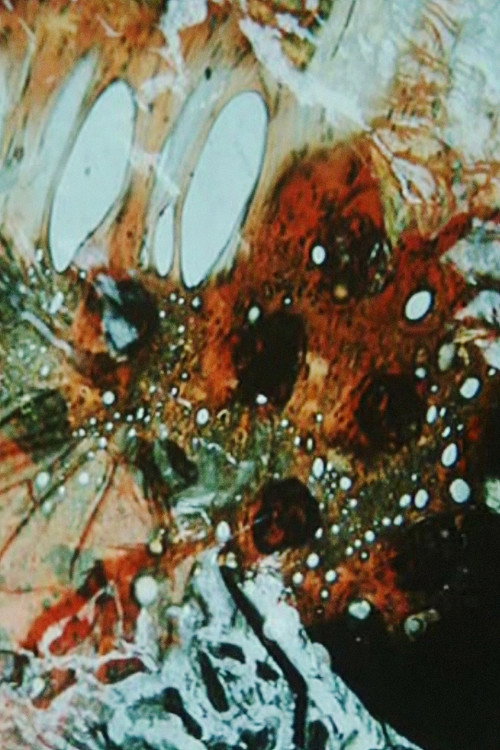
An experimental stop-motion animation made with a piece of yarn.

Matter

1963
No image
3.3

Polish avant-garde animation in which a periodic series of aggressive starbursts interrupt the melodic dancing of fluid shapes, one raid even freezing the image for a moment.

Demons

1980
Moto-gas
N/A

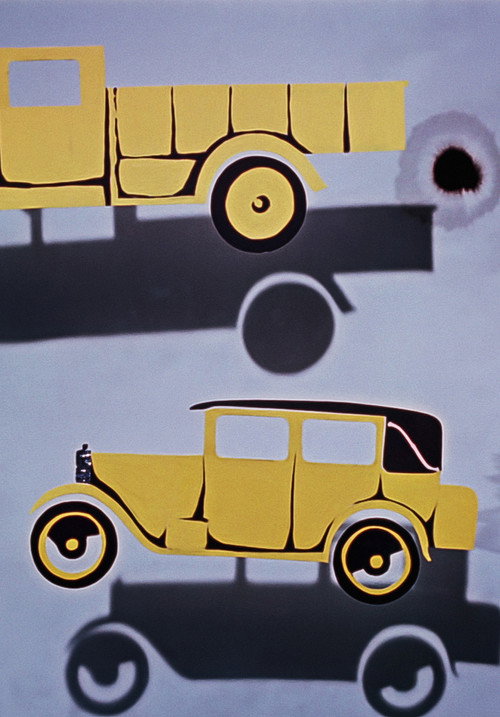
An experimental animation by Kazimierz Urbański about transportation. Combines various techniques: traditional cartoon film, cut-out, documentary photos, animation of objects, and effects caused directly on the tape.

Moto-gas

1963
Sweet Rhythms
6.5

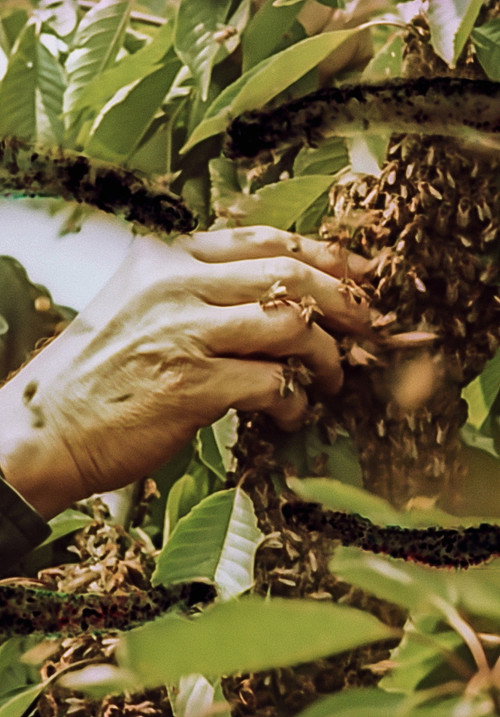
An old beekeeper and a little boy look into a hive. A brown-yellow shape and a black ball of a motile swarm begin to move on the surface of the screen. Physical reality turns into abstract forms.

Sweet Rhythms

1965
Tren zbója
N/A

An animation with social commentary. Kazimierz Urbański uses symbolism and abbreviations to depict emerging conflicts between social classes. The whole work is realized in a form characteristic of the author, created through appropriate production processes directly on film stock.

Tren zbója

1967
No image
N/A

No description available.

Nokturn c-moll op. 48 nr 1

1996
No image
N/A

The film is narrative-free. Both the sound effects and the images, accompanied by multilingual subtitles and changing like a kaleidoscope, evoke in the viewer's imagination a shooting range where the targets resemble human silhouettes. Lively folk melodies juxtaposed with the sounds of gunshots create a contrast and become a means of expression. The shooters' skills lead to the elimination of their opponents. The funfair comes to an end, traces are covered up, and the ground is leveled. From under layers of accumulated earth (history), the previously seen targets emerge to the surface. They take on the shape of human silhouettes and come to life with color. This image is accompanied by a musical memento—a wail full of regret. Both the image and the music that accompanies the film contain many symbols, so any attempt at an unambiguous interpretation would be a simplification of its reception.

Lunapark

1989
No image
N/A

The film presents a juxtaposition of the author's photographs of Memling's triptych "The Last Judgment." It poses the problem of choosing good and evil. Images of atomic explosions, the rubble of a burned-out city and the mocking laughter of the devil.

Sąd ostateczny

1994
No image
N/A

Colorful spheres irregularly interpenetrating each other, creating new forms.

Arytmia

1980