Editing
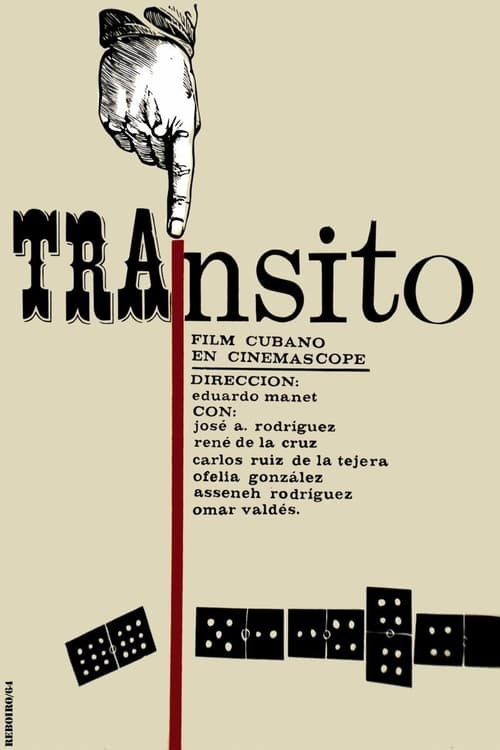
A doctor committed against the revolution decides to escape in a boat. A criminal friend introduced him to a modest revolutionary family to cover it up. During the events aspects of a society in transition are reflected.
On 15th April 1961 the anti-revolutionary forces bombed the airports of San Antonio de los Baños, Ciudad Libertad, and Santiago de Cuba in an attempt to eliminate the Cuban air force. This incident portended an imminent invasion. On the next day, while the victims of the bombing were being buried, Fidel Castro proclaimed the state of war. On the morning of 17th April mercenaries went ashore at Bay of Pigs, and proceeded to occupy two centrally situated places: Playa Larga and Playa Girón. Meanwhile, paratroopers landed north of this area in order to control the only access roads to these two beaches, which ran through the Zapata swamp. Thus, the occupiers created a centre of force in Bay of Pigs and appointed a provisional government. They intended to take over power by fighting a war of attrition, with the aid of the U.S.
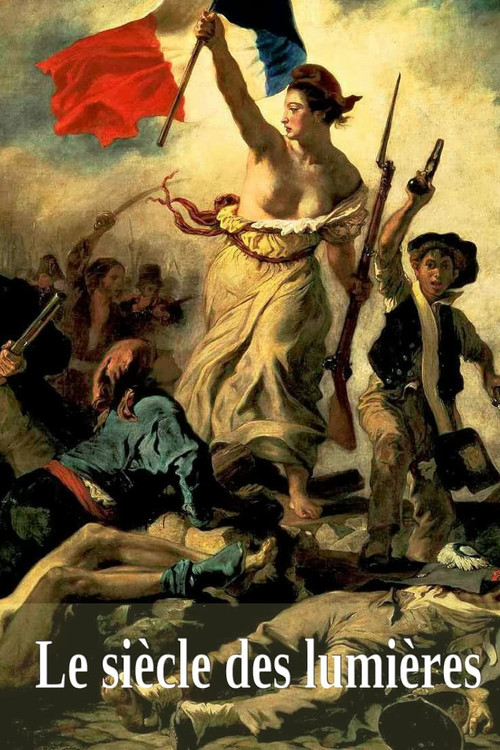
Follows the story of three privileged Creole orphans from Havana, as they meet French adventurer Victor Hugues and get involved in the revolutionary turmoil that shook the Atlantic World at the end of the eighteenth century. The main characters are all members of one family: two siblings, Carlos and Sofia, and their cousin Esteban.
A romantic comedy set during the waning years of the Batista dictatorship. It tells the story of a young woman, Elena, and her attempts to meet with her revolutionary lover before his forced departure into exile.
One winter morning in 1963, a Civil Aviation captain arrives in Gibara. A taxi driver takes him to the guest house of Elena, a lady belonging to the old bourgeoisie of the place. At first, Elena and the other guests treat the newcomer coldly, but when they learn that he is a captain in the US Civil Aviation Authority (who has come to Cuba to exchange medicine for the invaders at Playa Girón), the situation changes. A dazzling romance begins between Elena and the captain, but the ending will be unexpected.
Traces episodes in the lives of three Cuban women, each named Lucía, from three different historical periods: the 1890s, the 1930s, and the 1960s.
The story of Cecilia is a story of the society that dominated 19th-century Cuba, a society divided between whites, blacks, and those who were mixed, the mulattos. (Since the Spanish conquistadors killed off the Indian population in Cuba not long after they took over the island, there are no mestizos, or those of mixed-Indian blood in Cuba as in other Caribbean nations.) At any rate, the drama about the life and loves of Cecilia (Daisy Granados) takes place against the backdrop of graphically violent mistreatment of slaves and the rumors of a slave rebellion after the Cubans hear of slaves turning against their captors in Haiti.
A telephone operator from Mexico City tries to support a family and her passion for popular dance.
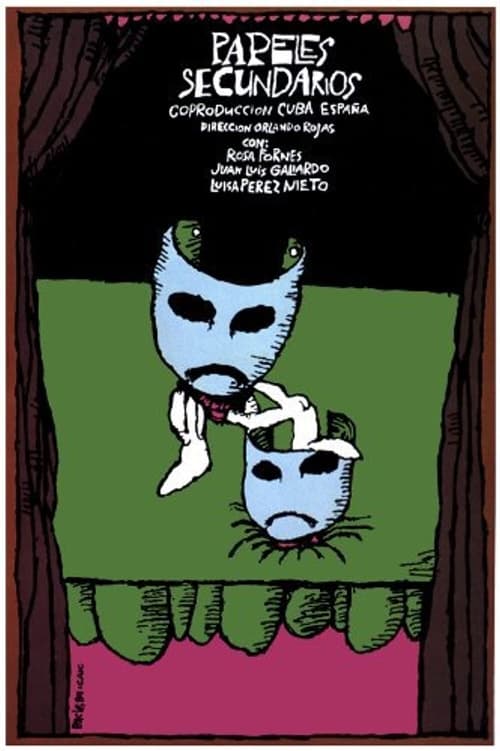
A prestigious theater group in crisis prepares for the staging of a famous love tragedy. Mirtha, an actress marked by frustration, decides to leave the theater when a guest conductor offered a starring role. The incorporation of young actors, unscrupulous, and an inspector trigger a series of situations that will endanger the reputation and power of the actress who heads the group.
The world of a young psychiatrist is shattered when she finds out that her husband is having an affair with one of her patients.
No description available.
In 1914, during World Ward I, Amada, a bourgeois wife, falls in love with her cousin Marcial, a young idealist who is fighting against the Cuban regime in power.
Dramatic recreations from impressive testimonie that no one can explain yet. Exploring themes and paranormal events such as forces from beyond, ghosts, poltergeist, pyrokinesis, telekinesis, telepathy, among others.
The story of the Santa María School massacre of miners in 1907.
Adolfo is an ambitious young man who dreams of leaving the town where he lives with his parents and trying his luck as a radio host in the United States of America, without realizing that everything he truly desires is closer than he thinks.
The action is situated in Colombia on April 9, 1948, date in which took place the famous "Bogotazo". It is a story of love frustrated by political circumstances. Laura, a spinster schoolteacher, lives to Josefina and Santiago, public employee. The three characters will be besieged by 24 hours, targeted by snipers, will be forced to show such which are or they would have liked to be.
It is the story of a young man named Esteban, who was totally devoted to the cause of the Revolution against Fulgencio Batista. One day, Esteban is diagnosed with a cerebral aneurism, which causes him to take stock of his life as a revolutionary and to reconsider his relationships to his family--to his mother and brother, particularly--and his friends.
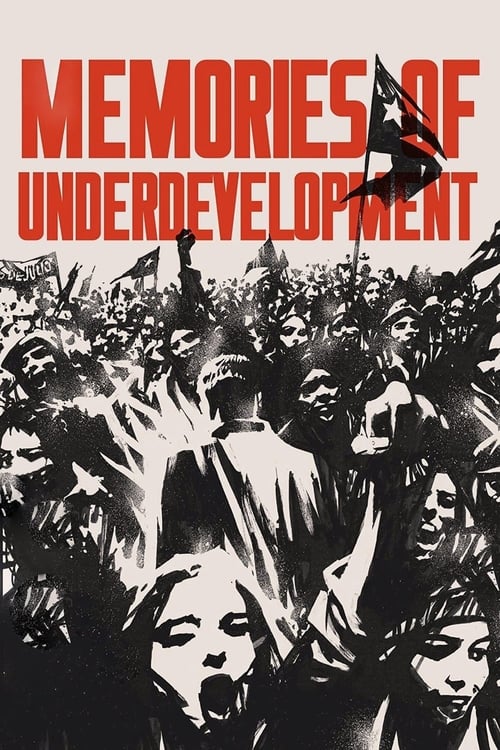
In the aftermath of the Bay of Pigs incident, Sergio chooses to stay behind in Cuba while his wife and family escape to neighboring Miami. Alone in a brave new world, Sergio observes the constant threat of foreign invasion while chasing young women all over Havana. He finally meets Elena, a young girl he seeks to mould into the image of his ex-wife, but at what cost to himself?
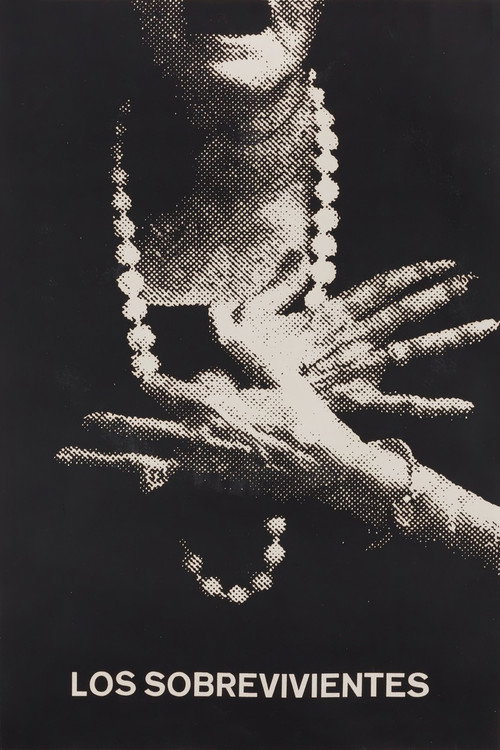
A bourgeois Cuban family of aristocratic origin locks itself into its mansion when the Cuban Revolution comes to power, waiting for the new regime to be overthrown. As time passes, they regress to older and older systems of political order, from capitalism to feudalism to "primitive savagery."
A pious plantation owner attempts to teach Christianity to 12 of his slaves by inviting them to participate in a reenactment of the Last Supper.