Camera
No description available.
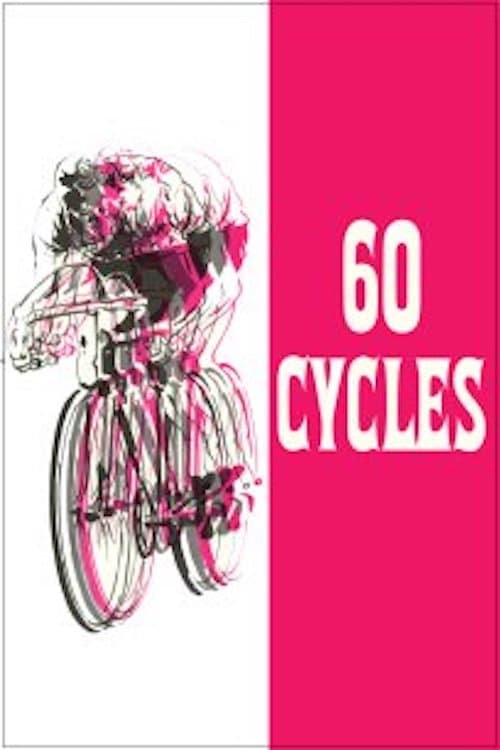
On your marks. Follow cyclists from 13 countries as they cover 2.400 km of Gaspé countryside in 12 days-a course longer than those of Italy, Belgium or Spain. The long shots of curving landscape and open road are set to a mesmerizing soundtrack in this documentary, and the results are spellbinding.
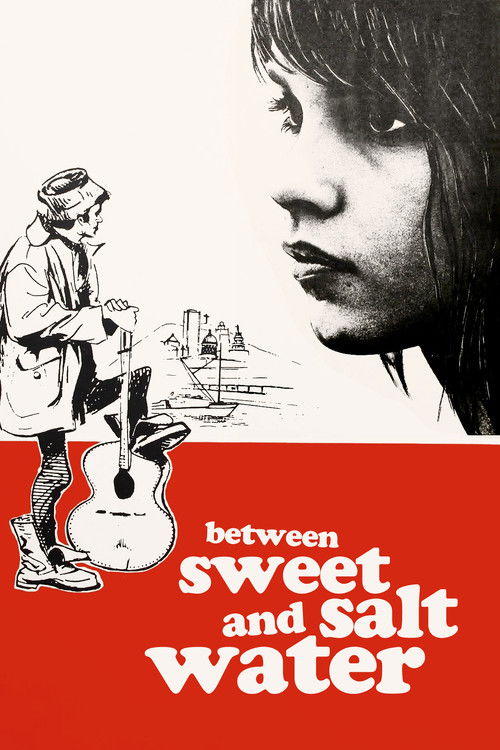
A young singer-songwriter abandons his life in his hometown and moves to the city to make it big. He achieves fame, but it comes at a price.
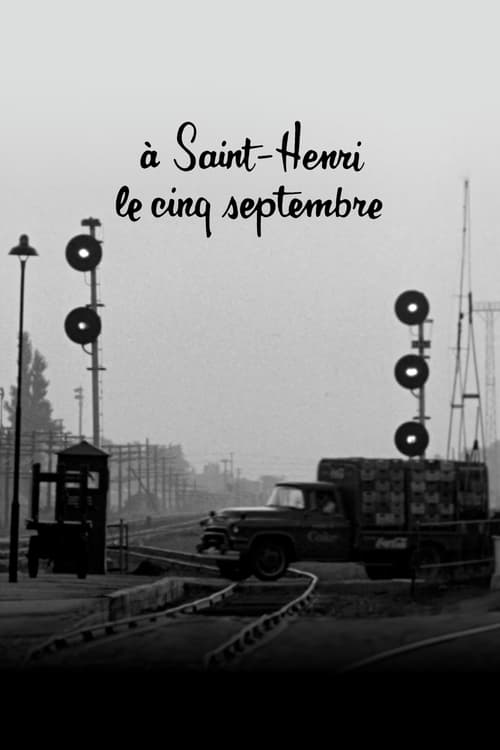
This short film is a series of vignettes of life in Saint-Henri, a Montreal working-class district, on the first day of school. From dawn to midnight, we take in the neighbourhood’s pulse: a mother fussing over children, a father's enforced idleness, teenage boys clowning, young lovers dallying - the unposed quality of daily life.
Four years after Pour la suite du monde (1963), director Pierre Perrault asks Alexis Tremblay if he'll agree to travel with his wife Marie to the country of their ancestors, France. In a montage parallel, we follow them in France and listen to them talking to their friends about it.
In 1940, two sisters work in an ammunition factory, but dream of marriage.
Marcel and Joseph are tireless walkers. Their itinerary is an invitation to discover improbable places and fascinating people. Everlastingly looking for Stanley, Marcel’s only friend, they meet an unlikely crowd of extravagant characters. Each has a story to tell, his hope to share.
A man struggles with his identity, his life choices, his interracial relationship, and his latent homosexuality. A portrait of some young intellectuals in early sixties Montreal.
The unexpected return of his ex-wife and the assembly of a group of protesters both threaten to wreck a corrupt contractor's inauguration party for his new superhighway.
A martian comes to a small town in Quebec and becomes friends with the town children. He gives them candy to get the children into his spacecraft. This alarms the parents but he wins them over and they have a great big Christmas party.
"This documentary depicts a canoe being built in the traditional manner. Cesar Newashish, a 67-year-old Attikamek of the Manawan Reserve North of Montréal, uses only birchbark, cedar splints, spruce roots, and gum. With a sure hand he works methodically to fashion a craft unsurpassed in function or beauty of design. Building a canoe solely from the materials that the forest provides may become a lost art, even among the Native Peoples whose traditional craft it is. The film is free of spoken commentary but text appears on the screen in Cree, French, and English." - Anthology Film Archives
At the end of the year 1961, three young students, Denys Arcand, Denis Héroux and Stéphane Venne, decide to direct a feature-length film centered on the perks of student life. The film mixes fiction and reality in the style of cinéma vérité. "Alone or with others" is often considered the first indepent film of Québec.
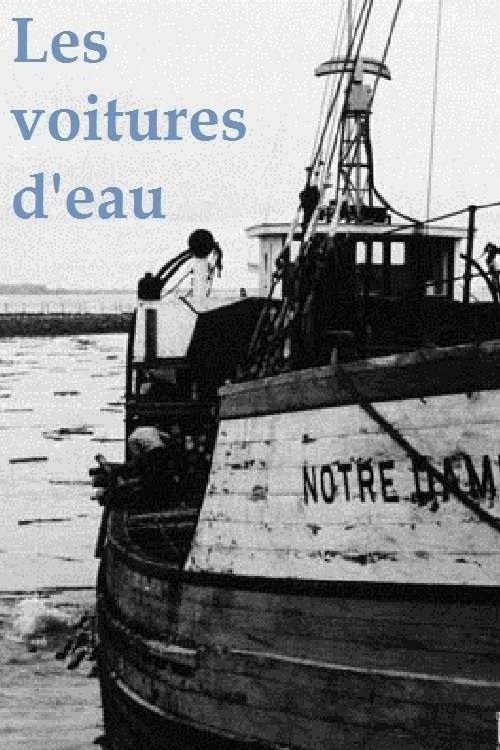
The people of Ile-aux-Coudres talk of their fading tradition of constructing boats to ride the seas.
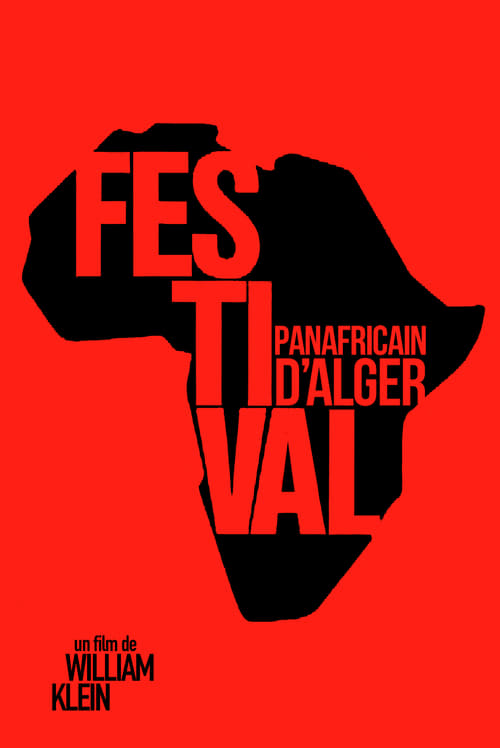
Festival panafricain d'Alger is a documentary by William Klein of the music and dance festival held 40 years ago in the streets and in venues all across Algiers. Klein follows the preparations, the rehearsals, the concerts… He blends images of interviews made to writers and advocates of the freedom movements with stock images, thus allowing him to touch on such matters as colonialism, neocolonialism, colonial exploitation, the struggles and battles of the revolutionary movements for Independence.
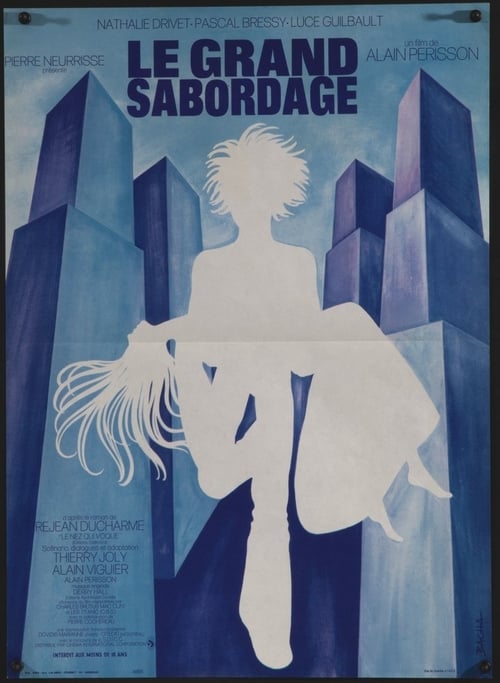
Two youngsters, a boy and girl barely into their teens, set up housekeeping together after dropping out of school. They have very little money and end up living in a rooming house. They spend their time playing, coming up with slogans, and writing them on available walls. Their relationship is mostly fraternal, so the boy doesn't understand the girl's jealousy when he begins receiving attention from an older woman. When the girl undertakes drastic measures, he begins to understand. This Canadian film is in French, with a French director.
An anthology of sequences from the best films that the National Film Board of Canada produced since its beginnings. Divided by themes and presented by a trio of actors-signers (including Carle's wife Chloé Sainte-Marie) who sings the same song in between the movie excerpts. This movie celebrated the anniversary of the National Film Board in 1985.
Feature documentary on the agricultural Abitibi. This film is a real plea for the earth and for a more human kind of life in the face of a society that has become cold and insensitive.
Explorer, colonizer, founder of Québec, discoverer of Lake Champlain, governor of New France, cartographer and writer - few men in Canadian history had a more adventurous and varied career than Champlain. This film presents an exciting picture-study of the man and his time.
They come in high-powered convertibles, with cameras and curiosity, to look at French Canada and French-Canadians. Their usual objective is Québec City, where they can soak up a bit of French culture without a trip to France. With an eye for humour, VISIT TO A FOREIGN COUNTRY shows the people of Québec taking a look at American tourists who have come to Québec to take a look at them.