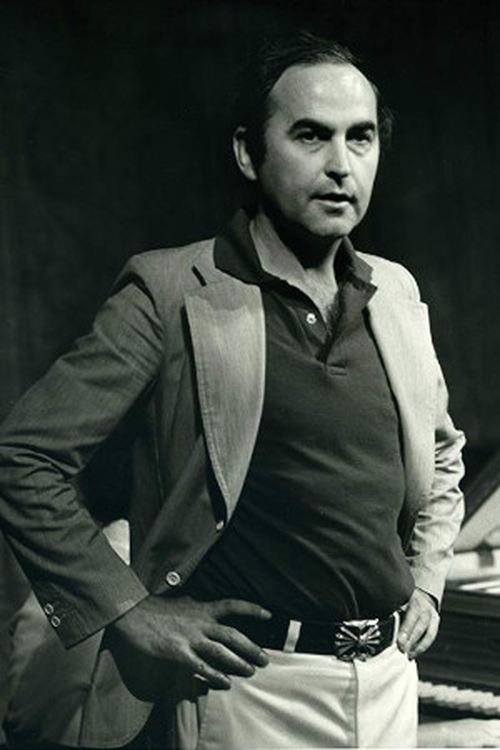
Michael Blackwood
Directing
Biography
Michael Blackwood Productions is an independent production company that has produced over 150 documentaries on the arts and its contributors, with a focus on architecture and architects, art and artists, dance and choreographers, and music and composers. The collection features over 1,000 participants or subjects, and spans over six decades of documentation, beginning in the 1960s and including earlier material, through the second decade of the 21st Century. The films serve as primary documents for educational and archival purposes, as well as informative and special interest pieces for the general public. A growing number of educational institutions, libraries, museums and various media outlets are acquiring the films around the world. The company is dedicated to preserving the underlying material, and digitizing its analogue portfolio. The collection itself is one of the largest and most significant of its kind.
Known For
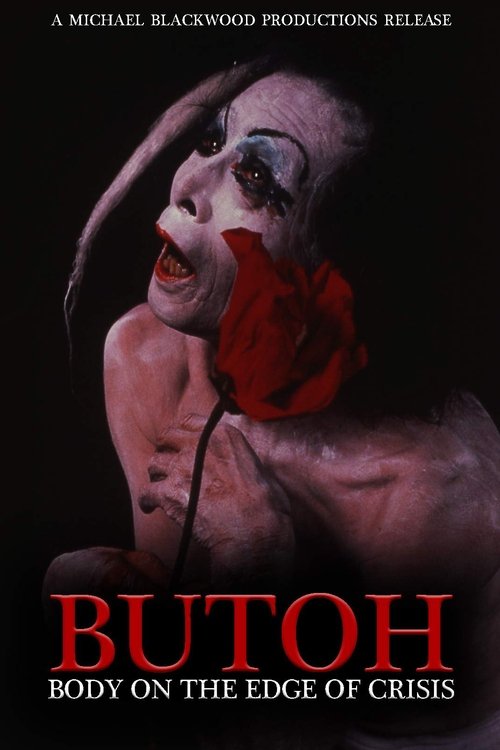
"Butoh: Body on the Edge of Crisis" is a visually striking film portrait shot on location in Japan with the participation of the major Butoh choreographers and their companies. Although Butoh is often viewed as Japan's equivalent of modern dance, in actuality it has little to do with the rational principles of modernism. Butoh is a theater of improvisation which places the personal experiences of the dancer on center-stage. By reestablishing the ancient Japanese connection of dance, music, and masks, and by recalling the Buddhist death dances of rural Japan, Butoh incorporates much traditional theater. At the same time, it is a movement of resistance against the abandonment of traditional culture to a highly organized consumer-oriented society.
Butoh: Body on the Edge of Crisis
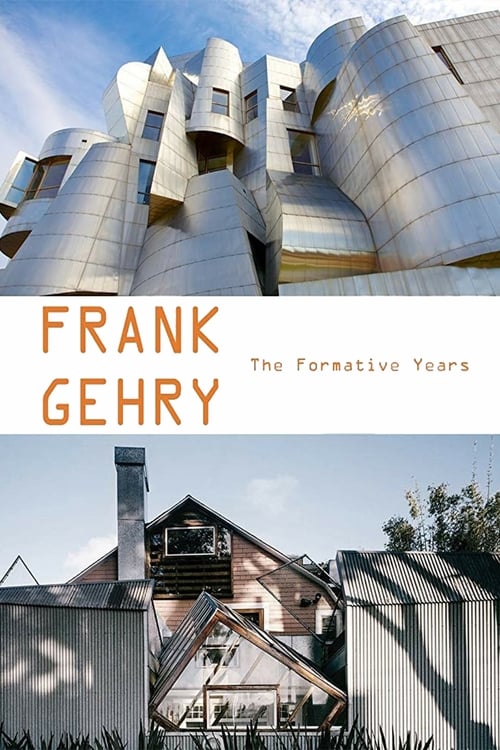
Narrated by the architect himself, Frank Gehry: The Formative Years explores his long standing career and unique eye. The film looks at a number of Gehry's projects from private homes to complex public institutions, all of which echo his experimental style and vision. Works such as The Norton House, The Aerospace Museum and Loyola Law School demonstrate Gehry's eccentric and distinctive touch. The Formative Years is a survey of his beginnings when Gehry experimented with his own house in Santa Monica, giving him notoriety in the architecture scene.
Frank Gehry: The Formative Years
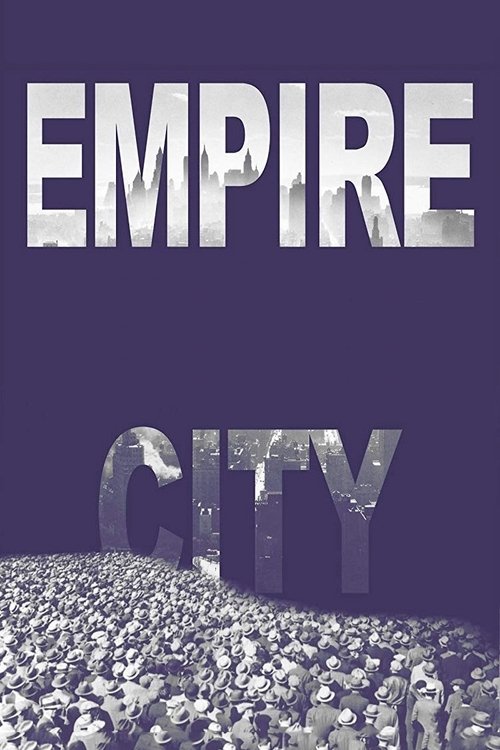
A film essay contrasting the modern metropolis with its "golden age" from 1830-1930, with the participation of some of New York's leading political and cultural figures. Made at a time when the city was experiencing unprecedented real estate development on the one hand and unforeseen displacement of population and deterioration on the other. Empire City is the story of two New Yorks. The film explores the precarious coexistence of the service-based midtown Manhattan corporate headquarters with the peripheral New York of undereducated minorities living in increasing alienation.
Empire City
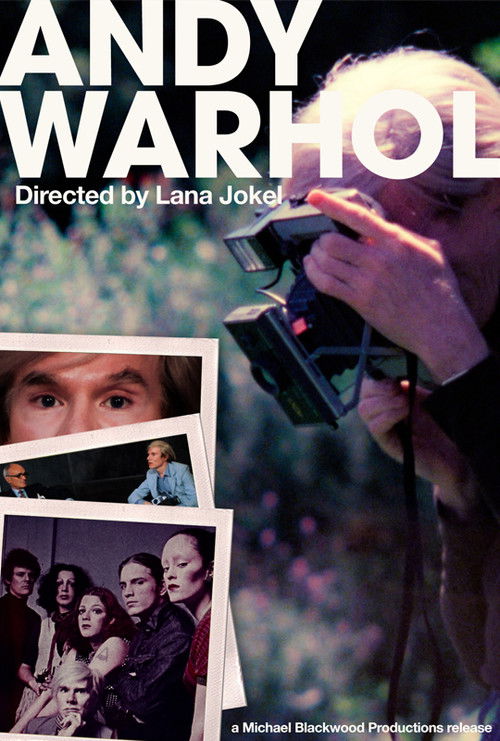
With a rambling, unstructured style that echoes Andy Warhol’s own approach to filmmaking, this documentary profiles his career, showing him to be a brilliant manipulator, dedicated voyeur and person of astute commercial judgment.
Andy Warhol
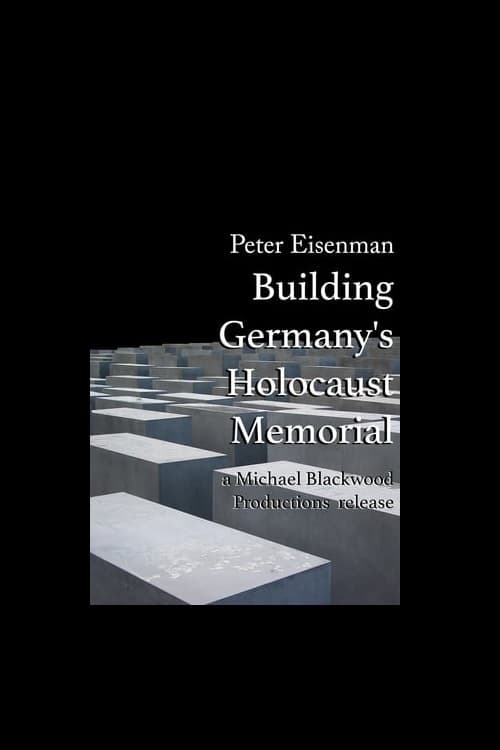
This documentary explores the creation of the Holocaust Memorial in Berlin as designed by architect Peter Eisenman. Reaction of the German public to the completed memorial is also shown.
Peter Eisenman: Building Germany's Holocaust Memorial
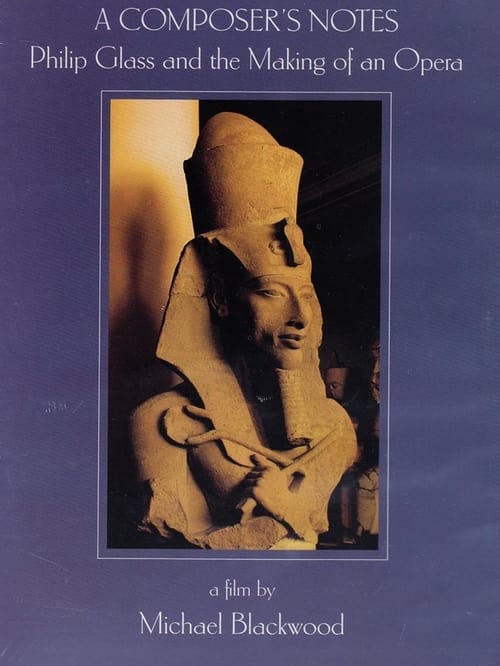
This documentary by Michael Blackwood looks at the development and production of Glass' opera Akhnaten. The film follows two productions by the Württemberg State Theater, Stuttgart, and the Houston Grand Opera.
A Composer’s Notes: Philip Glass and the Making of an Opera
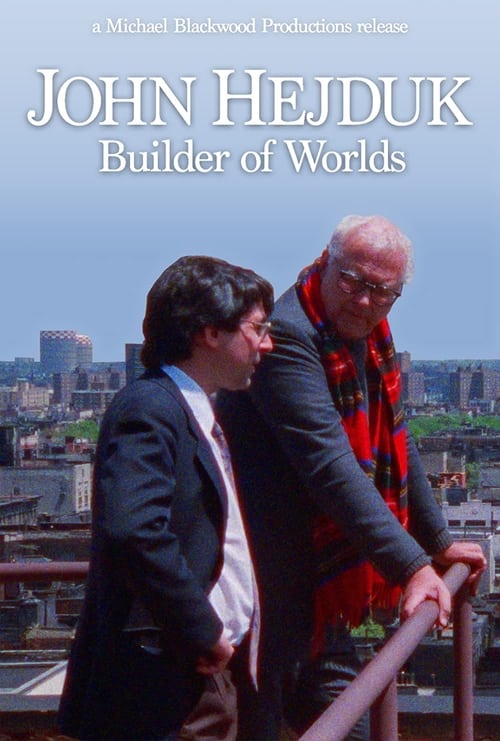
A poet among architects and an innovator among educators, John Hejduk converses with poet David Shapiro at The Cooper Union about the mystery and spirit of architecture. His own sketches and structures are shown
John Hejduk: Builder of Worlds
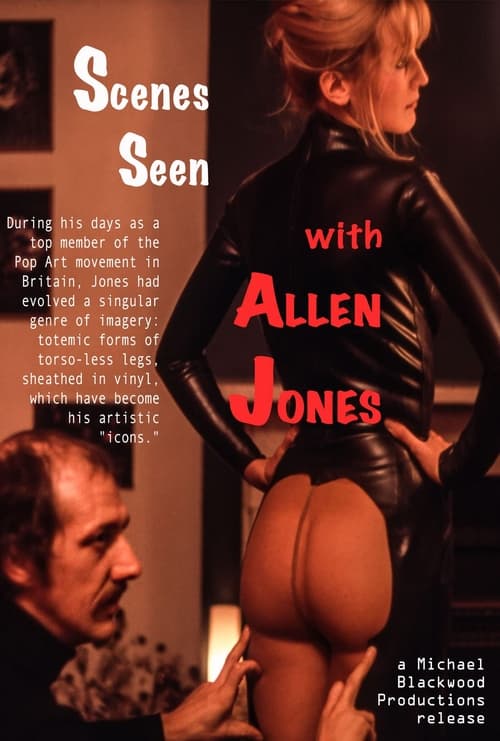
Scenes Seen with Allen Jones explores the motive of the artist's famed graphic works,, paintings and sculptures. The erotic overtones of Jones's work are both controversial and exciting, drawing the public's attention towards a new sector of the avant-garde. Jones is introduced in his London studio, where he is developing an idea for a new painting as he meticulously studies his model. During his days as a top member of the Pop Art movement in Britain, Jones evolved a singular genre of imagery: totemic forms of torso-less legs, sheathed in vinyl, which have become his artistic "signature."
Scenes Seen with Allen Jones
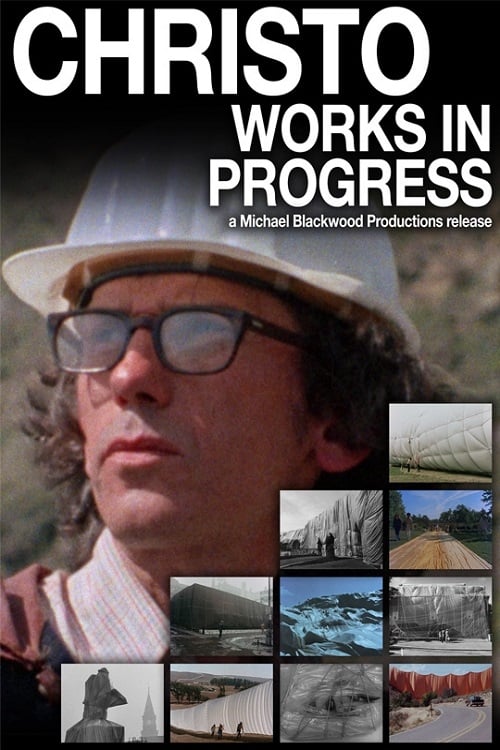
“Christo: Works in Progress” takes us around the world on a showcase of the artist’s grand environmental installations. With both critique and praise from members of the communities that have hosted Christo and his works, the film takes a deep look into the process and outcome of pieces such as Wrapped Coast, Running Fence, and Wrapped Walkways. While discussing his inspirations and motives, Christo states, “The work of art is not the fabric, steel poles and cable, the work of art is the hills and the ocean, the sky, the gates, the rocks, the people, the light- this is the work of art.” (Christo Vladimirov Javacheff) Though his work may appear to be visually distracting from the landscapes he creates in, Christo’s aim is to bring attention to the land itself and encourage people to take note of their surroundings.
Christo: Works in Progress
Surrounded by his children, his wife Ethel, and Sammy Davis, Jr., RFK visits schoolchildren around the city, and is every bit the good patriarch and dutiful public servant. But it’s the films’ fleeting, in-between, moments where Pennebaker most precisely hits the mark, offering reflection on the possibilities that Robert Kennedy’s all too brief life foreclosed. Set against the pageantry of a long ago Christmas, the film speaks to tragic contingencies of history lying far beyond the ken of politics that continue to circumscribe the tortured destiny of our country.
Jingle Bells: RFK - 1964

Beginning with their small wrapped objects of 1958, this portrait examines the continuously bold and ambitious artistic ventures of the enigmatic duo, CHRISTO AND JEANNE-CLAUDE. Though their large scale environmental projects, such as Running Fence and Wrapped Coast, are often met with distress and concern from the surrounding community, perceptions of the project are likely to shift when it comes time to interact with the grand, finished piece. Neither permanent nor purchasable, Christo and Jeanne-Claude’s works exude the essence of freedom and exist only for the sake of existing.
Christo and Jeanne-Claude: A Environmental Art Duo
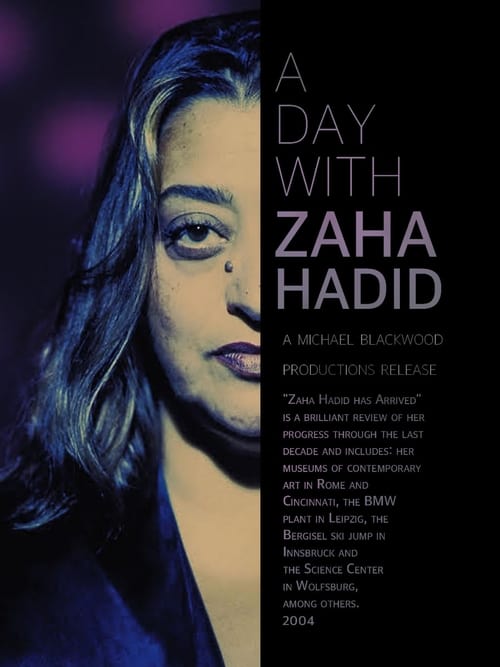
While guiding us through her retrospective exhibition “Zaha Hadid Has Arrived”, the renowned architect recalls her career from its beginning, discussing her education, inspiration and technique. The exhibition, located at The MAK in Vienna, features a new sculpture from Hadid entitled “Ice Storm” that serves as the centerpiece of the show and captures her sleek signature. From her famed Bergisel Ski Jump to Rome’s Museum of Contemporary Art, Hadid’s architectural resume shines in its diversity and exploration. A Day with Zaha Hadid reviews Hadid’s work of the last decade and celebrates her perpetually modern and daring designs.
A Day with Zaha Hadid
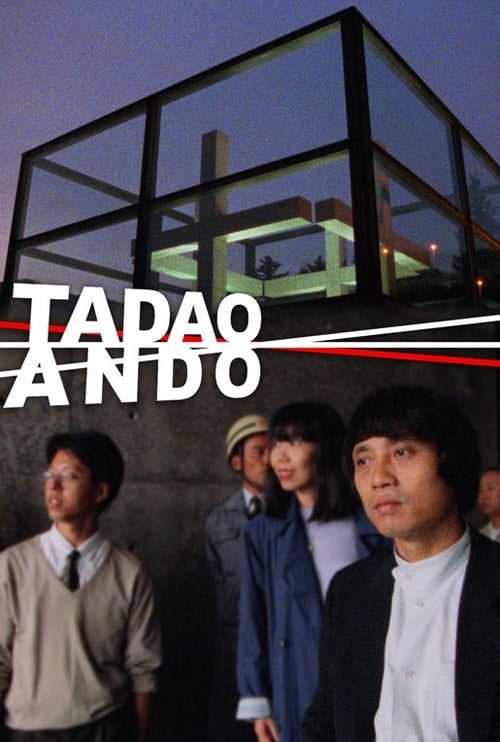
Tadao Ando, a self-taught architect, proposes an international architecture that he believes can only be conceived by someone Japanese. His architecture mixes Piranesian drama with contemplative spaces in urban complexes, residences and chapels. This film presents the formative years of his impressive career before he embarked on projects in Europe and the United States.
Tadao Ando
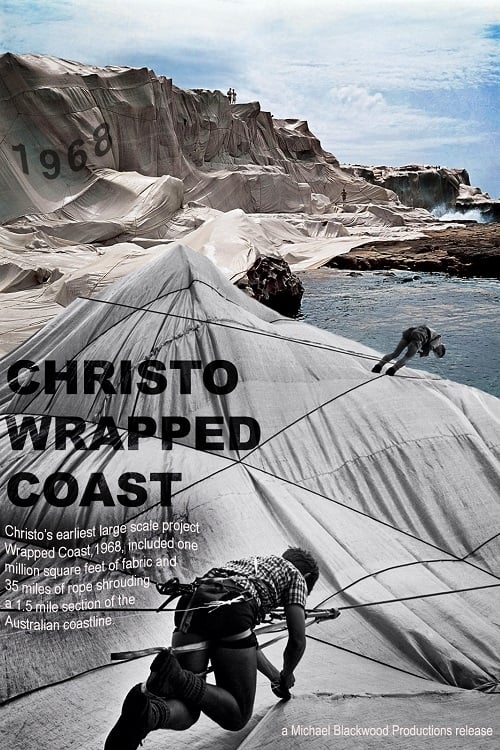
In 1969, Christo and Jeanne-Claude wrapped 2.5 kilometers of coast and cliffs up to 26 metres along the coast of Little Bay, in Southeast Sydney, Australia.
Christo: Wrapped Coast
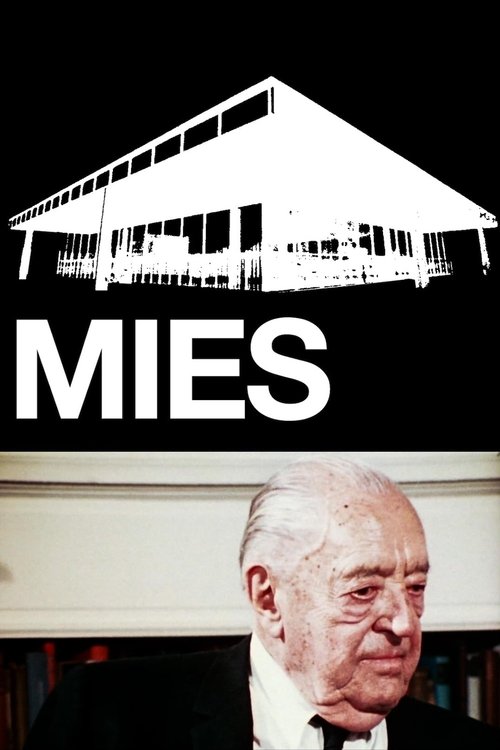
No understanding of the modern movement in architecture is possible without knowledge of its master builder, Mies van der Rohe. Together with documentation of his life, this film shows all his major buildings, as well as rare film footage of Mies explaining his philosophy. Phyllis Lambert relates her choice of Mies as the architect for the Seagram building. Mies's achievements and continuing influence are debated by architects Robert A.M. Stern, Robert Venturi, and Philip Johnson, by former students and by architectural historians. Mies is seen in rare documentary footage.
Mies
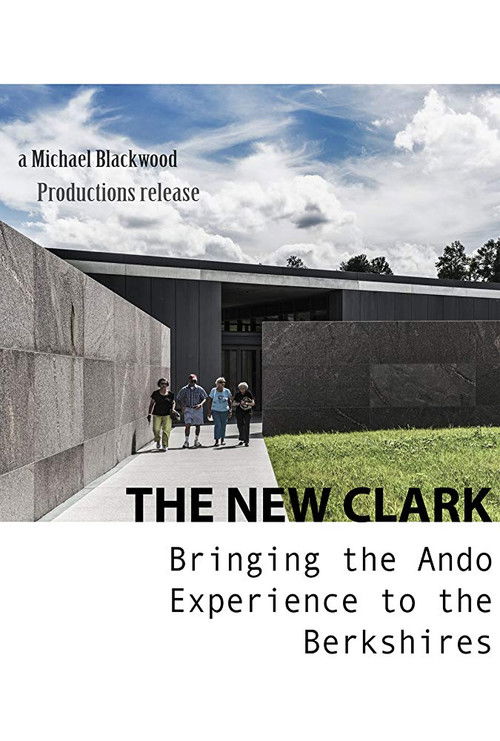
"The New Clark: Bringing the Ando Experience to the Berkshires" is a revealing insight into a long-term radical expansion of the Clark Art Institute in Williamstown, Massachusetts. The film follows the close collaboration between the museum and its internationally-acclaimed Japanese architect, Tadao Ando. Both Ando and the director of the Clark Art Institute, Michael Conforti, ponder the complexities of the project and the challenges involving aesthetic, setting, and community impact during the difficult twelve-year period. Determined to honor the institute's original buildings while introducing the modern elements associated with his unique style, Ando's design evokes a classic tranquility that seamlessly blends the Clark Art Institute with its stunning surroundings.
The New Clark: Bringing the Ando Experience to the Berkshires
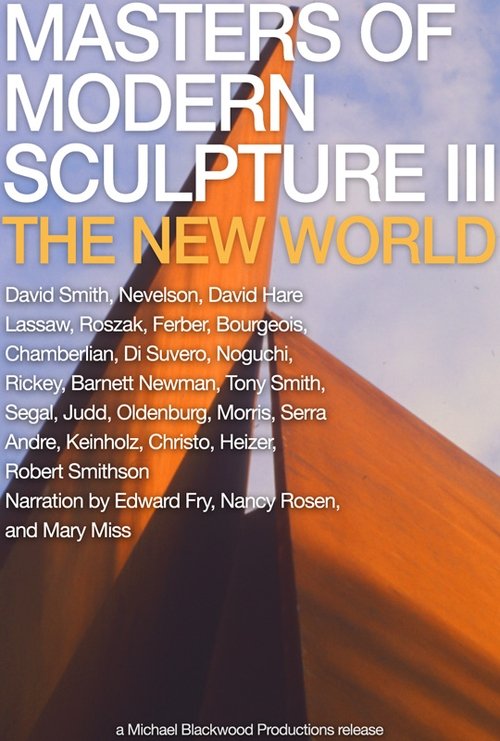
The Masters of Modern Sculpture series concludes with a look at post- World War II America, where sculpture became a deeply innovative art form. Using the objects at their disposal and the inspiration surrounding them, artists such as George Rickey, Claes Oldenburg, and Louise Nevelson cast sculptor in a new light. The New World observes the sculptors creatively utilizing wood, metals, and junkyard finds, bringing forth lively and shocking work. America's remote spaces, discarded objects and abundant materials enabled them to add to the concepts of European modernism in daringly unique ways.
Masters of Modern Sculpture Part III: The New World
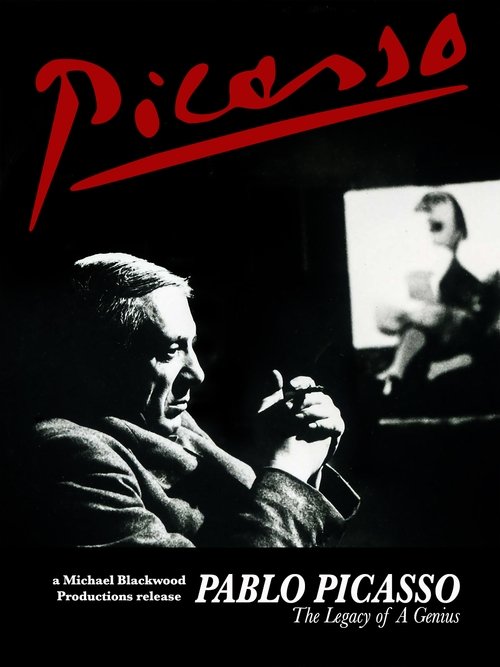
An assessment of the 20th century's best known artist and his vast achievements through the insights and speculations of over a dozen participants. Filmed on the 100th anniversary of Picasso's birth at MoMA, Musée Picasso, Walker Art Center, Museu Picasso Barcelona. Featuring Henry Moore, Anthony Caro, David Hockney, Roy Lichtenstein, Robert Rosenblum, Clement Greenberg, Roland Penrose and others.
Pablo Picasso: The Legacy of a Genius
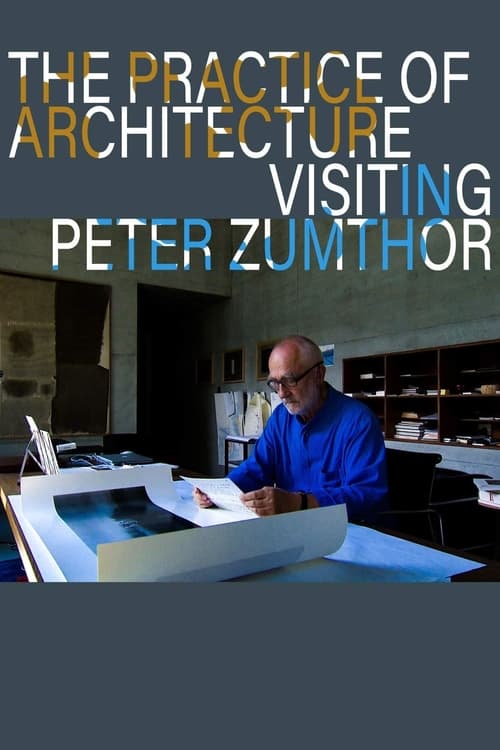
Architect Peter Zumthor lives and works in the remote village of Haldenstein in the Swiss Canton of Graubünden where he can keep the politics of architecture at a comfortable distance as he enjoys status and praise for his unique modernist buildings. In "The Practice of Architecture", critic Kenneth Frampton visits Zumthor at his studio where the two are surrounded by models, designs and plans for current and future projects throughout Europe and the United States. Frampton questions the renowned architecture on the motives and methods behind some of his most famous works, including his Zinc-Mine-Museum in Norway and the highly acclaimed Therme Vals, a stunning hotel and spa built over the thermal springs in Graubünden. While walking us through his career, Zumthor discusses his penchant for minimalism, the importance of landscape, light and material, and the architectural theory behind his stunningly precise style
The Practice of Architecture: Visiting Peter Zumthor
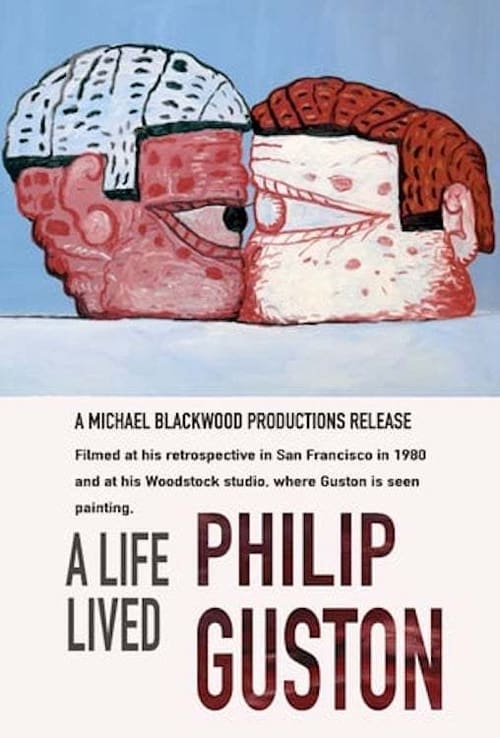
Late in life, the artist looks back over a career that originated in social realism during the '30s, moved to the center of Abstract Expressionism, and culminated in a return to figuration. Filmed at his retrospective in San Francisco in 1980 and at his Woodstock studio, where Guston is seen painting, the artist speaks candidly about his philosophy of painting and the psychological motivation for his work.