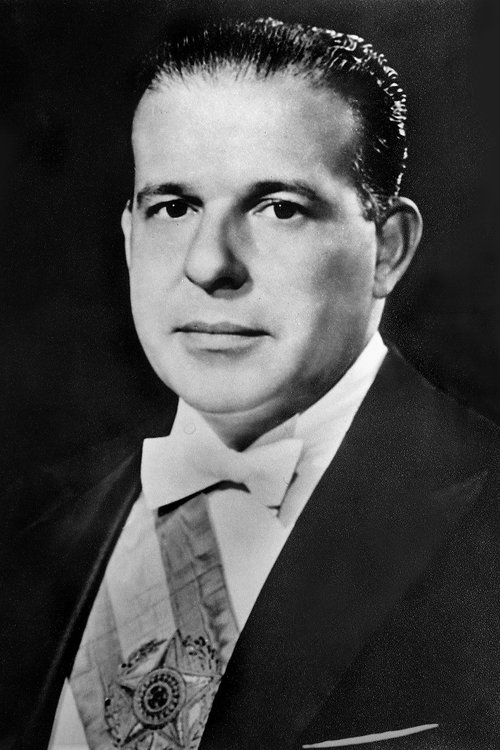
João Goulart
Acting
Biography
João Belchior Marques Goulart (São Borja, March 1, 1919 — Mercedes, December 6, 1976), popularly known as Jango, was a Brazilian lawyer, agribusinessman, and politician who served as the 24th president of Brazil, from September 7, 1961, to April 2, 1964, when he was deposed in a military coup. Previously, he served as the 14th vice president of Brazil, from January 31, 1956, to August 25, 1961, under presidents Juscelino Kubitschek and Jânio Quadros. Notably, in the 1955 elections, Jango received more votes for vice president than JK himself received for president, and was the first Brazilian politician to be reelected to a second consecutive term in the same federal executive office (vice presidency). Getúlio Vargas's political heir, Jango is considered one of the leading exponents of laborism in Brazil. His presidency was marked by intense political and social polarization, with proposals for Basic Reforms that aimed at profound structural transformations in the country. His deposition established a military dictatorship that lasted 21 years. Jango died in exile in Argentina. (Wikipedia)
Known For

Documentary portrays the crisis following the resignation of Brazilian President Jânio Quadros and the attempted coup to prevent João Goulart from taking office, which was contained with the adoption of parliamentarism.
1961
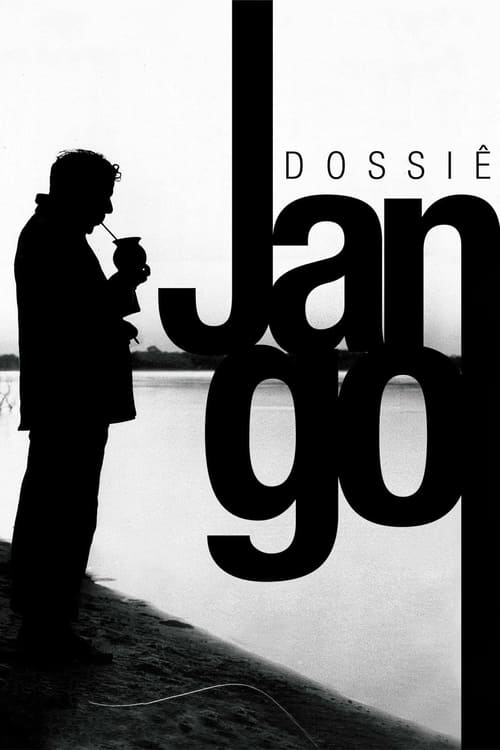
João Goulart (known as Jango) had been democratically elected president of Brazil, but was expelled from office after the coup of April 1, 1964. After that, Jango lived in exile in Argentina, where he died in 1976. The circumstances of his death in the neighboring country were not well explained today. His body was buried immediately after his death, raising the suspicions of premeditated murder. This documentary brings the issue back to the fore and tries to publicly clarify some obscure facts of the history of Brazil.
Dossiê Jango
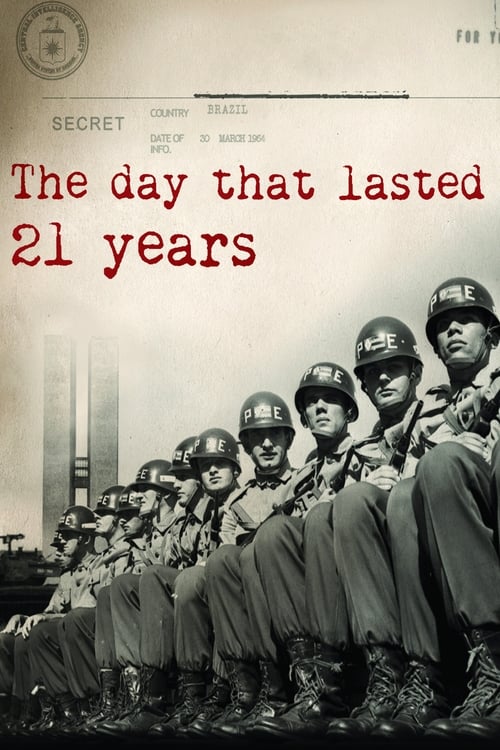
Stunning espionage documentary on the US conspiracy that led to the 1964 Brazilian coup d'état. John F. Kennedy and Lyndon Johnson original White House tapes, and CIA Top Secret documents reveal how the US government planned to overthrow Brazilian elected president João Goulart.
The Day That Lasted 21 Years
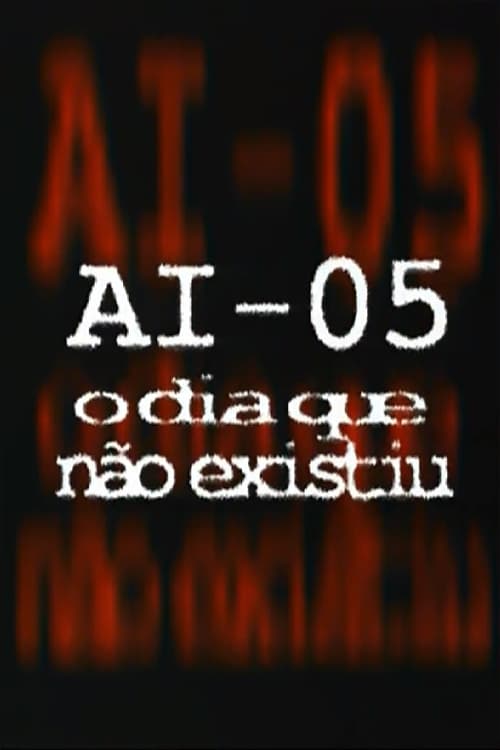
Documentary about a political episode during the Brazilian military dictatorship, which resulted in the issue of the Institutional Act #5 (AI-5), abolishing freedom of opinion in Brazil, and marking the transition to the toughest period of violation of human rights in the country. The episode was the Congress Assembly on December 12th, 1968, in which its members denied permission to punish congressman Márcio Moreira Alves, as was the Government's wish.
AI-5 - O Dia que Não Existiu
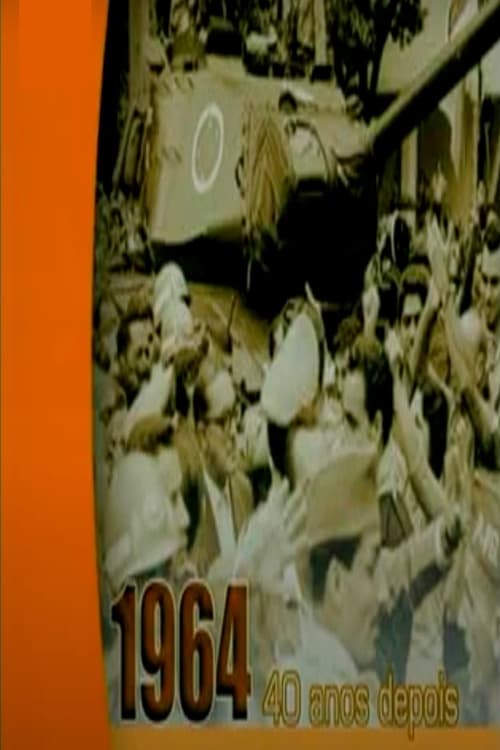
Documentary that shows the events that culminated in the deposition of President João Goulart, on March 31, 1964, and the implementation of the military dictatorship in Brazil. Around 40 characters reveal behind the scenes and comment in detail on this important moment in Brazilian political history.
1964: 40 Years After

Darcy Ribeiro was a renowned anthropologist, politician and writer. In this documentary, Maria Maia seeks to expose a bit of his personality with testimonials from friends, collaborators and speeches by Darcy himself.
Darcy, um Brasileiro
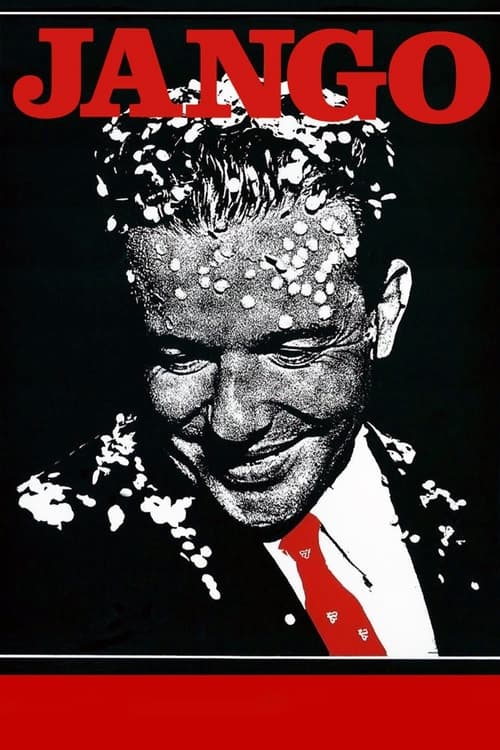
The story of João "Jango" Goulart, the Brazilian left-wing president deposed by the military.
Jango
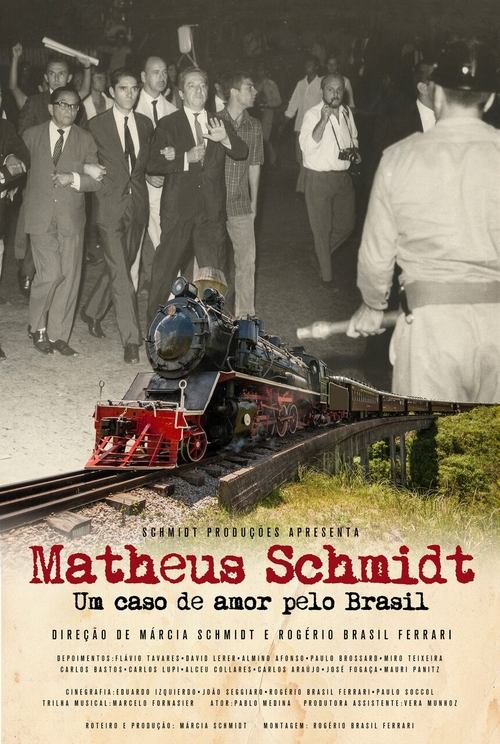
No description available.
Matheus Schdmit, um caso de amor pelo Brasil
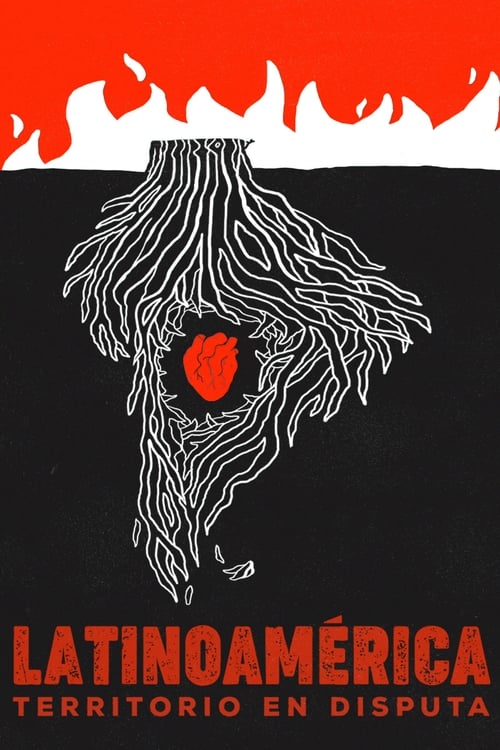
Documantary film on the dispute for the hegemony of the Latin American continent between conservative forces and popular movements.
Latinoamérica, territorio en disputa
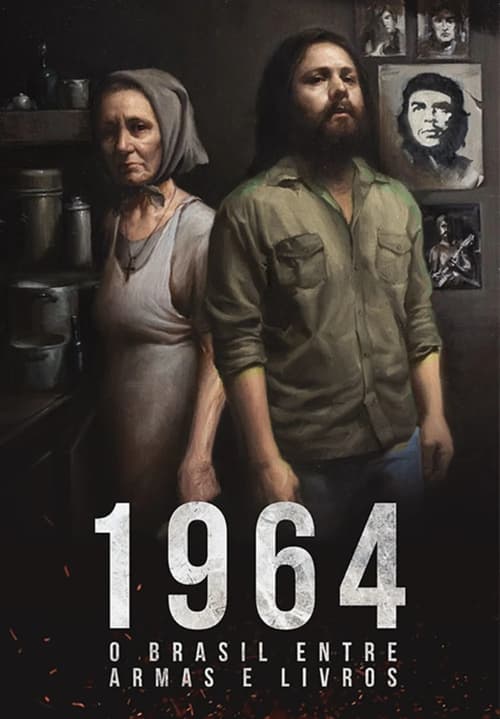
We question the most unquestionable period in our history. The result was an international investigation with part of secret attempts, discovery of Soviet documents and a lot of investigation by the Brazilian media. It was all under our eyes.
1964: Brazil between weapons and books
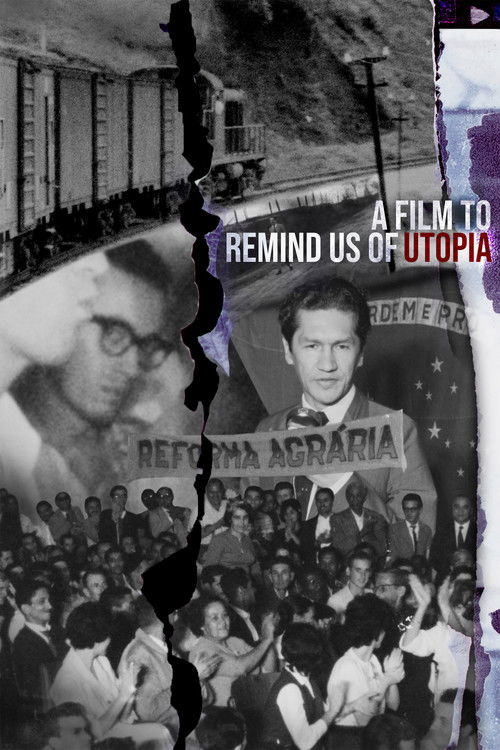
In Esdras Baptista's film archives, kept at his home for decades, one can feel the fervor of those who believed in a new tomorrow. Filmed in Brazil in the early 1960s, in the heat of a libertarian political movement, the filmmaker's images materialize the incandescence of collective desires at the historic moment of their emergence. Utopia, though unattainable, is never a mere abstraction. A force that mobilizes actions and feelings, it constitutes the impetus necessary for human existence.
A Film to Remind Us of Utopia
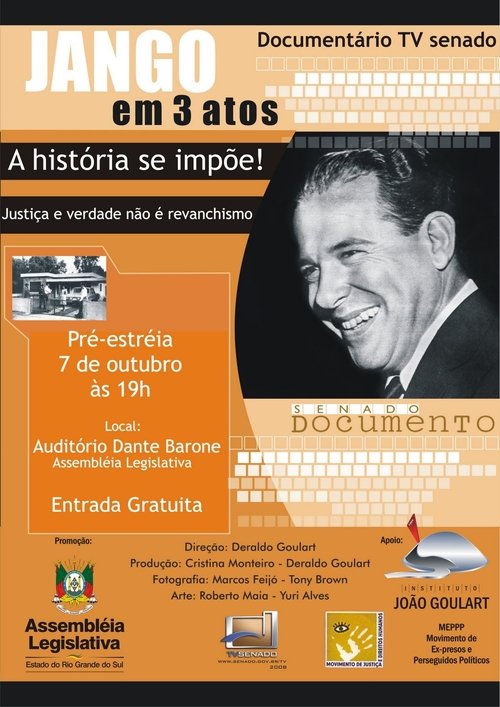
The political and domestic life of João Goulart, brazilian president victim of a civil-militar coup in 1964.