Writing
No description available.
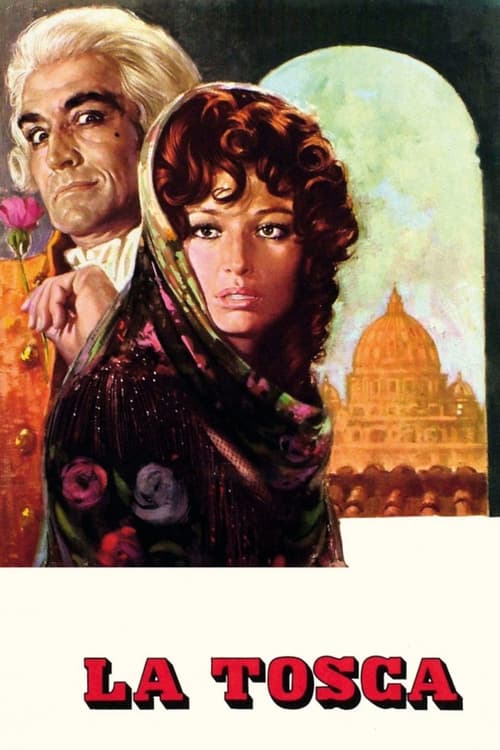
Floria Tosca, a famous Italian opera singer, suspects that her lover, Mario Cavaradossi, is unfaithful and secretly follows him to his villa on the outskirts of Rome. La Tosca is relieved to discover that Mario is harboring not another woman but Cesare Angelotti, a political prisoner. Her relief turns to despair, however, when Baron Scarpia, Rome's tyrannical chief of police, arrives and demands that Mario turn Cesare over to the authorities under penalty of torture.
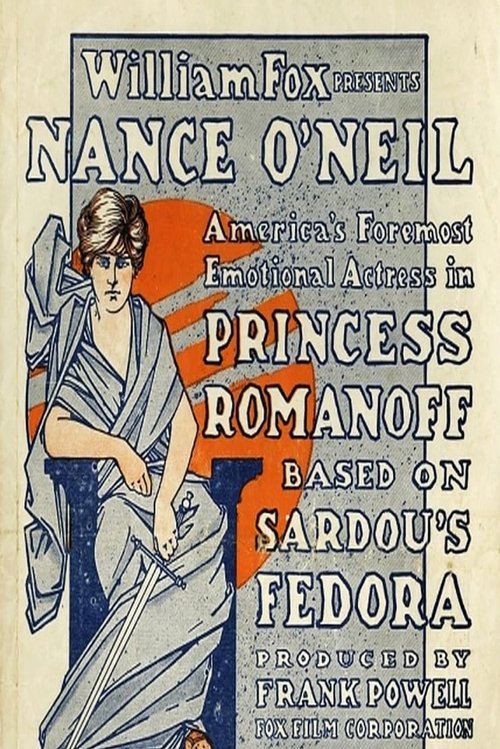
Princess Fedora Romanoff, a wealthy, beautiful St. Petersburg widow, is betrothed to Vladimir Boroff, a young man of high social position in the Russian capital. On the eve of their wedding, Vladimir is murdered and Princess Fedora, transformed by the tragedy from a gentle, loving woman into a tigress, vows to devote her life to finding and punishing the slayer of her beloved. Her quest takes her to New York City.
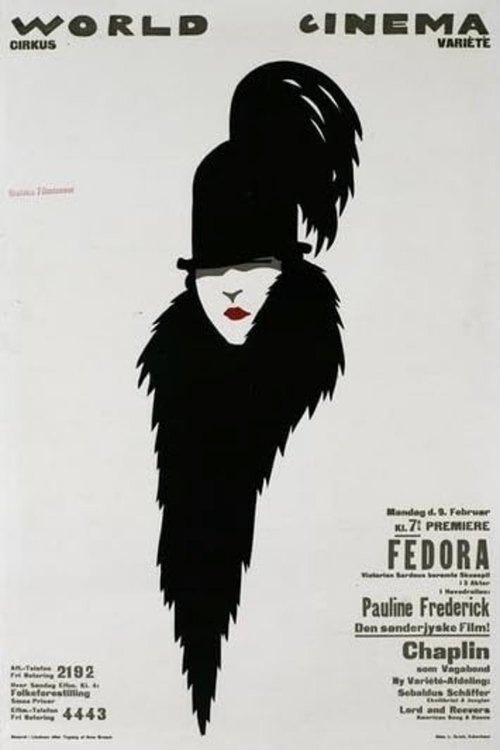
Fedora, a beautiful and elegant woman of Russian society, travels to Paris in search of her fiance's murderer.
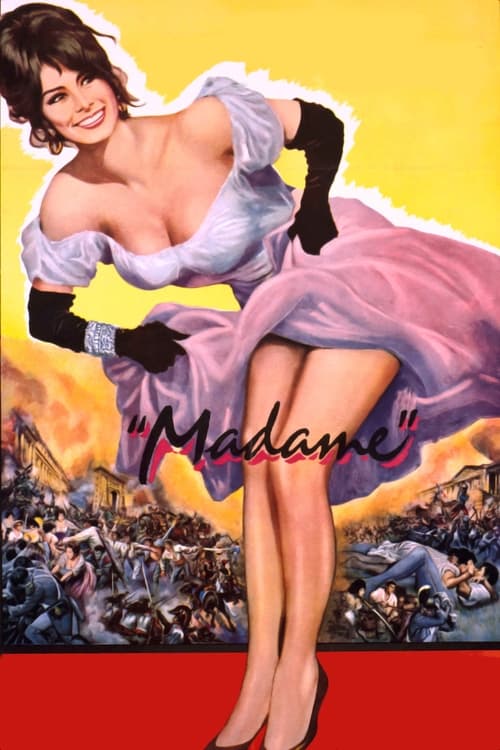
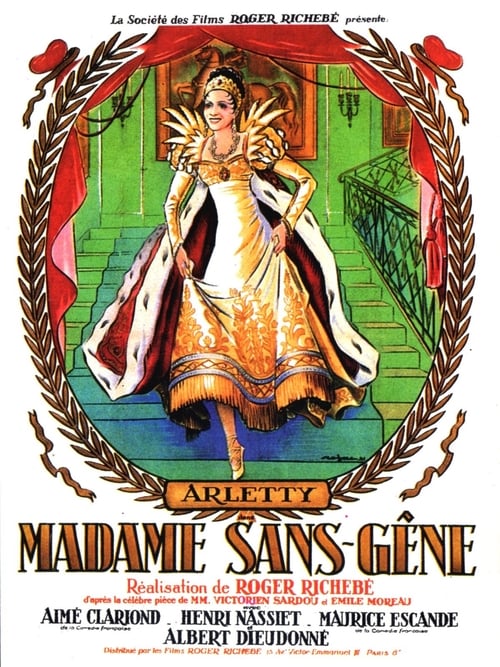
Catherine Hubscher, who washes the shirts of young Napoleon and other soldiers fighting the Revolution, falls in love with Sergeant Lefebvre. Circumstances bring Lefebvre a noble title and even more -- Napoleon decides to make him the local ruler over a large territorial fiefdom. But trouble brews when Madame Sans-Gene, now elevated to the nobility along with her man -- cannot keep her frank observations under control.
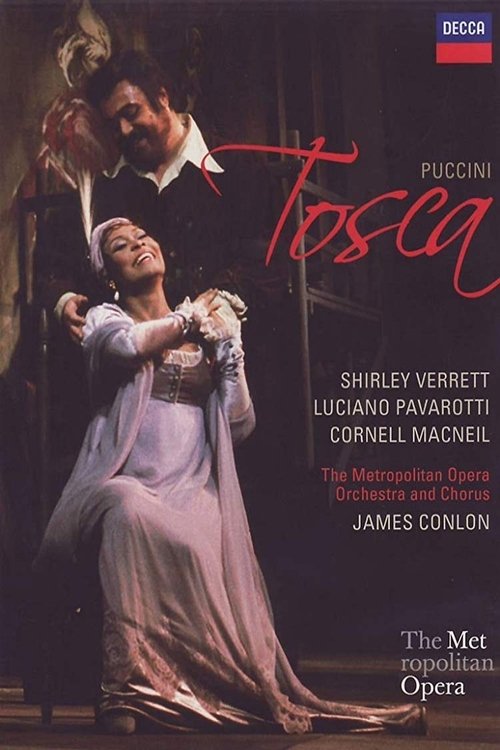
A stellar cast brings Puccini’s spellbinding opera to life, seizing every opportunity to thrill the audience. Luciano Pavarotti is Cavaradossi, the painter and political revolutionary in love with the beautiful and famous singer Tosca (the riveting Shirley Verrett). Rome’s diabolical chief of police, Baron Scarpia (Cornell MacNeil), wants Tosca for himself—but he underestimates the fury of a woman in love. With torture, murder, and a suicide in its final moments, Tosca packs more dramatic punches than most other operas—and this classic telecast captures them all. James Conlon conducts in a production by the incomparable Tito Gobbi, one of the great Scarpias of the 20th century.
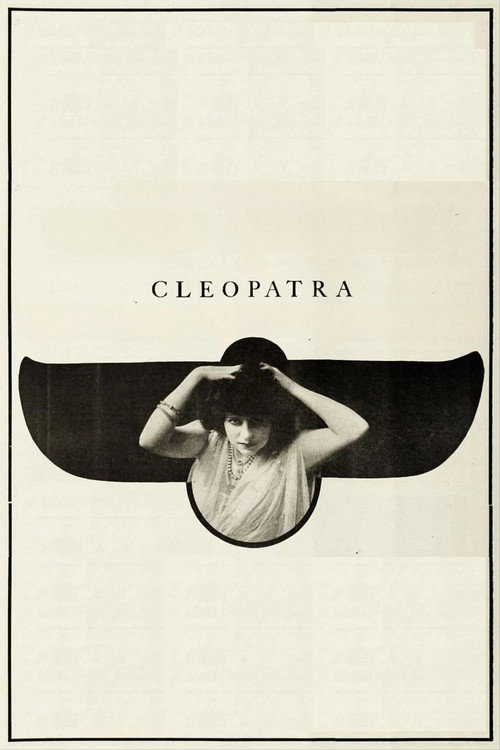
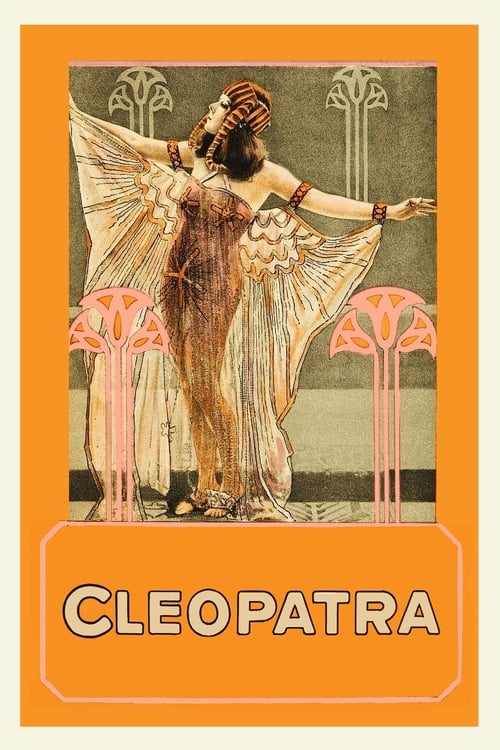
The fabled queen of Egypt's affair with Roman general Marc Antony is ultimately disastrous for both of them.
The story of Cleopatra, the fabulous queen of Egypt, and the epic romances between her and the greatest men of Rome, Julius Caesar and Antony. Only a small fragment of this film survives.
A happily married woman sees a psychoanalyst and develops doubts about her husband.
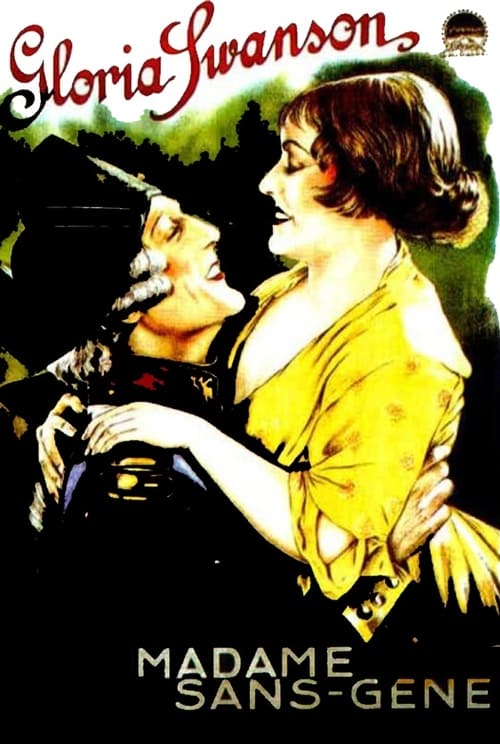
Deals with the ordeals of a crude washerwoman in the chic court of Napoleon the First. Based on the play of the same name.
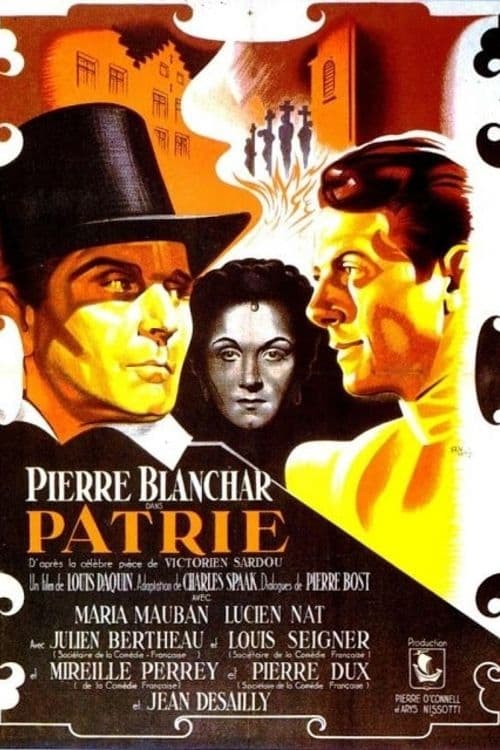
Brussels in the year 1568, as the Flemish people are fighting against the tyranny of the Spanish occupiers. Led by Count de Rysoor, the revolt against the ruthless Duke of Alba, is meant to help Prince William of Orange to get into the city and come to power. Now, the count's lieutenant, has an affair with Elisabeth, Rysoor's wife. For the time being, the count, who thinks of his homeland first, turns a blind eye. But such a relationship might well undermine the whole rebellion movement.
Rome, 1800. Napoleon threatens the power of the Church and executions of Jacobins are constant. Angelotti, the most famous of them all has escaped from prison and the chief of police is on his tail. Angelotti is being helped by a painter, lover of "La Tosca", a famous singer. The police chief suspects the truth and tries to arouse the jealousy of "La Tosca" to catch the escapee.
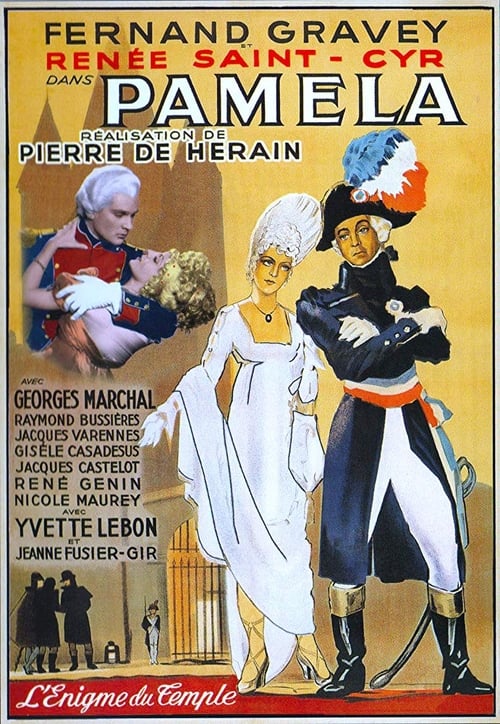
During the Directory, a handful of royalists tried to get the Dauphin Louis XVII to escape from the Temple.
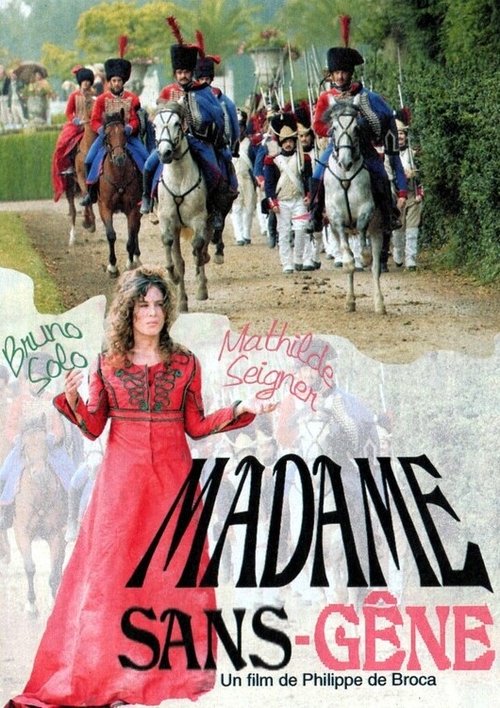
In August 1792, on the eve of the attack on the Tuileries, Catherine Hubscher, a laundress in Paris, met a sergeant and an artillery lieutenant who would become respectively Marshal Lefèvre and Emperor Napoleon I. 1810. Napoleon was about to marry Marie-Louise. Fearing the inconstancies and moral lessons of Marshal Lefebvre, the emperor asked her husband to keep her away from the wedding ceremonies. He is unaware that the hotheaded young woman has received a personal invitation from the Austrian embassy.
Bound for Africa the next day, Captain Ferréol visits Gilberte Boismartel, his former sweetheart who is now married to Rochemore, a French magistrate, to return her love letters. Leaving he witness the murder of Rochemore.
A French washerwoman becomes a duchess and a friend of Napoleon.
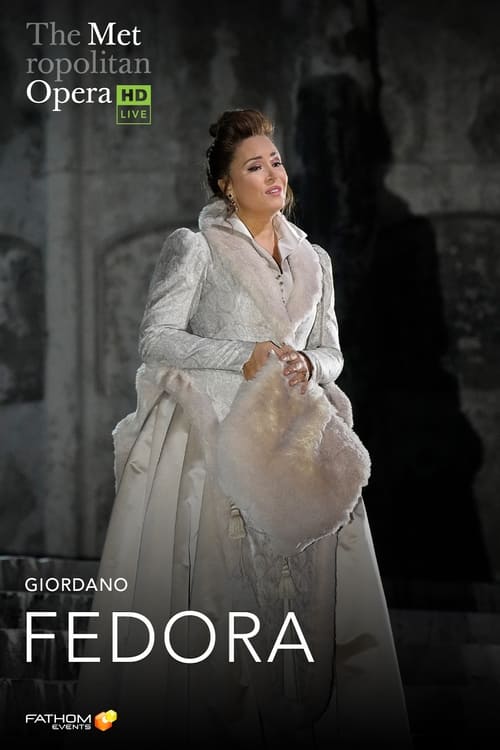
Umberto Giordano’s exhilarating drama returns to the Met repertory for the first time in 25 years. Packed with memorable melodies, showstopping arias, and explosive confrontations, Fedora requires a cast of thrilling voices to take flight, and the Met’s new production promises to deliver. Soprano Sonya Yoncheva, one of today’s most riveting artists, sings the title role of the 19th-century Russian princess who falls in love with her fiancé’s murderer, Count Loris, sung by star tenor Piotr Beczała. Soprano Rosa Feola is the Countess Olga, Fedora’s confidante, and baritone Artur Ruciński is the diplomat De Siriex, with much-loved Met maestro Marco Armiliato conducting. Director David McVicar delivers a detailed and dramatic staging based around an ingenious fixed set that, like a Russian nesting doll, unfolds to reveal the opera’s three distinctive settings—a palace in St. Petersburg, a fashionable Parisian salon, and a picturesque villa in the Swiss Alps.
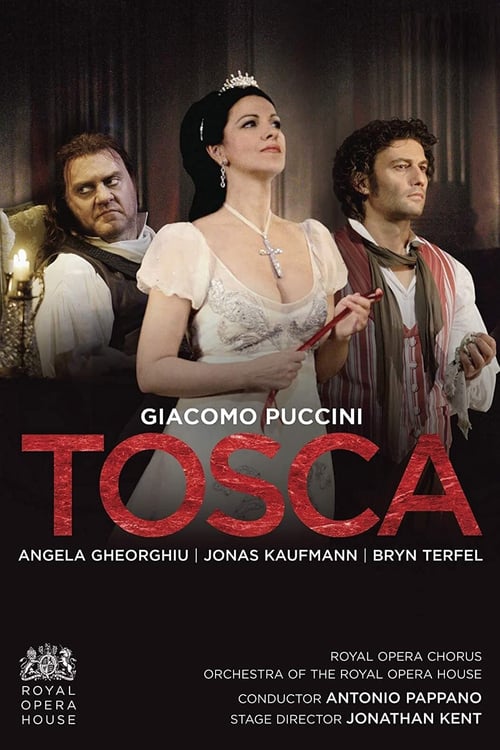
The star singers in this revival of the 2006 production were Angela Gheorghiu, Jonas Kaufmann and Bryn Terfel; the Royal Opera Chorus and the Orchestra of the Royal Opera House were under the baton of Antonio Pappano, the Music Director of the Royal Opera House. The pageantry of church ritual, the darkness of a brooding study with its hidden torture chamber and the false optimism of the light of a Roman dawn - all throw into relief the love of the beautiful diva Tosca, the idealism of her lover Cavaradossi and the deadly, destructive obsession of the malevolent Chief of Police, Scarpia. Drama, passion and fabulous music.