Ney Matogrosso
Acting
Biography
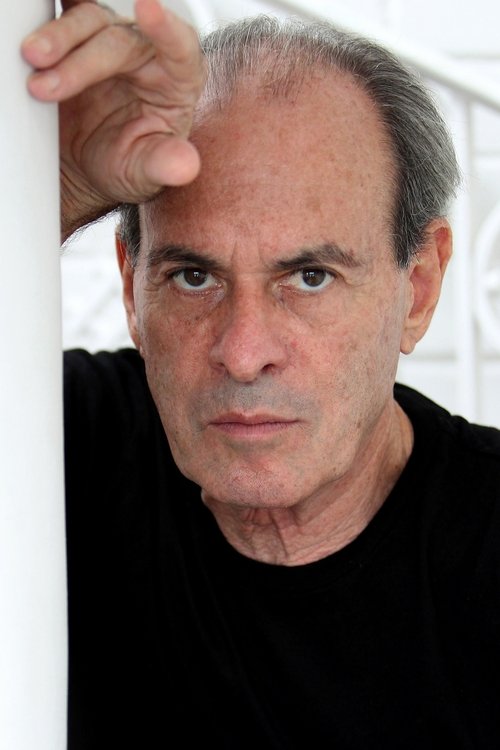
Ney de Souza Pereira, known as Ney Matogrosso (born 1 August 1941), is a Brazilian singer who is distinguished for his uncommon countertenor voice.
Known For

Os Trapalhões was a Brazilian comedy group and also a Brazilian television series created by Wilton Franco. Its members were Dedé Santana, Zacarias, Mussum and their leader Didi Mocó, that was played by Renato Aragão. The name Trapalhões is derived from the Portuguese verb atrapalhar, which means the opposite of helping, to do something the wrong way or to Those that confuse. The name is translated "Tramps" in English DVD subtitles. It was aired by Rede Globo from 1977 to 1999. On March 18, 1990, Zacarias died due to respiratory failure, but the group and the series didn't come to an end until July 29, 1994, when Mussum died due to an unsuccessful heart transplant.
The Trapalhões

The search for a successor provokes the beginning of a clash between two young and talented executives of his group: Daniel Bastos, a lad of simple origins and excellent character, who is not only handsome and charming, but also intelligent and skilled, and Olavo Novaes, an ambitious and unscrupulous man who is ready to fight for the position, at any cost. To fight against Olavo‘s treacherous plans, Daniel will have the help of the sweet and sensitive Paula, a young lady raised as an only child who founds, on the eve of her mother‘s death, that she is adopted and has a family. What Paula does not know is that she has an identical twin sister, the wicked Taís, who is as ambitious and unscrupulous as the man who becomes her main ally, Olavo Novaes. Antenor, for his part, decides on having an heir when he meets the headstrong and honest Lúcia, a woman who will make this cold businessman find true love is and a real reason to live.
Paraíso Tropical

The story begins in 1951 in Kubanacan, a small Caribbean island country known as a"banana republic", both for its prime export and its economic problems. After the death of the current president, General Carlos Camacho imposes a coup d'état and establishes a dictatorial regime. In addition, the new ruler marries the wife of her predecessor, Mercedes, first lady loved by the people for her help to the poor and with whom she had an affair for years. In the village of Santiago, a mysterious man falls from the sky during a storm with a chest shot, being saved by the fishermen and cared for by Marisol. Without memory, Esteban falls in love with the girl and disputes his heart with her husband, Enrico, who leaves and lets his ex-wife live with the new love, who takes over her two children. Seven years later, in 1958, Marisol meets Camacho, who convinces her to leave and live as his mistress, claiming she would never get out of poverty in the village.
Kubanacan

The cheerful and outgoing Jordana lived alongside Silas for 20 years, helping him become wealthy. Despite this, he abandons her to run away with the opportunistic Carla. After the separation, Jordana faces financial difficulties. She then meets Dona Mena, an eccentric and lonely old woman abandoned by her family. Jordana takes care of Dona Mena and, when she dies, inherits four bronze cupids containing a million dollars. The problem is that the cupids disappear without a trace. The cupids become the subject of a fight between Dona Mena's nephews, Loreta and Carlito. The two are the villains of the story. Jordana, however, ends up falling in love with Carlito. In the final chapters, Jordana manages to recover the cupids and rebuild her life. She has the help of her friend Vieira.
Jogo da Vida

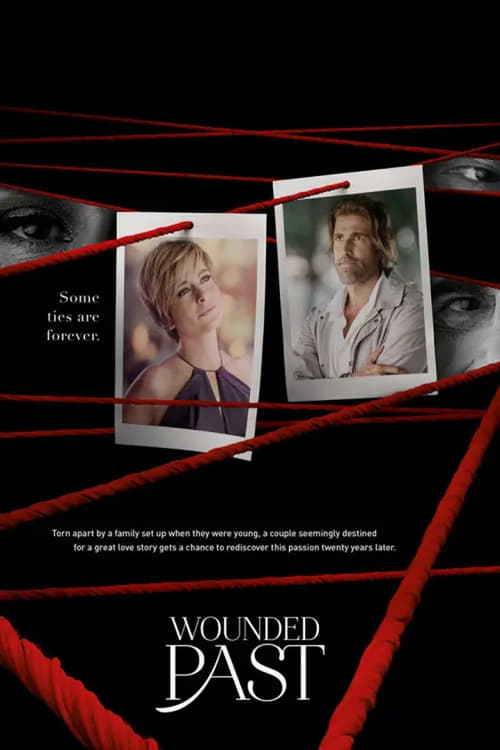
When she was a young girl, Heloisa was harshly torn apart from the love of her life: Pedro, a straightforward romantic young man whose powerful family strongly believes the ends always do justify the means. Because she comes from a very humble background, Pedro's parents set up all kinds of intrigues in order to prevent the couple from fulfilling their seemingly predestined love story. Twenty years later, all it takes is a casual encounter to spark that feeling again and have them fighting against not only Pedro's family tricks, but also Heloisa's mighty and unscrupulous husband.
Wounded Past

In a future where the elite inhabit an island paradise far from the crowded slums, you get one chance to join the 3% saved from squalor.
3%

No description available.
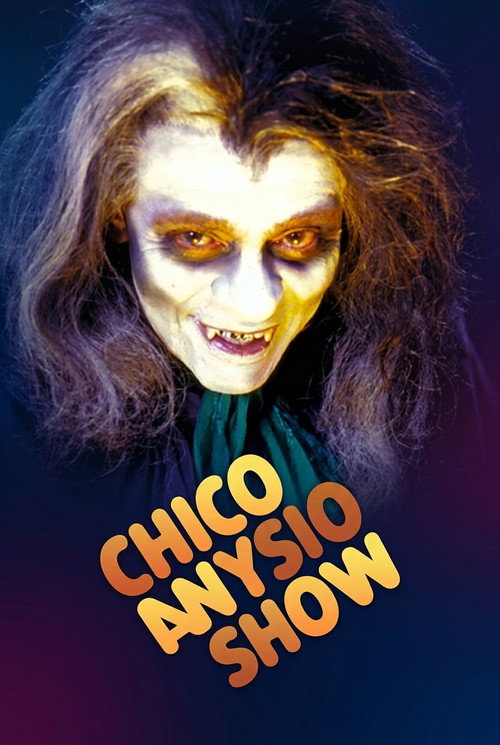
Chico Anysio Show

No description available.
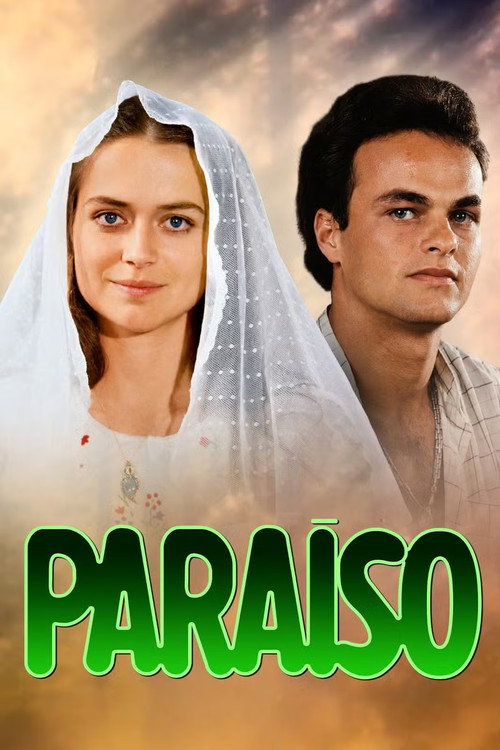
Paraíso

No description available.
Hebe

The story revolves around the conflicts within Silvana and Oliva's family—her mother and paternal grandfather—who are fighting for custody of Zeca after the child's father dies.
Vereda Tropical

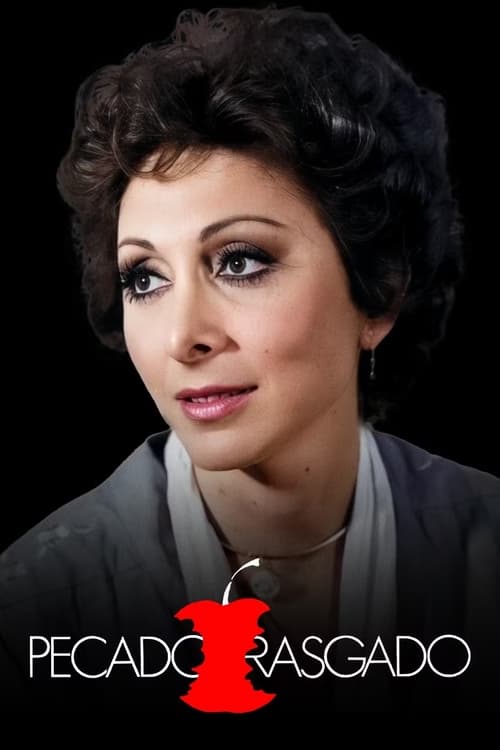
The famous psychologist Teca falls in love with the widower Renato, father of one of her patients. The romance awakens the jealousy of Stela, who harbors an unhealthy passion for Renato, her brother-in-law.
Pecado Rasgado

Journalist Pedro Bial discusses the most important current news in Brazil and in the rest of the world.
Conversa com Bial

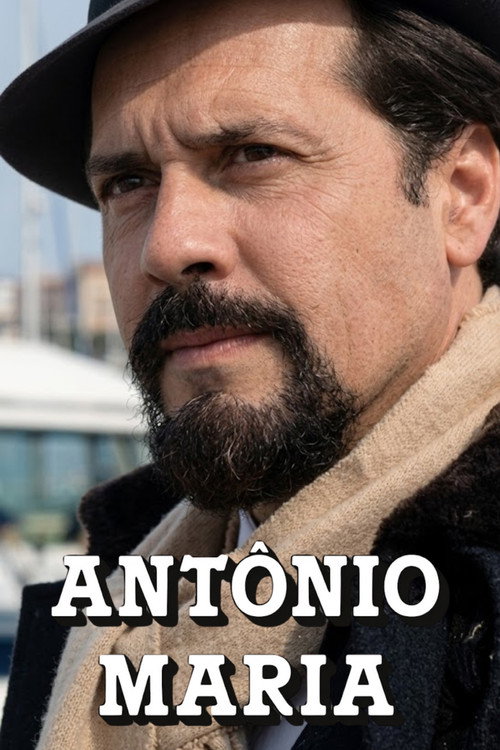
No description available.
Antônio Maria

No description available.
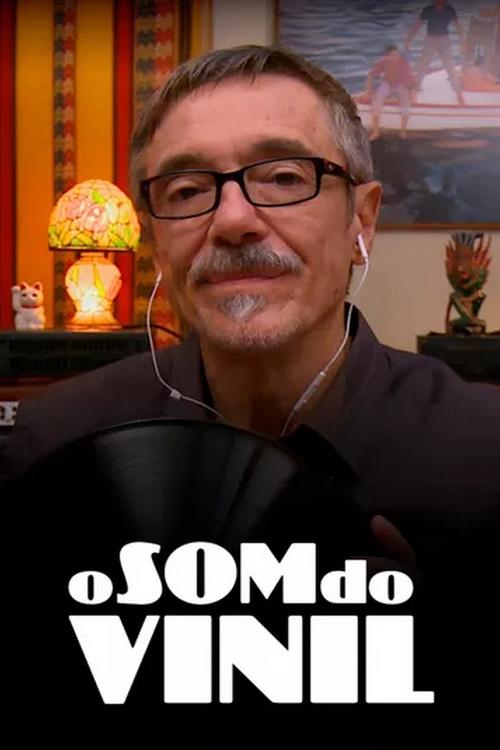
O Som do Vinil

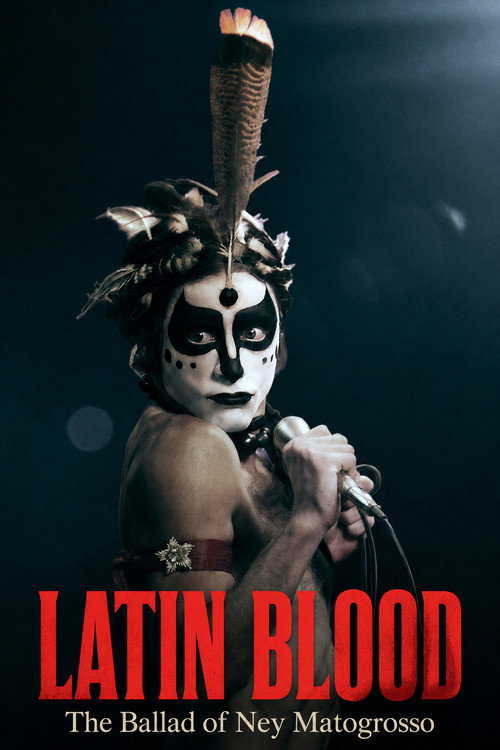
From a repressive childhood to artistic revolution, Ney Matogrosso transforms Brazil's stages — and himself — through music, creativity and inner fire.
Latin Blood – The Ballad of Ney Matogrosso

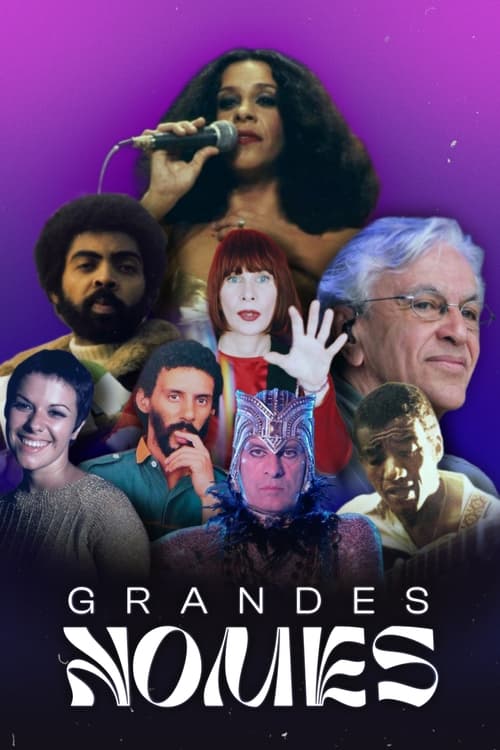
No description available.
Grandes Nomes

No description available.
Chico & Caetano

In a spin-off centered around men, in each episode, Angélica meets with famous guests to discuss topics rarely discussed by them in public.
Angélica: 50 & Uns

“Naked Eye” is a film-documentary of long-length of the artistic and existential universe of the singer Ney Matogrosso, which proposes to recreate through archive’s images in counterpoint with the current production of the artist, thirty-five years of career marked for inventive and transgressing spectacles, always symphonize with its time. Through a coherent boarding with its intransigent trajectory, the film intends to translate the language musical-corporal of Ney Matogrosso, trying audiovisuals resources that express signs evoked poetical politicians and in the repertoire of the singer. A film-song that that looks for to, ultimately, embody the voices of an artist who searches for a nation.
Naked Eye

This documentary reveals the man behind the icon Cazuza: the poet who transformed his life into art and his death into resistance. It delves into the intense journey of the young man who sang of love, Brazil, and his freedom until his last verse.