Eryk Rocha
Directing
Biography
Erik Aruak Gaítán Rocha is a Brazilian film director, producer, editor, and cinematographer. He is the son of film director Glauber Rocha. "He studied cinema at the San Antonio de Los Baños School in Cuba, where he produced Rocha que voa (2002)." It won best film in the É Tudo Verdade International Festival, the CineSul Festival, and the Saul Yelín Choir at the New Latin American Cinema Festival in Havana in 2002. The film also won the title of Best Masterpiece at the Rosário Festival in Argentina in 2003
Known For

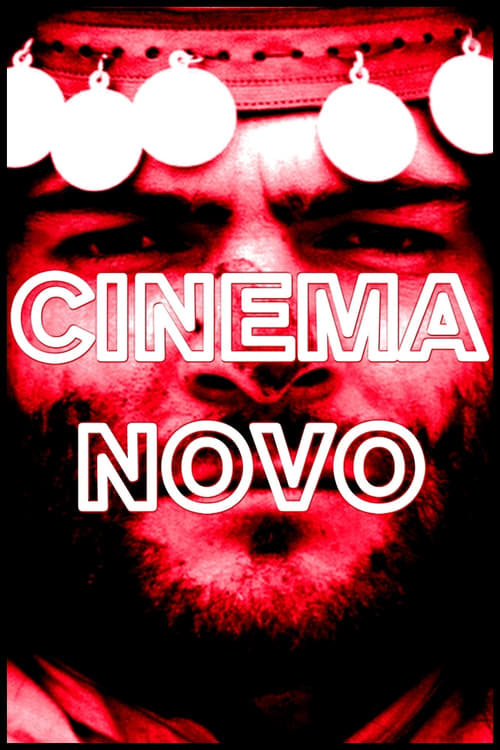
A deep investigation, in the way of a poetic essay, on one of the main Latin American movements in cinema, analyzed via the thoughts of its main authors, who invented, in the early 1960s, a new way of making movies in Brazil, with a political attitude, always near to people's problems, that combined art and revolution.
Cinema Novo

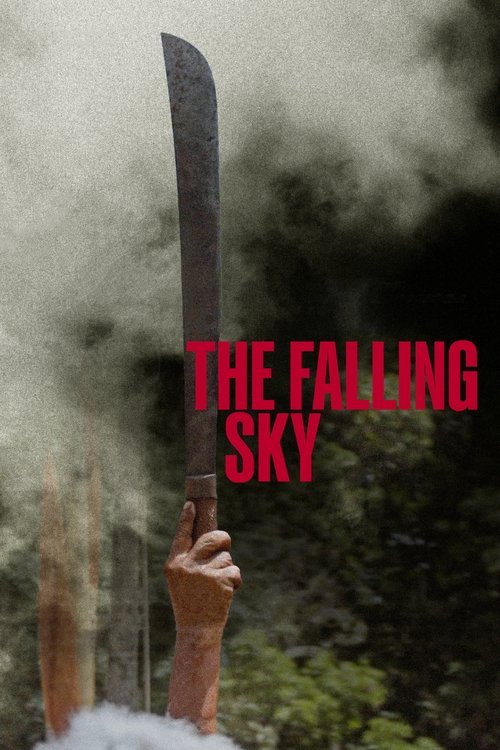
Documentary about Indigenous peoples' profound connection to nature and their struggle against deforestation, a grave threat to their way of life and the ecosystem they call home.
The Falling Sky

Down on his luck and recently divorced, Paulo has begun driving a cab around Rio, hoping he’ll make enough to send his ex money to support their ten-year-old son. He mostly works nights, so in addition to his encounters with a colourful variety of customers, colleagues, cops and others, he must cope with loneliness, fatigue and new faces in his life.
Burning Night

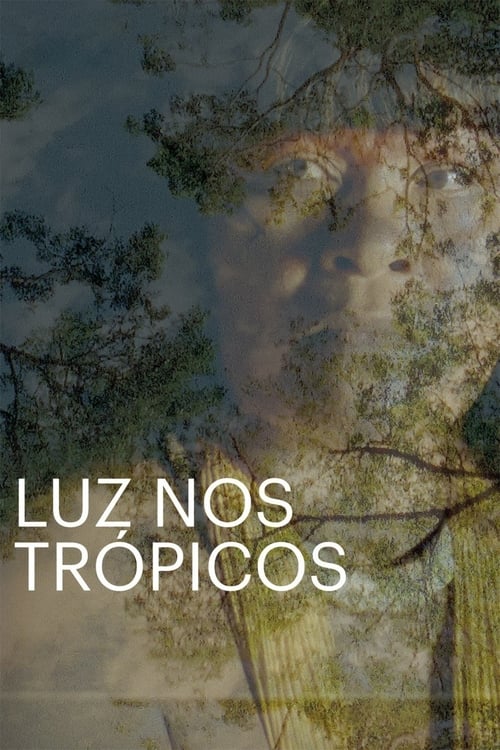
A film like a monument: Luz nos Trópicos is a tribute to the rich greens of the Amazon and the forests of New England in winter, celebrating the indigenous peoples of continental America and flowing as a film as freely as a winding river.
Light in the Tropics

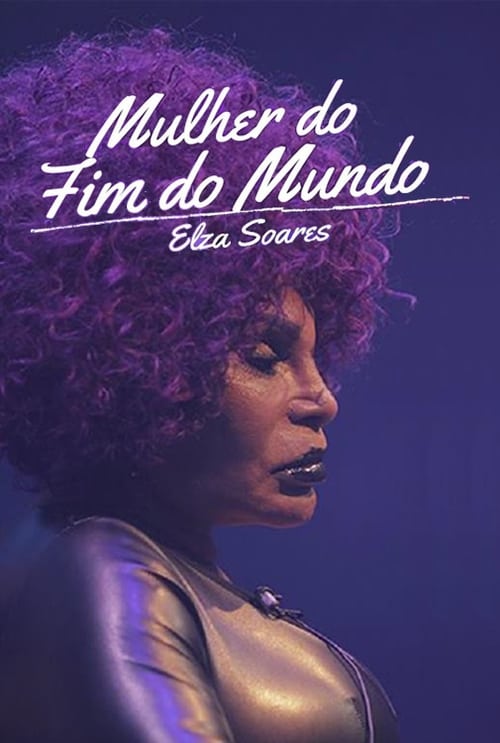
Music about becoming women in the contemporary world, their emancipation and struggles
Elza Soares: A Mulher do Fim do Mundo

At 84 years of age, Lúcia Rocha admitted herself to a hospital in São Paulo to undergo heart tests. Upon receiving the news about the risk to her life, Lúcia, laconic, tells the doctor: 'Then open it'. This is the second time she has undergone bypass surgery. From this gesture, the documentary Abry was born (with y, sign of the unconscious, according to the nomenclature invented by his son, Glauber Rocha). To relate her memories, she invites filmmaker Joel Pizzini, who offers his mini camera as an instrument to amplify Lúcia's imagination. Abry is a poetic dive into Lúcia Rocha's fabulous universe, reconstructing her trajectory in Brazilian cinema through sounds, images and characters with whom she lived closely.
Abry
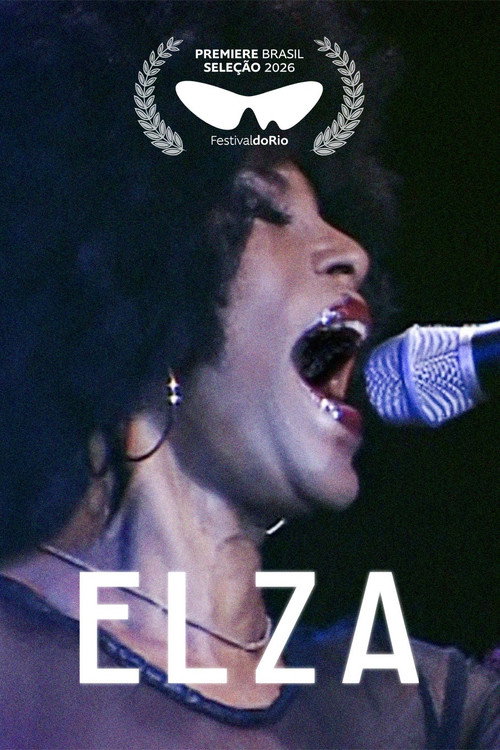
No description available.
Elza
No description available.
Helena Zero

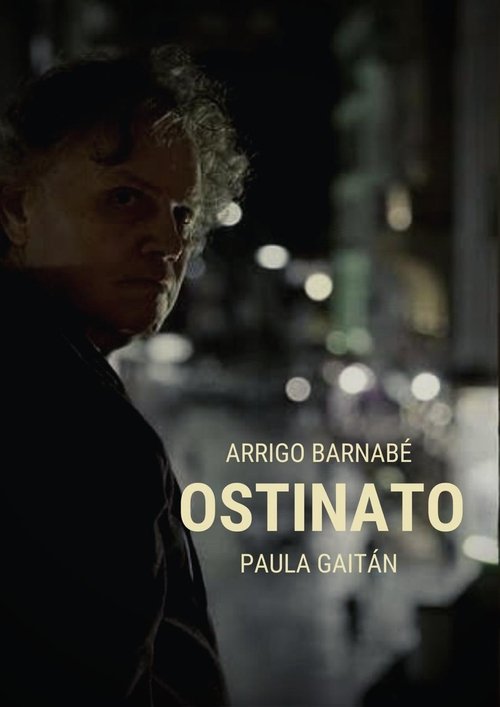
Expedito is a retired man who has lost ties with life. Among other anonymous ones, he walks around the city of Rio de Janeiro witnessing conflicts of others.
Transeunte

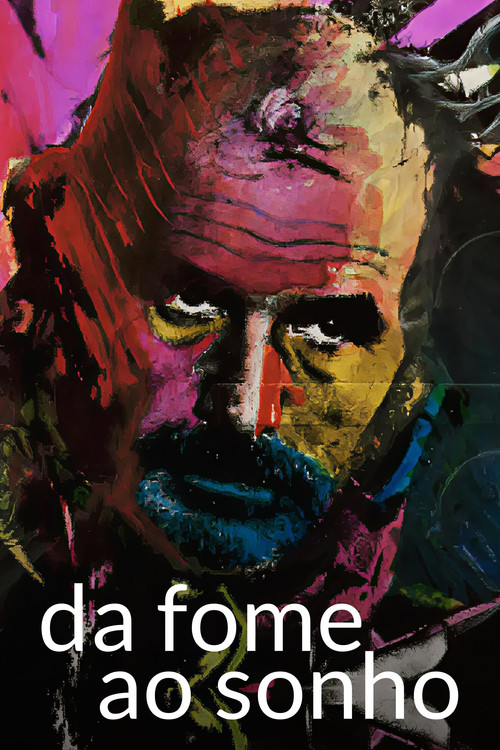
Filmmaker Paula Gaitán and Richard Peña, a professor at Columbia University and former director of film programming at Lincoln Center, delve into the manifestos of Glauber Rocha, revisiting the Aesthetics of Hunger and the Aesthetics of Dreams to reflect on the revolutionary power of cinema.
Da Fome ao Sonho

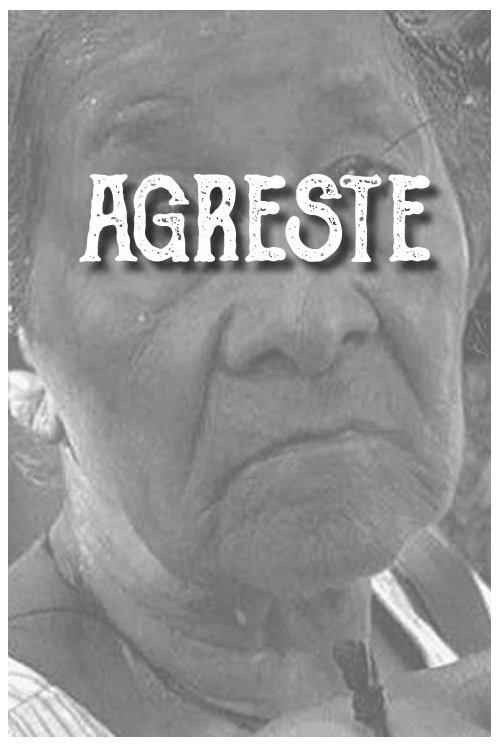
Drylands could be anywhere, just as Marcélia Cartaxo could be many women (including herself). The actress is placed in a situation in which she encounters nature and other female figures, in some instances, her doubles. Out of these encounters spring other possibilities that operate in the world of representation, which, in the film originate from the same imaginary power as children's games in empty lots.
Agreste

Maria is an actress who, during the rehearsals of the role of Jocasta for the theater, starts to live, in her personal life, the Mystery of Mary mother of Jesus, a circumstance that leads her to reflect on her condition as a woman and motherhood.
The Chaos Daughter

A couple on a trip.
Ocidente

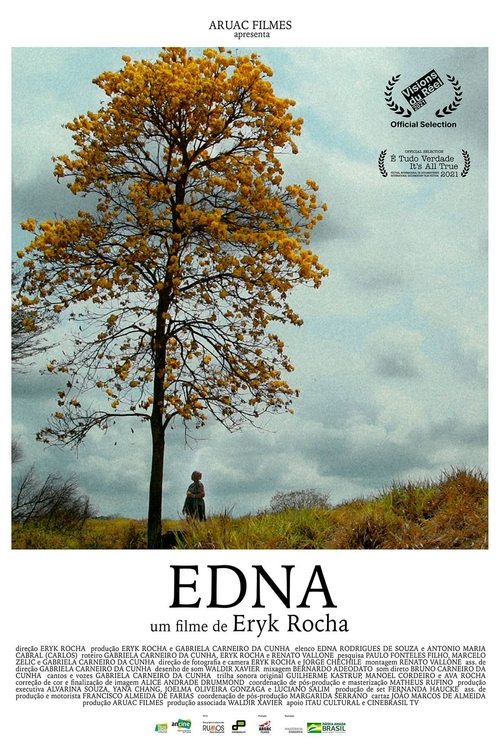
On the edge of the Transbrasiliana highway, Edna lives in a land in ruins, built on massacres.
Edna

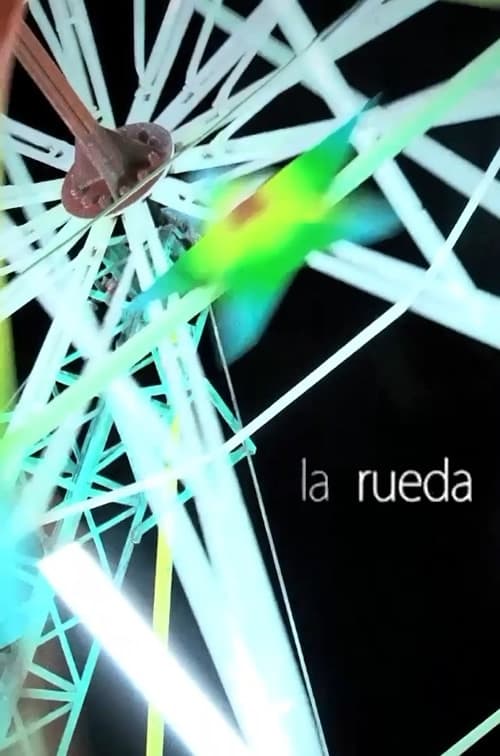
La Rueda shows an everyday night in Pucallpa, a city located in the Peruvian Amazon. Colors, noises and lights are projected. Families transport their children to the amusement park. Fears, fantasies, joys and vertigo intertwine. A new world of sensations arises. The film dialogues with the most distant memories and drives of childhood and in the plots of affection between mothers and children.
La Rueda

Documentary about the relationship between filmmaker Glauber Rocha and Cuba.
Rocha Que Voa

No description available.
Alma Suburbana

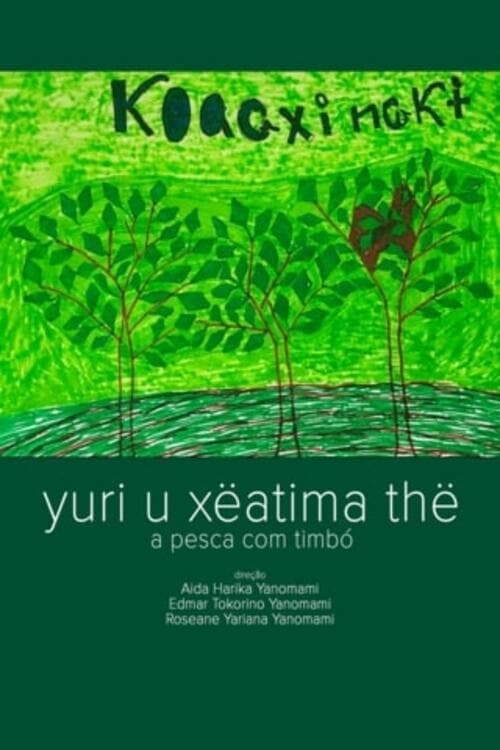
An eye-opening he said/she said perspective on timbó fishing, a traditional practice of the Indigenous Yanomami people that involves the entire community and a vine used to stun fish, seamlessly blends preservation documentary, origin myth, magic realism and the reality of mining and economic threats to Yanomami culture in this formally inventive reclamation.
Fishing with Timbó

Igor is a teenager with a lot of potential and energy, but without the motivation to stay in school. His case reflects the situation in which many students at risk of dropping out of school live. The short shows a day in the life of this aspiring actor and capoeirista, who lives in Morro dos Prazeres.
Igor

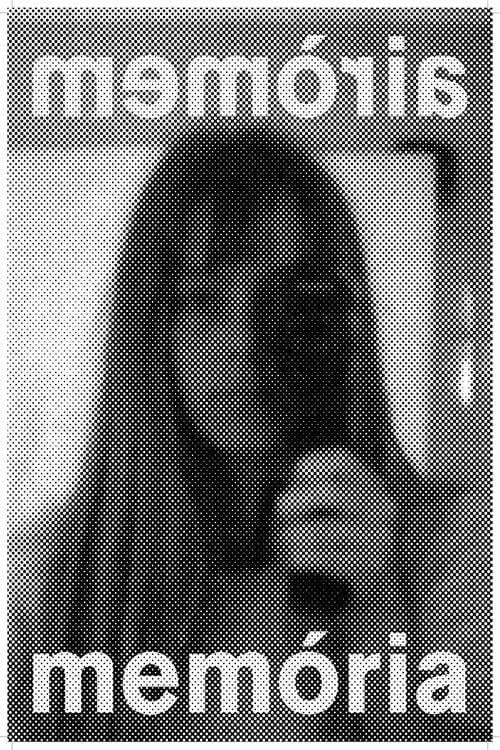
She menage to save from a fire a bunch of pictures and a diary written by hand. Those words and faces becomes the last traces left from the man she one day knew and loved. Crossing mountains and roads, she tries to remake his steps. The places she vists bring people, gestures, memories and histories that slowly become part of her life.