Acting
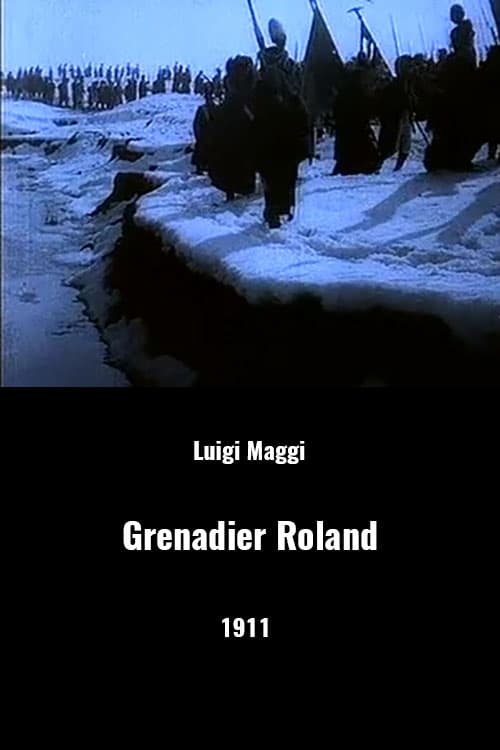
This film shows the realistic battle scenes of the Siege of Moscow, with the sensational defeat of Napoleon, with the belching cannon, the battling soldiers, scenes of heroism and daring reproduced in the most exquisite photography.
A silent drama film directed by Herbert Brenon
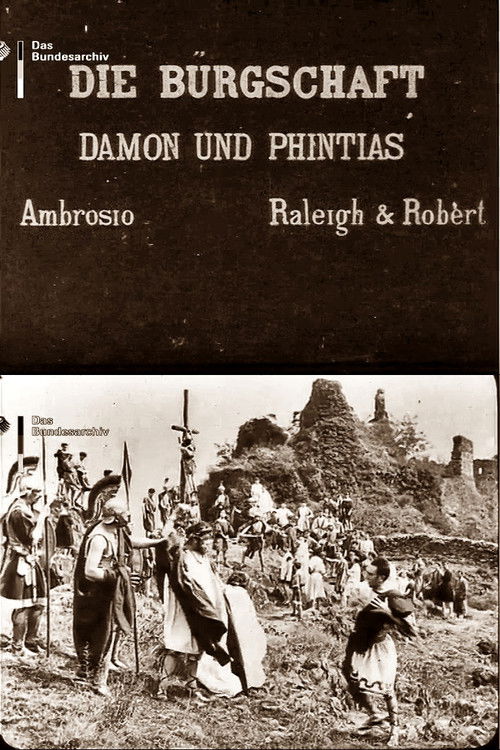
A young man sentenced to death manages to postpone his execution because of the impending wedding of his poor sister, who is to be married off. His best friend vouches for his return. After taking care of his sister, the young man hurries back, but is delayed by numerous unexpected obstacles. Nevertheless, he continues the journey, determined to join his now-presumably dead friend.
No description available.
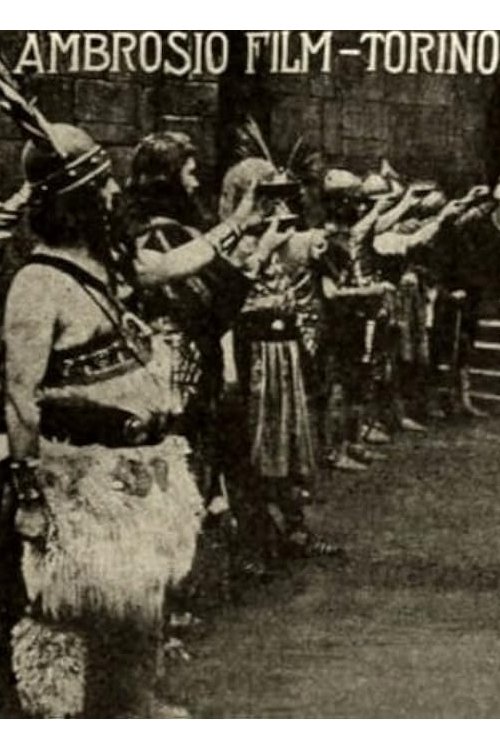
After seven years of traveling, Aeneas and the other Trojans are surprised by a storm that wrecks their ship on the African coast. Here they are led by the Amazons to the Queen of Carthage, Dido, who soon falls in love with Aeneas. When the King of Numidia, Iarbas, comes to marry Dido, she rejects him. But in the meantime Anchises appears to Aeneas in dreams, and commands him to leave to found Rome. So, while Iarbas’ army surrounds Carthage, Aeneas embarks secretly for Rome.
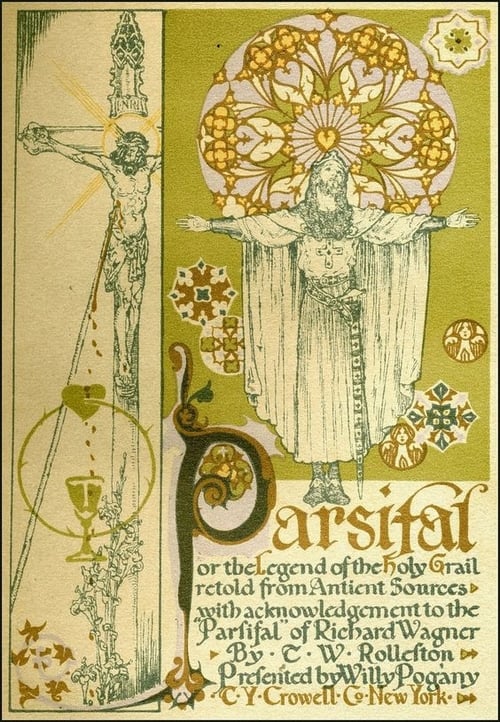
A fantasy film about the knight Parsifal, who has to protect the Holy Grail from wizards.
An adaptation of Balzac's La Grande Bretêche
The mighty King of Babylon falls in love with a beautiful girl, ruthlessly tears her away from her lover, who is left wounded upon the ground, and carries her to his palace, where he seeks to will her affections, showering her with gifts of precious stones from his treasure chests. The heart-broken girl repulses all his overtures and dashes the jewels to the floor, and the infuriated monarch, incensed at her refusal to share his throne, orders her cast into the lions' den. An immense throng of his court followers are invited to witness the execution, but the expectant throng is dumbfounded when the ferocious beasts, instead of rending the victim to pieces, fawn upon her. A wave of superstitious awe sweeps through the gathering, who regard the incident as a miracle and believe that the girl is under the protection of the gods. The King's guards are overpowered and the girl released, and the monarch, by this time imbued with fear, pays homage to the maiden, who is restored to her lover.
Giovanna leaves her husband and son for a short holiday and casually finds an old boyfriend in trouble.
Invited by Duke Alfonso II to the court of Ferrara to read his poems, the poet Torquato Tasso finds himself at the center of court intrigue because of his secret love for the Duke’s sister, Eleanora d’Este.
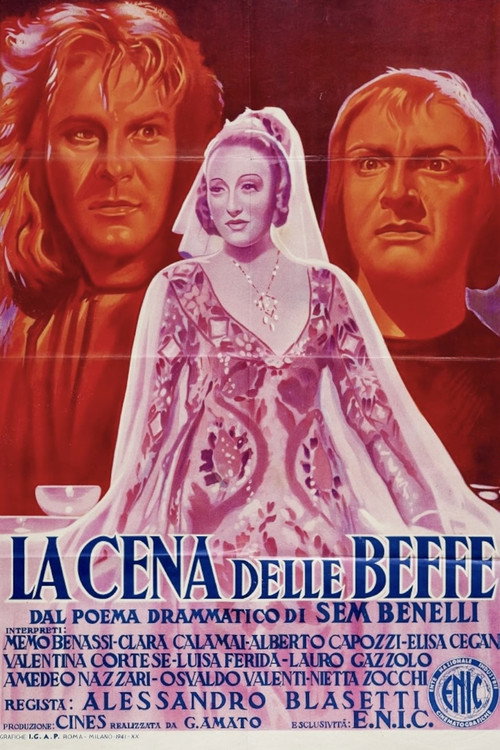
In Florence, at the time of Lorenzo de Medici, known also as Lorenzo the Magnificent, the aristocrat brothers Chiaramantesi rule with an iron fist the streets of the city. Ruthless and fierce, the two brothers have chosen as their special victim the innocent and harmless Giannetto. Even though determined to not react to the cruel pranks of the brothers, Giannetto is forced to take a stand when Ginevra, a beautiful girl that works in the Chiaramantesi household, is dragged into the game. To defend his honor and protect the girl, Giannetto works out a fiendish plot that will end in blood and madness.
Only a brief fragment survives from the beginning of this film, which seems to be a moving romantic melodrama: Diana Karenne plays the piano surrounded by a group of admirers in evening dress. She is a beautiful and slightly spoiled heiress, the kind of woman for whom Italian silent cinema reserved unfortunate turns of fate in order to elevate her to the status of tragic heroine. Even the few minutes remaining make clear that she proposes her own reinterpretation of the genre’s themes and motifs: from astonished grief over her father’s death to desperate wanderings through dark and impoverished alleyways. It is an expressive palette around which Pasquali weaves his discreet direction, paying particular attention to lighting effects.
A Habsburg archduke enlists as an ordinary seaman. Based on the novel Serpoletto by Lajos Bíró.
To save her profligate brother from disgrace, Giulia (Leda Gys) gives herself to her husband’s best friend and finds herself pregnant; years later her children’s paternity is called into question.
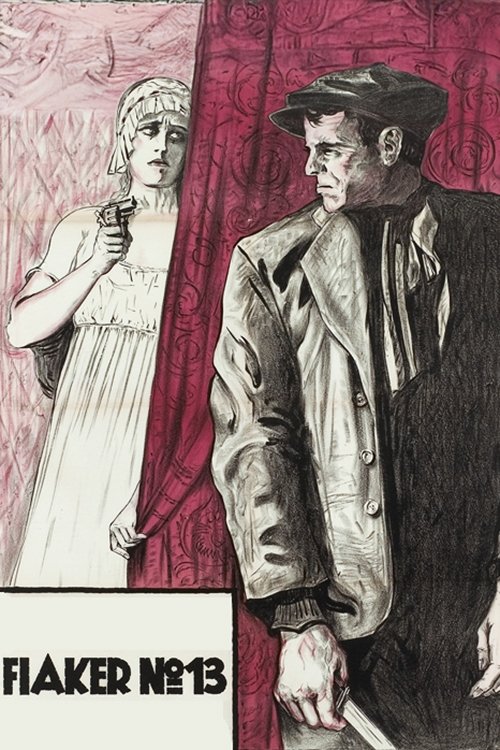
Il Fiacre n. 13, from the novel of the same title by Xavier Henri Aymon Perrin, Count of Montépin, a highly prolific and much-loved author whose books were vehicles for the depiction of social inequality, narrating stories of love, death, betrayal, blackmail, and redemption. The sweeping narrative of Il Fiacre n. 13 was mutilated by the Italian censor’s suppression of its first part, the most cynical episode, which sets the scene for a scheme discernable in the other three episodes, as the story develops from a sordid murder through plotting and deceit to finally reach a happy ending.
A violinist touches the heart of a sick lady.
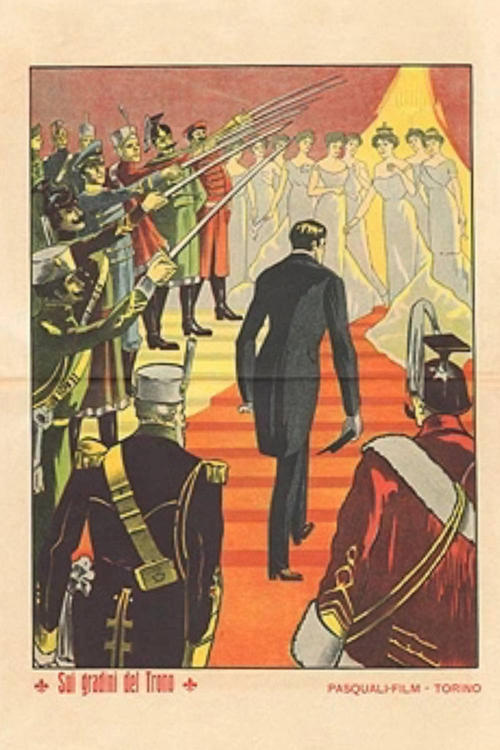
In fictional Silistria, a plot is hatched to send the heir to the throne to Paris for a year.