Ignazio Lupi
Acting
Known For
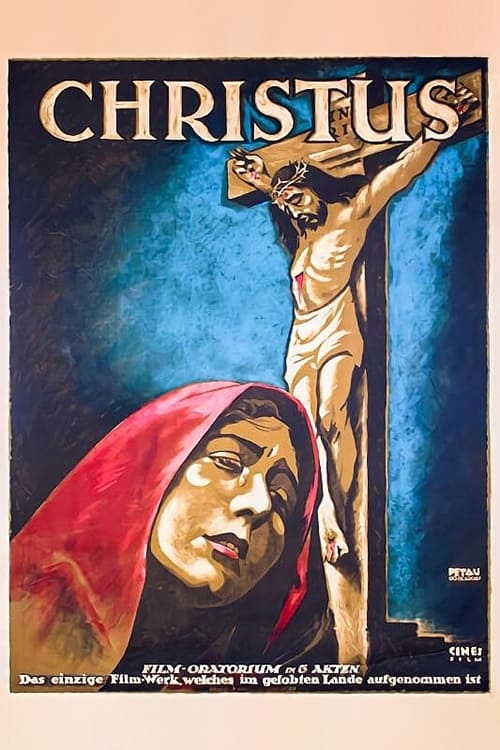
Antamoro's CHRISTUS, epic in scale and ambition, and featuring decidedly otherworldly special effects, was released in 1916. Telling the story of the Life of Christ, the film is divided into three segments-- three Mysteries. The first of these includes the Birth of Jesus, the arrival of the Magi, Herod and the slaughter of the innocents, the flight into Egypt. The second Mystery features the expulsion of the merchants from the Temple, Mary Magdalene's conversion and Christ's entry into Jerusalem. The third Mystery is itself divided into three separate parts, which are The Passion, The Death and The Resurrection.
Christus
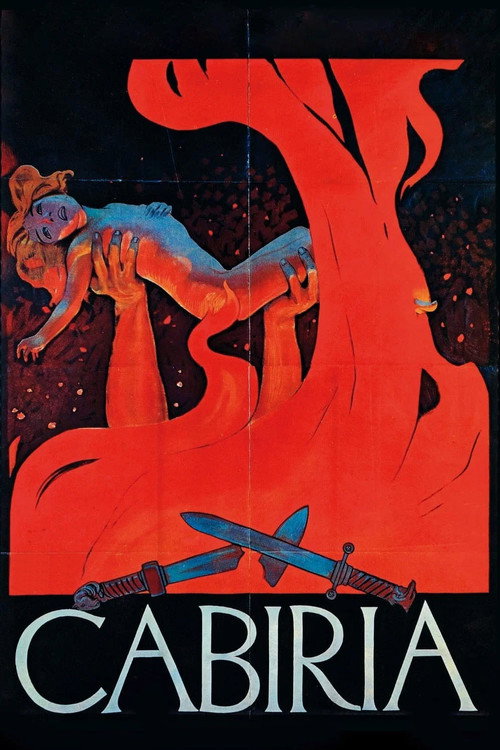
Young Cabiria is kidnapped by pirates and sold as a slave in Carthage. Just as she's to be sacrificed to Moloch, Cabiria is rescued by Fulvius Axilla, a good-hearted Roman spy, and his powerful slave, Maciste. The trio are broken up as Cabiria is entrusted to a woman of noble birth. With Cabiria's fate unknown, Maciste punished for his heroism, and Fulvius sent away to fight for Rome, is there any hope of our heroes reuniting?
Cabiria

Based loosely on Shakespeare's play, Plutarch's "Life of Antony", and Pietro Cossa's dramatic poem, "Cleopatra", this movie was spectacular for its time. It offers location shots made in Italy and Egypt, large crowd scenes (e.g., the Roman army embarking in Alexandria), lots of emotional drama (Marc Antony & Cleopatra, his wife Octavia, sister of Antony's rival Octavian, unhistorically coming to Alexandria to beg him to return to her, and some mean, mean looks exchanged between Octavia and Cleopatra.
Marc Antony and Cleopatra
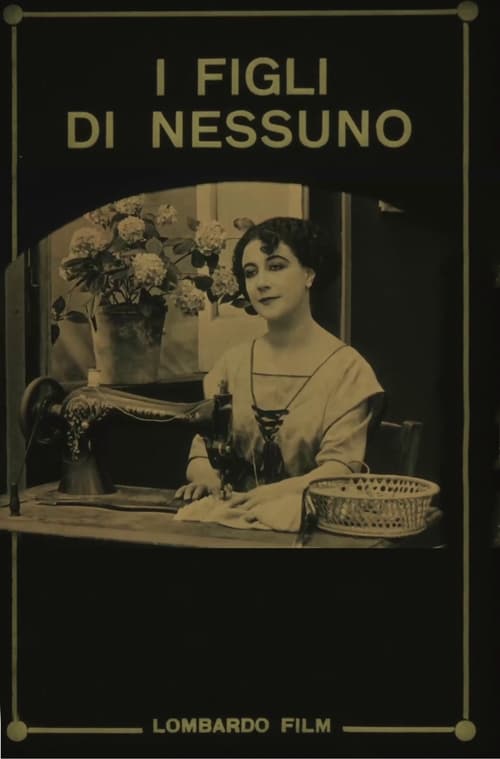
In 1921, Titanus released a three-part serial based on a popular Italian novel from the turn of the 20th century: Nobody’s Children by Ruggero Rindi. The tale of lovers thwarted by class differences, of illegitimate children and parental recognition denied was a major success for producer Gustavo Lombardo and leading lady Leda Gys.
Nobody's Children
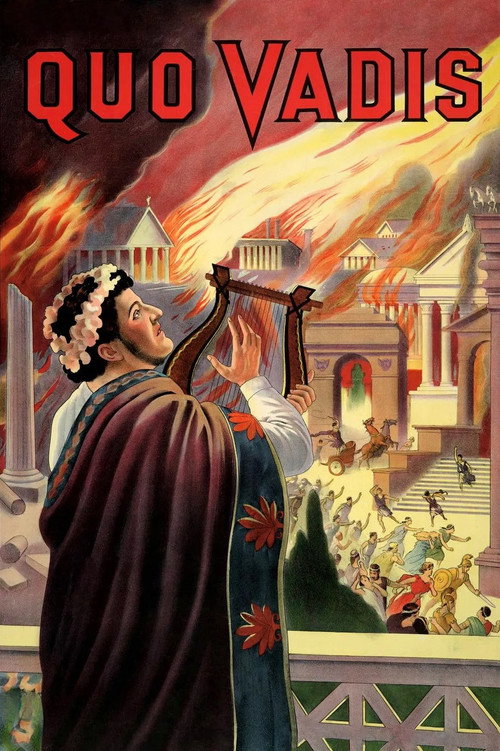
During the latter years of the reign of the tyrannical Roman emperor Nero, Marcus Vinicius, one of Nero's officers, falls in love with a young Christian named Lygia, attempting to enslave her. Lygia's protector, the noble and burly Ursus, works to save her from Vinicius' clutches. Pursuing Lygia, Vinicius finds himself at a catacomb prayer meeting led by the apostle Peter and finds his conscience stirring-- just as Nero orders Rome burned. A landmark in epic film, Enrico Guazzoni’s grand-scale masterpiece laid the foundations for what colossal Italian spectacles would become. The film had tremendous influence on Giovanni Pastrone’s Cabiria (1914) and D.W. Griffith’s Intolerance (1916).
Quo Vadis?
A colossal epic film like this that tries to depict the life and glory of Julius Caesar, must have a variety of scenery appropriate to the film's hero. This includes the Senate and its conspirators..or .. strange places beyond Rome full of barbarians that must fall under the Rome yoke. Let's not forget the sequences depicting the masses mentioned before.. or.. the human side of Caesar and his troublesome relationship with his son Brutus.
Cajus Julius Caesar
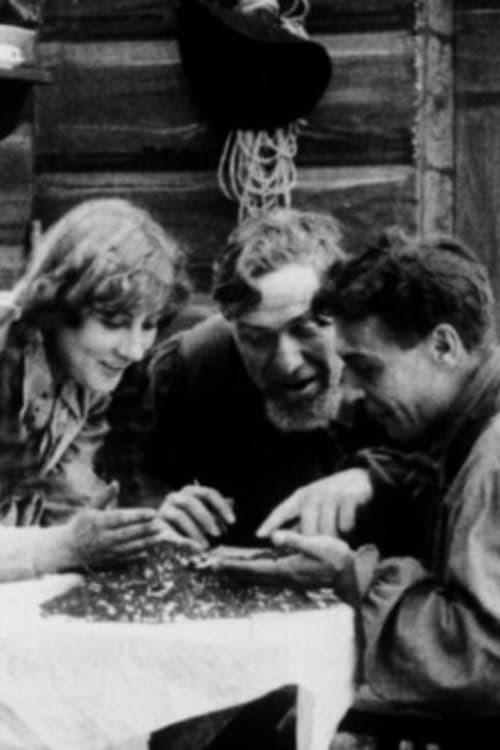
Italian silent western.
The Human Bridge
No description available.
La dama di picche
Directed by Giulio Antamoro.
Metempsychosis
A snowy Italian drama directed by Gennaro Righelli.
La Casa Sotto la Neve
Sant'Ilario is a 1923 silent film
Sant'Ilario
Directed by Emilio Ghione.
The Yellow Triangle
No description available.
Ma non è una cosa seria

Italian silent film directed by Emilio Ghione and starring Ida Carloni Talli, Lina Cavalieri and Diomira Jacobini. This film may have been rereleased in 1919 as The House of Granada by Paramount
The Rose of Granada
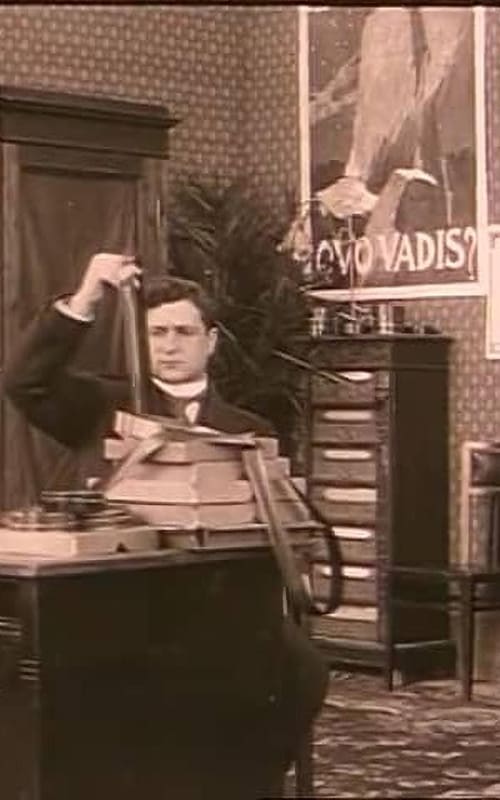
Antonio is jealous of his wife Clara and follows her everywhere; one day he sees her walking with a man on the street. He immediately becomes convinced that they went together to the movies (instead they went separate ways). Blinded by jealousy, Antonio wants to enter in the cinema hall and make a killing; but the director of the cinema stops him, and goes into the cinema room saying: "Outside a husband is waiting for his unfaithful wife to come out and kill her. Please, those of you who do not have a clear conscience, go to the emergency exit." In a moment almost all the spectators disappear.