
Emílio Domingos
Directing
Known For
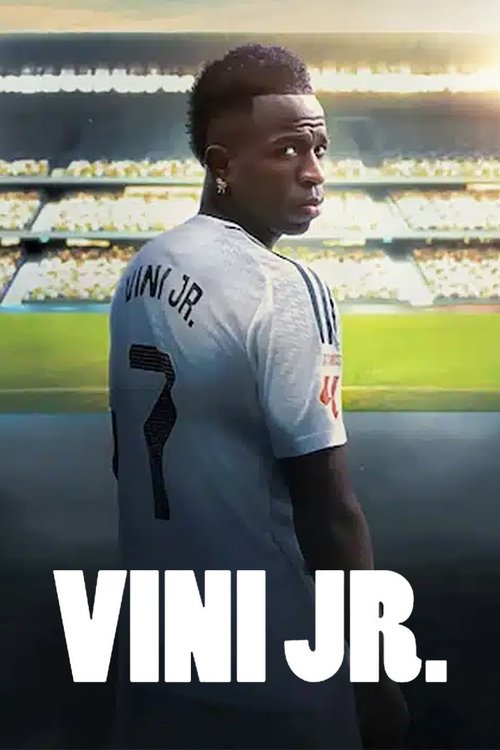
Vini Jr. has it all: talent, resilience and boldness. Follow his dancing, unpredictable feet on his inspiring journey to becoming a global soccer star.
Vini Jr.

No description available.
O Enigma da Energia Escura

Released in 1966 by Vinicius de Moraes and Baden Powell, the record Os Afro-Sambas is one of Brazil's most revered. Participants of the original recording, critics, friends and family of the musicians revisit the creation of this masterpiece. Filmed between Salvador and Rio, the documentary brings together archive footage and exclusive interviews with Maria Bethânia, Dori Caymmi, Russo Passapusso and Nelson Motta. A tribute to a classic that transformed Brazilian music.
Os Afro-Sambas: The Brazil of Baden and Vinicius

Discover the history of the Chic Show ball, an iconic black music party in São Paulo. The event was a milestone in the life of São Paulo. Held in halls across the city in the 1970s and 1980s, the show became a meeting point for black culture and opened up space for funk, soul, rap and pagode, among other rhythms. The party welcomed names such as Tim Maia, Sandra de Sá, Gilberto Gil, Djavan, Bebeto and Carlos Dafé, as well as international artists such as Kurtis Blow, Betty Wright and James Brown.
Chic Show
No description available.
Anos 90: A Explosão do Pagode
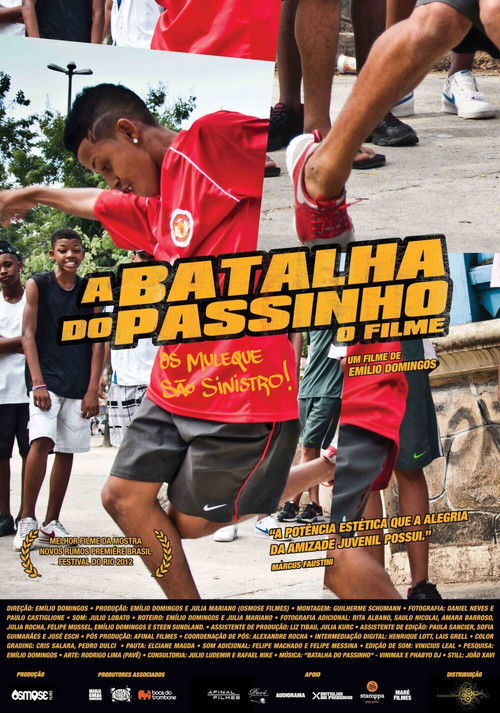
Kids from the favelas of Rio use dance as an alternative to drugs and crime.
Passinho Dance Off
No description available.
As Dores do Mundo: Hyldon
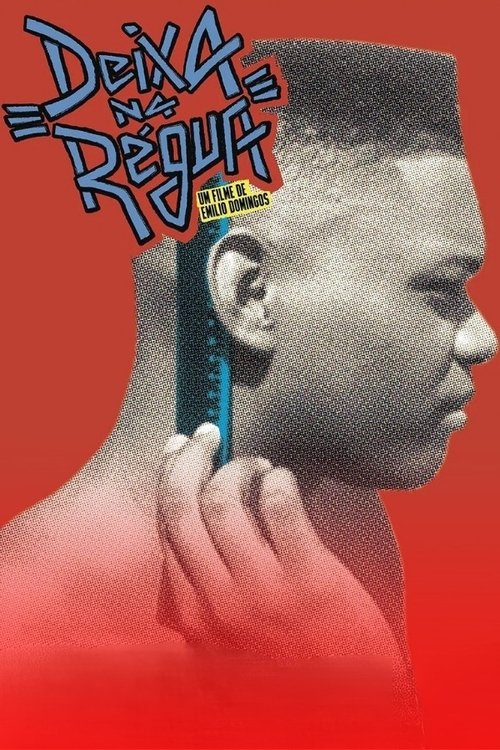
A stylish haircut can mean a lot. The busy routine of barbershops in Rio de Janeiro's North Zone is portrayed with a light touch through testimonials from their young customers.
Deixa Na Régua
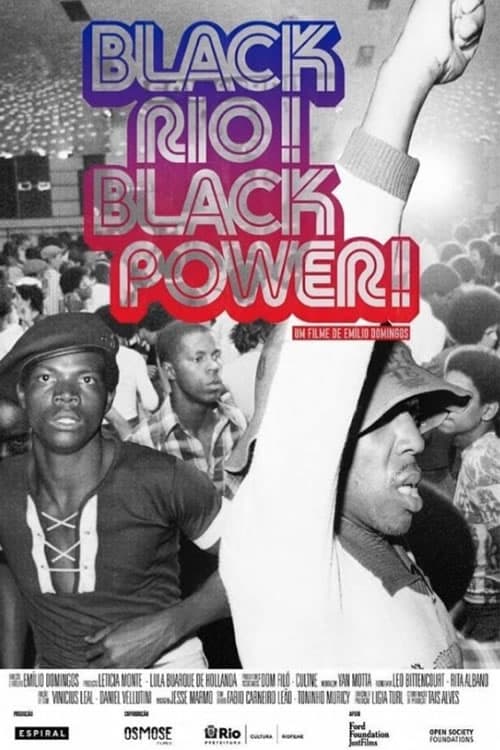
The documentary Black Rio! Black Power! looks at the influence of the Black Rio movement on culture, society and the struggle for racial justice in Rio de Janeiro and Brazil between the 1970s and 1980s. The film shows the movement's impact on music and on the direction of politics and the black movement during the period of re-democratization, influencing genres such as hip-hop and funk, and the affirmative stance of the younger generations, who perpetuate the black pride and aesthetic appreciation spread by Black Rio 50 years ago.
Black Rio! Black Power!
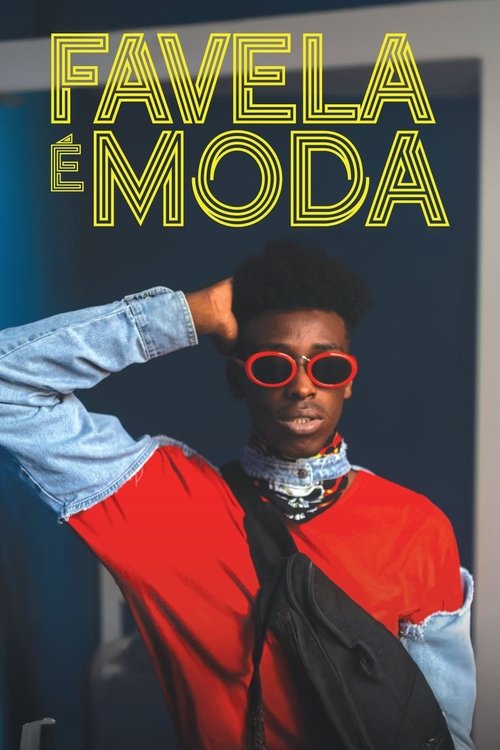
The daily life and development of young models of an agency located in the Jacarezinho favela, North Zone of Rio de Janeiro.
Favela é Moda
Composer Gilberto Gil accompanies filmmaker Andrucha Waddington to the Northeast of Brazil. Among the rural communities in the region, Gil and Waddignton participate in the Catholic celebration of Saint John's Day with music and dance. Waddington also analyzes the suffering of the population trying to survive through agriculture in difficult terrain.
Viva São João!
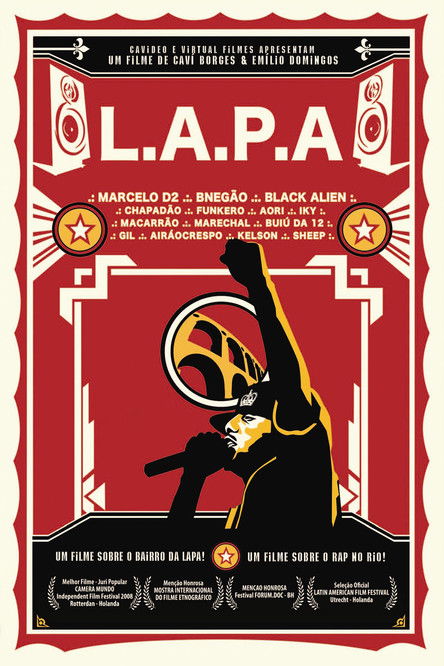
Documentary about the world of hip hop and the daily life of those who seek to survive from music in Brazil, all set in the traditional neighborhood of Lapa Carioca.
L.A.P.A.
No description available.
Batendo de Frente
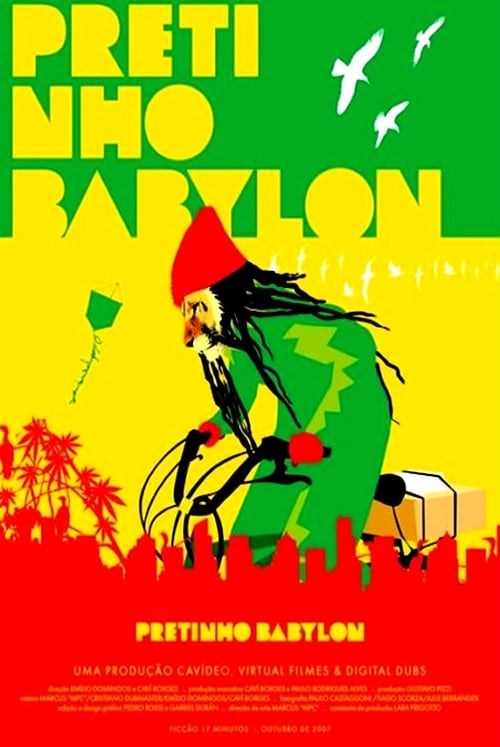
A Rastafarian living in Greater Babylon.
Pretinho Babylon
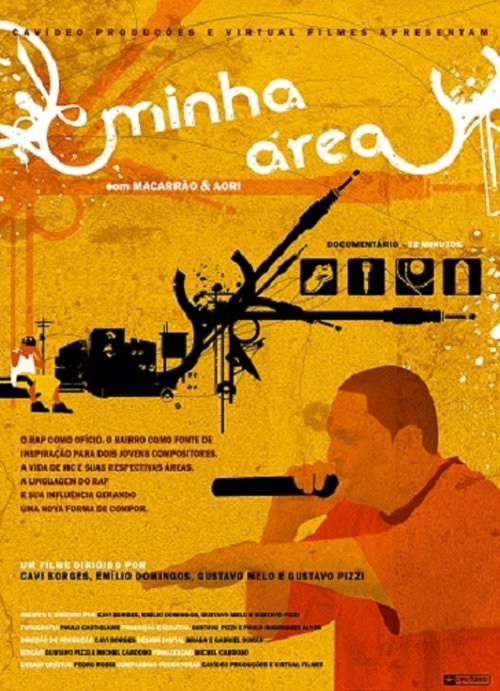
Rap as a profession. The neighborhood as a source of inspiration for two young composers. The life of an MC and their respective fields. The language of Rap and its influence generating a new way of composing.