Editing
Day breaks on the eighth floor in a suburban neighbourhood of Lisbon and 14-year-old David’s grandfather is still in hospital. Doctors give him only a few days to live. The imminence of death and the void that it will leave force David to become the man of the house, where he lives with his mother Mónica, who is in her 30s, and his three-year-old sister.
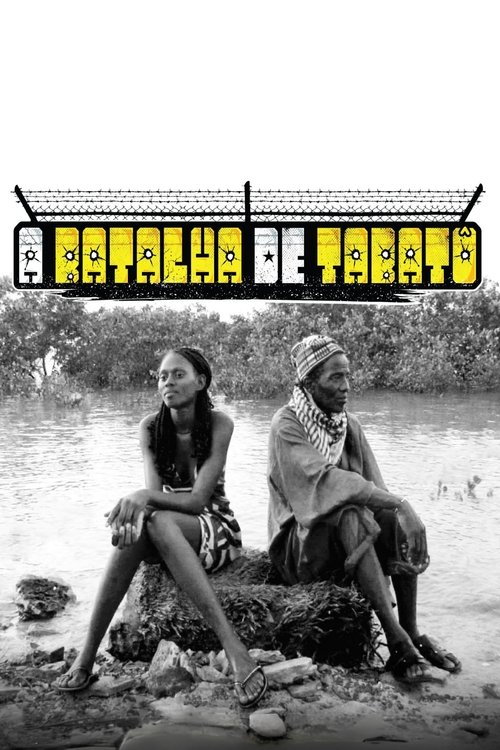
Fatu’s father has returned home to Guinea-Bissau from Portugal to attend her wedding. The young woman teaches at the university and her future husband is a well-known musician. Their wedding is supposed to take place in Tabatô, a village where everyone makes music. On the way there, it becomes apparent that the father is seriously traumatised by his experiences as a soldier in the colonial war decades earlier.
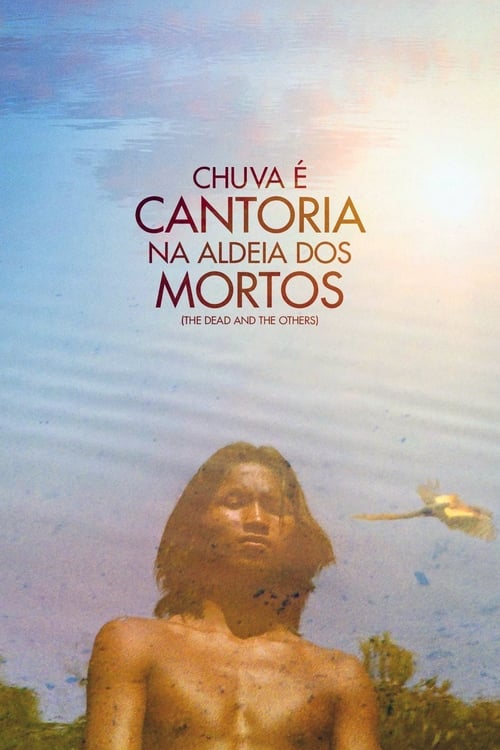
Through her child’s eyes, Patpro will go through three periods of the history of her indigenous people, in the heart of the Brazilian forest. Tirelessly persecuted, but guided by their ancestral rites, their love of nature and their fight to preserve their freedom, the Krahô never stop inventing new forms of resistance.
Lucy, regarded as crazy, has a son.
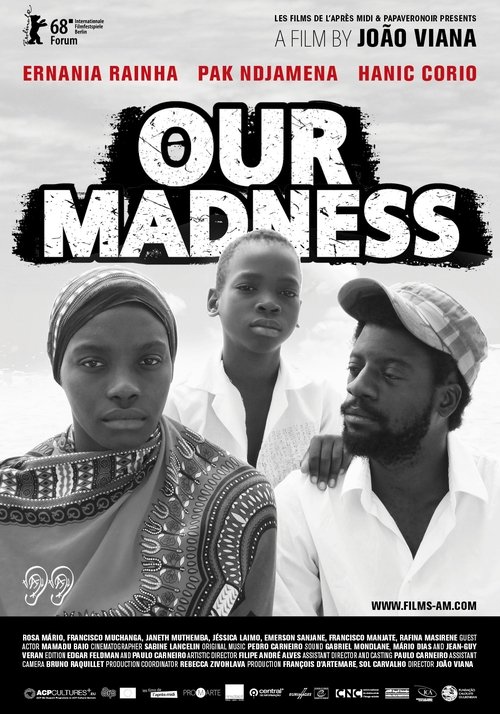
Ernania is hospitalized in a psychiatric hospital in Mozambique. She dreams about her little son, Hanic, and her husband, Pak, who is a soldier of the war. In the meantime, a quirky musical instrument plays: her own bed. Ernania’s musical virtuosity, attracts the attention of the hospital nurses. One day, her song is played in a radio program and Rosa, an evangelical priest of “Rádio Moçambique”, goes to the hospital to listen to Ernania’s song. Ernania takes the priest’s visit as an opportunity to run away from the hospital.
In mid-September 1992, journalist Guida Fontes have to go to Luanda to cover the elections in Angola. In the meantime, she had committed herself to discovering and interviewing the poet Júlio Vera. In 1988, he wrote a series of poems in which he mysteriously anticipated the fall of the USSR. Guida has only 12 days to complete the mission.
António Dias Lourenço, a communist, remembers the years of incarceration in the fort of Peniche, during the fascist dictatorship in Portugal, focusing on the episode of his evasion in 1954.
They are both there. Who belongs where? He thinks she comes from far away in time. She says she has always been there. He gets a job. He sells his house. She only has a blanket. Which one is passing through?
Developing from an idea of diptych, the story of Anajara and Allison is told from two perspectives in continuity. If late night work complicates the life of one of them, the incarceration in jail of the other determines a cycle of separation. Salaviza's skill to direct amateur actors is showed in this film, one of his more precise works.
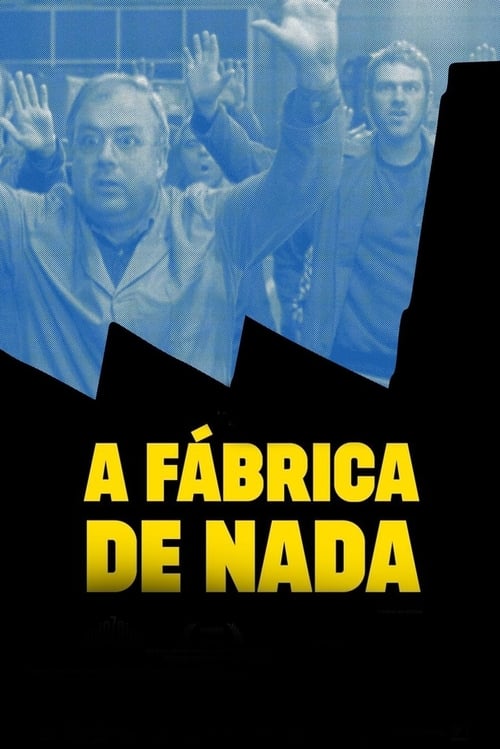
One night, a group of workers realises that the administration is stealing machines and raw materials from their own factory. As they organize to survey the equipment and block the relocation of production, they are forced to stand at their posts with no work to do, as a form of retaliation, while negotiations over general lay-offs take place. The pressure leads to a breakdown of the workers along with the world around them.
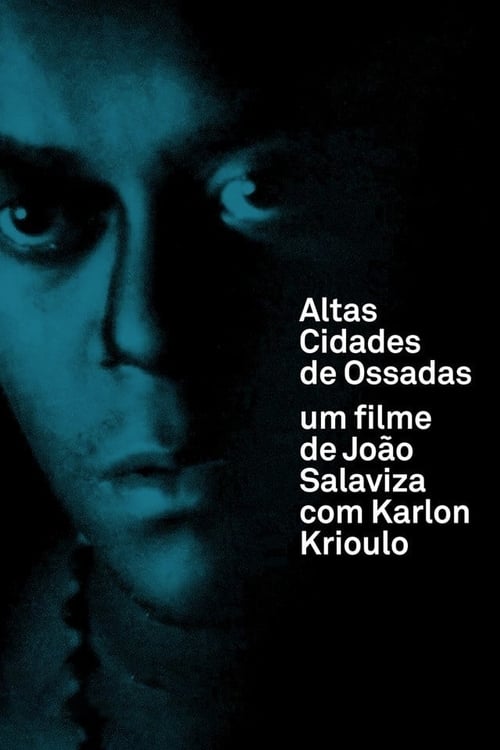
Karlon, born in Pedreira dos Húngaros (a slum in the outskirts of Lisbon) and a pioneer of Cape Verdean creole rap, runs away from the housing project to which he had been relocated.
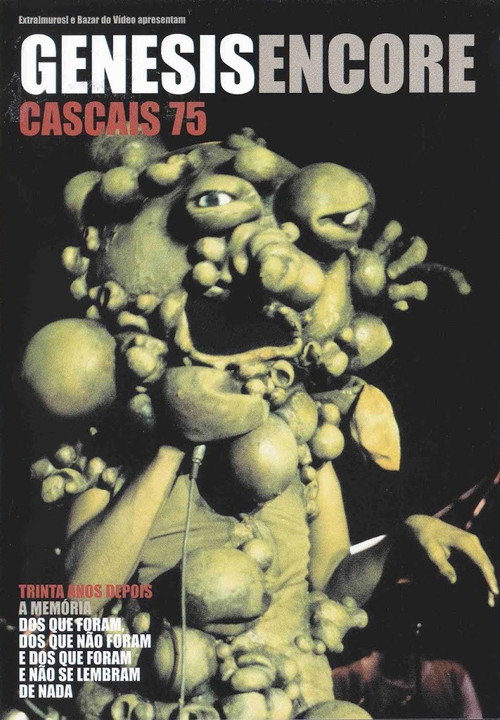
In Cascais, the “greatest band in the world,” with “the best album of all time” in tow, landed in the land of all illusions, where the grayness of decades gave way to color, nightlife, controversy, debate, and effervescent citizenship. Thirty years later, previously unreleased testimonies, sounds, and images from the show reconstruct a puzzle of indelible memories for a generation that in 1975 was young or a teenager.
No description available.
Denying his duty and in order to escape a crucial process of becoming a shaman, Ihjãc runs away to the city. Far from his people and culture, he faces the reality of being an indigenous in contemporary Brazil.
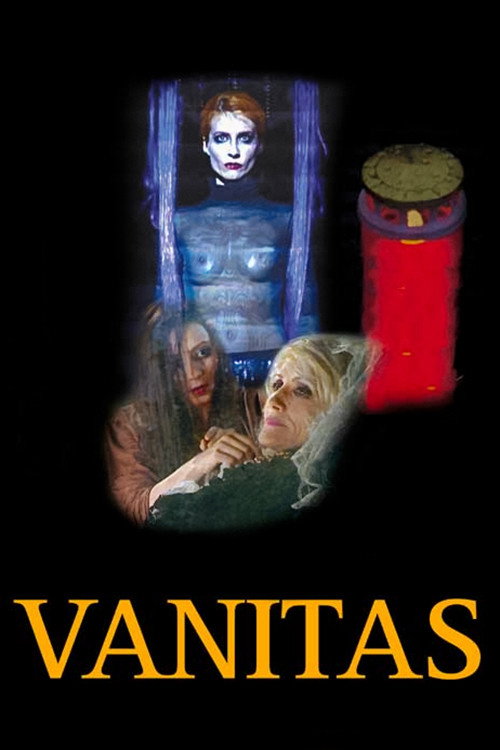
Vanitas is the new feature film by veteran Portuguese director Paulo Rocha. With a script by Regina Guimarães, the film brings together actresses Isabel Ruth and Joana Bárcia – no strangers to this director's world – in a story about a depressed fashion designer who falls in love with the daughter of one her tailors.
Owners of Portugal is a documentary about one hundred years of economic power. The film portrays the State protection to families that dominated the country's economy, their strategies for power and wealth accumulation. Mello, Champalimaud, Espírito Santo - big families intersect by marriage and integrate by finance. Threatened by the end of the dictatorship, their power is restored under democracy, through privatization and promiscuity with politics. New economic groups - Amorim, Sonae, Jerónimo Martins - grow on the same basis. As the crisis unravels the limits of Portuguese economic development model, this film presents the actors and the main choices that brought us here.
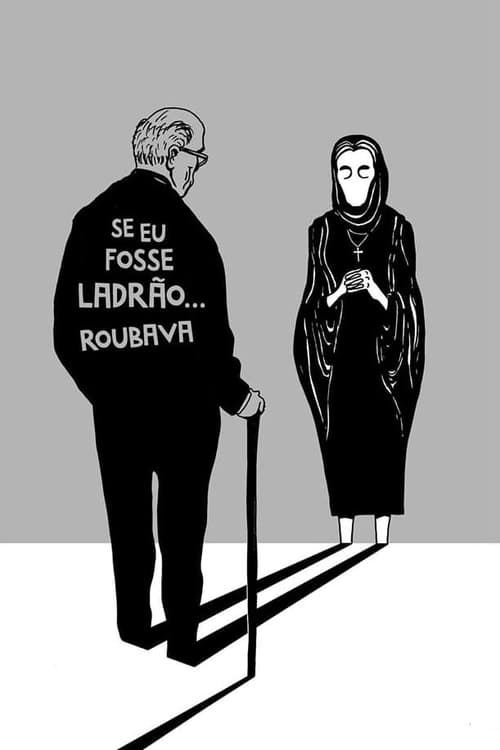
1920s. Vitalino, a small farmer from São Vicente sees his father die of the epidemic which decimated the country. Some years later, of all the brothers, Vitalino is the strongest and takes his father’s place in the house. But the village is too small for his aspirations and he decides to head to Brazil, leaving his sisters in charge of the household. In parallel with Vitalino’s story, If I Were a Thief… I’d Steal portrays the world of Paulo Rocha rummaging through his films and ghosts over the years.
The failed coup of 1961 that tried to overthrew the Fascist Regime in Portugal.
Conceição Matos was born in 1936 in São Pedro do Sul. When she was just three years old she moved to Barreiro to a "wooden shack" that she shared with her parents and siblings in Bairro das Palmeiras. While still a teenager, she joined the Democratic Unity Movement (MUD - Juvenil) and began her political activity that would lead her to go underground in 1962, having already joined the Portuguese Communist Party. She was arrested by the political police (PIDE) for the first time in 1965 and was mercilessly tortured without ever having spoken out or denounced her comrades. This film, told in the first person, recounts these times in prison and the trial of her torturers after April 25, 1974.