Jura Capela
Directing
Known For
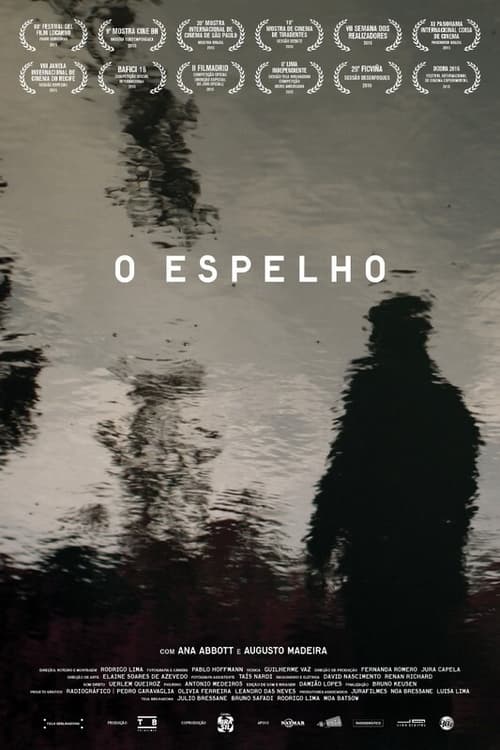
A man is mysteriously called to the entrance gate of an abandoned country home. As if she was coming out of a water mirror, a woman emerges from the mud at the bottom of a lake. As they approach each other, a spell is cast. Together they experience the enchantment of hallucination, memory and dreams. Reflections on the water will reveal secrets hidden in the nature of the soul. The Mirror is a recreation of Machado de Assis’ (1839-1908) homonymous tale
The Mirror
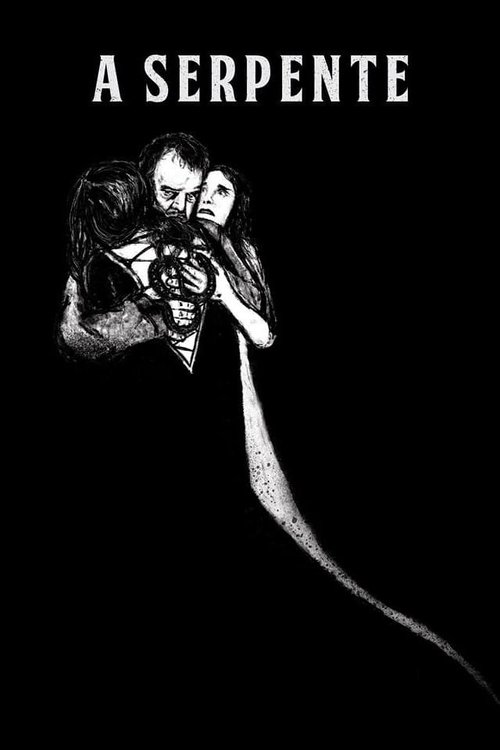
Two sisters live in the same house with their husbands in bedrooms separated by a single wall. One of the sisters, Lígia, is still a virgin. Dissatisfied, she wants to dissolve the marriage and thinks about suicide. To prevent her sister’s suicide, Guida offers her own husband, Paulo, for one night.
The Serpent
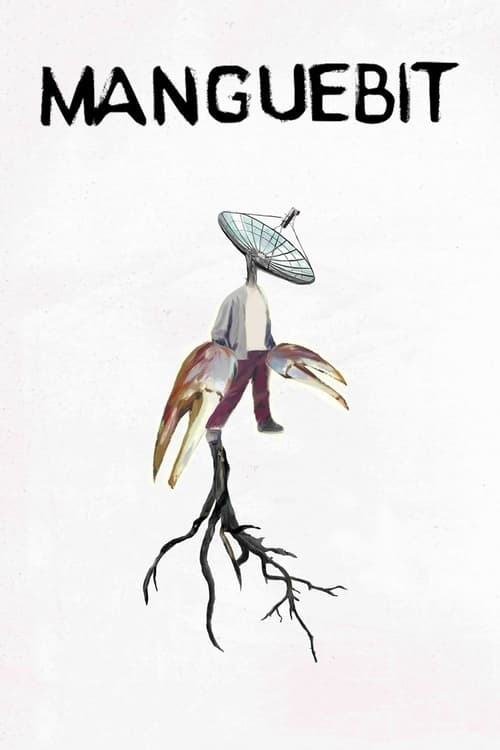
Mangue Beat, a musical and aesthetic movement which emerged in Pernambuco in the 1990s, transformed the visibility of the peripheries and cultural manifestations of the metropolitan area of Recife and placed the state on the map of the world music market with the launching of bands like Chico Science and Nação Zumbi and Mundo Livre S.A. The film experiments with the freedomn of thought of the Mangue using a plural language, which brings togther ideias and ideals, refleting the daring which resulted in the great symbol of the movement: a satellite dish planted in the mud of the estuaries - the Mangue.
Manguebit
No description available.
Copo de Leite
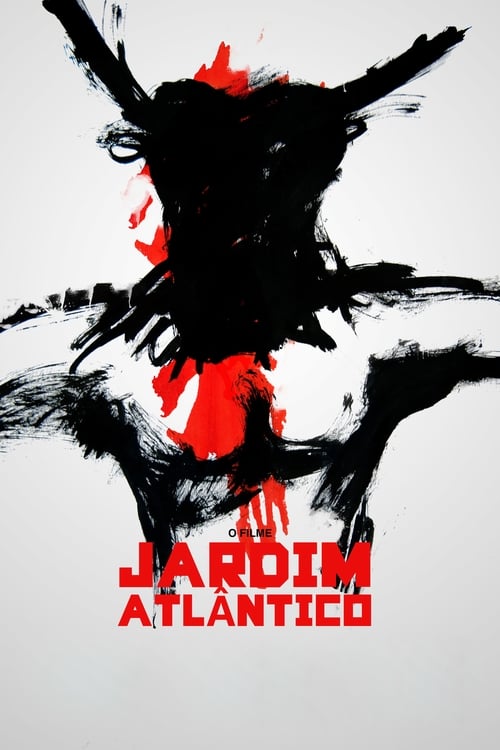
The film is a narrative starting from the story of Pierre and Syl, a couple that experiences the conflict between possession and freedom in a troubled relationship. Pierre is insecure and jealous, while Syl can’t even imagine that spending time with her friends will affect her boyfriend’s emotions – and also her own in a tragic way. A musical in tribute to Brazil, the garden of the Atlantic Ocean.
Atlantic Garden
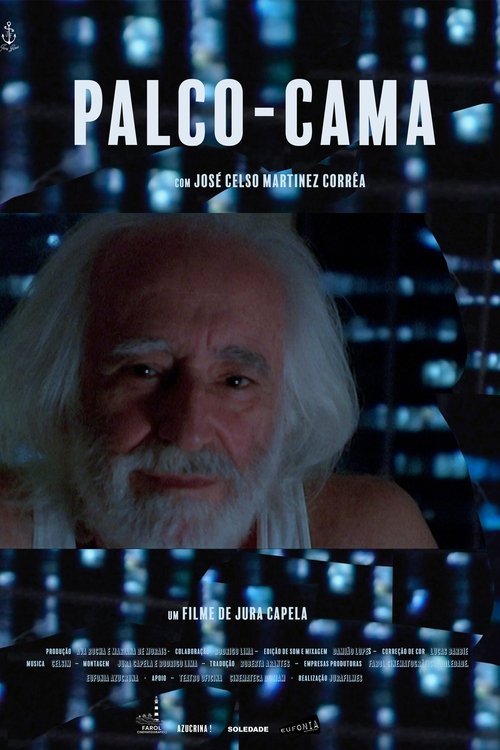
Palco cama is an intimate and unprecedented dive into the creative universe of José Celso Martinez Corrêa. Filmed in his bedroom, in his bed—a space of rest, sex, love, dreams, and creation—the playwright transforms everyday life into a scene, making the bed his stage. In an interview that exposes all the raw material, Zé Celso revisits the genesis of his works, narrating with passion and detail the artistic journey that has shaped Brazilian theater. The film captures the raw material of this performative conversation, where the artist performs, reflects, and surrenders himself before the camera, revealing the body and the word as central forces of his art.
Palco Cama
No description available.