František Lukeš
Camera
Known For
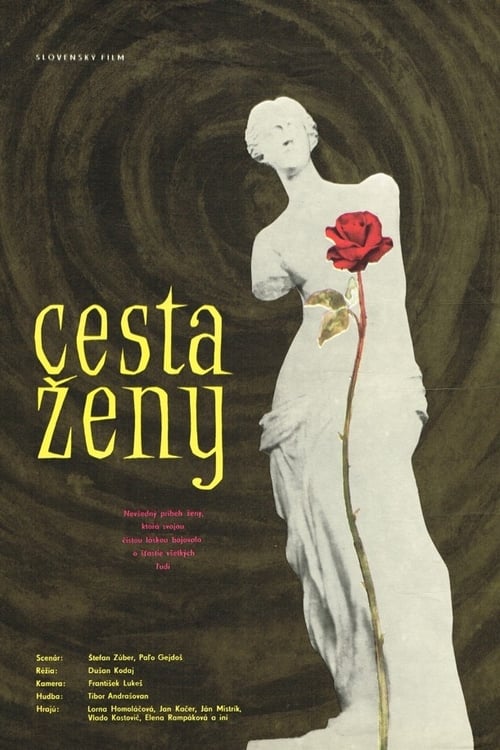
A chronicle of dramatic events capturing the fates of people living in a Slovak village just after World War II. Thirty years later, the main character Anna recalls a decision that fundamentally changed her life. During the period of incipient collectivization, she chose happiness and a difficult life with a poor man founding a cooperative in the village, although this significantly weakened her relationship with her own mother and at the same time interrupted a long-standing tradition in relation to the preservation of family property.
Cesta ženy
No description available.
Generácia
No description available.
Jedenáste prikázanie
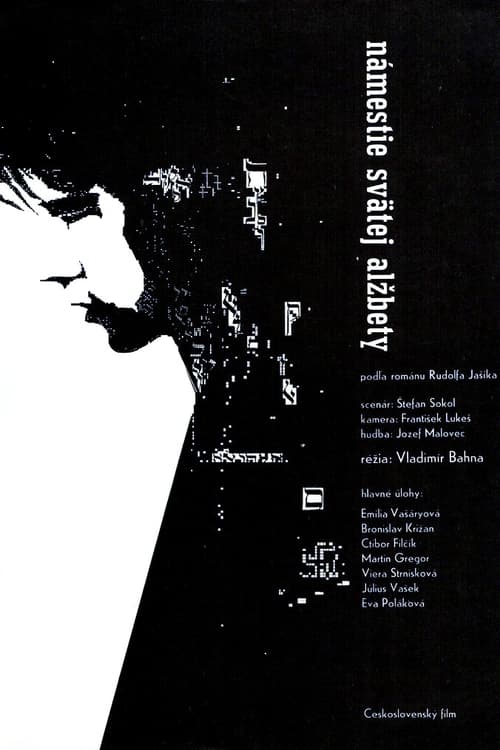
Film adaptation of Rudolf Jašík's novel of the same name. The plot of the film is situated in the forties of our century, in the first years of the Second World War. It captures the political and social atmosphere of one of the Slovak towns that lives seemingly in the lee, far from the world and war. Well, appearances are deceiving. Beneath the surface of peaceful, everyday life, a tragic process is taking place, accelerating people's destinies, the disintegration of their characters, but also the maturing of their relationships. The film is the story of Eva and Igor, their love, violently interrupted by political events. In this era of personal and social tragedies, children become adults almost overnight, honest people become victims, and mentally ill people become murderers. The film about the fates of Eva and Igor, the Jewish cartmen Samko and Maxi, and the careerist Flórik presents a believable, convincing picture of the era marked by the expansion of fascism.
Saint Elizabeth Square
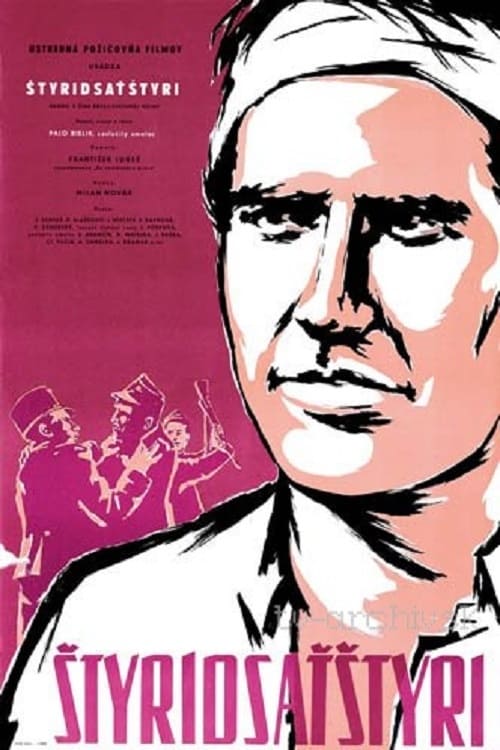
Drama about the rebellion of the Trencín Infantry Regiment against its superior officers in the Serbian city of Kragujevac, at the end of the First World War. It was the biggest and deadliest rebellion in the Austro-Hungarian army.
Štyridsaťštyri
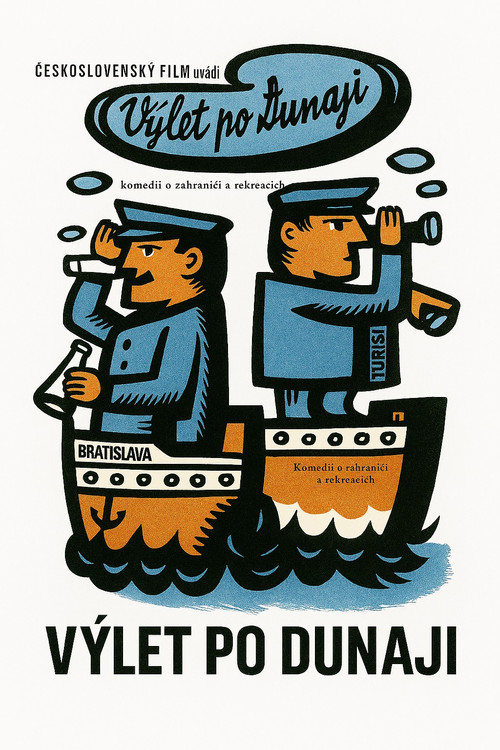
A group of Slovak tourists travels to Budapest on a luxury liner with a trio of eternal fortune-tellers, the former customs officer Hraško, the flirtatious Irena Domastová, who is divorcing her husband, the Petráš family, the old Mr. Garbiarik and the elegant Mr. Belan. Each of them, however, is pursuing other, their own interests on this voyage...
Trip on the Danube
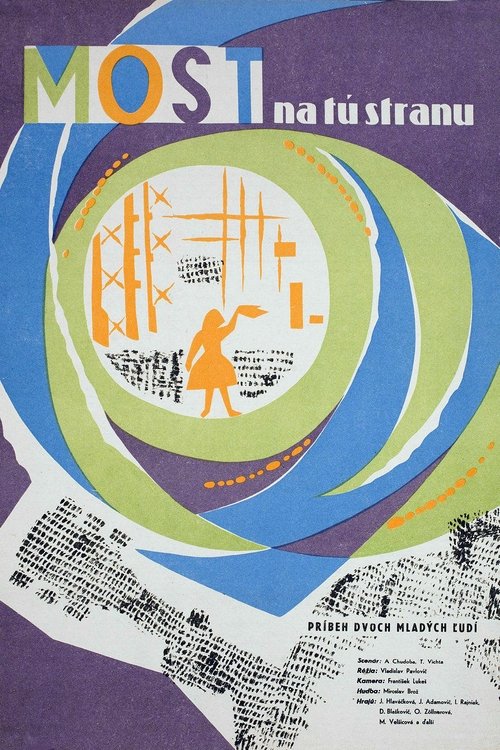
When the young heroine joins a large factory, she has difficulty adapting to the local environment and experiences a series of conflicts before finally joining the work team. This is an exemplary illustration of the thesis that only work truly humanizes a person and helps them find spiritual balance.
Most na tú stranu
No description available.
Dúha nad Slovenskom
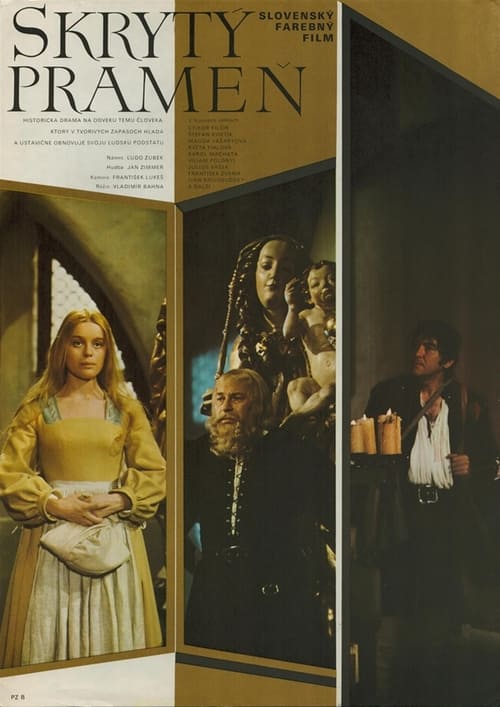
Levoča, first half of the 16th century. Master Paul creates his most famous work - a late Gothic altar in the Church of St. James. He has just recruited the carving companion Kristof into his service.
Skrytý prameň
The film adaptation of the novel of the same name by Peter Jilemnický is a drama about the life of poor Kysuce miners, which takes place in the thirties during the economic crisis. During the peak wave of emigration, the dream of a better life drives thousands of people to America for work. Others, in order to support their families, leave for the surrounding towns. Produced by the Bratislava Art Film Studio, studios and laboratories Bratislava - Koliba.
Unploughed Field
A group of drivers paid according to their performance are struggling with hard work in a large quarry, somewhere where foxes say good night. A new worker, Marek Orban, joins the team of foreman Peter Hotka, known as Maco. Deep down, he is a deeply moral person, although he was given a suspended sentence for bodily harm. He beat up his wife's lover, to whom he must also pay compensation. Marek hides this from the other members of the group because he is ashamed. Maco, out of friendship with Marko, attributes non-existent trucks to the group, which, of course, backfires. However, the team eventually shows its strength and works off the undeserved reward.
Dosť dobrí chlapi
No description available.
Zlozor
A documentary film about a large international competition organized in February 1950 in the Tatras, in which athletes from nine nations participated in all disciplines.
Tatranský pohár 1950
During the Slovak National Uprising, even ordinary people were determined to perform heroic deeds, even though they knew they were exposing themselves to great danger. The heroine of this film, a simple country woman, has a hard time paying for her bravery: she is sentenced to death, postponed for now so that she can nurse her recently born baby. She is even offered salvation if she betrays, but the presence of a member of the Soviet army infuses her with determination and hope. Early Spring belongs to the usual schematic, lifeless staged views of the subject that the communist regime has elevated to the level of sacred matter.
Predjarie
No description available.
Víťazstvo na pustatine
No description available.
Príďte všetci!
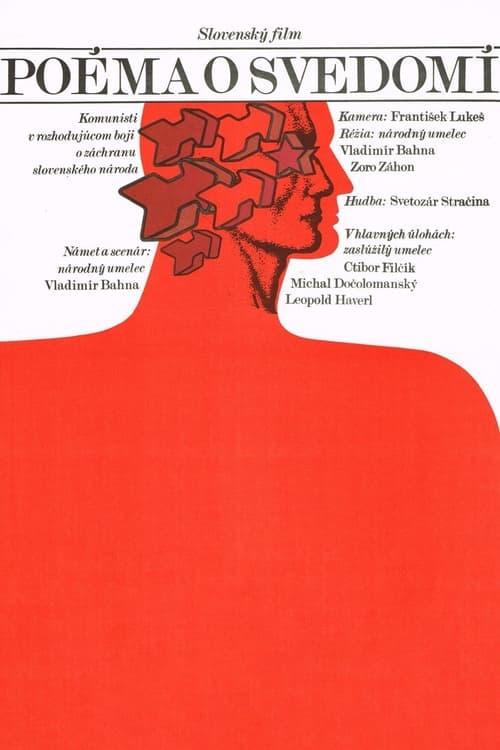
Historical reconstruction of the events of the anti-fascist struggle in Slovakia in 1943 and 1944.
Poéma o svedomí
Slovak partisans, bravely fighting against Nazi superiority, would never have succeeded to such an extent if they had not been supported by the villagers. Despite the threat of repression, it is the villagers who care for the wounded, hide them, and behave conscientiously. Although the film was made in the late 1960s, it fully adopts the patterns of partisan stories, perhaps the only thing it can be credited with is a more developed sense of authenticity in the story, characters, and setting.
Stopy na Sitne
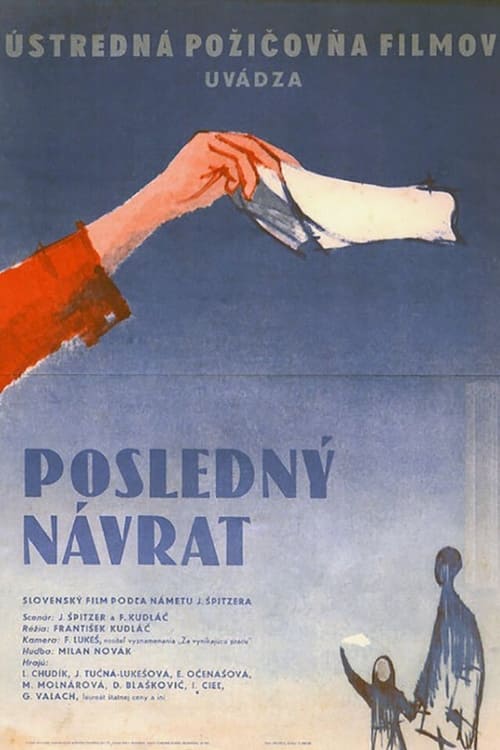
Peter and Lena had a daughter, Zuzka, soon after their wedding. Lena graduated from drama school and wanted to act, but there were no vacancies in the theater in the city where they lived, and she was forced to join a traveling troupe. Lena was away from home for months. Peter and Zuzka missed her very much. One day, Peter met Eva and fell in love with her. When Lena learned about this, she returned to the city, never to be separated from her family again.
Posledný návrat
No description available.