Acting
No description available.
Spadla z oblakov is a Slovak language sci-fi TV series for children created in year 1978. The series became very popular in Czechoslovakia and several other countries. The series was based on 1967 child book Spadla z nebe by Václav Pavel Borovička, a Czech writer and screenwriter. The first, very successful edition was followed by several reprints, the last in year 2000. The TV series follows the book quite closely.
Jakub, a dreamer and budding magician, juggles between parcels and services rendered to the villagers. His eyes cross that of the beautiful gypsy Jolanka. Together, they will try to live a first and big love, despite the pressure of their respective communities.
Television adaptation of F. Kárinthyho's story about how important it is to have a sense of home. The apricot jam symbolizes the home, family well-being, which the little boy Ferko, living with his parents in a Hungarian town of the 30's of the 20th century, desperately hopes for. A mother with an unfulfilled desire to become a famous pianist and a father with an even more distant dream to be a world-famous and wealthy writer to a son have no time or even a loving word. His loving companion is only Manci, who, however, leaves for misunderstanding with his lords. Ferko remains alone, disappointed and reluctant to accept the friendship of a new maid of Rózy. But he also has his great dream, and Róza will help him meet him.
A comedy about three flirtatious woodcutters realistically capturing Slovak village life and criticizing insincerity, hypocrisy and male pride.
This film is one of the most popular pictures of Slovak cinema and relates the story about the legendary folk hero and brigand Juro Jánošík [1688-1713] and the social situation in Slovakia of the late 17th and early 18th centuries. The first part talks about Jánošík's childhood, studies and return to his native village. In the second part Jánošík leaves for the hills, where he organizes his band of brigands and starts an anti-feudal resistance. The film concludes with Jánošík's execution.
The film adaptation of the novel of the same name by Peter Jilemnický is a drama about the life of poor Kysuce miners, which takes place in the thirties during the economic crisis. During the peak wave of emigration, the dream of a better life drives thousands of people to America for work. Others, in order to support their families, leave for the surrounding towns. Produced by the Bratislava Art Film Studio, studios and laboratories Bratislava - Koliba.
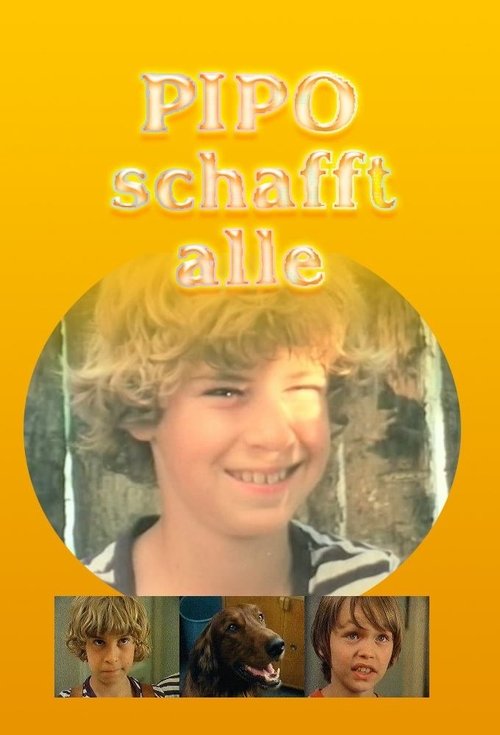
A funny story about a little boy everybody call Pipo and his summer vacations in the village.
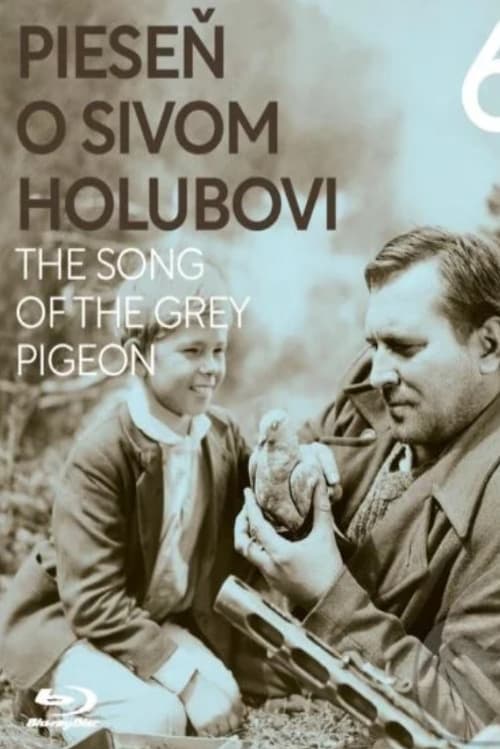
An unusual children's film set during World War II in Czechoslovakia, this compelling drama unfolds five different segments that present the war through the eyes of three youngsters. The three have a series of adventures which include saving a soldier from being captured by the Germans, helping out the resistance fighters, and meeting up with a young Russian woman trained in guerrilla warfare. As they learn more about life and danger, various circumstances constantly recall the reality of war itself. The title comes from a wounded pigeon under the care of one of the youngsters.
Because abortions required complicated approvals, an enterprising doctor secretly set up a sort of private practice where she offered this "service" illegally. However, the sympathetic doctor who was supposed to become a valuable helper in this business flatly refuses.
A two-part television film based on the novel of the same name by Rudolf Jašík, depicting a realistic picture of life and interpersonal relationships during World War II in the mixed Slovak-German environment of the town of Pravna and the nearby village of Planice, as well as life and relationships between soldiers on the Eastern Front. From this perspective, the plot follows a unit of Slovak soldiers, their realisation that they are fighting for foreign interests, their dissatisfaction and distrust of everything, especially their officers.
A fairy-tale about an old lady who takes care of snow and Jakub who does not fear death. It reflects the idea of people's longing for happiness, love and understanding, their effort to overcome troubles and win over death. It criticizes greed and evil desires.
An apocalyptic story of three wars in three film tales encompassing the end of the WWI,WWII, as well as a vision of the world destroyed by nuclear weapons. This film was honored at the film festivals in Venice and Sorrento. Immediately after that the copy with Italian subtitles was locked in a safe as evidence of the anti-communist activities of the director, who used real footage of the Soviet invasion.
The series depicts the history of Slovak society in the first decades of our century and leaves a deep faith in humanity and the nation. It tells the life story of Pavlínka, the daughter of a laborer and innkeeper, whose fate is filled with love, social ambitions, and unfulfilled dreams, and who ultimately returns to the basics of life, to naturalness and wisdom.
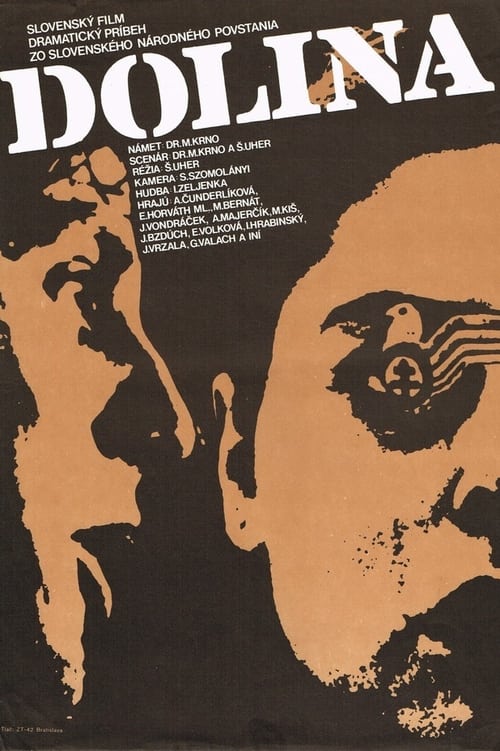
A dramatic story of the emotional, moral and political maturation of two young people during the Slovak National Uprising.