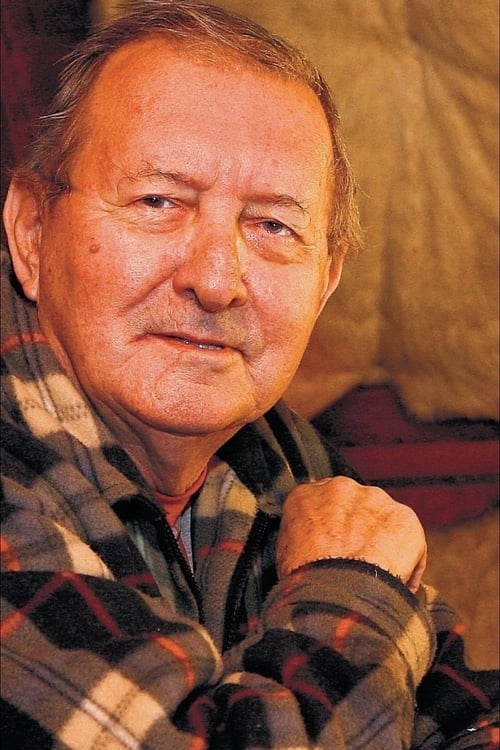
Ivan Krivosudský
Acting
Biography
Ivan Krivosudský (* March 1, 1927, Bratislava - † December 4, 2010, Trnava) was a Slovak actor. Ivan Krivosudský was born on March 1, 1927 in Bratislava, where he also grew up and spent his childhood. And it was during his childhood that he used to show and perform in front of his friends and classmates, which predestined him to his acting career. He went to high school in Nové Zámky, where he attended the Janko Kráľ Grammar School. Here he did not owe his reputation anything and fully expressed his interest in acting. He even created a student opera for his classmates, where he invented a story and gro operas created well-known songs with newly created lyrics. During his youth, he also played theater with amateurs and even wrote lyrics for them. After graduating from high school, he began studying at the Faculty of Law of Comenius University, but graduated prematurely in 1948. He decided to pursue an career as an actor and in 1951 studied acting at the State Conservatory in Bratislava. From 1949 he was a member of the play New Stage and from 1951 also a film actor. He played many characters during his life, but most of them were minor or secondary roles. His characters were mostly comedic or tragicomic, but even so, Ivan Krivosudský's acting was unmissable, as he always performed his characters at a high level and put a piece of his natural optimism into them, which he was notable for in his personal life. From theatrical performances, some may remember him as Lapihubu from the play Revízor, Voňavka from Geľa Sebechlebský, Padron Toni from Klebetnice or Dr. The twist of the game When the jubilant cries. There's another constellation of characters from the film; Ďuro Sršeň (Lazy sa pohli, 1951), storekeeper Cyril Kvasnička (The Devil Does Not Sleep, 1956), Gabriel (Master cat, 1966), Hanuliak (Sin of Katarína Padychová, 1973), the magician Bellini (Leto s Katka, 1975), postman Nehreš ( Red Wine, 1976), gardener (Salt over Gold, 1982), innkeeper (Don't Be Afraid, 1988), Grandpa Vendelín (Ghosts, 1997). But in addition to theater and film, he often acted on television in entertainment programs and dubbing. From the personal life of Ivan Krivosudský, it can be revealed that despite his life's optimism and a smile on his face, he experienced many unpleasant events. One of the first was the death of his first wife Jaroslava, who died of cancer and with whom he had two sons, Dušan and Petr. Another was the death of a pedestrian, which he struck in 2005 in Svätý Jur. He did not manage to shake from this accident and another blow of fate came, when in 2008 his eldest son Dušan came to life. In the same year, his bride, Peter's wife, finally died after a serious illness. A year later, there was an unpleasant divorce from his second wife Anna, whom he married when he was 69 and had a son Miška with her at a late age. However, after the divorce, the court entrusted this son to the care of Ivan's sister-in-law, as Anna was not mentally well at the time and he himself would not be able to take full care of the son at this age. After these events, he hid to his cottage under Pezinská Baba, where his loved ones used to visit him regularly. But he didn't find peace there either, as he was diagnosed with esophageal cancer a few months later, which he finally succumbed to after half a year of treatment.
Known For
No description available.
Bakaláři
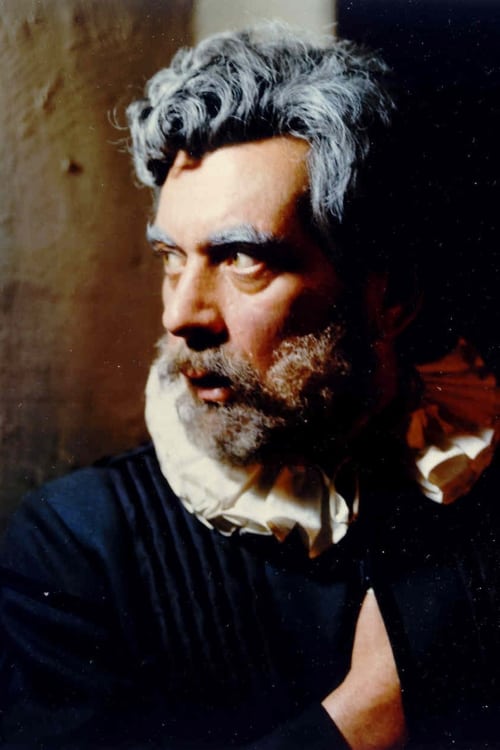
Series about the life of Renaissance anatomist, scholar and politic Johannes Jessenius. Already legendary series today, was produced by Czechoslovak Television Bratislava, directed by Slovak director Miroslav Luther in the first half of 80's in Barrandov Studios in Prague. The story and screenplay of the series wrote Czech writer Vladimír Körner. Five-episodes epic historical narration is a biographical story of distinguished Renaissance scholar, anatomist and politic of Slovak origin, Johannes Jessenius (Ján Jesenský, 1566–1621). It displays his life from the first studies and successes. In 1594 he became professor of surgery and anatomy on Wittenberg University, which he had attended years before. From that moment, his life went through social and personal wins and losses, to the sad end on the Prague Old Town Square gallows, among 27 noblemen, knights and burgenses, after lose Bohemian Revolt in 1621. His destiny was coupled with key events of Czech history in the break of 16th and 17th century, when Renaissance and European humanism slowly fade out.
The Physician of a Dying Time
No description available.
Útek zo zlatej krajiny
No description available.
Ďuro-Truľo
No description available.
Rachotilkovia
No description available.
Tridsaťdeväť stupňov v tieni
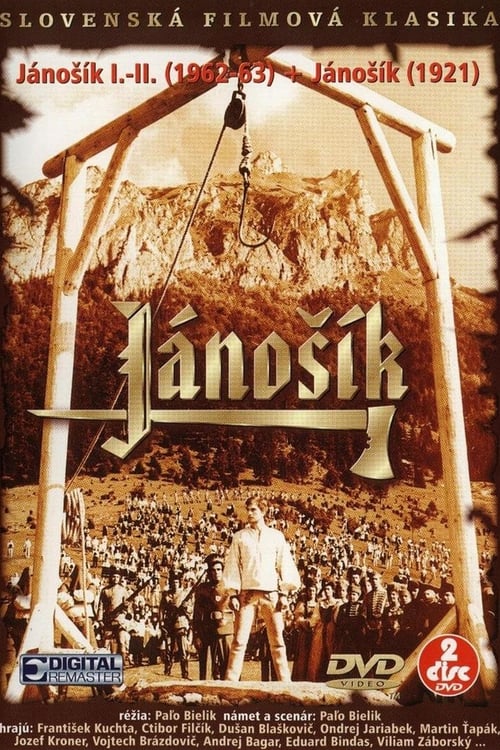
This film is one of the most popular pictures of Slovak cinema and relates the story about the legendary folk hero and brigand Juro Jánošík [1688-1713] and the social situation in Slovakia of the late 17th and early 18th centuries. The first part talks about Jánošík's childhood, studies and return to his native village. In the second part Jánošík leaves for the hills, where he organizes his band of brigands and starts an anti-feudal resistance. The film concludes with Jánošík's execution.
Jánošík
No description available.
Rozprávky pätnástich sestier
A comedy film taking an ironic view of the bourgeois period prior to the First World War.
Štvorylka
No description available.
Zaprášené histórie Ema Bohúňa
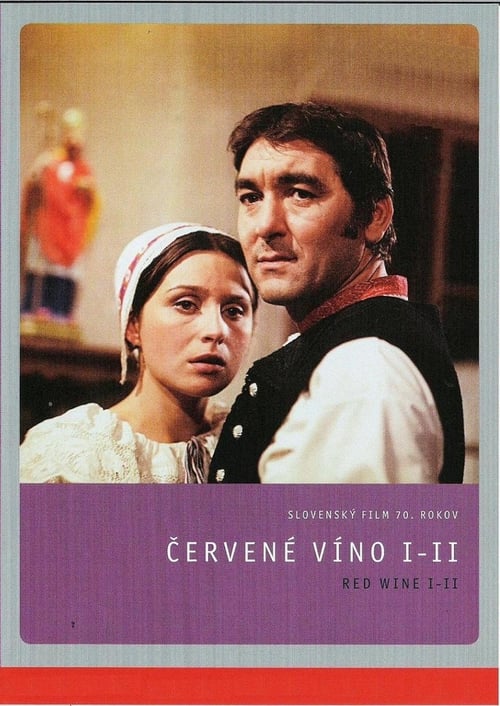
An epic saga of the Habdza family of vineyard keepers set in western Slovakian countryside at the beginning of the 20th century. Director Andrej Lettrich's novel adaptation talks of plotting, forbidden love. family discord, and struggle for heritage and power. The story is engaging thanks to the impressive performances of popular actors, dramatic situations, and sensitive music. Red Wine is not so much inventive in terms of auteurship as it is a work of excellent craftsmanship. The resulting picture is a costume production neatly adapted to the character of Slovak rural life in the past.
Red Wine
No description available.
Louis Pasteur
No description available.
Prípad jasnovidca Hanussena
No description available.
Drotárskym chodníkom
No description available.
Na baňu klopajú
A story about a young Slovak peasant boy from the 17th century. After the death of his father, who was hanged for poaching, Adam Šangala decides to leave home and become a gentleman. However, he gets involved in a dispute with Count Markoč, who abuses a peasant girl, beats him up, and forces him to flee from his police officers. On the run, he meets the charming Betka, the daughter of a craftsman from Trnava, with whom he falls in love, but with Markoč's police still hot on his heels, there is no time for love. In his desperate situation, Adam enlists as a soldier for Count Pálfy...
Adam Šangala
No description available.
V tieni vlkov
No description available.
Vrabce z Tŕnia
No description available.
Ľudia z kanálovej štvrte
No description available.