Acting
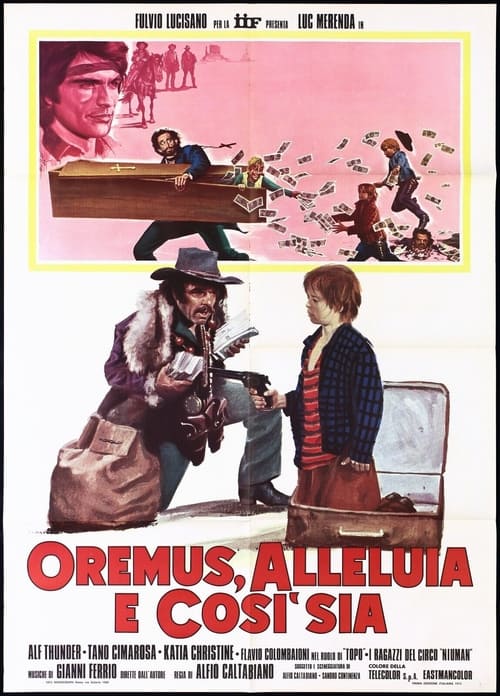
A very unlikely trio join forces in order to rob a bank: an ex-bandit called Smith, now a cheerful reverend, a nomadic artist and a pickpocket. Their plan is successful, however, and the three make off with the money from the bank's vaults, only to find themselves robbed of their newly-acquired wealth by a young schoolmistress.
The story of the great strike of the workers building the Cervena Skala - Mergecany railway line
The drama of a young Slovak army officer who gradually realises the horrors of fascism during the fighting in Ukraine. On his return to Slovakia, he joins the SNP. However, he cannot overcome his loner attitude or his doubts about the meaning of partisan activity.
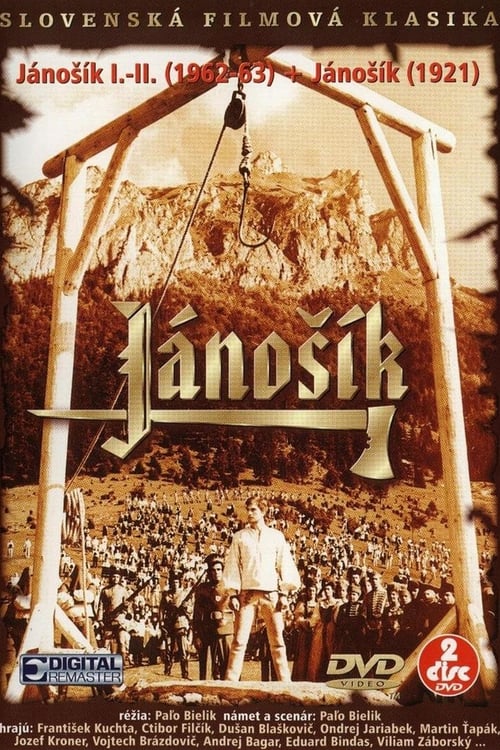
This film is one of the most popular pictures of Slovak cinema and relates the story about the legendary folk hero and brigand Juro Jánošík [1688-1713] and the social situation in Slovakia of the late 17th and early 18th centuries. The first part talks about Jánošík's childhood, studies and return to his native village. In the second part Jánošík leaves for the hills, where he organizes his band of brigands and starts an anti-feudal resistance. The film concludes with Jánošík's execution.
Jakub, a dreamer and budding magician, juggles between parcels and services rendered to the villagers. His eyes cross that of the beautiful gypsy Jolanka. Together, they will try to live a first and big love, despite the pressure of their respective communities.
No description available.
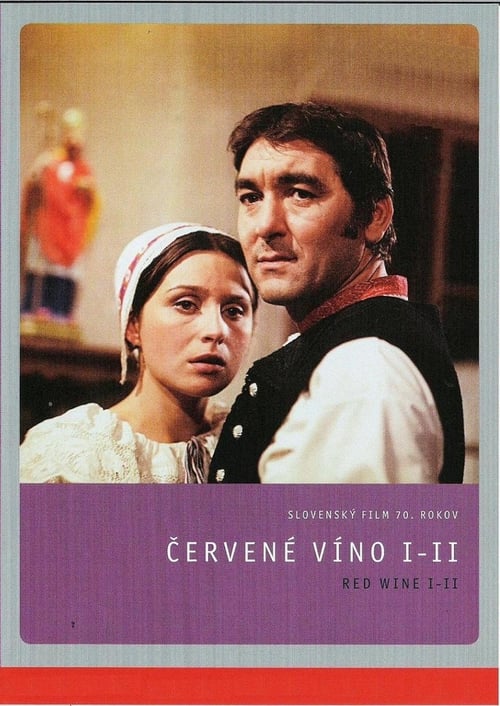
An epic saga of the Habdza family of vineyard keepers set in western Slovakian countryside at the beginning of the 20th century. Director Andrej Lettrich's novel adaptation talks of plotting, forbidden love. family discord, and struggle for heritage and power. The story is engaging thanks to the impressive performances of popular actors, dramatic situations, and sensitive music. Red Wine is not so much inventive in terms of auteurship as it is a work of excellent craftsmanship. The resulting picture is a costume production neatly adapted to the character of Slovak rural life in the past.
In the aftermath of war, two men and a woman begin acting more like children than adults, leading to tragedy.
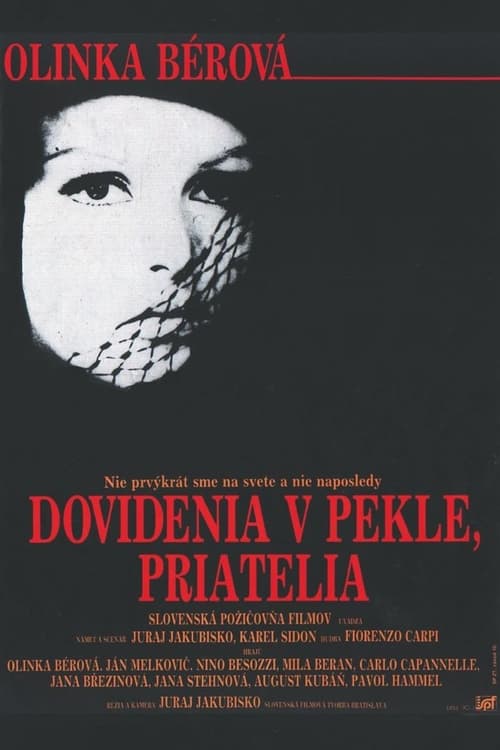
As a car full of an assortment of characters rolls down an embankment and bursts into flames, the old driver says "See You in Hell, Friends." The relations between the characters are shown in flashbacks. The pretty Rita and her fiancee Petras meet the old colonel, and come to live in his farmhouse. Rita marries the colonel as well as her fiancee, and has a daughter Christine. The colonel's supposed father shows up, and also makes amorous advances on Rita. They all live blissfully together until two holy women with axes arrive. The women start chopping down trees to build an ark. Rita starts having nightmares and Christine is crucified.
Two repatriated soldiers search for stability and love when they return home after the First World War.
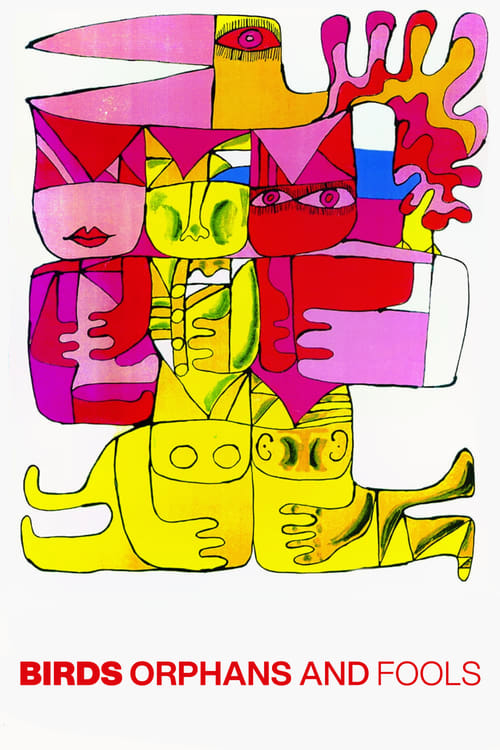
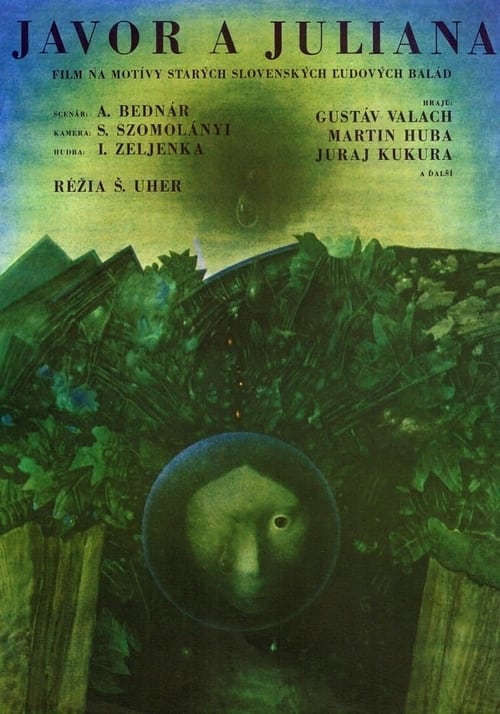
A girl is transformed into a maple tree by her impulsive and angry mother. Three poor wandering musicians come by the tree and create instruments from it. Walking around the country instead of happiness they bring death everywhere with their cursed instruments. However they cannot get rid of them, unless they bury the wooden instruments at the place of the tree. The three are anything but harmonious, each taking in their disputes various stances.
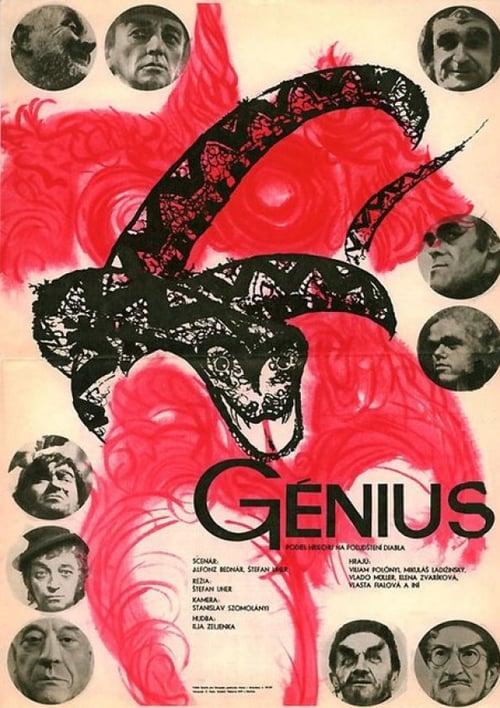
A metaphorical story about the conflict of human reason and ideals with the dehumanizing mechanism of social institutions. A satire criticizing the negative relations between people, condemning the evils of human characters and the resulting qualities - pride, envy, malicious gloating, hatred and mammonism.
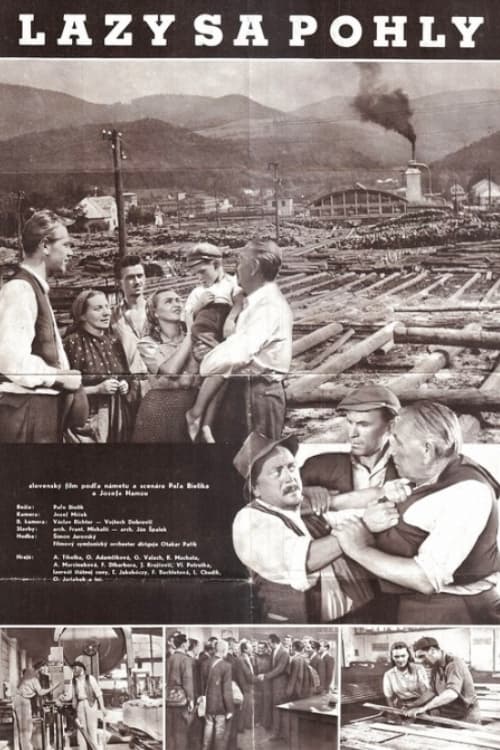
The life on the poor Slovak hills, the lazy hills, where agriculture is at a primitive stage and where the shelves give a small harvest. Meanwhile, socialist industrialization is reaching an amazing boom in the valleys. Therefore, it is necessary to solve the problem of small farmers on poor farms and the lack of labor in ever-growing industrial enterprises. The film, based on the fate of Matěj Rendek, who returns to Slovakia after 18 years from America, and on the fate of his family, who have toiled for years on poor fields and slaved for a rich farmer, shows how this problem must be solved: an agricultural cooperative is established on the lazy hills, which, with the help of machines, can handle agricultural work better and with a significantly smaller number of laborers, and most of the lazy villagers leave to work at a large sawmill.
Historical satire from the first half of the 19th century, which captures the decay and decline of the landed estate. The impoverished peasants still seem to adhere to the old principles of peasant honor and glory, but the elections will show how easy it is to buy knightly qualities.
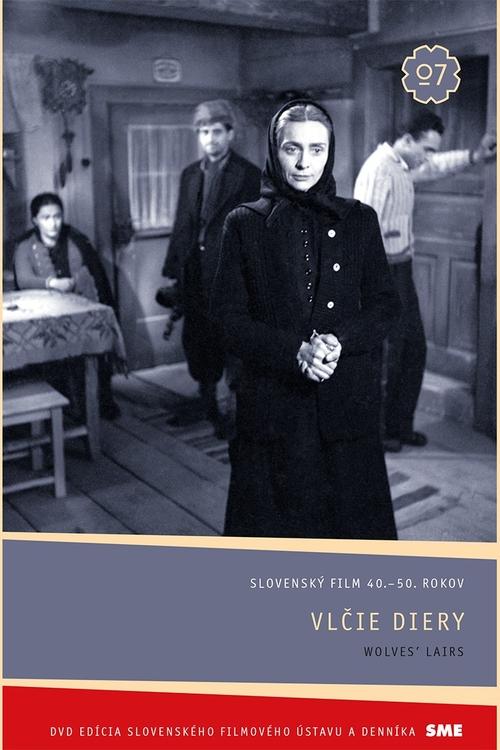
This drama from the times of Slovak National Uprising is situated in a small Slovak village. It is the tragical story of a widow and her four sons who fight alongside the partisans against the German occupants.
Chaco and his band of downtrodden men meet Così Sia (Amen), who always seems to get the better of them. He takes on the men with a plan to break into the Bank of Little-hole. For Così Sia, getting the money is not as important as getting his revenge on Reverend Smith, with whom he has a bone to pick.