Acting
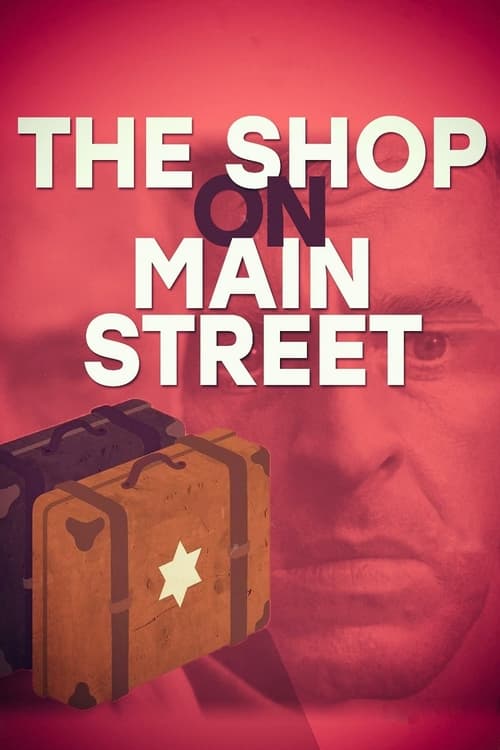
In a small town in Nazi-occupied Slovakia during World War II, decent but timid carpenter Tono is named "Aryan comptroller" of a button store owned by an old Jewish widow, Rozalie. Since the post comes with a salary and standing in the town's corrupt hierarchy, Tono wrestles with greed and guilt as he and Rozalie gradually befriend each other. When the authorities order all Jews in town to be rounded up, Tono faces a moral dilemma unlike any he's known before.
No description available.
In Slovakia, they also created a pair of investigators who have appeared in several films. Volanie démonov is the third of them. The police officers, one Maigret-like, thoughtful, the other humorously hasty, this time solve a fire in a furniture factory and the deaths of two employees - one burned himself, the other fell into a dry well. The investigation of the complicated case takes a long time, but in the end it turns out that revenge can be extraordinarily strong and persistent.
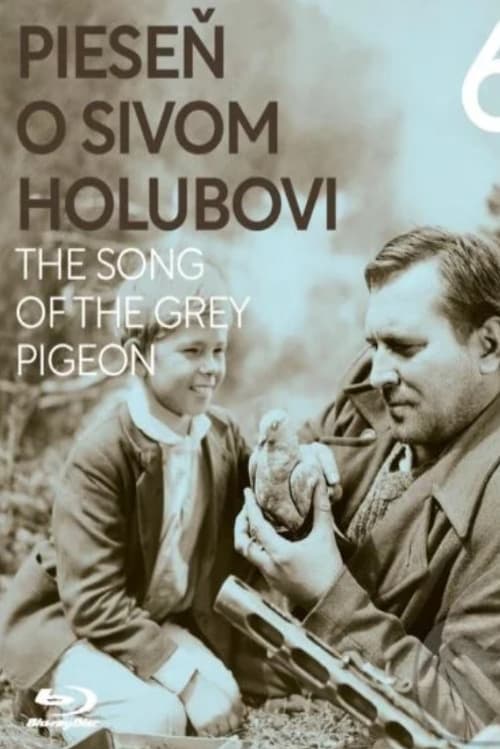
An unusual children's film set during World War II in Czechoslovakia, this compelling drama unfolds five different segments that present the war through the eyes of three youngsters. The three have a series of adventures which include saving a soldier from being captured by the Germans, helping out the resistance fighters, and meeting up with a young Russian woman trained in guerrilla warfare. As they learn more about life and danger, various circumstances constantly recall the reality of war itself. The title comes from a wounded pigeon under the care of one of the youngsters.
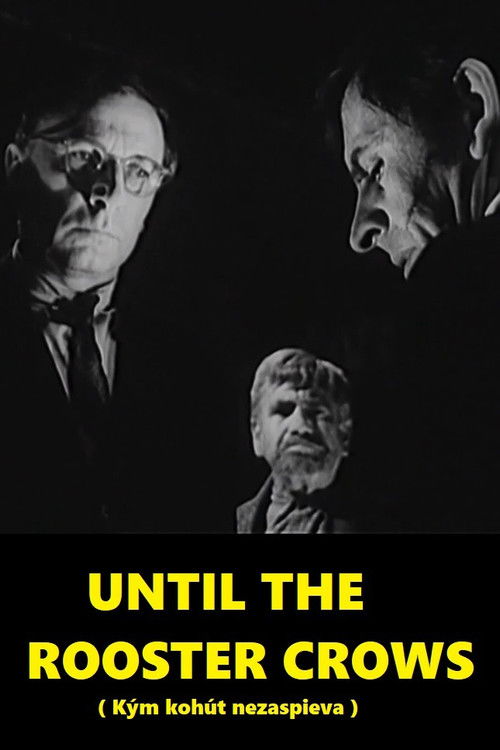
Existentialist drama based on the play of the same name by the Slovak writer Ivan Bukovčan. The story of ten apparently randomly selected people placed in a beer hall of a small town during the Nazi occupation of Slovakia. Slowly, facts begin to emerge, characters are drawn, and the story begins to gather a dangerous pace.
A TV film based on a short story by Alfonz Bednár. A drama set during the Slovak National Uprising.
A story about a young Slovak peasant boy from the 17th century. After the death of his father, who was hanged for poaching, Adam Šangala decides to leave home and become a gentleman. However, he gets involved in a dispute with Count Markoč, who abuses a peasant girl, beats him up, and forces him to flee from his police officers. On the run, he meets the charming Betka, the daughter of a craftsman from Trnava, with whom he falls in love, but with Markoč's police still hot on his heels, there is no time for love. In his desperate situation, Adam enlists as a soldier for Count Pálfy...
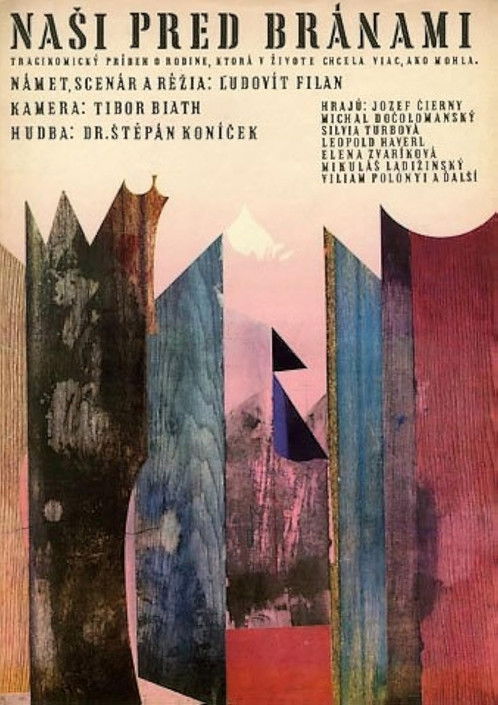
A tragicomedy about people who are able to make use of the war situation for their own benefit. The Gavora family of four leave their secure village home blinded by the vision of a big career and easy earning of money in the capital city.
A fisherman saves Anada, a woman adrift, from drowning. He takes her to his home, and protects her. Eventually, she occupies a larger place than was to be expected. He commits adultery with her, but his own wife seems to be in love with the strange young woman.
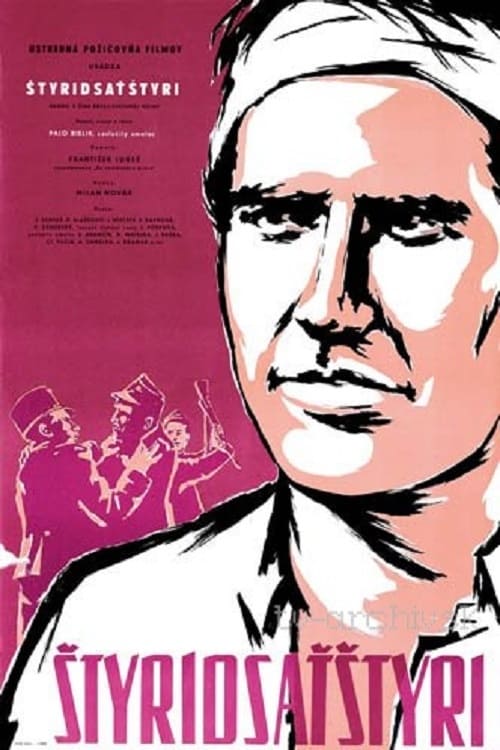
Drama about the rebellion of the Trencín Infantry Regiment against its superior officers in the Serbian city of Kragujevac, at the end of the First World War. It was the biggest and deadliest rebellion in the Austro-Hungarian army.
Young couple separated by World War 2, dream of being reunited years later.
A balladic story situated in a Slovak mountain region before the 2nd World War. A young man returns to his native village after many years. There he meets Zuna, a mysterious girl of the forest, who opens his eyes to the charming nature to perceive hidden corners of the world and of his own soul.
A group of drivers paid according to their performance are struggling with hard work in a large quarry, somewhere where foxes say good night. A new worker, Marek Orban, joins the team of foreman Peter Hotka, known as Maco. Deep down, he is a deeply moral person, although he was given a suspended sentence for bodily harm. He beat up his wife's lover, to whom he must also pay compensation. Marek hides this from the other members of the group because he is ashamed. Maco, out of friendship with Marko, attributes non-existent trucks to the group, which, of course, backfires. However, the team eventually shows its strength and works off the undeserved reward.
The television film based on the novel of the same name by Ladislav Mňaček draws on the period of World War II and the Slovak National Uprising. The film's story is composed of two intertwining time lines. In the images of the present that frame the entire narrative, the young partisan Voloďa - a hero with autobiographical features - recovers from a serious injury. In feverish reminiscences and in conversations with his nurse Eliška, he recapitulates the eventful events of his time in the partisan group in the village of Ploština, which the partisans abandoned under the pressure of events and left to the mercy of the German commando. Voloďa is haunted by visions of the burning Ploština, remorse and responsibility for the tragedy. In feverish reminiscences, he relives the meetings of the partisan detachment with the German commando. Memories of the mysterious Jewish girl Marta, a partisan liaison with whom Pavol had a passionate love affair, also return to him.
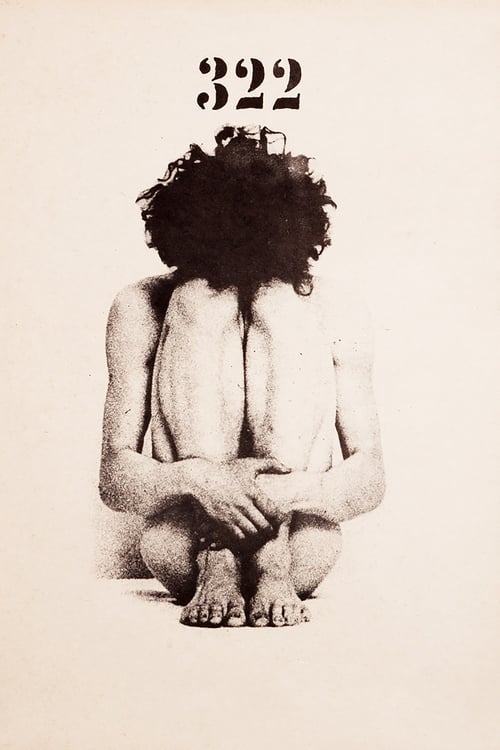
A story of a man threatened by a fatal illness evaluating his life (the number 322 in the film title stands for the diagnosis of one kind of cancer). He understands his illness as a form of punishment for his cruel deeds in the 1950s. In the face of reality and his efforts to cleanse himself he hits a barrier of indifference, lack of interest, and individual and collective selfishness. He has to find his own reconciliation with his illness and his past and present life.