Acting
No description available.
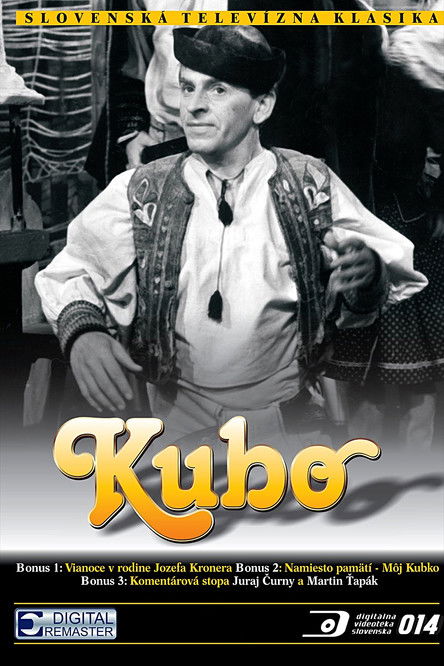
The first Slovakian colour film. A celebration of traditional Slovakian folklore and creativity expressed through a story of young love .
The drama of a young Slovak army officer who gradually realises the horrors of fascism during the fighting in Ukraine. On his return to Slovakia, he joins the SNP. However, he cannot overcome his loner attitude or his doubts about the meaning of partisan activity.
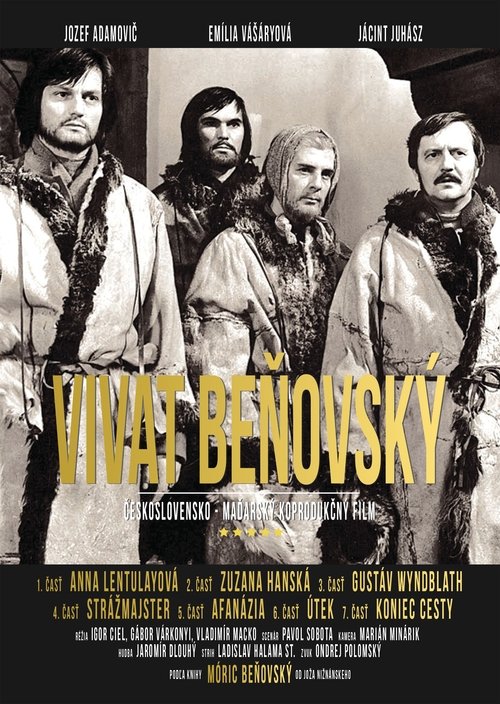
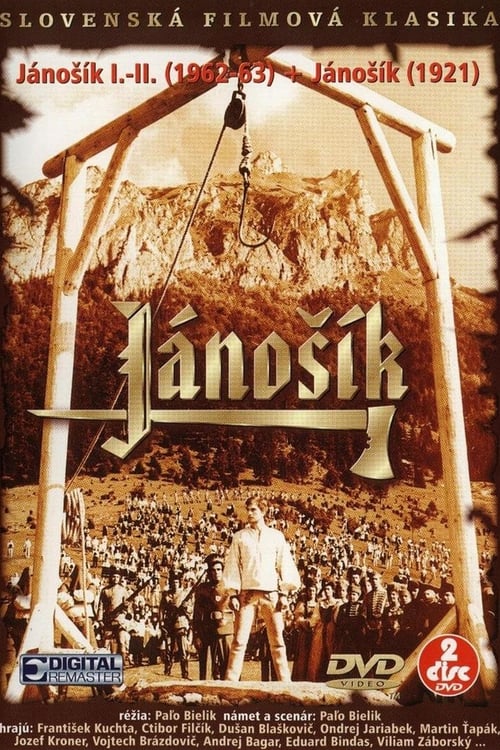
This film is one of the most popular pictures of Slovak cinema and relates the story about the legendary folk hero and brigand Juro Jánošík [1688-1713] and the social situation in Slovakia of the late 17th and early 18th centuries. The first part talks about Jánošík's childhood, studies and return to his native village. In the second part Jánošík leaves for the hills, where he organizes his band of brigands and starts an anti-feudal resistance. The film concludes with Jánošík's execution.
Historical reconstruction of the events of the anti-fascist struggle in Slovakia in 1943 and 1944.
The film adaptation of the novel of the same name by Peter Jilemnický is a drama about the life of poor Kysuce miners, which takes place in the thirties during the economic crisis. During the peak wave of emigration, the dream of a better life drives thousands of people to America for work. Others, in order to support their families, leave for the surrounding towns. Produced by the Bratislava Art Film Studio, studios and laboratories Bratislava - Koliba.
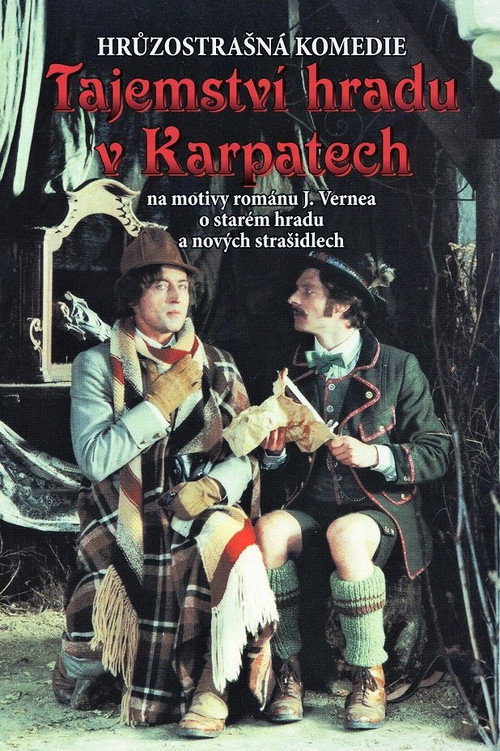
In 1897, in a castle near the town of Werewolfville in the Carpithians, a slightly deranged Professor Orfanik experiments with his new inventions which include, even at this early date, television and a film camera. He is also an obsessed opera fan, keeps the body of his favorite diva preserved in a crypt in the castle. In order to keep away nosy visitors, the baron's mad-scientist assistant invents all sorts of spooky phenomena in order to give the castle a creepy reputation.
The story of the great strike of the workers building the Cervena Skala - Mergecany railway line
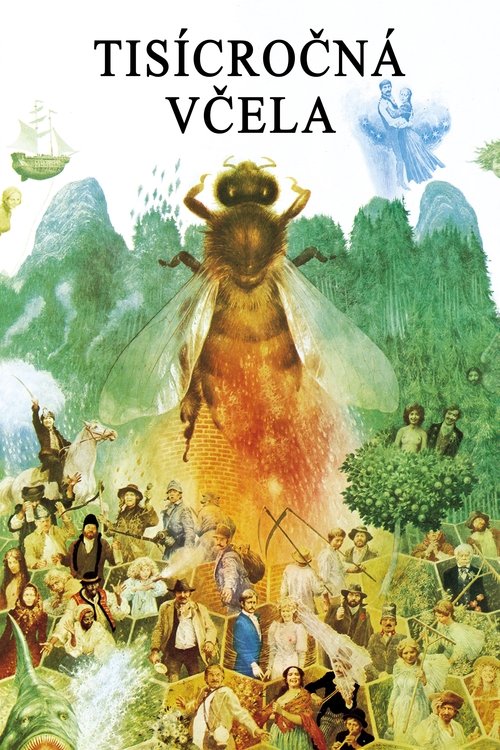
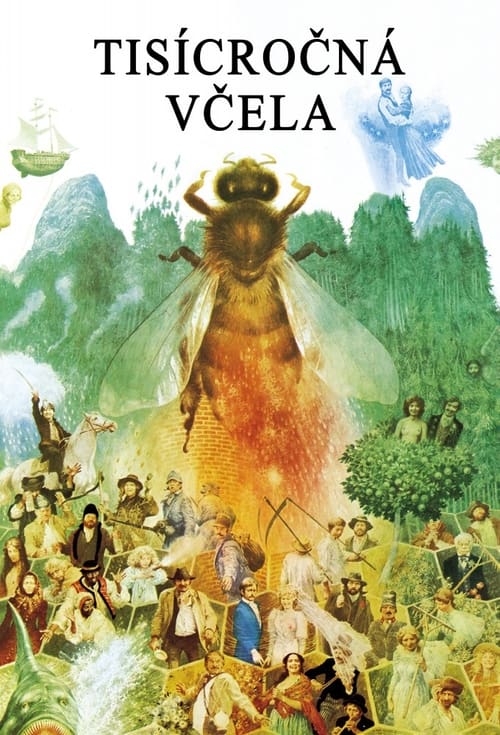
A family saga taking place mostly in a small Slovak village over a period of thirty years (1887–1917). The first part captures the life of Martin Pichandu in the development of his craft, masonry; in the second part, his son is center stage living in a period of socio-political crisis, which ultimately results in the first World War. After originally airing on Czechoslovakian television in 1983 as a four-part 226-minute mini-series, this production received a 163-minute theatrical release in 1984.
Charming country girl Anička Košáriková and the handsome Paľo share a tender, mutual affection, until Anička’s recently widowed mother forbids the match. Paľo is the son of the former steward who once fell on hard times while serving the Košárik family, and his family’s ruined reputation casts a shadow over their budding romance.