Acting
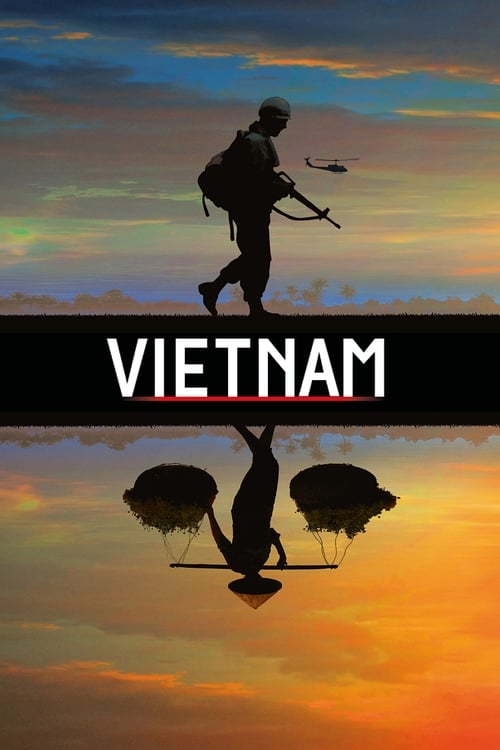
Initialement, la série documentaire américaine "The Vietnam War" retrace les trente années de soulèvements et de destructions de la guerre du Vietnam, qui firent plus de trois millions de morts, à travers les récits intimes de près d’une centaine de témoins. Elle est constituée de 10 épisodes d'une durée de 88 à 118 minutes. En 2019, Arte en produit une version sous le titre "Vietnam", constituée de 9 épisodes de 51 à 58 minutes. Ils conservent la même structure chronologique à l'exception de l'épisode 4 qui traite de la période de janvier 1966 à décembre 1967, couverte par les 4e et 5e épisodes initiaux.
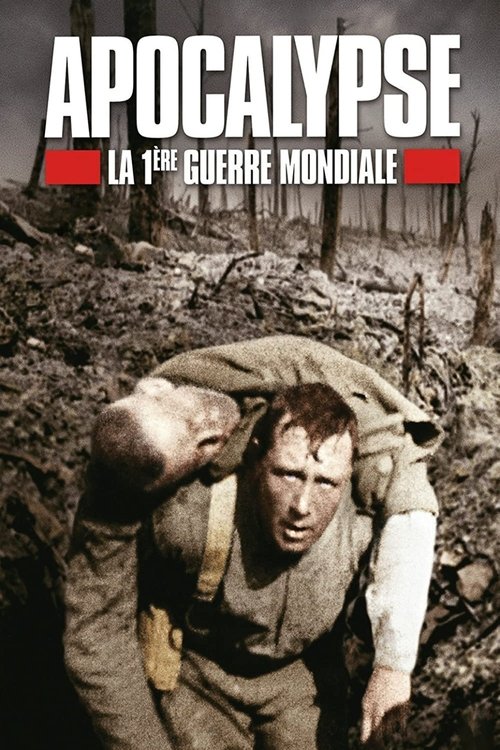
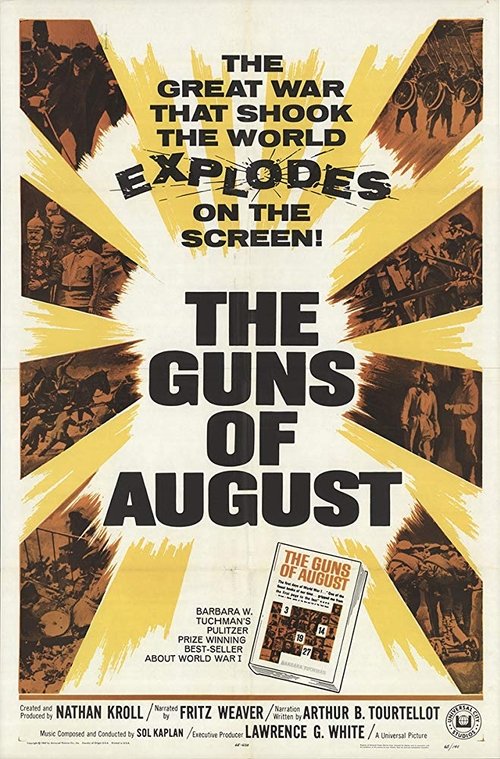
Le sacrifice d'une génération entière aurait-il pu être évité ? Comment un conflit aussi cruel et total a-t-il été possible ? Comment les hommes et les femmes ont-ils pu supporter cette horreur pendant quatre longues années ? La série Apocalypse la 1ère Guerre mondiale répond à ces questions fondamentales par une approche stratégique et globale, mais aussi et surtout par un regard intime et sensible, à hauteur d'homme. Réalisée à partir de plus de 500 heures d'archives cinématographiques, souvent inédites et mises en couleur, elle nous emmène sur les champs de batailles, dans la tête des gouvernants et des soldats, mais aussi dans le quotidien des civils à l'arrière.
Aucune description disponible.
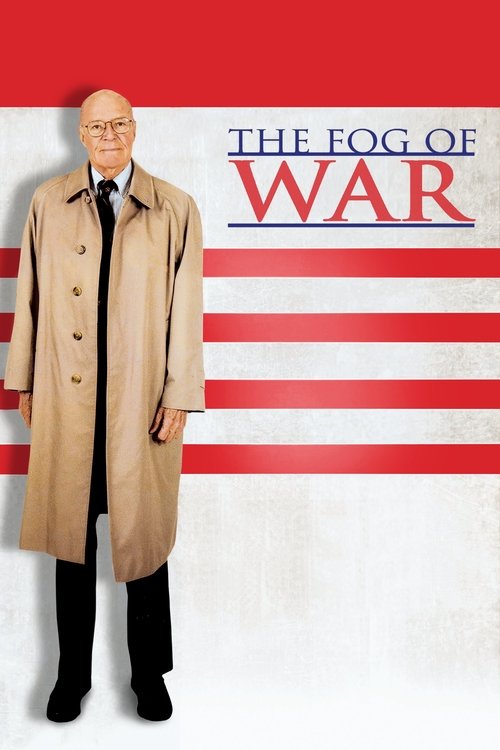
Ce documentaire est l'histoire de l'Amérique vue par l'ancien Secrétaire de la Défense américaine, Robert S. McNamara, personnalité parmi les plus controversées et les plus influentes de la scène politique internationale. A travers son analyse, nous redécouvrons les événements majeurs du XXe siècle. Du bombardement de 100 000 civils japonais à Tokyo en 1945 au risque imminent de catastrophe nucléaire pendant la crise des missiles cubains, en passant par les effets dévastateurs de la guerre du Vietnam, The Fog of War examine la psychologie et les raisonnements des décisionnaires du gouvernement qui ont envoyé les hommes au combat. Ce documentaire apporte également une vision essentielle à quiconque souhaite comprendre l'exercice du pouvoir et ses stratégies. Un essai puissant et dérangeant sur la guerre et la nature de l'Histoire de notre humanité moderne...
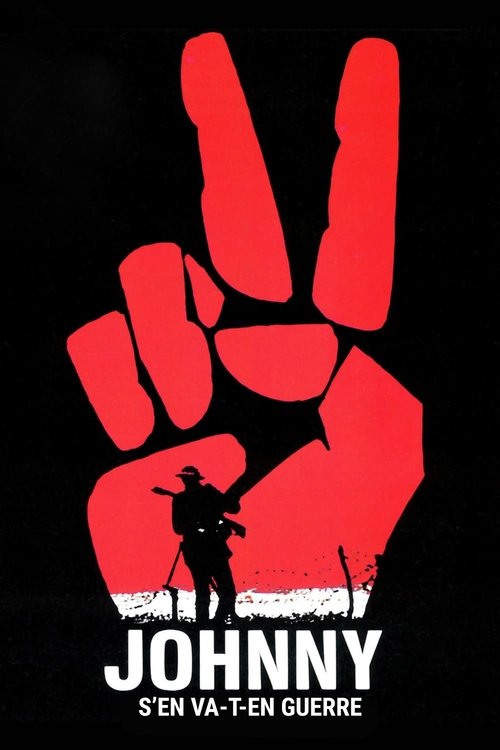
Durant la Première Guerre mondiale, un jeune soldat est blessé par une mine : il a perdu ses bras, ses jambes et toute une partie de son visage. Il ne peut ni parler, ni entendre, ni sentir mais reste conscient. Dans la chambre d'un hopîtal, il tente de communiquer et se souvient de son histoire.
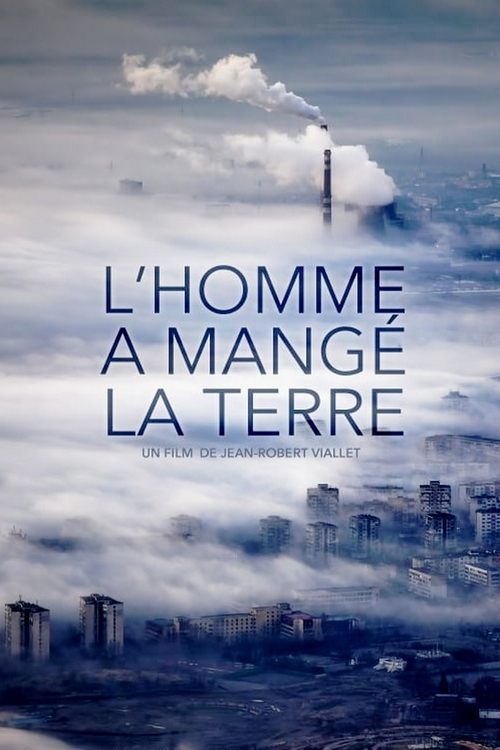
De la révolution industrielle à aujourd’hui, un décryptage minutieux de la course au développement qui a marqué le point de départ de l’ère de l'anthropocène (ou l'ère de l'Homme) et de la détérioration continue de la planète.
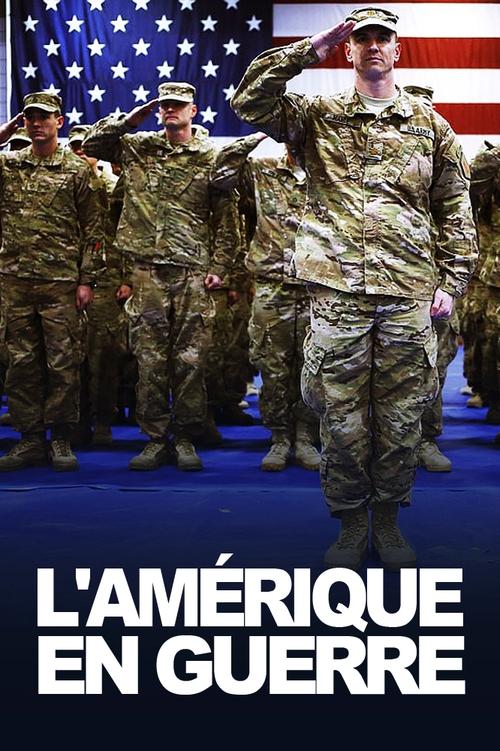
À l’heure où Donald Trump menace de mettre en oeuvre ses visées expansionnistes, Pierre Haski nous propose une plongée passionnante dans l'épopée militaire de l’Amérique, nation née dans la guerre avant de s’imposer tardivement en "gendarme du monde" – un rôle désormais contesté.
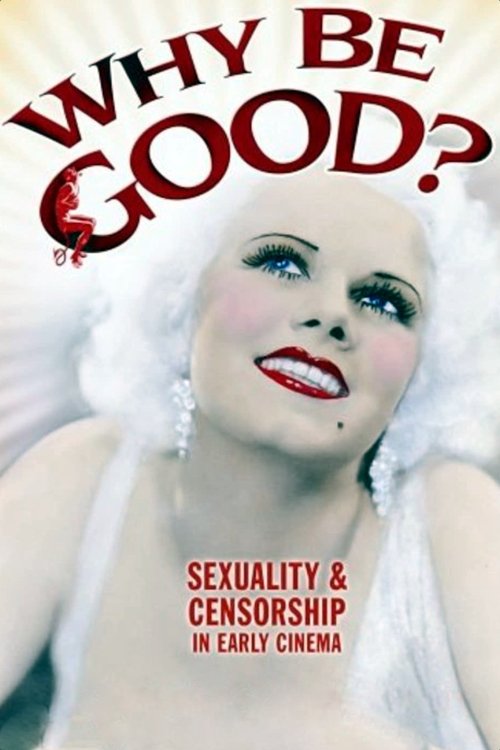
Ce documentaire examine la sexualité galopante des début d'Hollywood à travers des extraits de films et des témoignages de stars de l'époque comme Gloria Swanson, Mary Pickford et Marlene Dietrich.
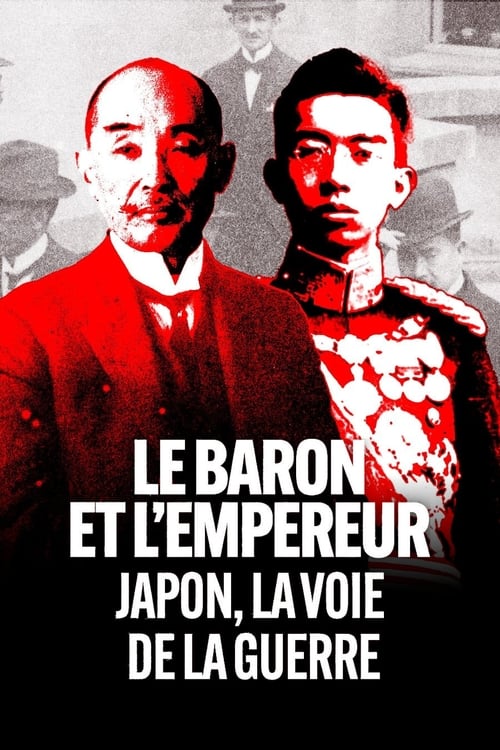
Né en 1861, le baron Makino Nobuaki fut un homme politique et fonctionnaire de la cour impériale. Ses mémoires ont décrit l'évolution de la société japonaise, passée d'un système féodal à une puissance industrielle et à un État moderne. Dans les années 1930, le baron Makino, devenu le conseiller en chef de l'empereur Hirohito, influence la position du monarque dans la société et l'élaboration de la politique japonaise. À ce titre, il essaye d'empêcher la militarisation et l'entrée en guerre du Japon, mais en vain. Son parcours éclaire les différentes étapes que le pays traverse durant cette période peu connue qui l'a entraîné dans le conflit et ses conséquences.
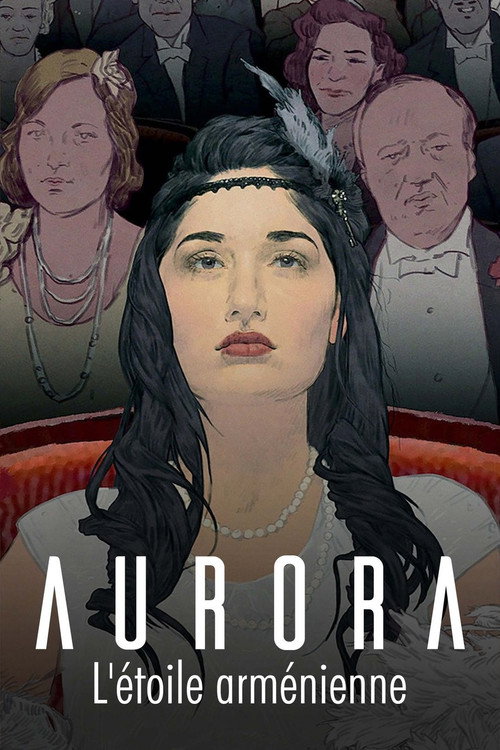
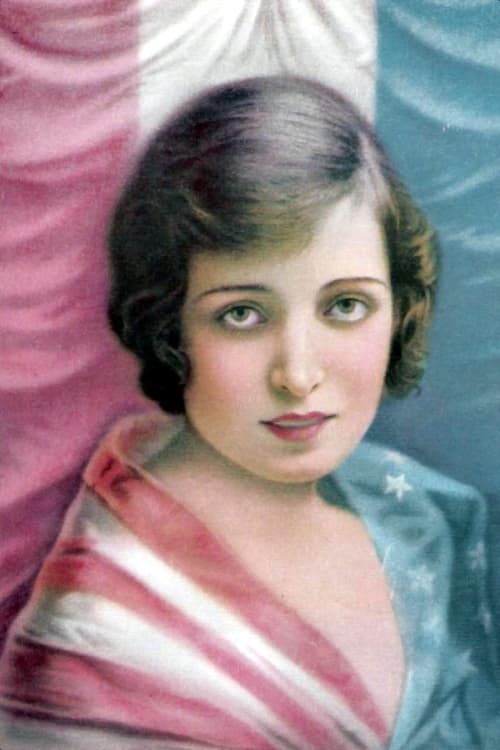
L'histoire d'Aurora Mardiganian (1901-94), survivante du génocide arménien perpétré par l'Empire ottoman (1915-17), devenue une star du cinéma muet hollywoodien.
Comment peut-on contrôler les masses ? Apparemment, le publicitaire américain Edward L. Bernays (1891-1995), pionnier dans le domaine de la propagande et des relations publiques, connaissait la réponse à une question aussi importante. L'histoire étonnante du maître de la manipulation et de la création de l'ingénierie du consentement ; une histoire vraie effrayante sur la publicité, les mensonges et les charlatans.