Catherine Bainbridge
Writing
Biography
Catherine Bainbridge is the co-founder, executive producer, and VP of business and creative development at Rezolution Pictures. She directed the Emmy-nominated, Sundance and CSA award-winning feature doc, RUMBLE: The Indians Who Rocked the World, and co-directed the Peabody and CSA award-winning feature doc, Reel Injun. Catherine is also an executive producer on the Crave Original series, Little Bird. Through her work at Rezolution, Catherine has been instrumental in changing the narrative when it comes to diversity and representation in the entertainment industry.
Known For

As part of a racist government policy now known as the Sixties Scoop, Bezhig Little Bird is removed from her home in Long Pine Reserve in Saskatchewan and adopted into a Montréal Jewish family at the age of five, becoming Esther Rosenblum. Now in her 20s, Bezhig longs for the family she lost and is willing to sacrifice everything to find them.
Little Bird

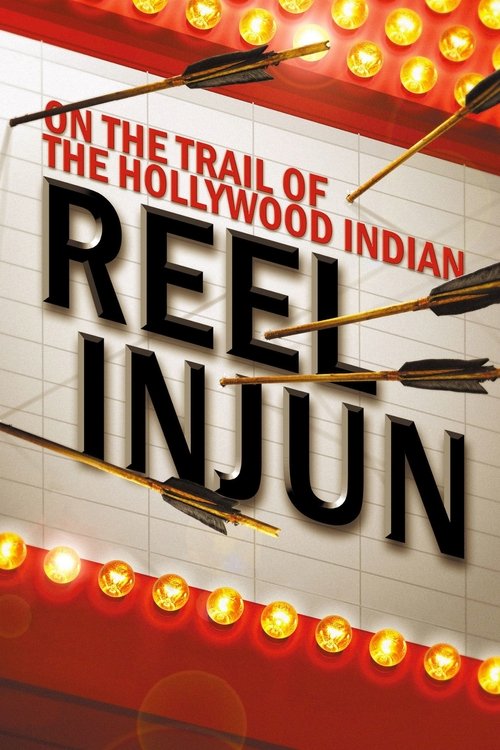
The evolution of the depiction of the various Native American peoples in cinema, from the silent era to the present day: how their image on the screen has changed the way to understand their history and culture.
Reel Injun

Documentary about the role of Native Americans in popular music history, a little-known story built around the incredible lives and careers of the some of the greatest music legends.
Rumble: The Indians Who Rocked the World

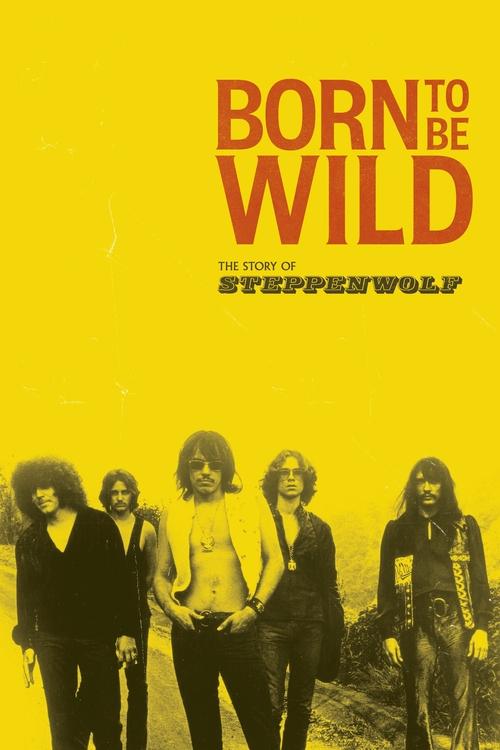
Steppenwolf is one of the most legendary and at the same time most enigmatic bands in the history of rock music. On the border between mainstream and psychedelic underground, their song "Born to Be Wild" became the anthem of an entire generation. The new, hard sound of Steppenwolf was a stab in the heart of the "Summer of Love" and put an end to the hippie era. It is no coincidence that they were the very first band to use the word "heavy metal" in their lyrics.
Born to Be Wild: The Story of Steppenwolf

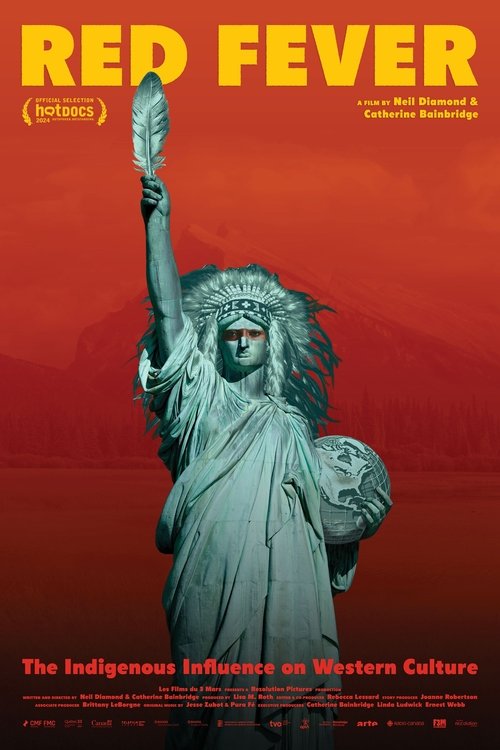
Red Fever is a witty and entertaining feature documentary about the profound -- yet hidden -- Indigenous influence on Western culture and identity. The film follows Cree co-director Neil Diamond as he asks, “Why do they love us so much?!” and sets out on a journey to find out why the world is so fascinated with the stereotypical imagery of Native people that is all over pop culture. Why have Indigenous cultures been revered, romanticized, and appropriated for so long, and to this day? Red Fever uncovers the surprising truths behind the imagery -- so buried in history that even most Native people don't know about them.
Red Fever

Smoke Traders is an inside look at the world of the Mohawk tobacco trade.
Smoke Traders

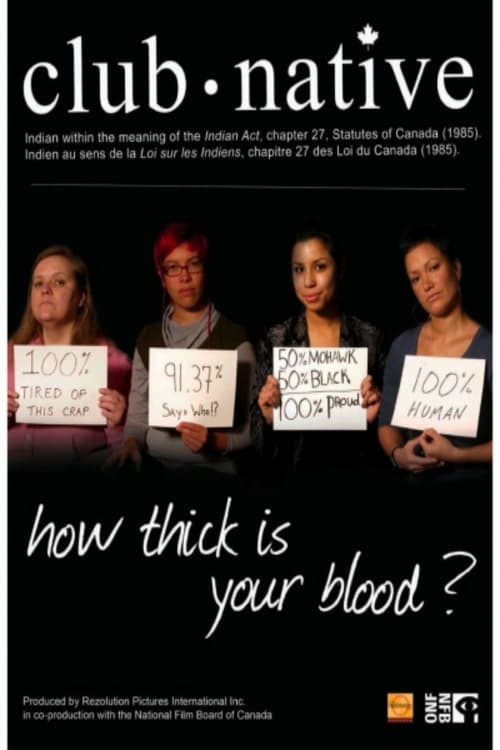
With moving stories from a range of characters from her Kahnawake Reserve, Mohawk filmmaker, Tracey Deer, reveals the divisive legacy of more than a hundred years of discriminatory and sexist government policy to expose the lingering "blood quantum" ideals, snobby attitudes and outright racism that threaten to destroy the fabric of her community.
Club Native

The Oka Legacy is a POV documentary that explores how the Oka Crisis has influenced Indigenous identity in Canada. In the summer of 1990, all eyes were on the small town of Oka, Quebec. Triggered by plans to expand a golf course on ancestral land, it was a standoff between the Mohawk people of Kanehsatake, the police and eventually the army. The Oka Crisis lasted 78 days and drew worldwide attention. The standoff had a profound impact on Indigenous peoples in Canada setting the tone for Indigenous resistance throughout the ‘90s.
The Oka Legacy
A short documentary depicting the tense, often brutal events of the summer 1990 confrontation between Mohawks and the Quebec Provincial Police and the Canadian Armed Forces at Oka, Quebec.
Okanada: Behind the Lines at Oka
One More River: The Deal that Split the Cree is a Gemini Award-nominated documentary about the decision making process of Quebec Crees to allow another mega-hydro project to be built on their land. This dramatic, behind-the-scenes look at the deal that split the Crees, dispels romantic notions of how decisions are made in Indigenous communities.