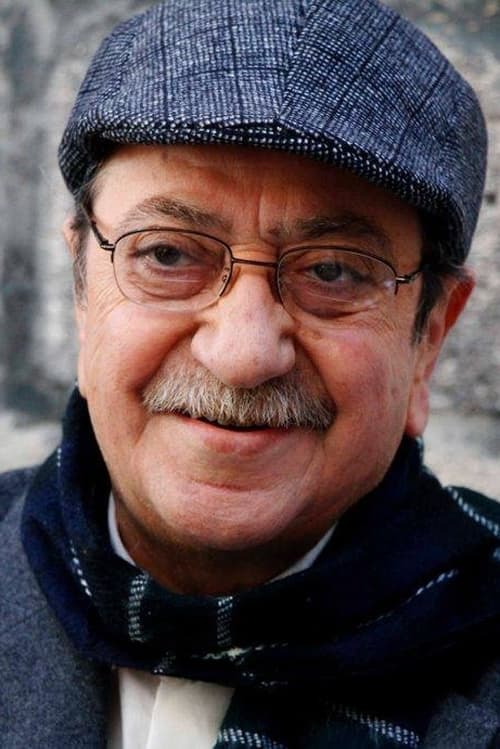
Duraid Lahham
Acting
Biography
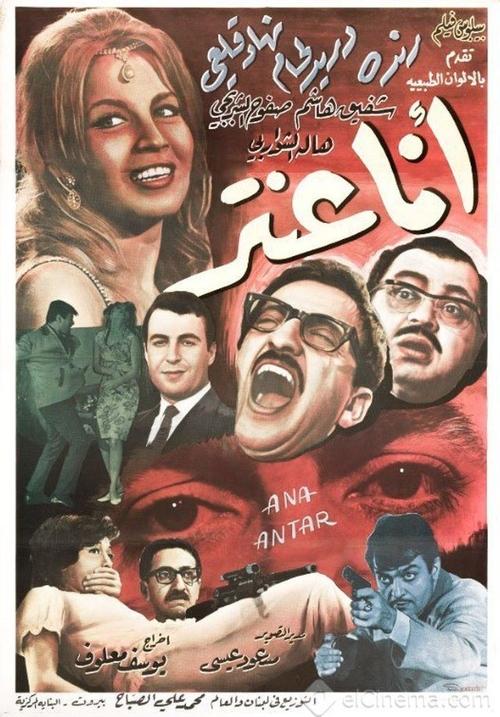
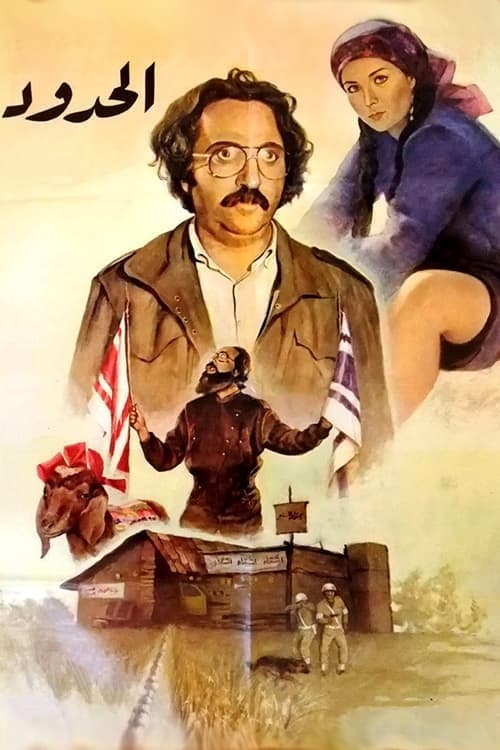
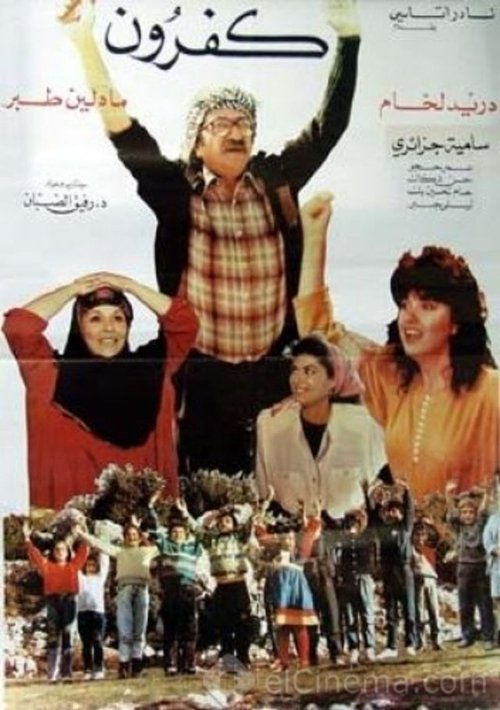
Duraid Muhammad Hassan al-Lahhaam is a Syrian actor-director born in al-Kumayreyya, Damascus in 1934. His talent appeared in 1958 on the university stage at the faculty of Science where he majored in chemistry and later taught it. His artistic career began in the sixties, when the director Sabah Qabbani offered him to participate in Damascene Night (سهرة دمشق). At the same time, he formed an artistic duet with the artist Nihad Qalei until the mid-seventies, he also cooperated with the poet and playwright Muhammad Al-Maghut in several successful works. He created the Syrian character called “Ghawwar al-Tawsheh” who became a household name in Syria and the Arab world. Among his plays, as actor-director, are Cheers, My Homeland (كاسك يا وطن), Ghorba (الغربة) and October Village (ضيعة تشرين). Among his television works are Hammam Al-Hana (حمام الهنا), My Family and I (عائلتي وانا) and The Return of Ghawwaar (عودة غوار). The Borders (الحدود) and The Report (التقرير) are among the films he directed.
Known For

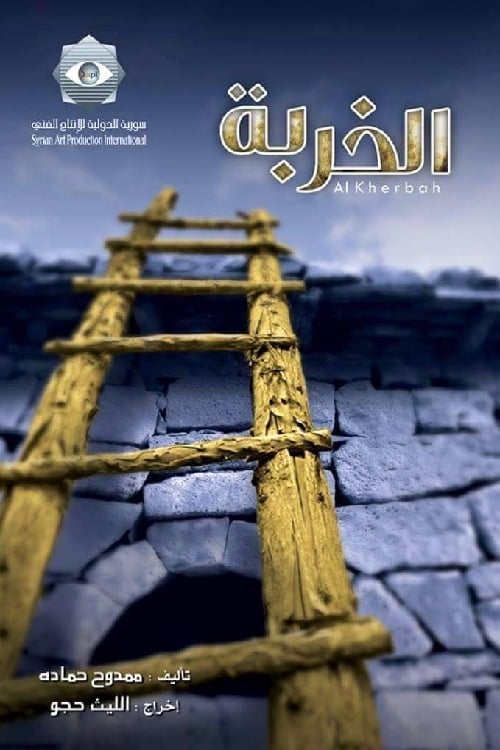
The events takes place in the village of (Al-Kharba), near Al-Suwayda Governorate, as it highlights the lives of two families living in the village within a comedic framework.
Al Kherba

Amidst an intense political battle for power and social dominance in a Damascene neighbourhood under French rule, a young aspiring actress gets the opportunity of a lifetime to star in the first film ever made in Syria.
Roxy Nights

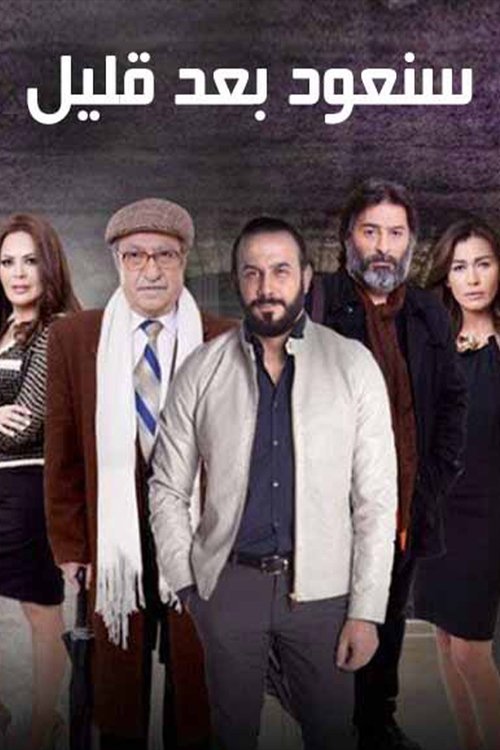
Ammo Najeeb, a respectable elder is hopeful to reunite with his family. After suffering a health episode, he travels to Lebanon to live among his children, who are living a lifestyle that pleases no one whatsoever!
We Will Be Right Back

An epic love story between a well-to-do blind girl and a rebel, set against a historical background spanning 60 years of conflicts, secrets and intrigue.
Chicago Street

A father of four who works for the Police and his wife dreams that he finishes his university education so he can get promoted, joins the university but drops out after his wife dies. He then works as a cab driver and his children rent a room to (Amal) to increase their income.
The Young Parents

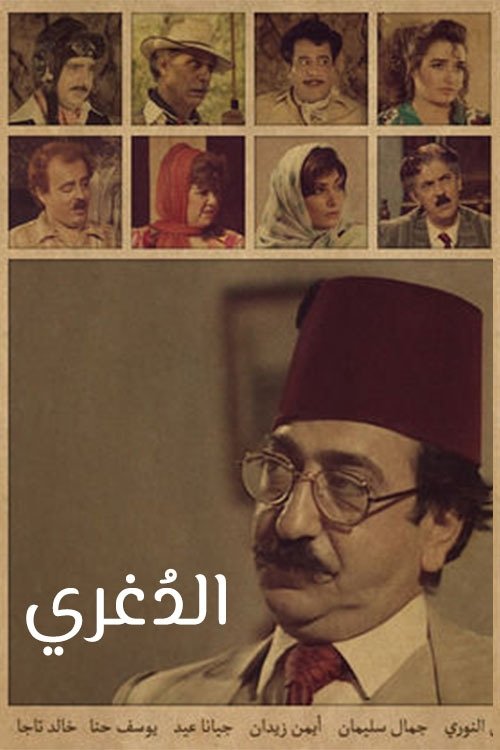
AlDaghari is a Syrian social comedy series, based on the story of Turkish writer Aziz Nesin, produced by Syrian Arab Television in 1992, directed by Haitham Haqqi. It tells the story of a fraudulent person who exploits the gullibility of the villagers.
Aldighri

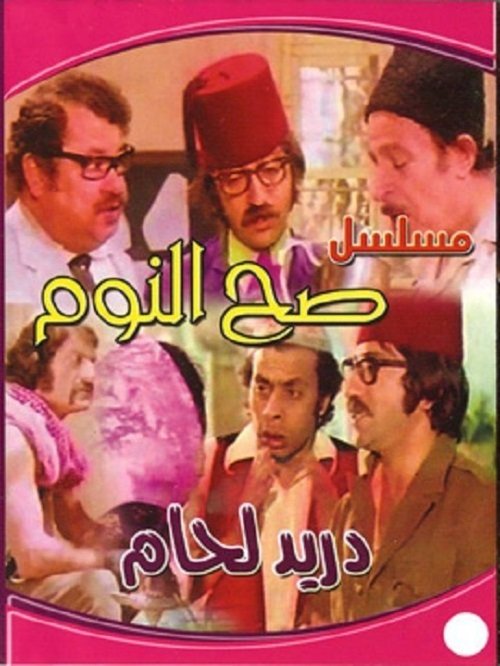
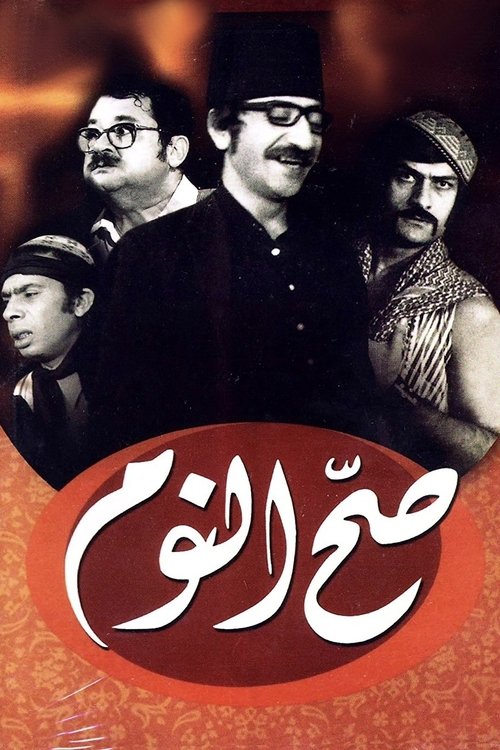
Few Arab comedy series have left a mark quite like Sah El Nom. Written by the brilliant Nihad Qalei, who stars alongside the irreplaceable Duraid Lahham, the show gave the Arab world two of its most iconic characters — the lovable, street-smart Ghawar Tawasha and the memorable Houssni Al Bourzan. Warm, witty, and deeply rooted in Damascene folklore, it's the kind of show that never really gets old.
Sah Al Nom

Saber Effendi works as a tailor for men, but his major problem is that he suffers from a great depression because of his lack of fashion and refuses to develop his ideas about fashion until his wife, Huda, who works in a Syrian magazine interested in fashion, suggests that he change his activity to become a tailor for women rather than men. Implementation plan.
Womens' Tailor

A Syrian comedy drama series that revolves around (Fatoum), the owner of the (Sah Al-Nom) Hotel, where most of the events of the series take place. Both (Ghawar Al-Tosha) and (Hosni Al-Borzan) fall in love with (Fatoum), and pranks and adventures occur between them in order to win With her heart.
Sah Al-Noum

The series deals with the life of the simple man, Abu Al-Hana, who is constantly exposed to unenviable situations, and grows when he begins to search for solutions to them, for he is a simple and kind-hearted person, but he has self-confidence that makes his wife Umm al-Khair always obey him, and he is a ninth-degree employee in a government department.
Abu El-Hana's Dreams

The Arab world's most beloved rogue is back. In this long-awaited return, Duraid Lahham resurrects his iconic Ghawar Tawasha — this time wrongly accused of murdering his wife and thrown behind bars for decades. Upon his release, he walks into a Syria grappling with the harsh economic realities of the nineties, determined to find his daughter and prove his innocence. Equal parts comedy and drama, it's warm, funny, and quietly heartbreaking — a homecoming worth waiting for.
Return of Ghawar

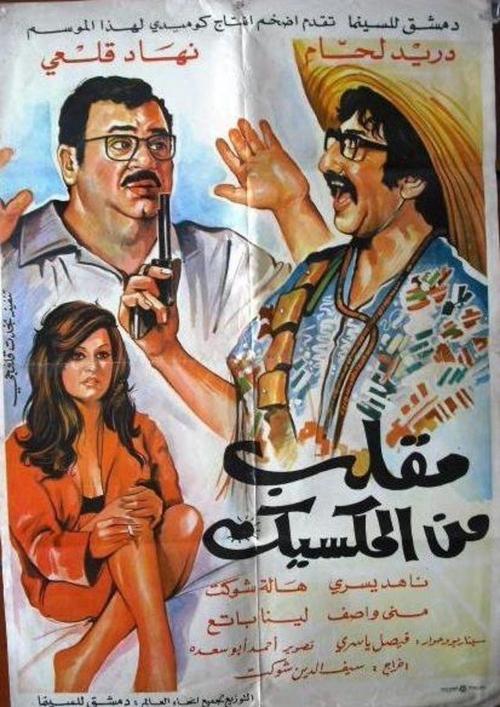
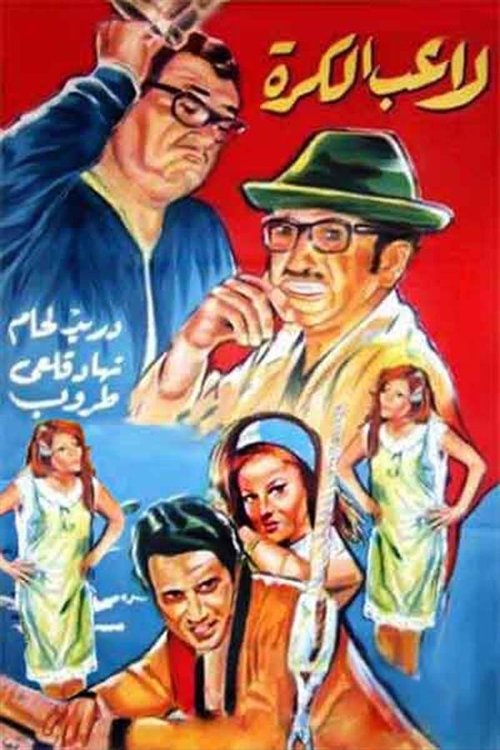
This vehicle for Syrian comedian Duraid Lahham offers the most risqué mad scientist subplot to be found in any of these Lebanese films, thanks to his character visiting the inventor of the Sexatron, a machine whose precise practical purpose remains sketchy, although the method for causing it to blow up is outlined clearly enough in the screencaps below. This sequence evidently tested the censor's limits and contains three splices in the Lebanese version of the movie; it may well have escaped uncut in the Turkish edit of the film.
Ghawar The Football Player

Abu Razouq is a rich man, who discovers that he is infected with a serious and deadly disease, and worries about this matter; but his biggest concern is his legacy, and how his children and wives can share it, except for his son Razouq, who does not care about money, but his father. Abu Razouq helps his son with the trick that he has died, so that he knows who loves him for his person and who loves his money.
أيام الولدنة

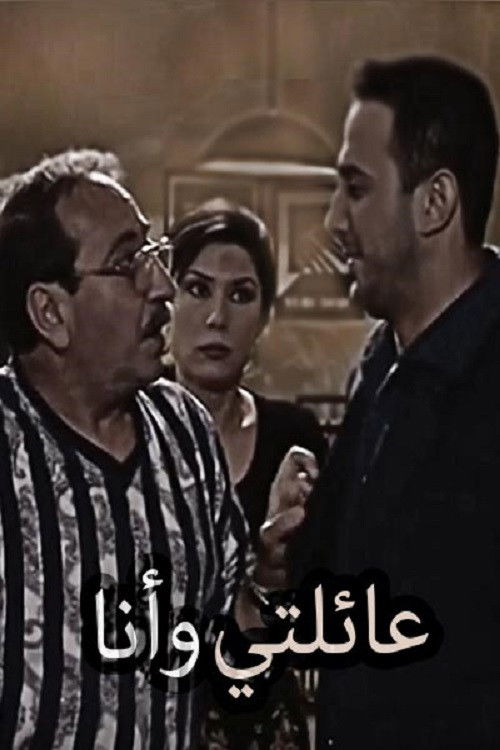
When an extremely wealthy family loses everything, the patriarch is forced to sell all his properties to pay off his debts to the merchants. He pushes his family to take on mundane tasks like washing carpets and cleaning vegetables to make ends meet.
My Family and I

A show centred entirely around Duraid Lahham's iconic character Ghawar Tawasha. An iconic Syrian comedy series where Ghawar gets up to his classic mischief and pranks, leaning into the slapstick, street-smart humour that made the character so beloved across the Arab world.
Ghawar's Pranks

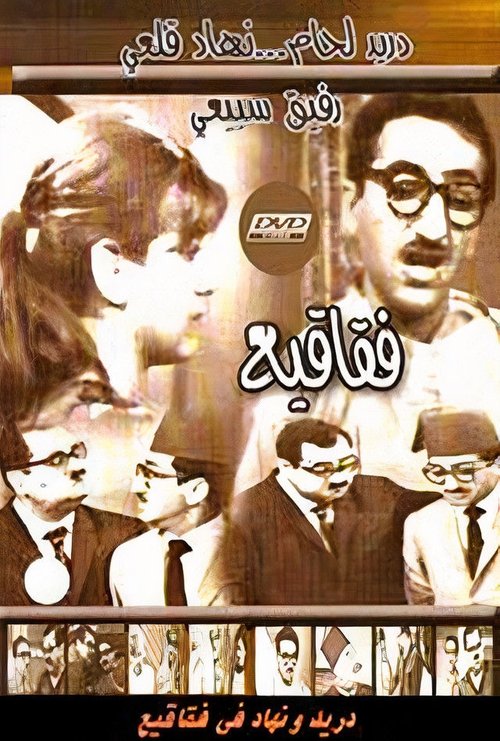
The series discusses a variety of social issues within a framework of separate episodes, and through a series of comedic events that simulate society, such as hypocrisy, science, and other issues
Faqaqie

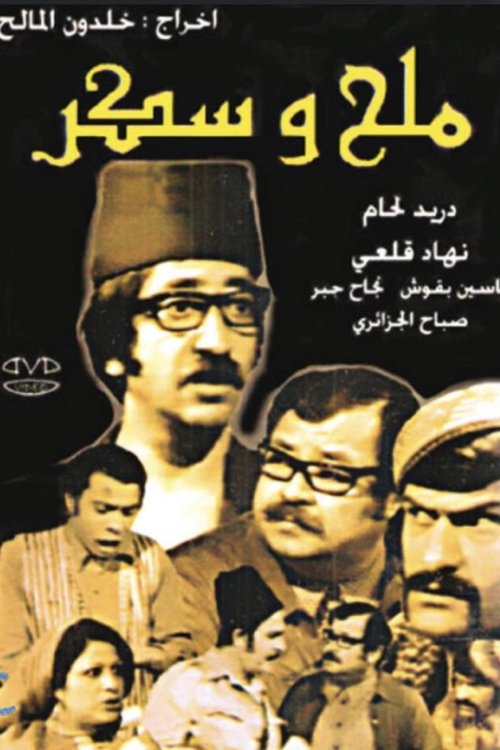
“Salt and Sugar” is the first Syrian work shown on Syrian television in 1973 during the month of Ramadan, and its events take place inside the prison when the social worker (Sabah Al-Jazairi) visits the prison to search for the cause of the prisoners’ delinquency, and (Dhiab Mashhour) sings the song “Alamaya,” and remembers Ghawar Al-Tosha (Duraid Lahham) is his mother and longs for life outside the bars. He sings his famous songs “Lou Lou Lou” and “Oh my beloved woman, ya mo.” The artist Dhiyab Mashhour also sings “Ya Abourdin.” The artist Taroub also presented two songs, “Tik Tok,” as part of a competition organized by Hosni. Al-Borzan (Nihad Qalai) inside the prison, through a Syrian comedy act starring Duraid Lahham and Nihad Qalai, in collaboration with Yassin Bakoush, Naji Jabr, Najah Hafeez, Abdul Latif Fathi Sabah Al-Jazairi and others, and the work is directed by Khaldoun Al-Maleh.
Salt & Sugar

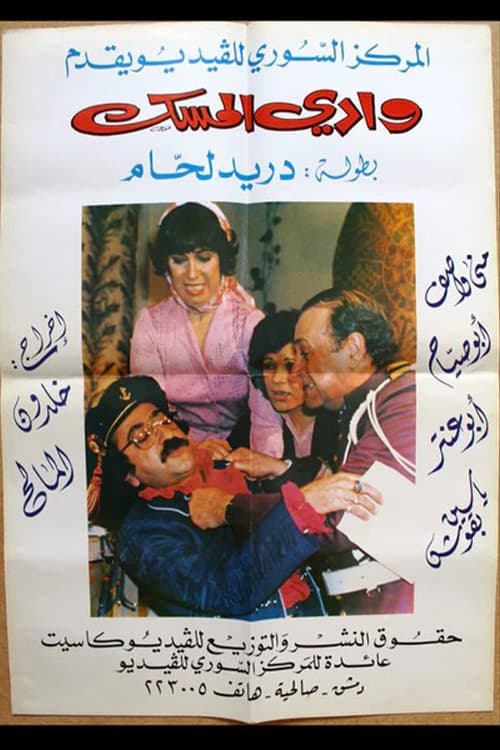
No description available.
Wadi Al-Mesk

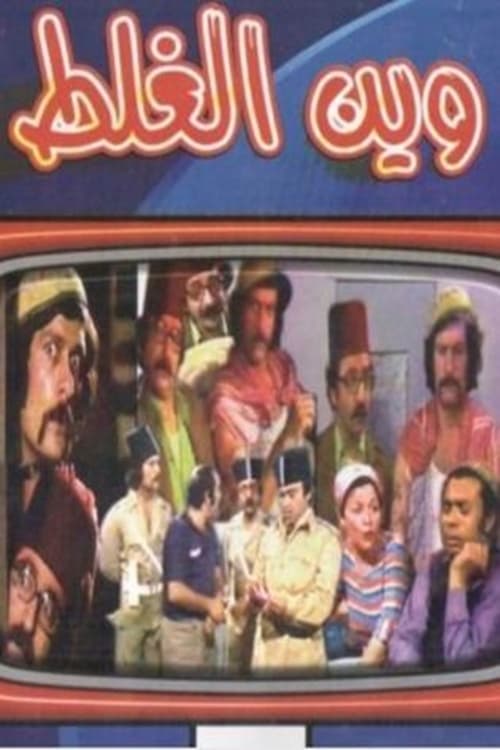
A comedy that examines absurd scenarios relevant to the life in Syria.
Wayn Al-Ghalat

Queen Nazli's daughter disappears at a young age, and the queen dies without seeing her. The heirs take advantage of the disappearance of the daughter to divide the wealth among them, but when the daughter suddenly appears, they try to stop her from having the wealth.