Acting
Karess Bashar is a Syrian film and television actress.
A man entrusts Abu Al Makhraz with a huge sum of money and disappears. When Abu Al Makhraz dies, his family finds themselves pitted against his relatives.
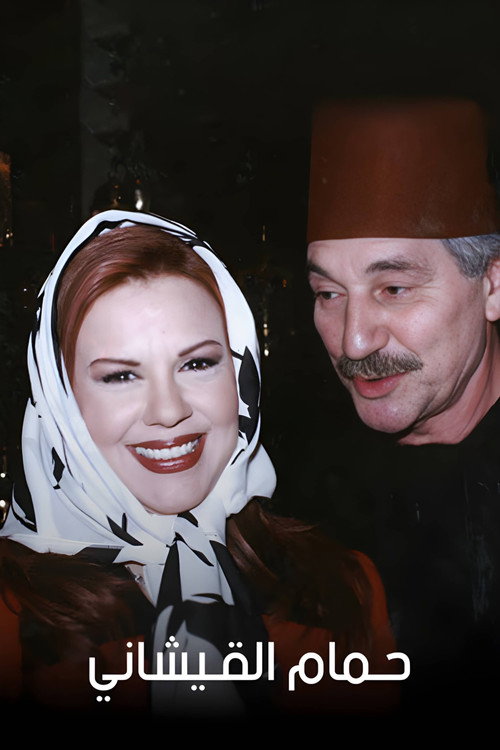
The series goes into details of the events that Syria went through between the years 1955-1959, including the tripartite aggression against Egypt in 1956, the establishment of unity between Syria and Egypt, and the revolution against the monarchy in Iraq, through the Qishani neighborhood, where its people work as merchants, lawyers, doctors, intellectuals and other works.
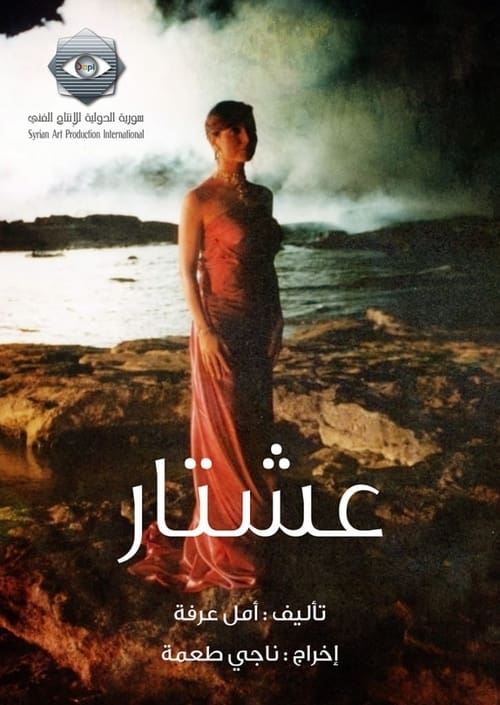
After her parents get divorced, Ishtar goes to live with her grandmother. When her grandmother passes away, she leaves the house to Ishtar , but her boyfriend tricks her into writing it over to him. She then goes to her aunt, who introduces her to the world of art through her voice.
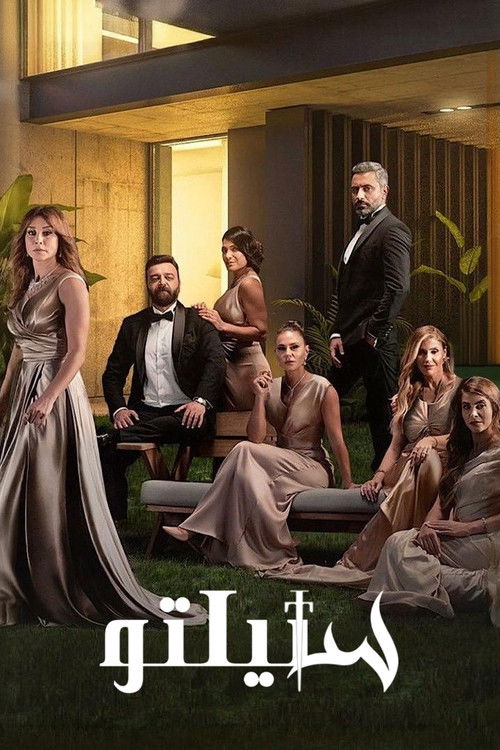
A body falls from the top floor at a glamorous party in Beirut's wealthy elite. Detective Rami begins questioning the guests and quickly discovers that four women — Falak, Alma, Joelle and Nayla — are bound together by a web of secrets, betrayal and hidden history. A glossy Lebanese murder mystery set among the privileged class.
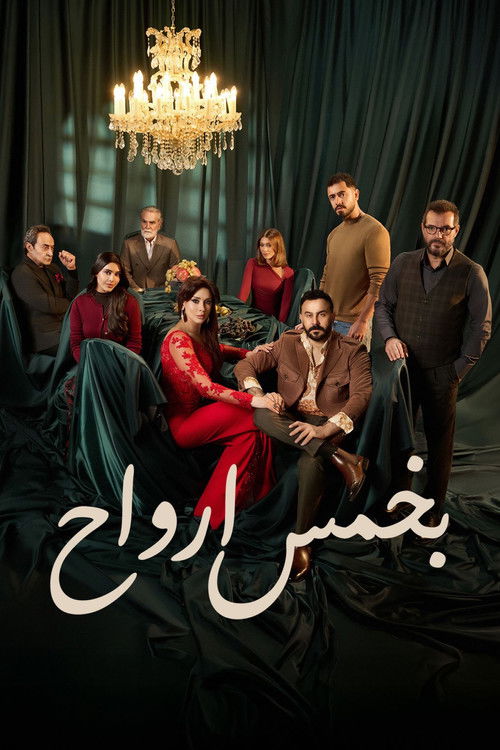
Four brothers, each living a life filled with fear and isolation: Akram (Abdel Moneim Amayri), the eldest brother, is an employee who appears committed and reserved, but in reality suffers from a sexual complex that causes him to fail in his repeated attempts to get engaged; As for Lamis (Caresse Bashar), she is a teacher involved in a forbidden love affair with her friend’s husband; she works to ruin their lives so she can be alone with her lover. As for Hosam (Rami Hanna), is a computer teacher who falls in love with Najwa, a relationship that changes his negative view of women. Basma (Maysoun Abu Asaad), a pharmacist searching for rational love, gets involved with Ghassan (Khaled Al-Qish), only to discover later that he is a deceiver; she breaks up with him and gets involved with someone else who is just as bad as he is. How will things end for these siblings? And will love return to set their lives back on track?
The series deals with the struggle Harun Al-Rashid faced when his brother Al-Hadi tried to dethrone him. After his mother helped him stay in his position, he had to deal with all the plots that were coming his way. The show also examines the civilization under Harun Al-Rashid's rule.
No description available.
The series discusses the stories of young university students, their reality during their studies, and the hardships and unknown fate they endure after graduation.
The show tells the story of a playwright, Jalal, who holds secular views, and his close friendship with Michel, his childhood friend. Michel initially worked as a lawyer but later transitioned to journalism, founding his own magazine in which he boldly addresses societal issues, drawing significant criticism. Additionally, the narrative explores themes of separating religion from civil and political life through a love story between a man and a woman from different faiths: Jalal (a Muslim) and Hanan (a Christian). Their relationship culminates in a secret marriage, which lasts until Jalal’s sudden passing. Throughout the story, the work focuses on two major issues related to secularism: the demand for a civil personal status law that permits civil marriage, and the call for a secular education system that allows students the freedom to seek their own truths instead of being indoctrinated with a predetermined "absolute truth." It also tackles issues of political and social corruption.
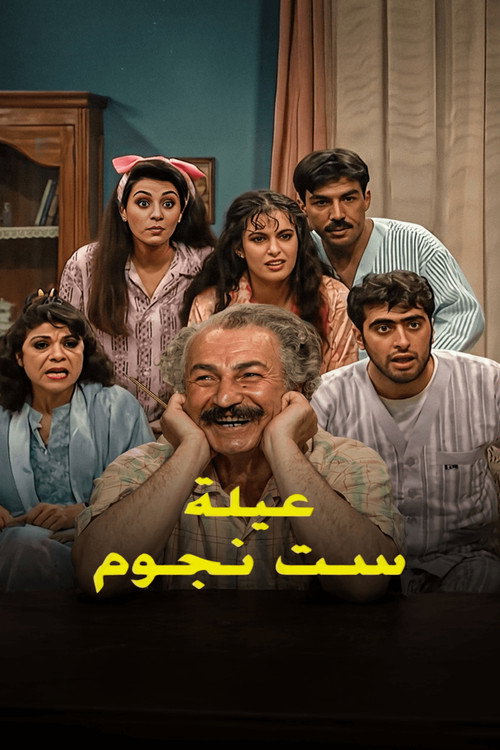
The series deals with social life and raises many important issues that the Arab society suffers from, such as authoritarianism, social pressures. It also presents the negatives and positives in a dramatic comic style.
This tragic series explores numerous themes set against the backdrop of the reign of Zenobia, the “Queen of Queens,” and highlights the wealth and grandeur of the Kingdom of Palmyra, its trade, and the kingdom’s significance during Zenobia’s reign. It also explores social classes—including the nobility, the Ashraf, the priests, and the laborers—and highlights some of the customs that prevailed regarding women from the Ashraf family, as well as the traditions, norms, and marriage practices of that era.
When Fardous, Gamil's mother, gets an apartment from a film production company as compensation for mistakenly using her name in a movie, her life changes completely as she becomes a reputable businesswoman and lives with her son and daughter, as well as their spouses, in the apartment.
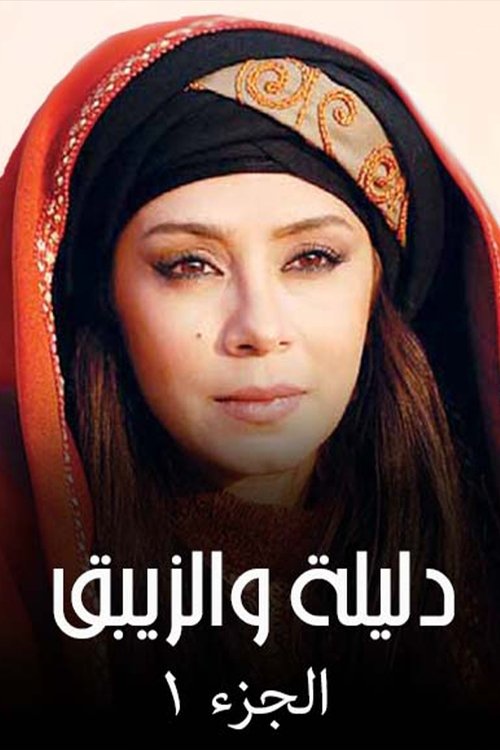
Dalila wal-Zaybaq (دليلة والزيبق) is a 2011 Syrian historical adventure series set during the Mamluk era, spanning Cairo, Baghdad, and Damascus. At its heart is a gripping battle between good and evil — Dalila, a cunning and ruthless woman who stops at nothing to achieve her goals, and Zaybaq, a brave young hero who rises to confront her wickedness after she kills his father. A lavish reimagining of a beloved classic from Arab folklore, starring Karis Bashar and Wael Sharaf.
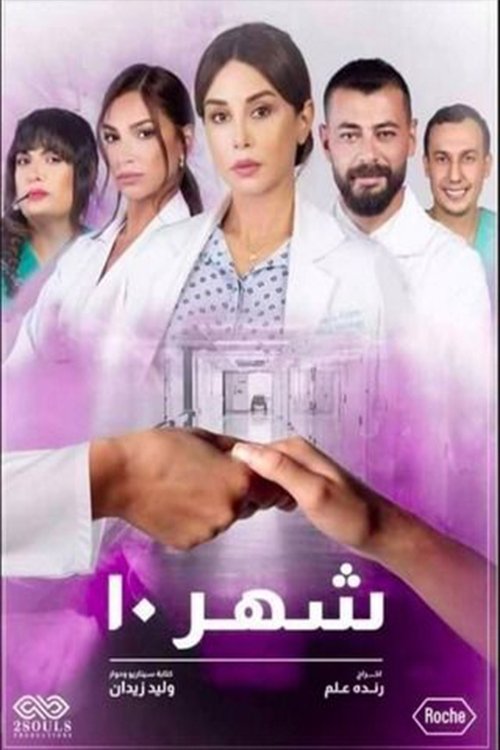
A thought provoking drama about a female doctor working in oncology who becomes emotionally affected by her patients and the constant presence of death. The pressure and emotional toll of her job slowly strain her marriage, leading to separation from her husband. After the breakup, both of them struggle with regret and unresolved feelings. The series focuses on love, loss, illness, and how a demanding career can affect personal relationships.
Known all his life as "the dead woman's son," Shams has never had much — until a staggering revelation turns his world upside down: he is the sole heir to a powerful tycoon's empire. But the inheritance comes with a dangerous condition. To claim his rightful identity and fortune, he must track down the four siblings his father coldly erased from existence. The clock is ticking, the stakes are lethal, and failure isn't just costly — it's a death sentence.
When the honourable officer Moussa discovers that his siblings are counterfeiting dollar bills, he’s caught in a moral trap: either let them face the criminal underworld or take the reins of a dirty game to shield them.
A Syrian social drama series that sheds light on a neighborhood in one of the slums in the vicinity of Damascus, around a poor family consisting of a mother and her four children, who strive to meet their needs and achieve their ambitions with the tools available to them, while focusing on solving future problems at the time, leaving them to chance, luck, mischief, whim, or influence.
The daughter of the quarter's chief, Khatoon pushed by love, rebels against traditions and wages confrontations with her family and the residents
The series revolves around politics and corruption in 1980s Syria. An aspiring university student is forced to become a police officer and climb the political ladder, revealing bitter truths along the way.
Al-Hakam is a powerful figure who built his empire on smuggling, corruption and exploitation during Syria’s war years. His son Rayan, an honest police officer, finds himself drawn into the very criminal networks his father operates within. A dark Syrian crime drama that explores war profiteering, systemic corruption and the human cost of conflict — using a fractured father–son relationship to examine how deeply these systems run through society.