
Mohsen Zayed
Writing
Known For
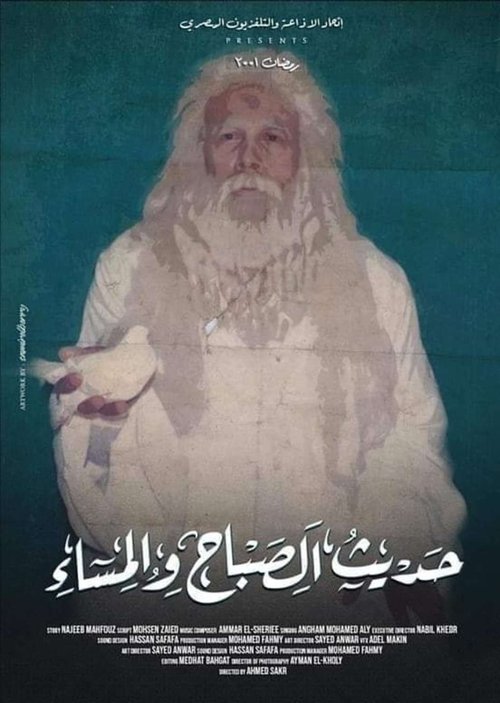
The latest that deals with the social and political history of Egypt revolves through three personalities, its children and grandchildren branches, and follows their conflicts, social roles, their human relationship and their different attitudes towards life and the homeland through the direct effects of economic interests on the relationships between the characters and the origins of these three trees.
Morning and Evening Talk
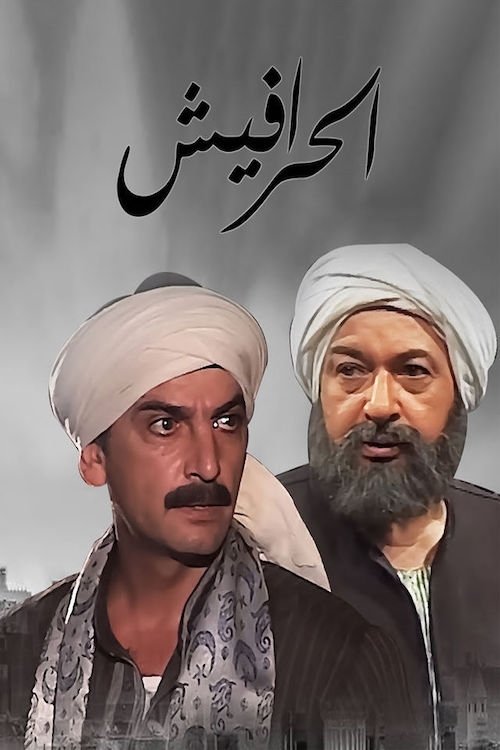
Based on the novel by Naguib Mahfouz (The Harafish), the series presents the biography of the popular hero Ashour Al-Naji and his family, as he represents a symbol of principles, values, justice, mercy and fairness to the simple.
Alseera AlAshouria: AlHarafeesh
As Ga'far rebels against his grandfather's domineering attitude and weds a poor shepherdess, his grandfather kicks him out. After a while, Ga'far weds a wealthy woman, kickstarting an existential crisis as he tries to define who he is.
Heart of Night

No description available.
الثلاثية

The film is an adaptation of a novel by Ismåeel Walieddin. The main character, Ahmad, leaves rural eastern Egypt for the city hoping to become economically self-sufficient, gets an apartment for his parents, and obtains a law degree. He and his family are refugees from a town occupied by the Israeli army, Ismaåilia. Ali, the owner of the Malatily Bathhouse, offers to let him stay there for free. Ahmad encounters several characters there, including Naåeema, a prostitute who he becomes obsessed with, and Raouf, a homosexual man.
The Malatily Bathhouse

Nawara lives in Darb Sa'da alley with the family of Hajj Ismail. In the neighborhood, the families share intertwining relationships as Nawara goes through her daily life. The experiences she encounters reflect what life is like inside the Egyptian household.
A Maiden

Amid the poverty, death, and suffering caused by World War II, 18-year-old Yehia retreats into a private world of fantasy and longing. Obsessed with Hollywood, he dreams of studying filmmaking in America but struggles to pursue his dream, given the constraints of his life in the middle class and the horrors of war.
Alexandria… Why?

The story of Mayor Abdul Razek al-Sharshabi (Omar al-Sharif) when his younger son, Tawfiq (Khalid al-Nabawi) is called for army recruitment, his wife (Safiya al-Omari), rejects it, suggesting to send someone else to go instead. So the Mayor persuaded a poor father named Abdul-Muqeem (Izzat al-Alayli) to send his only son Masrey instead.
Citizen Masrey
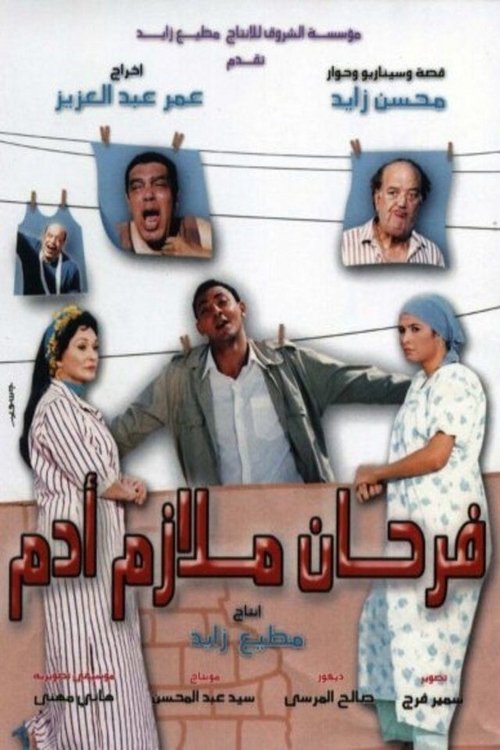
Farhaan Melaazem Adam leaves Upper Egypt to Cairo hoping to find a better life. But his dreams are shattered when forced to live in a poor neighborhood. He falls in love with Fotna, the daughter of a street food vendor, and he begins to forget his cruel life and undergoes another transformation.
Farhaan Melaazem Adam

Ja'far rebels against his controlling grandfather and marries the shepherdess Marwanah. When his grandfather kicks him out, Ja'far is unable to support himself and Marwanah so he leaves her and marries the wealthy lady Huda, but he begins to struggle to prove himself.
Heart of the Night

Hassanein Abu Sunna is released from prison after committing a murder. He persuades Ghobasha to rent his furnished apartment to the rich Radwan as the journalist Ahmed documents the changes taking place in the neighborhood in his articles.
Al Mawardi Cafe

The story of the friendship that develops between two men with quite different world views. One, a water carrier whose wife has died twenty years before, spends his days thinking about her. The other, who works in the funeral business, spends his life in the pursuit of pleasure because he recognizes that death will bring an end to all enjoyment. They meet and become friends. Through this friendship the water carrier is encouraged to change his morbid way of thinking and to enjoy life.
The Water-Carrier Is Dead
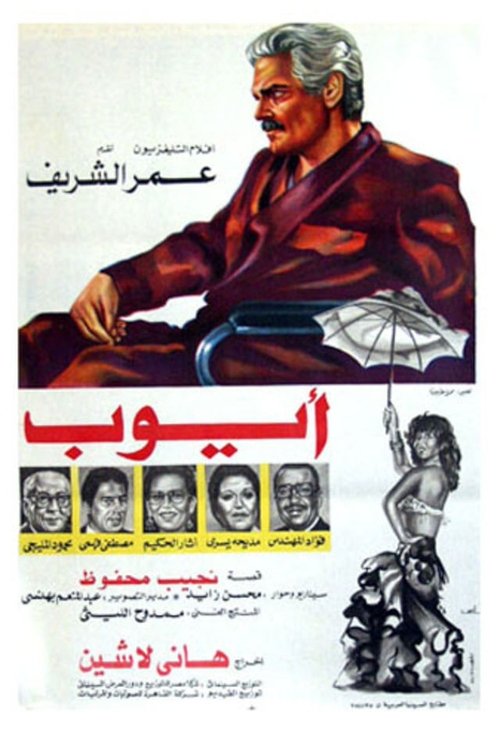
An aging man's intention to publish his biography has a lot of rich and powerful people worried what he might reveal.
Ayoub
No description available.
Banat Afkaary
No description available.
Alseera AlAshouria "AlHarafeesh"
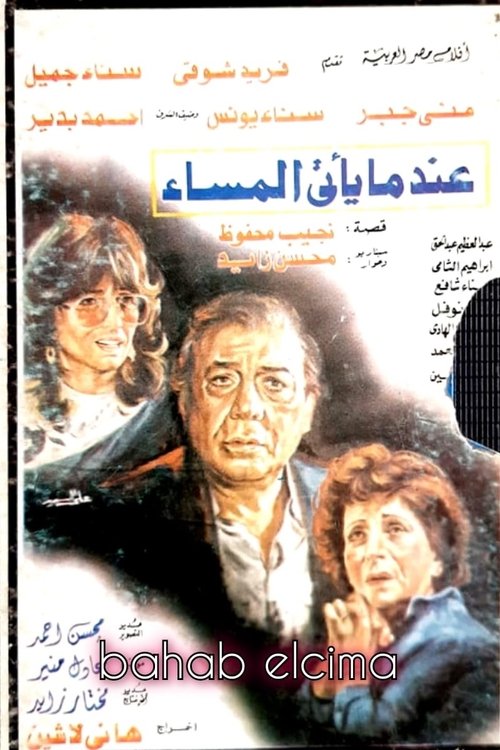
When a simple employee retires and lives with his wife who is different from him in character, and after his children get married, his wife is a controlling person who loves appearances, and he is a simple person who loves joking and modesty. His wife inherits a palace from one of her relatives, and events follow.