Karel Heřmánek
Acting
Known For
No description available.
Cesty domů
When a shadowy CIA agent uncovers damning agency secrets, he's hunted across the globe by a sociopathic rogue operative who's put a bounty on his head.
The Gray Man
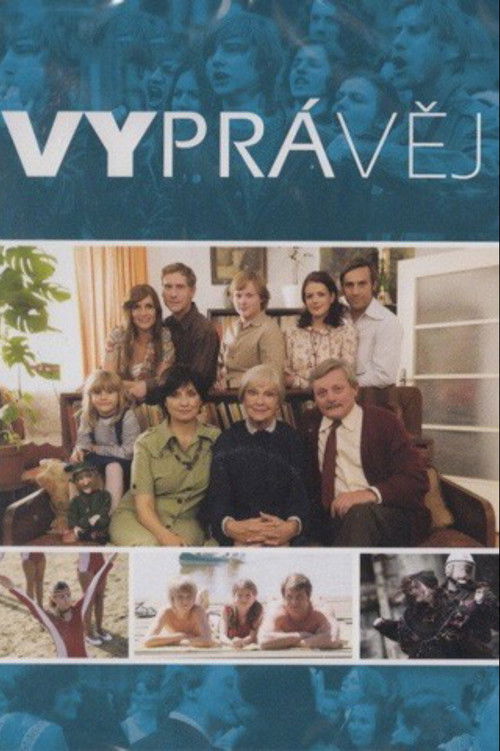
Set in Czechoslovakia, the drama follows the lives of its characters against the backdrop of real historical events that shape their personal stories. To evoke period atmosphere, the series intersperses authentic clips from vintage Czechoslovak film newsreels, using their original commentaries or newly recorded historical voice-overs by Vladimír Fišer. A narrator, initially voiced by Vojtěch Kotek and later by Matěj Hádek, provides continuity and reflection, guiding viewers through changing times. Under the guidance of screenwriter Rudolf Merkner, each episode’s script weaves family and individual dramas into key moments of Czech and Slovak history: political shifts, cultural trends, and social transformations from the 1960s onward.
Vyprávěj
No description available.
Polda
A German Platoon is explored through the brutal fighting of the Battle of Stalingrad. After half of their number is wiped out and they're placed under the command of a sadistic captain, the platoon lieutenant leads his men to desert. The platoon members attempt escape from the city, now surrounded by the Soviet Army.
Stalingrad
No description available.
Anatomie života
In December 1941, Czech soldiers Jozef Gabčík and Jan Kubiš parachute into their occupied homeland to assassinate Nazi officer Reinhard Heydrich.
Anthropoid
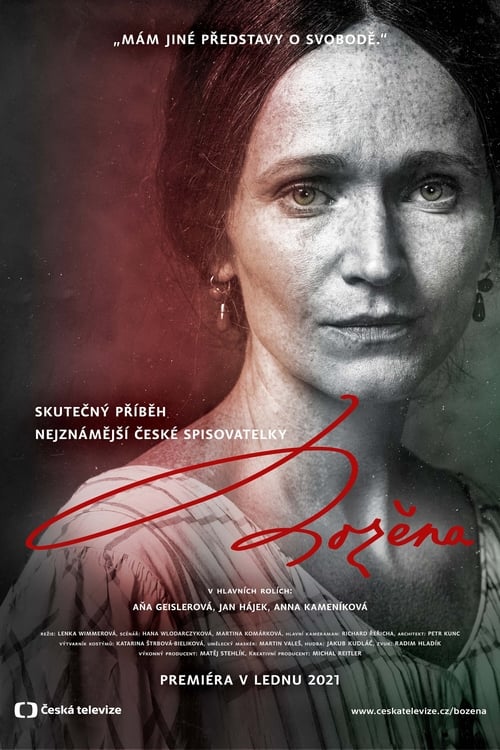
Biopic of Bozena Nemcová, a famous Czech 19th century writer and feminist, focused on her complicated on-off relationship with her husband Josef Nemec.
Božena
No description available.
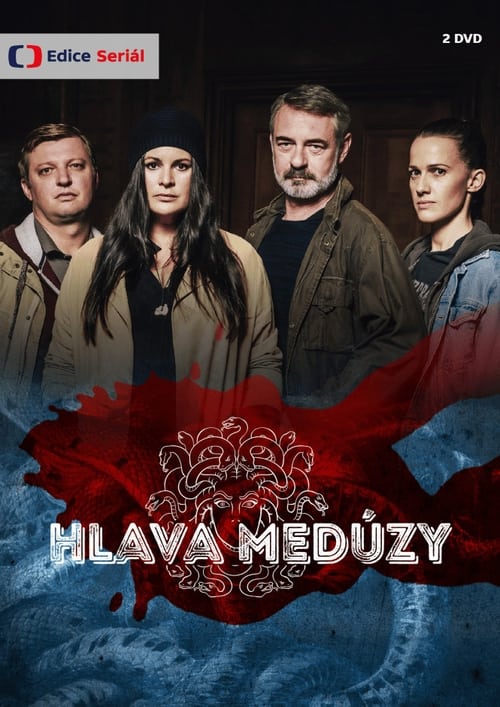
Hlava Medúzy
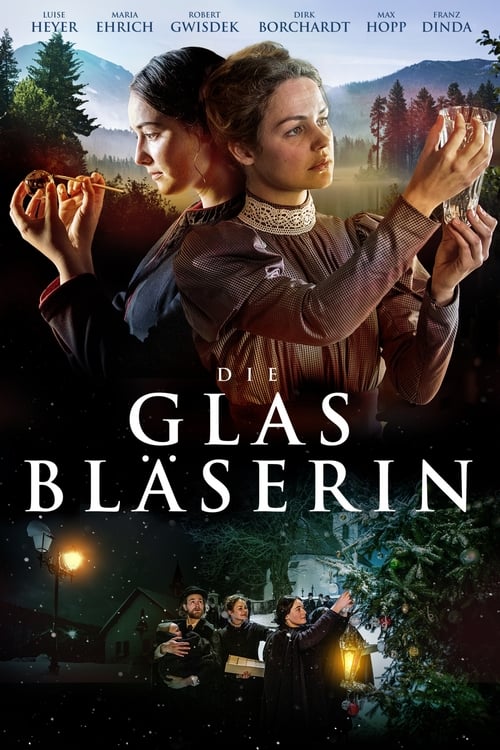
Marie violates tradition in a small German town of Lauscha, to become the first female glassblower in in 1890. Her glass ball decorations find a new market in America.
The Glassblower

The six-part drama directed by Tereza Kopáčová based on a script by Miro Šifra and Kristina Májová returns to a love story that traumatized several generations of Czechoslovaks. What preceded the infamous family tragedy of 1968? What followed it? Where can disrupted relationships in a closed rural community lead? What do we take with us as an inner legacy from our parents?
The Well
No description available.
Matematika zločinu
No description available.
O mé rodině a jiných mrtvolách
No description available.
Detektív Dušo
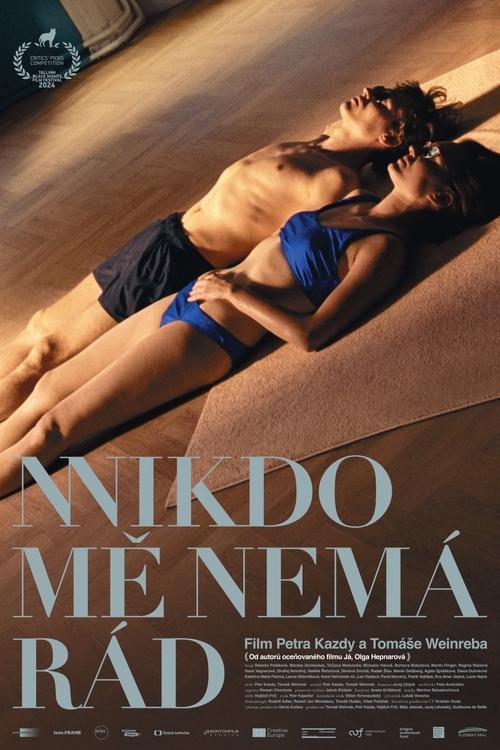
Sara has come to terms with her position as a detached observer of other people's lives. She is fascinated when she meets the gallant, graceful, and soft-faced Martin. Gradually, their connection grows, but when Sara wants to take their relationship to a deeper and more physical level, Martin shies away. He is hiding a deep secret. Refusing to accept his unwillingness to open up to her, Sara compels him to expose himself, and when he finally does, it turns out he is intersex, a hermaphrodite. Sara’s love remains strong, but when she unintentionally reveals Martin’s secret to her family, she discovers that her joy at the relationship has blinded her to the reality of how society deals with “freaks.”
Nobody Likes Me
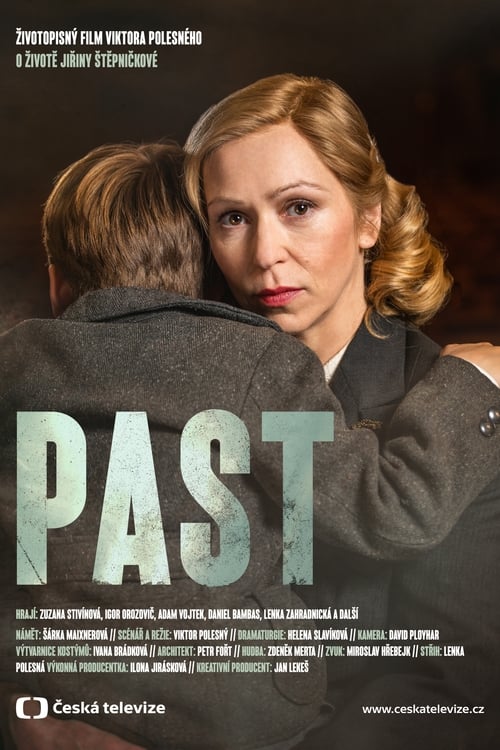
In 1951, the well-known Czech actress Jiřina Štěpničková receives a letter from Austria from director František Čáp, who has recently emigrated. He invites her to the West and promises her roles in theater and film. She decides to seize the opportunity and flee. Together with a small group of people and her young son Jirka, she entrusts herself to a smuggler and embarks on a risky journey across the border. But something goes wrong. They are caught. Everything had been planned in advance. The smuggler himself is a member of the StB. But that's only the beginning.
Past
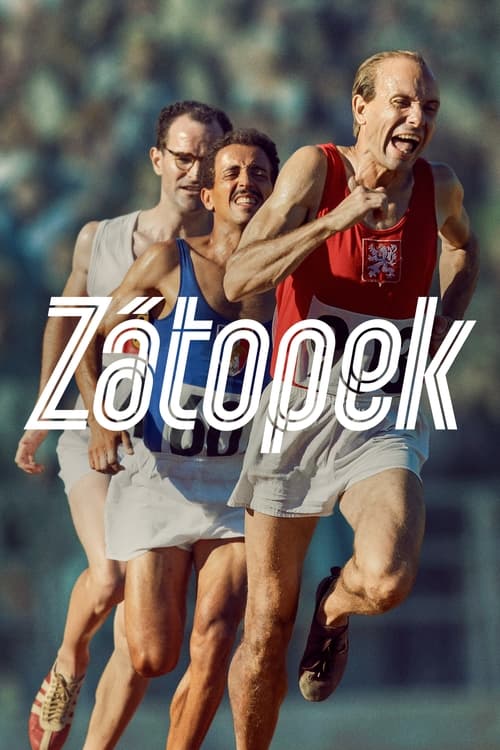
Autumn 1968, the Australian running record holder Ron Clarke is coming to Prague, hoping that his old friend and role model, Emil Zátopek, the most famous Czech athlete of all time, will help him overcome the biggest crisis of his career.
Zátopek
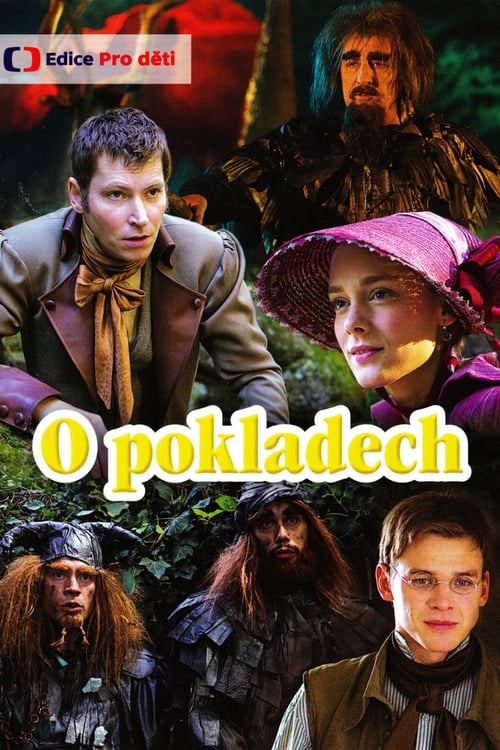
This fairy tale, full of humor and suspense, begins in a small town where preparations are underway for a theatrical performance. The play tells a local legend about enormous riches hidden deep underground. Many long to find them, but those who set out in search of them never return. The play features two sisters, Kačenka and Barborka, as well as Jakub, a musician and Barborka's jealous boyfriend. The theme of the play also attracts the miserly lord of the castle, Bořivoj Hájek z Hájku, who arrives with his brother Ignác, an eccentric inventor and researcher. And somewhere underground, near the real treasure, sit his three ghostly guards, passing the time by inventing all sorts of pastimes, which the Lord of the Underground does not enjoy at all. His patience will run out the moment the bored guards interfere with human destinies, because of a bet on how the love between Jakub and Barbora will turn out.
O pokladech
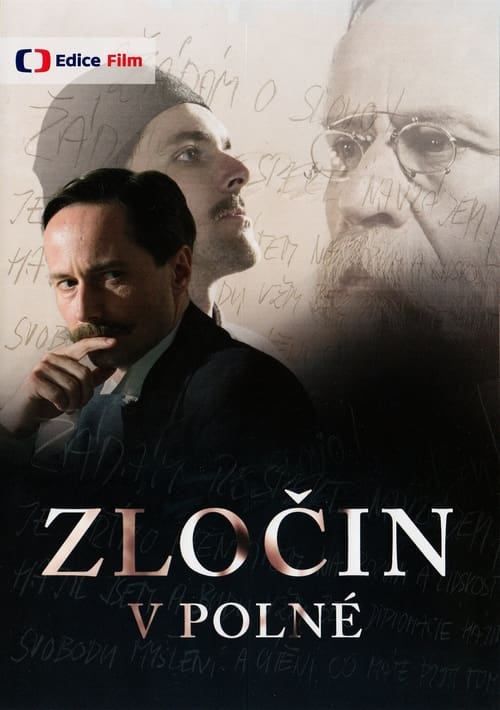
An exciting drama from a detective history. In 1899 a dead girl - seamstress Anežka Hrůzová - was found between the village of Věžnička and the town of Polná. She was 19 and she had a cutting wound on the throat. There was no sexual violence involved and since the local doctors thought that there was not enough blood on the crime scene, everyone jumped to the conclusion that Jews must have killed her and added her blood to their passover matzot. There was a potential murderer at hand too - a cheeky, not very bright young Jewish rover, Leopold Hilsner…
Zločin v Polné
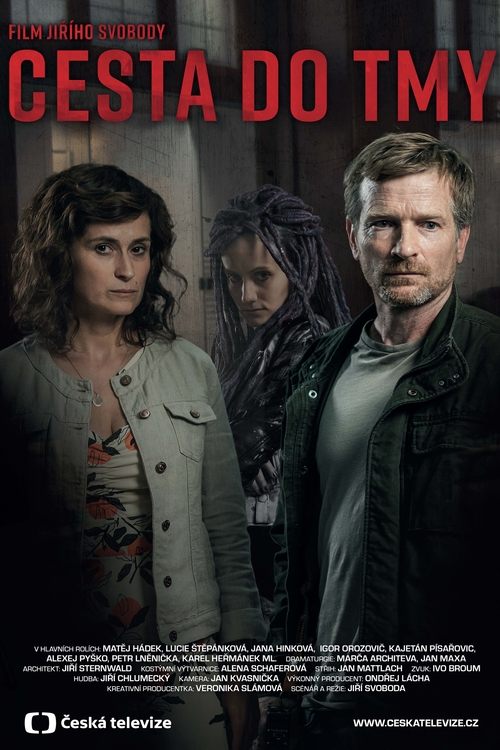
What led a former top scientist to rob a bank and hold a dozen hostages? Czech Television's crime thriller based on Martin Goffa's novel "The Little Girl" is squeezed into two environments - the interior of a robbed bank with hostages and the interior of a crisis management car, from where the police communicate with the mysterious attacker and try, like him, to play for time and find out more about him. The flashbacks also tell the story of the attacker's daughter Karin from the recent past, gradually revealing a connection with what is happening in the current storyline.