Peter Du Cane
Production
Biography
Peter Du Cane is a documentary film producer, director and writer. He was born in South Africa to an Australian mother and half-British half-French father. His family lived in Namibia for three years and Sierra Leone, West Africa for eight years, before moving to the UK. In 1983, he established an Australian documentary production company, Wildfilm Australia. Peter has worked with the Chinese documentary industry since 2004.
Known For
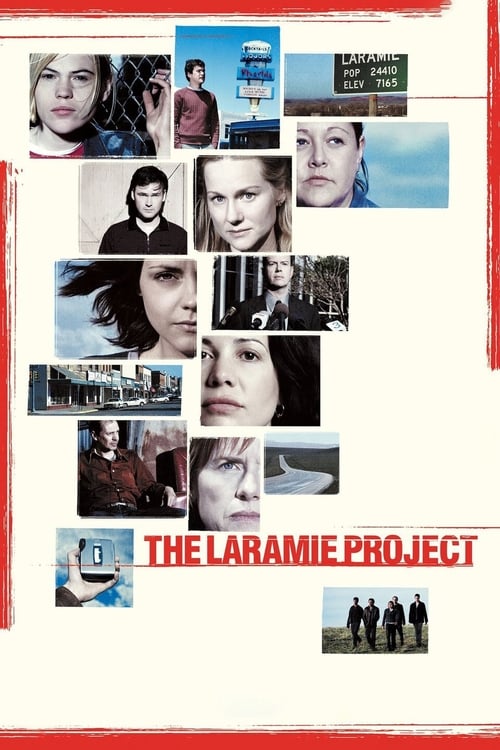
"The Laramie Project" is set in and around Laramie, Wyoming, in the aftermath of the murder of 21-year-old Matthew Shepard. To create the stage version of "The Laramie Project," the eight-member New York-based Tectonic Theatre Project traveled to Laramie, Wyoming, recording hours of interviews with the town's citizens over a two-year period. The film adaptation dramatizes the troupe's visit, using the actual words from the transcripts to create a portrait of a town forced to confront itself.
The Laramie Project
Like an antipodean version of Romeo and Juliet, it emerges that Warri and Yatungka became the last nomads because they had married outside their tribal laws and eloped to the most inaccessible of regions. In 1977 the land was stricken by a severe drought and their tribal elders mounted a search for them with the help of a party of white men led by Dr Bill Peasley and one of their own number, a childhood friend named Mudjon. The film takes Dr Peasley back into the desert to relive his momentous journey with Mudjon and culminates with poignant archival footage of the elderly couple found naked and starving.
The Last of the Nomads
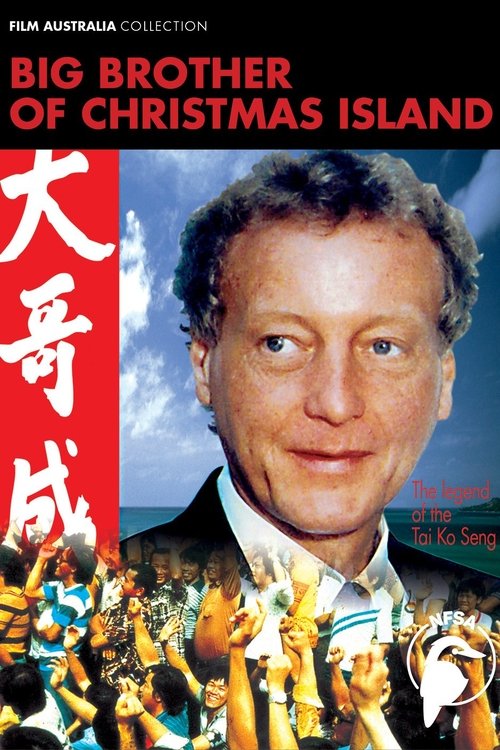
Twenty years ago, a hard-drinking, fiery British immigrant called Gordon Bennett, came to the remote Australian territory of Christmas Island to become General Secretary of the Union of Christmas Island Workers. By the time he died in 1991, he was known as 'Tai Ko Seng' which, roughly translated, means "big brother who delivers". Every year since his death, people gather on 30 July at the Island's Chinese cemetery, to pay tribute to Bennett as they would to their honoured ancestors. Big Brother of Christmas Island tells the moving story of how the legend of the "Tai Ko Seng" was born.
Big Brother of Christmas Island
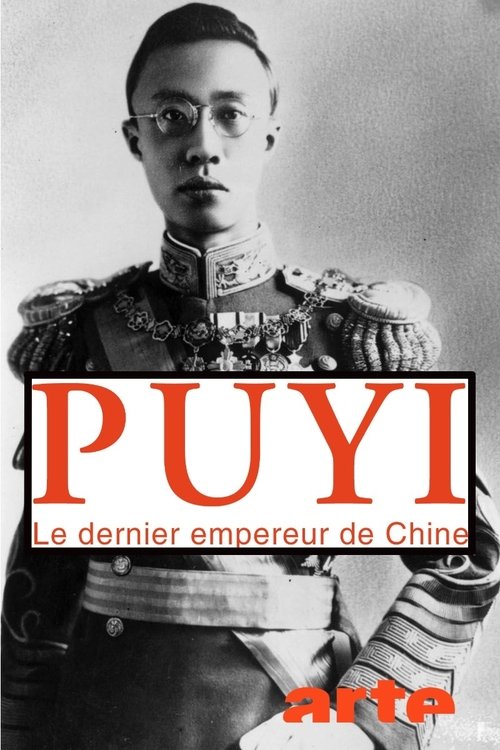
This program reveals the unorthodox life of Puyi, the last Emperor of China, through the use of rare footage from the period. Puyi's story, set against the immense luxury of the Chinese nobility, the decadent 1930s in Tianjin, the upheaval of World War II, the bleakness of prison, plus the turmoil of the Cultural Revolution, reflects the turbulent history of China and its people during the early and middle 20th Century.
Puyi, the Last Emperor of China

Australian scientist Michael Alpers dedicated over 50 years to researching Kuru, an obscure and incurable brain disease unique to the Fore people of New Guinea. Kuru was once thought to be a psychosomatic illness, an infection, a genetic disorder, even a sorcerer's curse, but Alpers' findings pointed to cannibalism as the culprit. Yet a recent discovery has proven to be even more disturbing: the malady is linked to mad cow disease and its human equivalent, variant CJD. With a decades-long incubation period, could a larger outbreak be on its way?
Kuru: The Science and the Sorcery
Three extraordinary men from different parts of the globe compete in a race from the edge of the sun-scorched desert to the tropical coast in the remote Kimberley region of north-west Australia.
The Human Race
No description available.