Attila Tyll
Acting
Known For

The family consists of Géza, the father, a comical and inept figure, his wife Paula who actually dominates family affairs, pubertal daughter Kriszta and 12-year-old son Aladár, a child prodigy. The cat Maffia and a dog, Blöki accompany the family. Dr. Máris, their cynical neighbour, is regularly and unvoluntarily involved in disasters surrounding the family.
Mézga család
No description available.
Au nom de tous les miens
No description available.
Utazás a Holdba
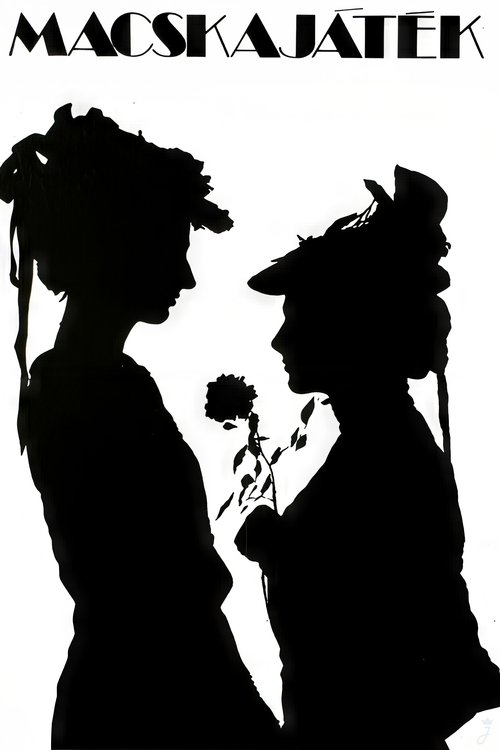
Karoly Makk's heartbreaking story of two unmarried sisters who cast wistful glances back at their lives, but still believe in hope and love, earned an Academy Award Nomination for Best Foreign Language Film in 1974. In this follow-up to the director's internationally acclaimed Love, Makk once again exhibits his extraordinary skills at drawing emotionally compelling performances from his talented female leads. Makk's film opposes the bleakness of the outside world with passion, love, and loyalty.
Cat's Play
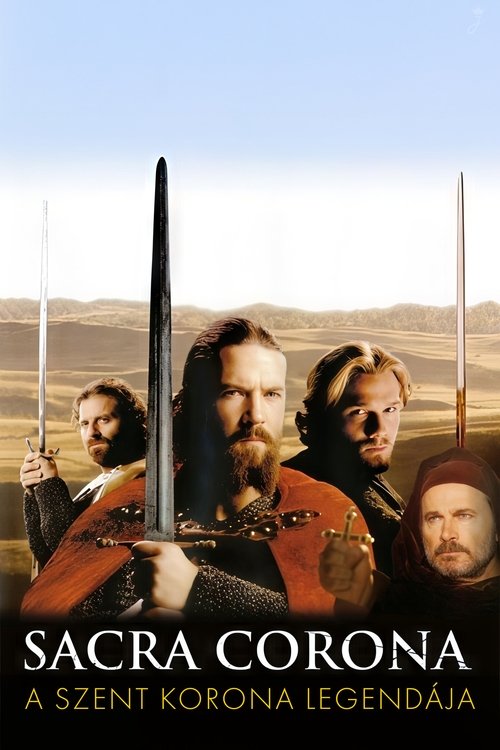
Sacra Corona is a historical feature film released to commemorate the millennium of the state's founding. The story deals with the 11th-century throne struggles of the House of Árpád.
Sacra Corona
The elderly Mikola Menyhért, former imperial and royal master detective, talks about the great criminals of a bygone era on television. He considers Ignác Sztrasznov to be the uncrowned king of swindlers, the greatest swindler of the Monarchy. To describe him, suffice it to say that at the age of 23, he sold the entire Vérmező to a Bulgarian horticulturalist, swindled money from lords, industrialists, and businessmen while dressed in a smart military uniform, and did not spare even the higher circles of the church. Mikola's narration brings Strasznov's adventures to life.
Én, Strasznov Ignác, a szélhámos

Edit, who became the wife of a politician out of a simple peasant girl, suddenly becomes a widow as a result of an accident. She never loved her husband. She lives a wealthy and lonely life amidst false friends, facing one of the last alternatives of her life, i.e. having to face her past in the hope of an independent new beginning.
Binding Sentiments
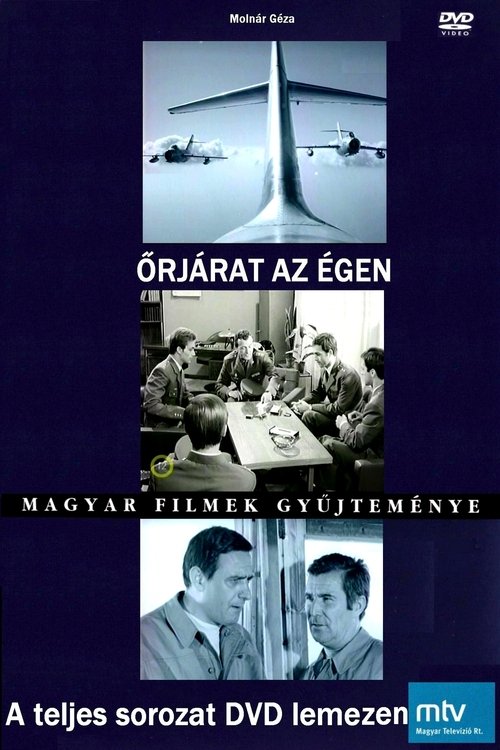
No description available.
Őrjárat az égen
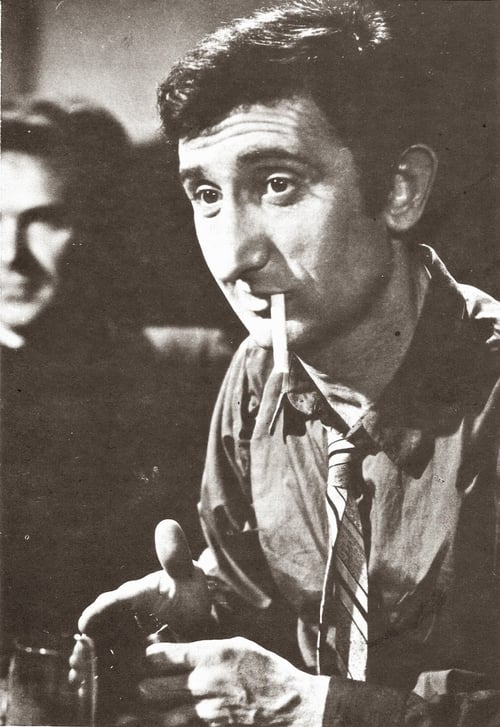
Mocorgó, the well-meaning worker boy, is a tough guy. In his 40s he is still a mechanic's apprentice, but he is disappointed by his family, women and friends, and becomes a criminal. He goes to prison several times and tells the story of his life to the writer, who follows his story until 1956, until Mocorgó's death.
Mocorgó
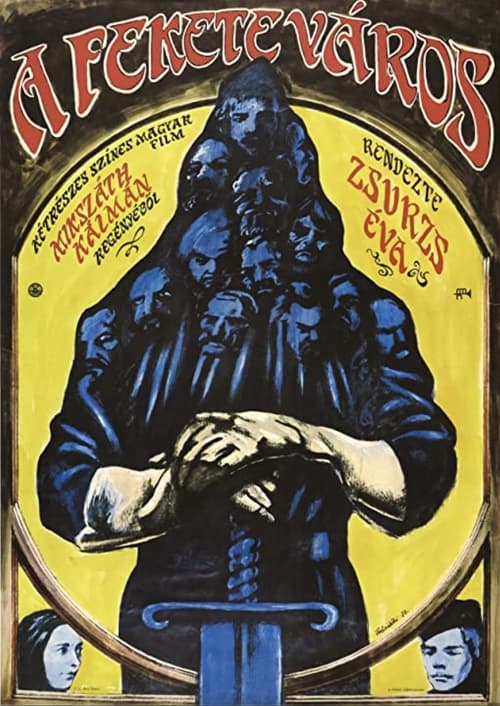
Feature film version of the 1971 series. On the eve of the 18th century, County Vicecomes Görgey Pál broods alone in his manor while the town of Leutschau celebrates New Year’s with lead‐casting omens and a disastrous hunt that sparks a bitter feud. As Görgey fights for his honor and life, and the townspeople defend their Saxon privileges, their mutual blind ambition prevents them from seeing the rising light of Rákóczi’s coming rebellion.
The Black City
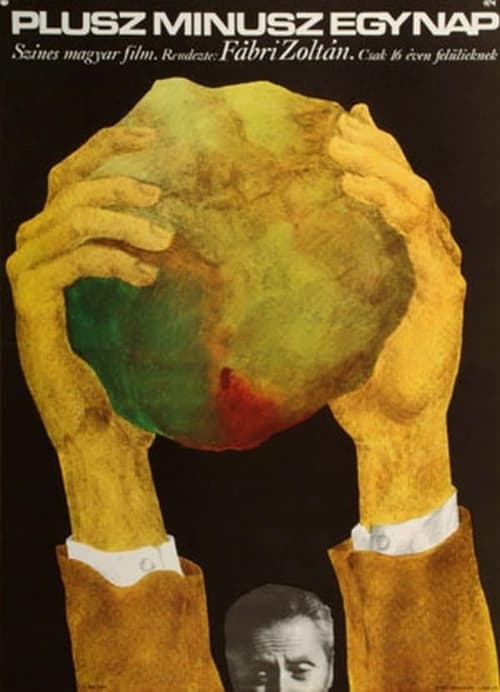
Baradla Géza, war criminal, returns after 25 years, with his ex-accomplice, Obrád Simon, to the village where he burned houses with people inside and executed partisans. The ex squad-leader is chased to this place by his "heroic deed" and the memory of his love. Like a maniac, he wants to forgive the village residents for having killed six of his soldiers.
One Day More or Less

No description available.
Kaputt
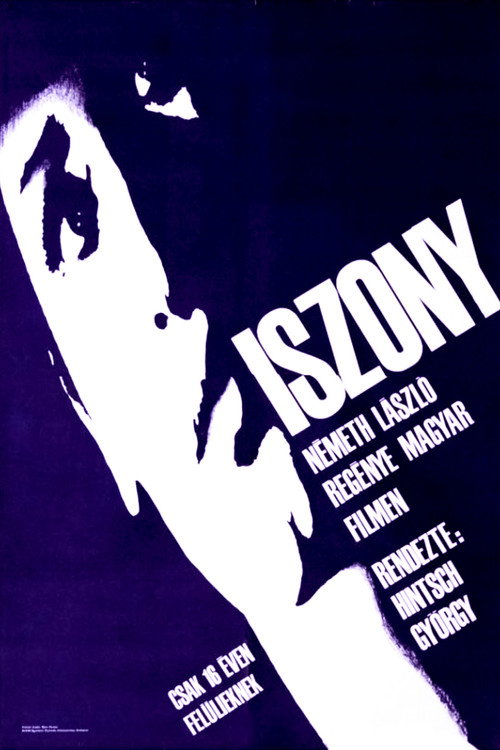
Nelli, the icy, introverted farm girl, needs to find a husband following her father's death. She accepts the attentions of the noisy Takaró Sanyi, although she is more attracted to his silent and modest younger brother.
Abhorrence
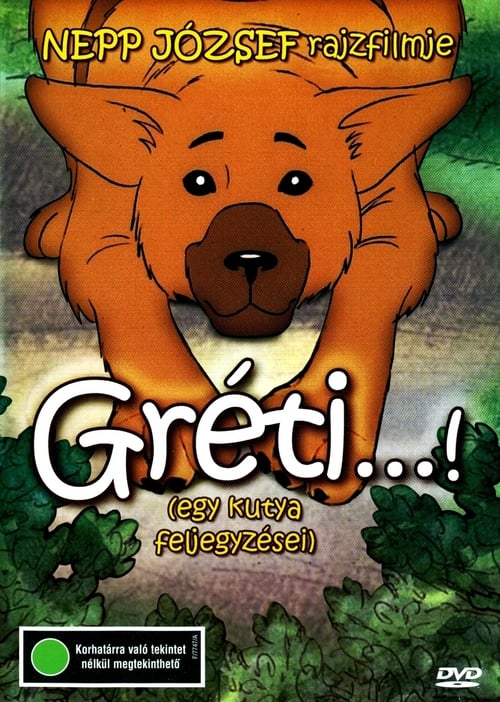
Gréti, a German shepherd, searches for her missing puppy.
Gréti...! (egy kutya feljegyzései)
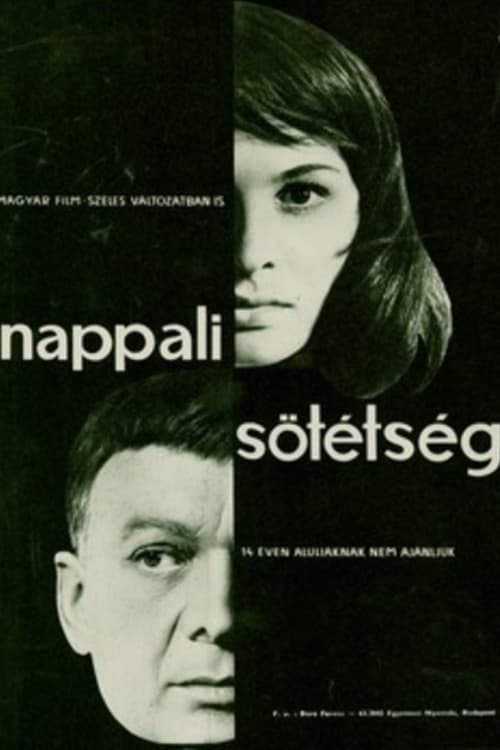
In 1963 in Tihany, somebody addresses the writer Gábor Náday. He is reminded of a night drive in 1944 that saved his life. Painful memories start coming to Náday.
Darkness in Daytime
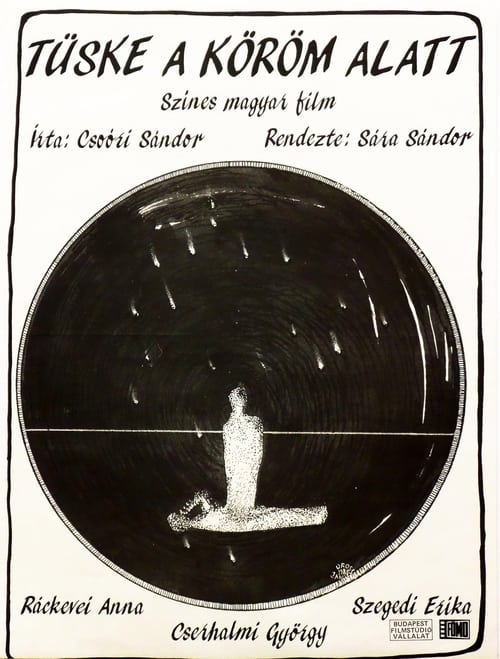
From the intrigues and slander of the branch the painter Hódosi moves out to a hamlet at Hortobágy. He gets into conflict situation as well as he cannot endure that the political and economic elite of the neigbourhood would devastate the nature conservation area with hunting and (tax evading) goose husbandry.
A Thorn under the Fingernail
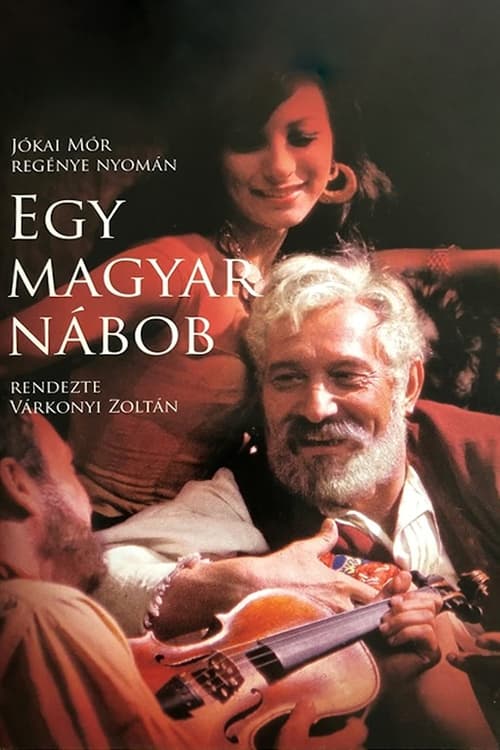
On the novel by Mór Jókai. The first half of the XVIII century. Several decades of life of a noble family Karpati.
A Hungarian Nabob
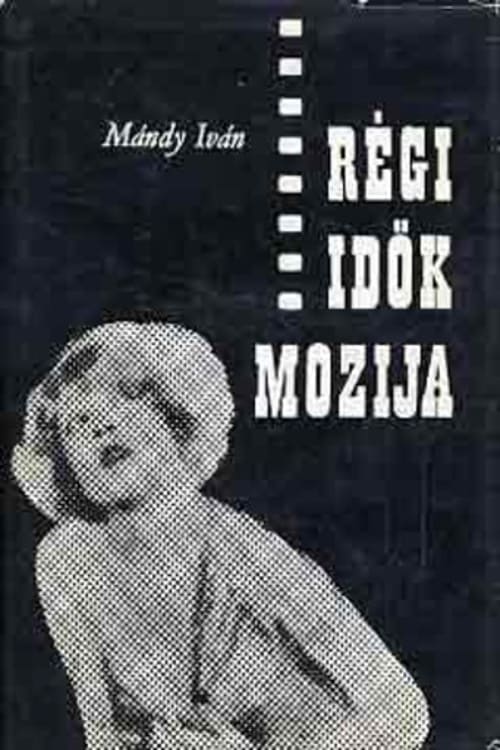
The film brings to life the stars of cinema of yesteryear, heart-wrenchingly poignant or even comic scenes, and in the shades that emerge, worlds are built and collapsed. The cinema auditorium, the auditorium, the ground floor, the hotel room, are the setting for special atmospheres.
Régi idők mozija
A successful architect meets a university student 30 years younger than him. They start a complicated, whirlwind relationship.